%22%3E%0A%3Cpath%20d%3D%22M412%20101.2H393.7C393.1%20101.2%20392.3%20100.9%20391.8%20100.5C377.3%2087.6004%20362.9%2074.6004%20348.4%2061.6004C344.8%2058.4004%20341.3%2055.2004%20337.7%2052.0004C337.1%2051.5004%20336.2%2051.1004%20335.5%2051.0004C334.2%2050.8004%20333%2051.0004%20331.5%2051.0004V101.1H316.7V0.100391H331.4V44.3004C331.9%2044.3004%20332.2%2044.4004%20332.5%2044.4004C334.9%2044.4004%20337.2%2044.5004%20339.6%2044.4004C340.4%2044.4004%20341.3%2044.0004%20341.8%2043.5004C351.6%2034.4004%20361.4%2025.2004%20371.1%2016.0004C376.5%2010.9004%20381.9%205.90039%20387.3%200.800391C387.9%200.200391%20388.5%200.000390626%20389.3%200.000390626H400.9C384.2%2015.8004%20367.8%2031.3004%20351.2%2047.0004C371.5%2065.0004%20391.8%2082.9004%20412.1%20100.9C412.1%20101%20412.1%20101.1%20412%20101.2ZM180.9%20101.2C184.1%2094.9004%20187.2%2088.9004%20190.3%2082.8004C198.3%2067.3004%20206.2%2051.8004%20214.2%2036.2004C220.3%2024.4004%20226.4%2012.5004%20232.4%200.700391C232.7%200.100391%20233%20-0.0996094%20233.7%20-0.0996094H248.1C248.8%20-0.0996094%20249.2%200.100391%20249.6%200.800391C256%2013.3004%20262.4%2025.7004%20268.8%2038.2004C279.3%2058.6004%20289.8%2079.0004%20300.3%2099.5004C300.5%20100%20300.8%20100.4%20301.1%20101.1C300.5%20101.1%20300.1%20101.2%20299.7%20101.2H286.5C285.6%20101.2%20285.1%20100.9%20284.7%20100.2C280.1%2091.3004%20275.4%2082.4004%20270.8%2073.4004C270.1%2072.1004%20269.3%2071.6004%20267.8%2071.6004H209.9C208.7%2071.6004%20208.1%2072.0004%20207.5%2073.1004C202.9%2082.1004%20198.2%2091.0004%20193.6%20100C193.1%20101%20192.6%20101.3%20191.5%20101.3C188.4%20101.2%20185.3%20101.3%20182.3%20101.3C182%20101.2%20181.6%20101.2%20180.9%20101.2ZM239.1%2011.4004C230%2029.2004%20221.1%2046.7004%20212.1%2064.3004H266.4C257.2%2046.7004%20248.2%2029.2004%20239.1%2011.4004ZM0%200.000390626H43.4C51.2%200.000390626%2058.7%201.20039%2065.7%204.80039C75.9%2010.0004%2078.9%2018.0004%2078.6%2027.4004C78.3%2034.3004%2076%2040.5004%2071.2%2045.5004C67.3%2049.6004%2062.4%2052.3004%2057.1%2054.3004C50.6%2056.7004%2043.9%2058.0004%2037.1%2058.6004C30.1%2059.2004%2023.1%2059.4004%2016.2%2059.7004C15.8%2059.7004%2015.3%2059.8004%2014.8%2059.8004V101.1H0.1C0%2067.4004%200%2033.8004%200%200.000390626ZM14.8%207.10039V52.2004C23.7%2052.4004%2032.6%2052.3004%2041.2%2050.1004C44.4%2049.3004%2047.6%2048.2004%2050.6%2046.7004C58.4%2043.0004%2062.3%2036.7004%2062.7%2028.0004C63%2019.9004%2059.5%2014.1004%2052.4%2010.5004C47.6%208.00039%2042.5%207.10039%2037.2%207.10039H14.8ZM95.9%20101.1V0.100391H167.3V7.20039H110.7V44.7004H158.1V51.9004H110.8V93.9004H171.1V101C146.1%20101.1%20121%20101.1%2095.9%20101.1Z%22%20fill%3D%22black%22%2F%3E%0A%3Cpath%20d%3D%22M35.0004%2025.7996H42.5004V20.6996H44.8004V33.1996H42.6004V27.5996H34.9004V33.2996H32.7004V20.7996H35.0004V25.7996ZM54.4004%2025.8996V27.2996H48.9004V31.6996H55.9004C55.9004%2032.1996%2056.0004%2032.5996%2056.0004%2033.0996H46.5004V20.5996H55.5004V21.8996H49.0004V25.7996C50.7004%2025.8996%2052.5004%2025.8996%2054.4004%2025.8996ZM25.9004%2033.0996H23.5004V21.9996H17.9004V20.6996H31.6004V22.0996H27.1004C26.2004%2022.0996%2025.9004%2022.2996%2025.9004%2023.1996C26.0004%2026.0996%2025.9004%2028.9996%2025.9004%2031.7996V33.0996Z%22%20fill%3D%22black%22%2F%3E%0A%3C%2Fg%3E%0A%3Cdefs%3E%0A%3CclipPath%20id%3D%22clip0_388_462%22%3E%0A%3Crect%20width%3D%22411%22%20height%3D%22101.2%22%20fill%3D%22white%22%2F%3E%0A%3C%2FclipPath%3E%0A%3C%2Fdefs%3E%0A%3C%2Fsvg%3E%0A)
Inside South Korea’s $2.4B shaman economy — 9 ways ancient ritual became big business
From Gangnam’s million-dollar star shamans to corporate boardrooms seeking lucky launch dates, an ancient spiritual practice has evolved into a lucrative modern industry that blends ritual, risk management, and technology.
By Zat Astha /
Share this article
In 2026, South Korea stands as one of the most technologically advanced nations on Earth, yet, its most resilient growth sector isn’t semiconductors or EV batteries — it is the ancient, neon-lit world of Korean shamanism.
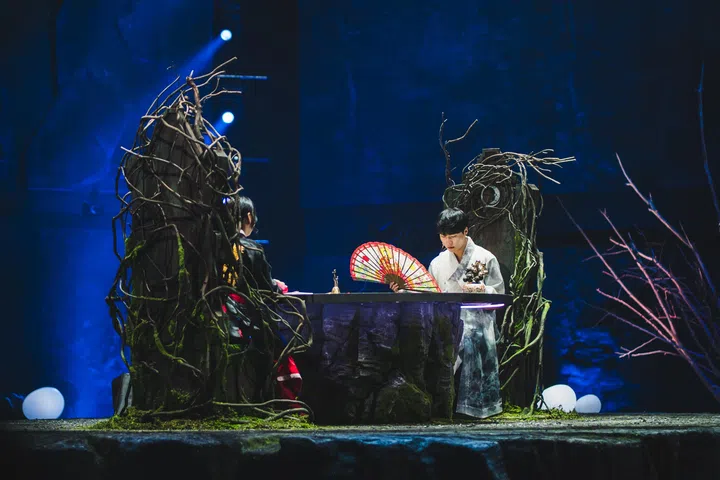
Propelled into the global spotlight by the 2026 hit survival show Battle of Fates, which pits practitioners against one another in high-stakes spiritual challenges, the shaman (mudang) has moved from the fringes of society directly into the mainstream.
No longer a marginalised folk tradition, this practice has transformed into a high-stakes professional industry worth an estimated ₩3.5 trillion (approx. US$2.4 billion).
In a society defined by hyper-competition and “Hell Joseon” (the brutal job market), the modern Shaman has pivoted from a mountain mystic to a vital “spiritual risk manager” for the 21st century.
A nation of diviners
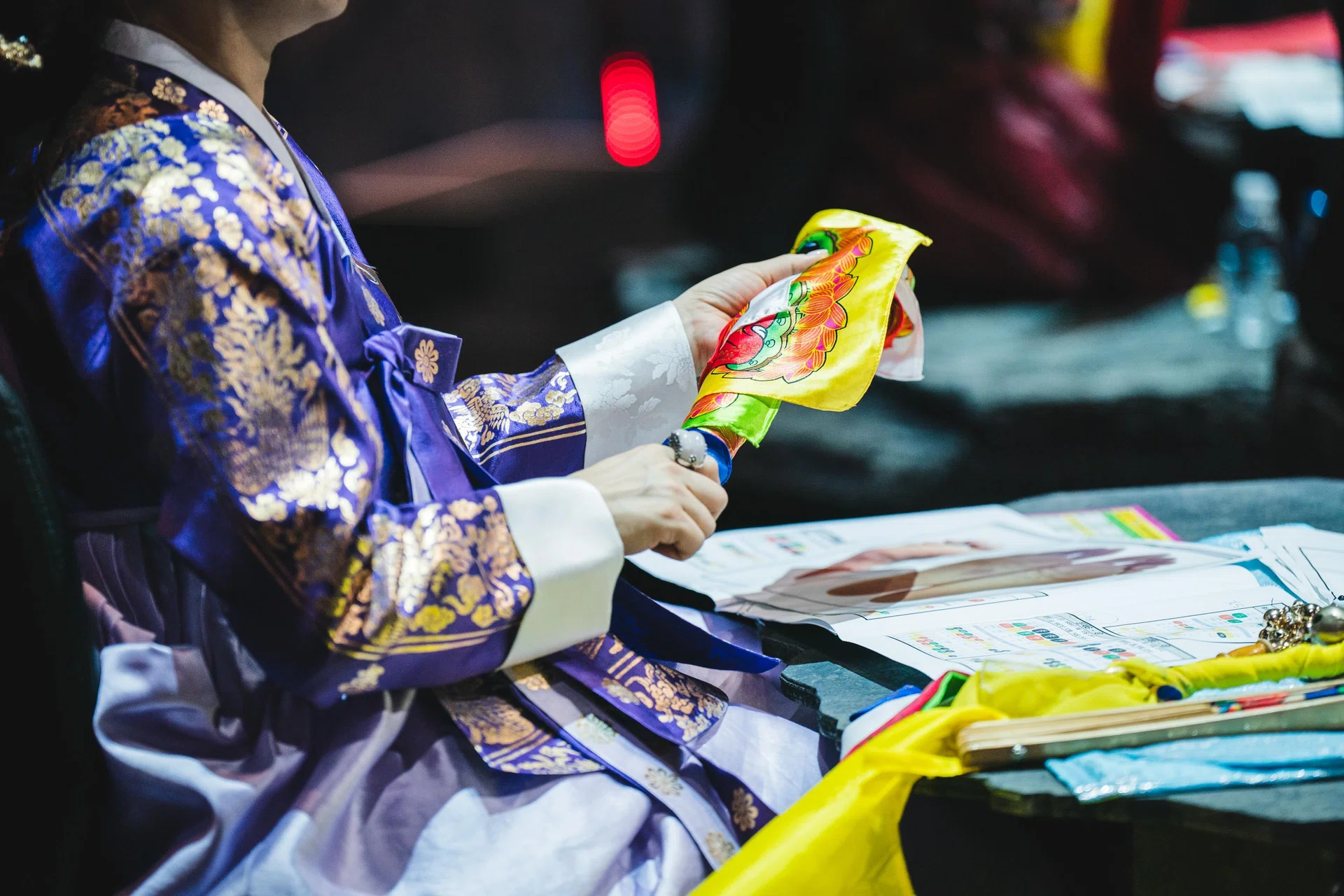
The statistical footprint of shamanism in Korea is massive, though much of it remains in the “shadow economy”. While government data from Statistics Korea officially lists only around 10,000 registered divination businesses, industry insiders and the Korean Shaman Association estimate the true number of practitioners to be between 300,000 and 1,000,000.
With over 51 per cent of the population identifying as “non-religious” (Gallup Korea), shamanism has effectively filled a spiritual and psychological void left by institutional religions. Today, there is approximately one shaman for every 160 citizens, making a mudang more accessible than a local therapist or primary care physician.
The unit economics of the “Gut”
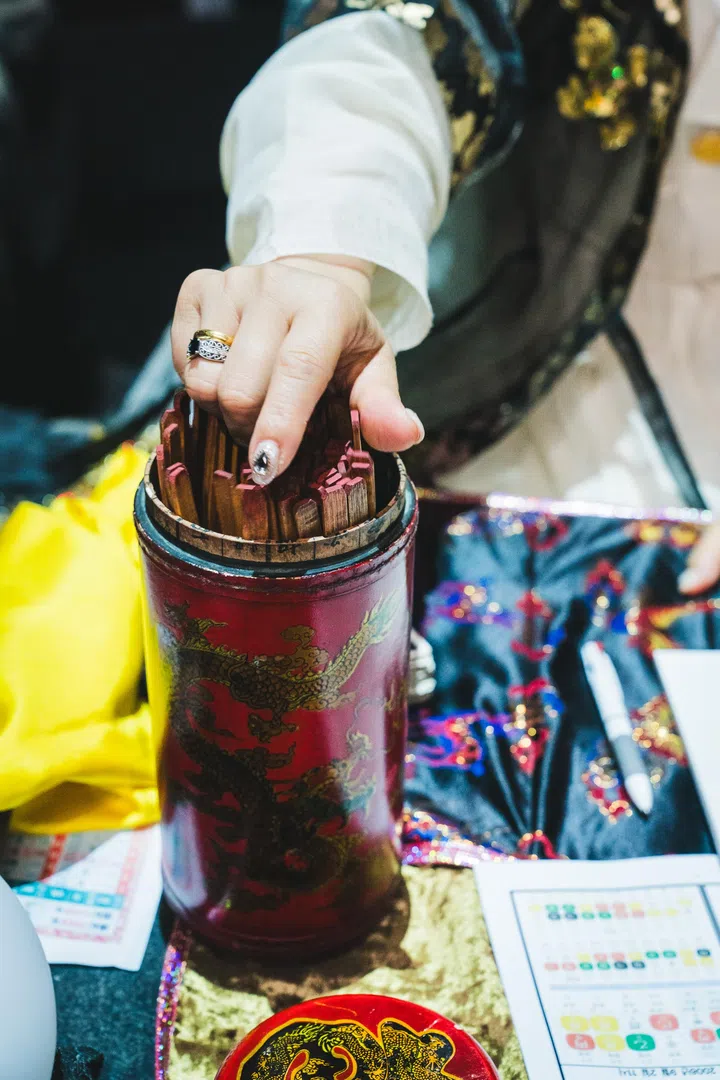
The industry’s highest-grossing product is the Gut, an elaborate ritual designed to appease spirits or change one’s destiny. These are bespoke ceremonies with price tags that rival luxury goods.
A standard Saju (fortune reading) costs ₩50,000 to ₩150,000, but a full-scale Gut can range from ₩10,000,000 to ₩100,000,000 ($7,000 to $70,000+). The profit margins are remarkably efficient: 40 per cent goes to logistics like premium offerings (whole pigs and top-shelf liquor), 30per cent to the “team” of assistant musicians, and 30 per cent is pure net profit for the lead shaman.
A “star shaman” in Seoul’s Gangnam district can generate upwards of ₩1.5 billion (US$1M+) in annual revenue, largely in under-the-table cash transactions.
Boardroom divination
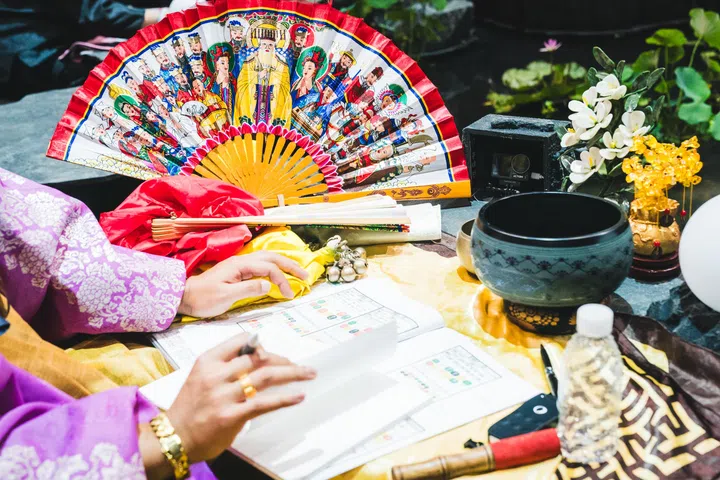
The business extends into the highest echelons of power, where South Korea’s chaebols (conglomerates) treat shamans as unofficial risk consultants. Major firms often pay ₩15,000,000 to ₩40,000,000 for annual retainers to have a shaman select “lucky” dates for product launches or to vet the gung-hap (energy compatibility) of potential executive hires.
This is not merely superstition; it is treated as a form of “alternative data” in high-stakes decision-making. During election cycles too, the market for “Election Guts” swells as candidates seek spiritual insurance, with some shamans allegedly influencing national policy and real estate development through their proximity to political elites.
AI-Shamans and NFT talismans
The industry’s survival in 2026 is owed to its brilliant digital adaptation. Platforms like Jeomsin and HelloBot have seen a 15 per cent CAGR, reaching millions of downloads by using AI to provide daily birth-chart readings while acting as booking portals for high-end human shamans.
The traditional bujeok (talisman) has undergone a radical digital overhaul for the 2026 market. Shamans now collaborate with tech platforms to offer “Smart Charms” — digitally minted NFT wallpapers that serve as a form of spiritual “software-as-a-service”.
These products are often sold via monthly subscriptions, providing users with a rotating gallery of “blessed” backgrounds tailored to their specific monthly fortune, effectively turning a one-time spiritual purchase into a recurring revenue stream.
Shamanic real estate
A significant portion of the shamanic industry is tied to Pungsu-Jiri (Korean geomancy), which remains a primary driver in the real estate sector.
In 2026, when property is the ultimate wealth-building tool, shamans are hired as “energy auditors” for massive development projects. They charge between ₩5,000,000 and ₩25,000,000 to evaluate the flow of gi (energy) in new apartment complexes or corporate headquarters.
This practice is so entrenched that “propitious” locations often command a 10 to 15 per cent market premium. Developers also frequently use a shaman’s “stamp of approval” as a marketing tool to justify higher prices to wealthy, superstitious buyers.
The commercialisation of Inwangsan
Shamanism has become a major draw for international “spiritual tourism”. According to the 2026 Seoul Tourism Organization (STO) strategy, “local re-creation” now includes curated spiritual paths. To that end, the Seoul Tourism Organization has integrated shamanic experiences into its 2026 global strategy, promoting guided tours on Mt. Inwangsan, a historic hub for rituals.
These tours, which can cost upwards of ₩300,000 ($210) per person, offer visitors a 1-on-1 divination session and a front-row seat to authentic ceremonies. This has turned once-private religious spaces into highly profitable cultural venues, creating a secondary market for translators and “shamanic concierges” who bridge the gap between ancient ritual and the global wellness traveller.
The shamanic supply chain
Behind the practitioners lies a massive, specialized manufacturing supply chain that is often overlooked. The market for ceremonial costumes (hanbok), brass bells, and ritual blades is a multimillion-won industry.
A single high-end shamanic robe, handcrafted with specific spiritual symbols, can cost ₩5,000,000 ($3,500). In 2026, “shamanic-chic” has leaked into the luxury fashion world, with boutique designers creating contemporary apparel inspired by ritual aesthetics.
This commercialisation has birthed a new class of “spiritual retailers” who exclusively provide the high-end tools required for modern rituals, further driving the industry’s GDP.
Fraud and the rise of “divine loans”
Still, where there is high-margin desperation, there is systemic exploitation. In 2025, South Korea faced a record wave of spiritual fraud, with victims losing an average of ₩20 million (US$14K) to “doom-scaring” tactics.
Unscrupulous practitioners often claim a client’s family is cursed or that a “debt of the soul” has been inherited, leveraging psychological gaslighting to force them into expensive rituals they cannot afford.
This environment has given rise to the “Divine Loan” — high-interest private credit lines specifically marketed to young, unemployed people or struggling small business owners. These predatory lenders often operate through illegal “loan rings” on platforms like KakaoTalk, sometimes charging effective annual interest rates exceeding 15,000 per cent (The Korea Herald, 2025).
In February 2026, the Financial Supervisory Service (FSS) issued an official “Caution” alert specifically targeting shaman-impersonator scams that steer victims toward these high-interest private loans to fund “mandatory” rituals (Korea JoongAng Daily, 2026).
These loans often lead to a terminal cycle of debt, where the “spiritual cure” becomes more financially devastating than the original problem, turning a quest for luck into a permanent state of insolvency.
K-Shamanism as cultural soft power
In 2026, the industry is looking beyond the peninsula, exporting its “spiritual technology” to the world. Shamans are increasingly travelling to perform rituals for the global Korean diaspora and non-Korean clients in the US and Europe who are fatigued by Western wellness trends.
Following the “K-Culture” wave, rituals are being staged as “performance art” in global galleries, with shamans acting as cultural ambassadors. This “export of spirituality” represents a new frontier for Korean soft power, blending folklore with the global luxury wellness market and proving that even the most ancient traditions can be scaled for a global audience.