%22%3E%0A%3Cpath%20d%3D%22M412%20101.2H393.7C393.1%20101.2%20392.3%20100.9%20391.8%20100.5C377.3%2087.6004%20362.9%2074.6004%20348.4%2061.6004C344.8%2058.4004%20341.3%2055.2004%20337.7%2052.0004C337.1%2051.5004%20336.2%2051.1004%20335.5%2051.0004C334.2%2050.8004%20333%2051.0004%20331.5%2051.0004V101.1H316.7V0.100391H331.4V44.3004C331.9%2044.3004%20332.2%2044.4004%20332.5%2044.4004C334.9%2044.4004%20337.2%2044.5004%20339.6%2044.4004C340.4%2044.4004%20341.3%2044.0004%20341.8%2043.5004C351.6%2034.4004%20361.4%2025.2004%20371.1%2016.0004C376.5%2010.9004%20381.9%205.90039%20387.3%200.800391C387.9%200.200391%20388.5%200.000390626%20389.3%200.000390626H400.9C384.2%2015.8004%20367.8%2031.3004%20351.2%2047.0004C371.5%2065.0004%20391.8%2082.9004%20412.1%20100.9C412.1%20101%20412.1%20101.1%20412%20101.2ZM180.9%20101.2C184.1%2094.9004%20187.2%2088.9004%20190.3%2082.8004C198.3%2067.3004%20206.2%2051.8004%20214.2%2036.2004C220.3%2024.4004%20226.4%2012.5004%20232.4%200.700391C232.7%200.100391%20233%20-0.0996094%20233.7%20-0.0996094H248.1C248.8%20-0.0996094%20249.2%200.100391%20249.6%200.800391C256%2013.3004%20262.4%2025.7004%20268.8%2038.2004C279.3%2058.6004%20289.8%2079.0004%20300.3%2099.5004C300.5%20100%20300.8%20100.4%20301.1%20101.1C300.5%20101.1%20300.1%20101.2%20299.7%20101.2H286.5C285.6%20101.2%20285.1%20100.9%20284.7%20100.2C280.1%2091.3004%20275.4%2082.4004%20270.8%2073.4004C270.1%2072.1004%20269.3%2071.6004%20267.8%2071.6004H209.9C208.7%2071.6004%20208.1%2072.0004%20207.5%2073.1004C202.9%2082.1004%20198.2%2091.0004%20193.6%20100C193.1%20101%20192.6%20101.3%20191.5%20101.3C188.4%20101.2%20185.3%20101.3%20182.3%20101.3C182%20101.2%20181.6%20101.2%20180.9%20101.2ZM239.1%2011.4004C230%2029.2004%20221.1%2046.7004%20212.1%2064.3004H266.4C257.2%2046.7004%20248.2%2029.2004%20239.1%2011.4004ZM0%200.000390626H43.4C51.2%200.000390626%2058.7%201.20039%2065.7%204.80039C75.9%2010.0004%2078.9%2018.0004%2078.6%2027.4004C78.3%2034.3004%2076%2040.5004%2071.2%2045.5004C67.3%2049.6004%2062.4%2052.3004%2057.1%2054.3004C50.6%2056.7004%2043.9%2058.0004%2037.1%2058.6004C30.1%2059.2004%2023.1%2059.4004%2016.2%2059.7004C15.8%2059.7004%2015.3%2059.8004%2014.8%2059.8004V101.1H0.1C0%2067.4004%200%2033.8004%200%200.000390626ZM14.8%207.10039V52.2004C23.7%2052.4004%2032.6%2052.3004%2041.2%2050.1004C44.4%2049.3004%2047.6%2048.2004%2050.6%2046.7004C58.4%2043.0004%2062.3%2036.7004%2062.7%2028.0004C63%2019.9004%2059.5%2014.1004%2052.4%2010.5004C47.6%208.00039%2042.5%207.10039%2037.2%207.10039H14.8ZM95.9%20101.1V0.100391H167.3V7.20039H110.7V44.7004H158.1V51.9004H110.8V93.9004H171.1V101C146.1%20101.1%20121%20101.1%2095.9%20101.1Z%22%20fill%3D%22black%22%2F%3E%0A%3Cpath%20d%3D%22M35.0004%2025.7996H42.5004V20.6996H44.8004V33.1996H42.6004V27.5996H34.9004V33.2996H32.7004V20.7996H35.0004V25.7996ZM54.4004%2025.8996V27.2996H48.9004V31.6996H55.9004C55.9004%2032.1996%2056.0004%2032.5996%2056.0004%2033.0996H46.5004V20.5996H55.5004V21.8996H49.0004V25.7996C50.7004%2025.8996%2052.5004%2025.8996%2054.4004%2025.8996ZM25.9004%2033.0996H23.5004V21.9996H17.9004V20.6996H31.6004V22.0996H27.1004C26.2004%2022.0996%2025.9004%2022.2996%2025.9004%2023.1996C26.0004%2026.0996%2025.9004%2028.9996%2025.9004%2031.7996V33.0996Z%22%20fill%3D%22black%22%2F%3E%0A%3C%2Fg%3E%0A%3Cdefs%3E%0A%3CclipPath%20id%3D%22clip0_388_462%22%3E%0A%3Crect%20width%3D%22411%22%20height%3D%22101.2%22%20fill%3D%22white%22%2F%3E%0A%3C%2FclipPath%3E%0A%3C%2Fdefs%3E%0A%3C%2Fsvg%3E%0A)
An extra layover to reach a city can cost it 20% of its foreign investment
According to a new study by the Singapore-MIT Alliance for Research and Technology, the quality of flight connections that a city has is the most significant predictor of its success.
By Jamie Wong JM /
Share this article
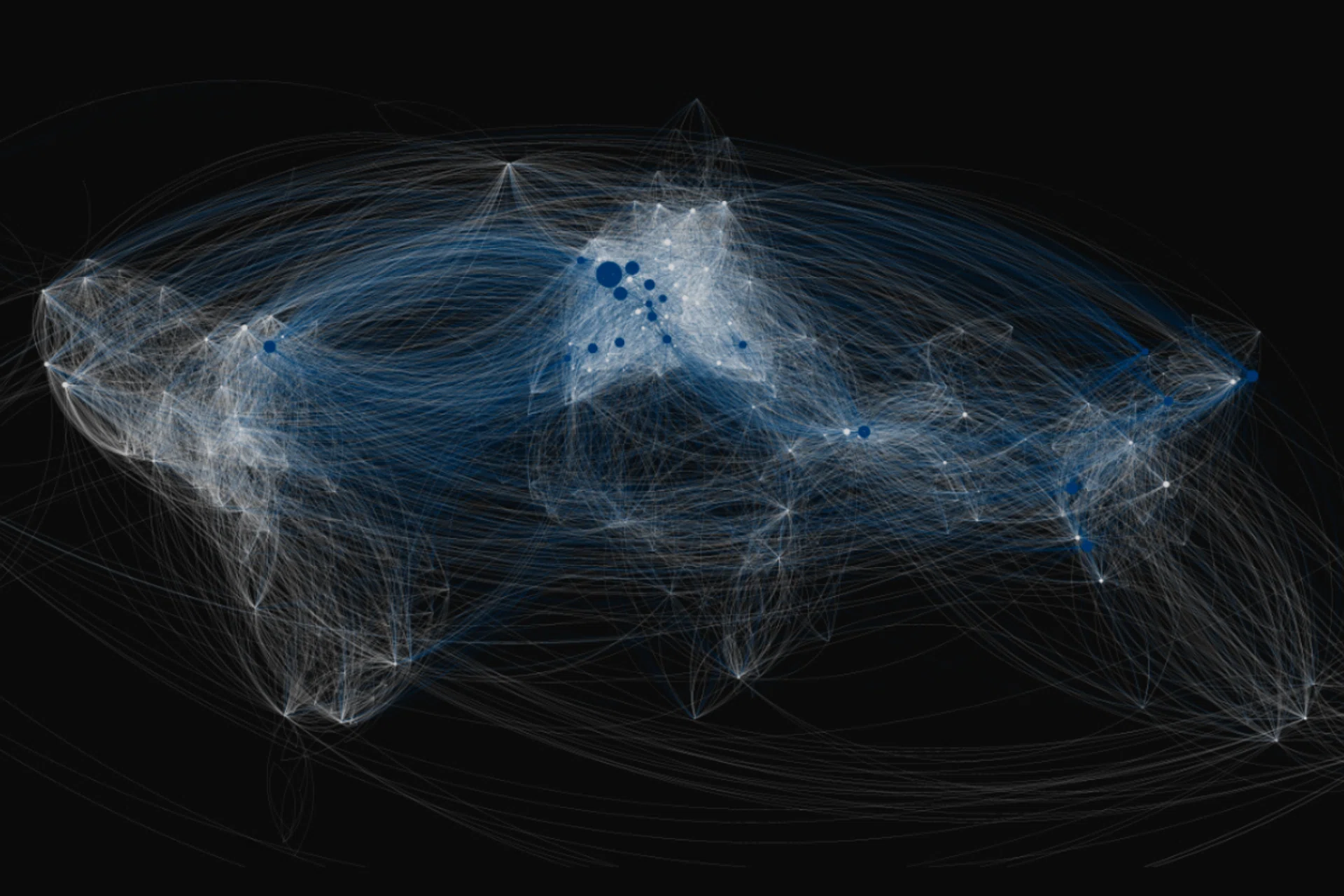
Flight routes may play a larger role in shaping urban economic growth than previously assumed. A recent study by the Singapore-MIT Alliance for Research and Technology’s Mens, Manus & Machina group finds that the quality of a city’s air connectivity significantly influences where multinational corporations choose to invest.
Drawing on three decades of data from 1993 to 2023, spanning more than 7.5 million firms and 400,000 flight routes, the researchers examined how improvements in global air travel networks affect where multinational corporations (MNCs) establish subsidiaries. Working alongside collaborators from the Massachusetts Institute of Technology and the National University of Singapore, the team analysed the relationship between flight connectivity and foreign subsidiary formation.
The most immediate factor is convenience. The number of direct flight connections correlates with corporate expansion: the fewer layovers required to reach a city, the more subsidiaries it tends to host. Even a single layover is associated with 20% fewer subsidiaries. This rises to 34% when journeys require two or more layovers. Accessibility, in practical terms, is correlated with investments.
With convenience as a major factor, it’s natural to assume that quantity would be one too. However, the study finds that the quality of connections matters most. Cities linked to highly central and well-connected airports outperform those with a larger number of routes to less significant destinations. A 10% increase in connectivity to influential hubs is associated with nearly a 1% increase in the number of foreign subsidiaries.
This effect is particularly pronounced in professional services sectors where face-to-face interaction remains important. As a result, industries such as finance, consulting and technology show a stronger sensitivity to air connectivity, while sectors like manufacturing and retail display a much weaker relationship.
“With trade and geopolitical frictions, it’s more and more important to have face-to-face interactions to build trust for global trade and business,” said Siqi Zheng, Principal Investigator at M3S, Professor and Faculty Director of MIT Center for Real Estate, and one of the authors of the paper. “You still need to reach an actual place and see your business partners, so cities with good air connectivity really influences how global business copes with global uncertainties.”
Notably, the relationship between air connectivity and subsidiary location has remained consistent over the past 30 years, despite technological shifts, geopolitical tensions and disruptions such as Covid-19.
The findings may also help explain Singapore’s position as a global business hub. According to the paper, Singapore has the highest number of MNCs (which the paper specifies is “large- and medium-sized foreign-owned subsidiaries with a minimum annual revenue of US$5 million”) surpassing second-place London by a considerable margin.
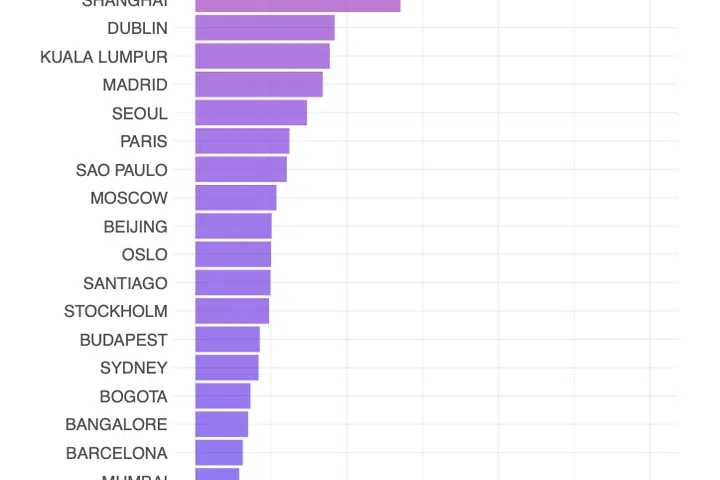
Historically a major shipping port, Singapore has continued to invest heavily in aviation infrastructure and global connectivity. Its air links to other major hubs likely contribute to its high centrality score in the study’s analysis.
“This study highlights important implications for urban planning and economic policy, as air connectivity isn’t just about adding more routes for travel – it’s about sustaining economic vibrancy and being attractive to MNCs,” said Ambra Amico, Postdoctoral Researcher at M3S and co-corresponding author of the paper. “The results are clear – being connected to influential hubs is critical in better overcoming coordination barriers and accelerating business expansion.”