%22%3E%0A%3Cpath%20d%3D%22M412%20101.2H393.7C393.1%20101.2%20392.3%20100.9%20391.8%20100.5C377.3%2087.6004%20362.9%2074.6004%20348.4%2061.6004C344.8%2058.4004%20341.3%2055.2004%20337.7%2052.0004C337.1%2051.5004%20336.2%2051.1004%20335.5%2051.0004C334.2%2050.8004%20333%2051.0004%20331.5%2051.0004V101.1H316.7V0.100391H331.4V44.3004C331.9%2044.3004%20332.2%2044.4004%20332.5%2044.4004C334.9%2044.4004%20337.2%2044.5004%20339.6%2044.4004C340.4%2044.4004%20341.3%2044.0004%20341.8%2043.5004C351.6%2034.4004%20361.4%2025.2004%20371.1%2016.0004C376.5%2010.9004%20381.9%205.90039%20387.3%200.800391C387.9%200.200391%20388.5%200.000390626%20389.3%200.000390626H400.9C384.2%2015.8004%20367.8%2031.3004%20351.2%2047.0004C371.5%2065.0004%20391.8%2082.9004%20412.1%20100.9C412.1%20101%20412.1%20101.1%20412%20101.2ZM180.9%20101.2C184.1%2094.9004%20187.2%2088.9004%20190.3%2082.8004C198.3%2067.3004%20206.2%2051.8004%20214.2%2036.2004C220.3%2024.4004%20226.4%2012.5004%20232.4%200.700391C232.7%200.100391%20233%20-0.0996094%20233.7%20-0.0996094H248.1C248.8%20-0.0996094%20249.2%200.100391%20249.6%200.800391C256%2013.3004%20262.4%2025.7004%20268.8%2038.2004C279.3%2058.6004%20289.8%2079.0004%20300.3%2099.5004C300.5%20100%20300.8%20100.4%20301.1%20101.1C300.5%20101.1%20300.1%20101.2%20299.7%20101.2H286.5C285.6%20101.2%20285.1%20100.9%20284.7%20100.2C280.1%2091.3004%20275.4%2082.4004%20270.8%2073.4004C270.1%2072.1004%20269.3%2071.6004%20267.8%2071.6004H209.9C208.7%2071.6004%20208.1%2072.0004%20207.5%2073.1004C202.9%2082.1004%20198.2%2091.0004%20193.6%20100C193.1%20101%20192.6%20101.3%20191.5%20101.3C188.4%20101.2%20185.3%20101.3%20182.3%20101.3C182%20101.2%20181.6%20101.2%20180.9%20101.2ZM239.1%2011.4004C230%2029.2004%20221.1%2046.7004%20212.1%2064.3004H266.4C257.2%2046.7004%20248.2%2029.2004%20239.1%2011.4004ZM0%200.000390626H43.4C51.2%200.000390626%2058.7%201.20039%2065.7%204.80039C75.9%2010.0004%2078.9%2018.0004%2078.6%2027.4004C78.3%2034.3004%2076%2040.5004%2071.2%2045.5004C67.3%2049.6004%2062.4%2052.3004%2057.1%2054.3004C50.6%2056.7004%2043.9%2058.0004%2037.1%2058.6004C30.1%2059.2004%2023.1%2059.4004%2016.2%2059.7004C15.8%2059.7004%2015.3%2059.8004%2014.8%2059.8004V101.1H0.1C0%2067.4004%200%2033.8004%200%200.000390626ZM14.8%207.10039V52.2004C23.7%2052.4004%2032.6%2052.3004%2041.2%2050.1004C44.4%2049.3004%2047.6%2048.2004%2050.6%2046.7004C58.4%2043.0004%2062.3%2036.7004%2062.7%2028.0004C63%2019.9004%2059.5%2014.1004%2052.4%2010.5004C47.6%208.00039%2042.5%207.10039%2037.2%207.10039H14.8ZM95.9%20101.1V0.100391H167.3V7.20039H110.7V44.7004H158.1V51.9004H110.8V93.9004H171.1V101C146.1%20101.1%20121%20101.1%2095.9%20101.1Z%22%20fill%3D%22black%22%2F%3E%0A%3Cpath%20d%3D%22M35.0004%2025.7996H42.5004V20.6996H44.8004V33.1996H42.6004V27.5996H34.9004V33.2996H32.7004V20.7996H35.0004V25.7996ZM54.4004%2025.8996V27.2996H48.9004V31.6996H55.9004C55.9004%2032.1996%2056.0004%2032.5996%2056.0004%2033.0996H46.5004V20.5996H55.5004V21.8996H49.0004V25.7996C50.7004%2025.8996%2052.5004%2025.8996%2054.4004%2025.8996ZM25.9004%2033.0996H23.5004V21.9996H17.9004V20.6996H31.6004V22.0996H27.1004C26.2004%2022.0996%2025.9004%2022.2996%2025.9004%2023.1996C26.0004%2026.0996%2025.9004%2028.9996%2025.9004%2031.7996V33.0996Z%22%20fill%3D%22black%22%2F%3E%0A%3C%2Fg%3E%0A%3Cdefs%3E%0A%3CclipPath%20id%3D%22clip0_388_462%22%3E%0A%3Crect%20width%3D%22411%22%20height%3D%22101.2%22%20fill%3D%22white%22%2F%3E%0A%3C%2FclipPath%3E%0A%3C%2Fdefs%3E%0A%3C%2Fsvg%3E%0A)
This is what the exploitation of artists says about us
Art plagiarism and theft without repercussions is a global problem and needs to be addressed, starting with us.
By Lu Yawen /
Share this article
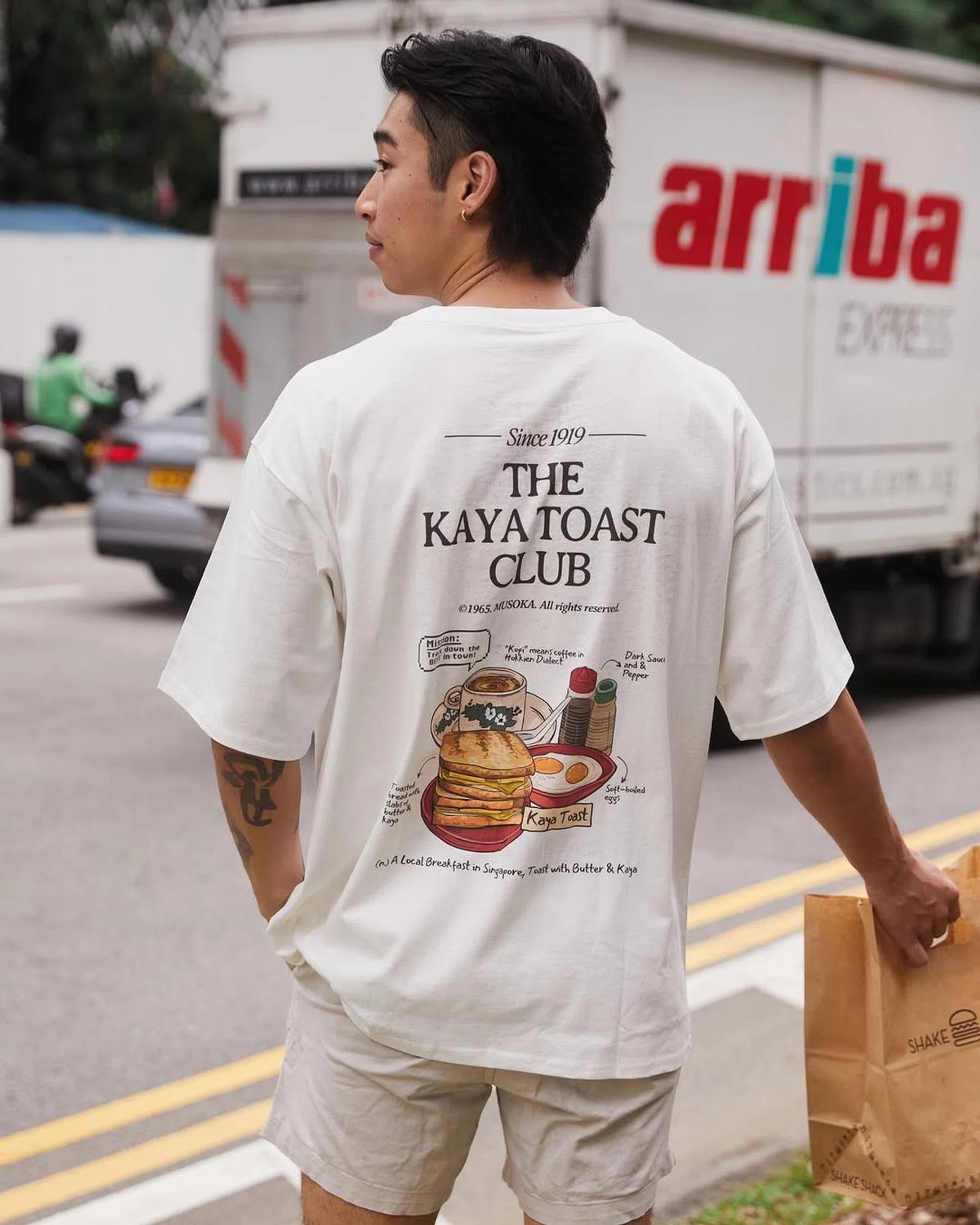
In May, Uniqlo Singapore released a collection of T-shirts featuring illustrations of local dishes as part of its UTme! campaign. The Local Delights Collection quickly drew criticism for its resemblance to T-shirts from Musoka Club’s Dress Code: Kopitiam Series, released two years ago.
It all felt a little too soon, especially after I had just witnessed my social media feed flood with ChatGPT’s OpenAI imitations of photos in the style of the renowned Japanese illustrator, Hayao Miyazaki, just a few weeks prior in March.
Beloved for Studio Ghibli’s evocative films such as Spirited Away and Howl’s Moving Castle, the 84-year-old is a stickler for hand-drawn animation and has been vocal about the use of AI. In the 2016 documentary Never-Ending Man: Hayao Miyazaki, he expressed his disgust when shown an AI demo of a grotesque zombie for a horror video game.
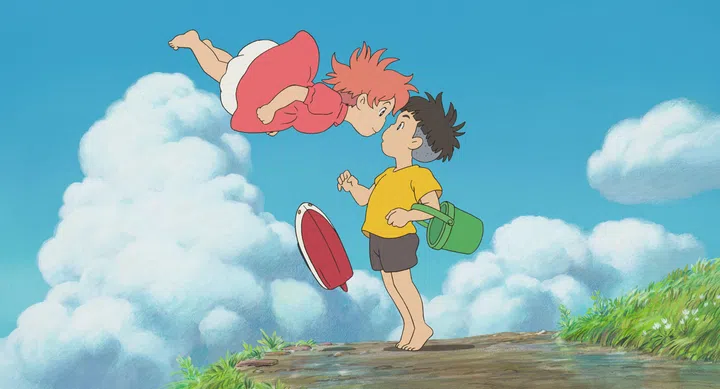
And horrified I was to see friends and family upload their photos onto ChatGPT to take part in what was, essentially, a plagiarism of Studio Ghibli’s style of animation. Image after image of couples, selfies, pets, and travel photos turned into a cheap imitation.
The last straw was when my own mother updated her WhatsApp profile picture — a family photo where all of us donned anime eyes, meekly smiling at the camera.
Prevalence of art plagiarism
Artists have long been exploited in a capitalistic society that values individuals based on their economic status and contributions. Fast fashion companies, such as Shein, have been caught stealing artwork from independent artists and selling it as their own. Multiple lawsuits have been filed against the big conglomerate, but due to the lack of transparency in production lines, they’ve been difficult to conclude.
Even in Singapore, plagiarism persists. Last year, illustrator Lee Xin Li’s artwork was stolen and displayed as a wall decal at Shifu Food Court in Bras Basah Complex. The kicker? Meant to be viewed virtually in a 360-degree panorama, her art was distorted when printed on a two-dimensional decal. Although the plagiarised art was taken down, no reparations were made to Lee. “In retrospect, I am disappointed in the occurrence of such incidents and how it was handled, but wasn’t surprised that (it) had taken place,” she bemoaned.
In the same year, Singaporean photographer Zhang Jingna made history when she won a lawsuit against Luxembourg-based painter Jeff Dieschburg. The latter used a photograph Zhang took of South Korean model Ji Hye Park for the November 2017 issue of Harper’s Bazaar Vietnam as a reference for his painting, which ultimately won a local competition and was exhibited at the Contemporary Art Biennale in Strassen. The verdict: Dieschburg is no longer allowed to display the painting in public or risk getting fined.
While legal advice is available at IPOS (Intellectual Property of Singapore), as recommended by the National Arts Council for copyright infringement conflicts, it does seem that most of the legal framework is meant to safeguard commercial IPs more than independent artists, leaving them to fend for themselves.
Underpaid and unappreciated
On a CNA Insider: On the Red Dot segment in July last year, host Rozz Lee asked Nathania Ong, the first Singaporean to make it onto Broadway in London, if she would return to the country for good. She answered in the nicest way possible that theatre isn’t something that’s ingrained into the cultural practice here. In other words, an artist as a career isn’t given the same respect as it is here as abroad.

It brings to mind a survey conducted by The Straits Times and Milieu Insight in 2020, at the height of the pandemic, on what Singaporeans deemed essential workers. In first place on the top five non-essential jobs was “artists”, voted by 71 per cent of participants. The infographic included an avatar with a moustache, scarf, and beret — a gross stereotype of an artist, but perhaps a telling caricature of the population’s perspective.
Art is around us everywhere and is what we consume daily. From the countless posters you encounter along the way to work or the music that plays in the background at the bar, you’re enjoying the fruits of an artist’s labour. And yet, the occupation is one of the most underpaid and undervalued jobs, as reported in a 2023 survey done in America by ArtTable.
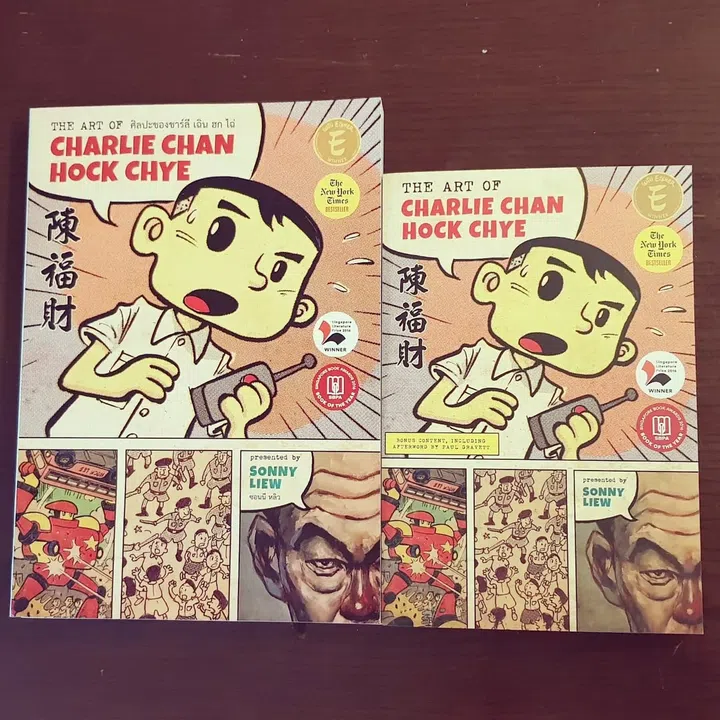
Add to that the strict censorship rules in Singapore, and one can imagine how stifling the climate is for creativity. Most notably, the National Arts Council pulled its funding for the graphic novel, The Art of Charlie Chan Hock Chye, written and illustrated by Malaysia-born local artist Sonny Liew, in 2015 due to “sensitive content”. The novel went on to bag three Eisner Awards, the equivalent of the Oscars in the graphic novel industry.
Playwright Alfian Sa’at’s 2024 performance titled “The Death Of Singapore Theatre As Scripted By The Infocomm Media Development Authority Of Singapore” expressed his frustrations at the intentionally vague and opaque processes of censorship bodies. Encapsulating how artists, who must navigate around “sensitivities” to secure funding or publication, feel, and giving audiences an insight into how it fosters self-censorship.
It’s a stark contrast to the way paintings such as the Mona Lisa or monuments like Gaudi’s Basilica de la Sagrada Familia are revered by millions of tourists who pay them a pilgrimage. Shouldn’t the small-time independent artist deserve a fraction of the appreciation?
A revolutionary act
The backbone of culture, art in all its forms, is akin to a living organism that reacts to the zeitgeist, offering commentary on the struggles of everyday life and providing a window into the shared human experience. In times of anguish, art can console, and in times of fear, it can comfort. And in the face of destruction and war, such as the present times, uplift and embolden.
I fear that in our blinkered quest for economic progress, we’ve forgotten the importance of art. Creating art, which has been proven to lower cortisol levels in adults in a 2016 study, has taken a backseat save for those few months of pandemic lockdown.
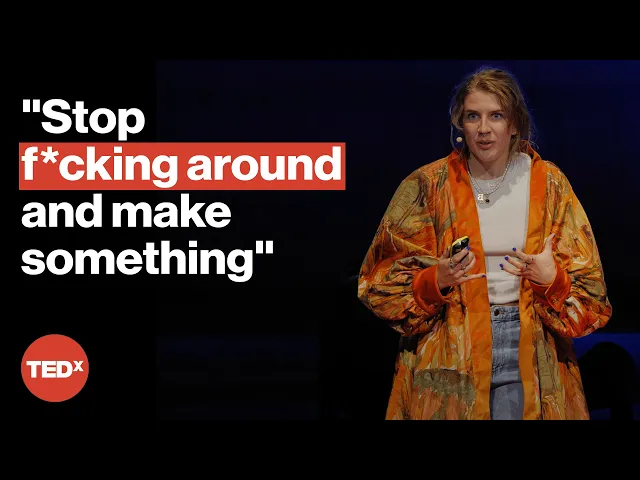
As creative coach Aime McNee espouses in her TEDx Talk two months earlier: In an age where corporations are fighting for your attention through screens, it’s a revolutionary act to step away from your phone and spend time painting, dancing, making music, sculpting or writing. Not all doing has to be economically productive.
Besides, getting in touch with your creativity would not only make you feel better but also help deepen your appreciation for what other artists do to make the world a kinder, more colourful place. As we tether on the cusp of a possible third World War, it is worth paying heed to what Holocaust survivor and author Ernest Levy once said, “Man will begin to recover the moment he takes art as seriously as physics, chemistry, or money.”