%22%3E%0A%3Cpath%20d%3D%22M412%20101.2H393.7C393.1%20101.2%20392.3%20100.9%20391.8%20100.5C377.3%2087.6004%20362.9%2074.6004%20348.4%2061.6004C344.8%2058.4004%20341.3%2055.2004%20337.7%2052.0004C337.1%2051.5004%20336.2%2051.1004%20335.5%2051.0004C334.2%2050.8004%20333%2051.0004%20331.5%2051.0004V101.1H316.7V0.100391H331.4V44.3004C331.9%2044.3004%20332.2%2044.4004%20332.5%2044.4004C334.9%2044.4004%20337.2%2044.5004%20339.6%2044.4004C340.4%2044.4004%20341.3%2044.0004%20341.8%2043.5004C351.6%2034.4004%20361.4%2025.2004%20371.1%2016.0004C376.5%2010.9004%20381.9%205.90039%20387.3%200.800391C387.9%200.200391%20388.5%200.000390626%20389.3%200.000390626H400.9C384.2%2015.8004%20367.8%2031.3004%20351.2%2047.0004C371.5%2065.0004%20391.8%2082.9004%20412.1%20100.9C412.1%20101%20412.1%20101.1%20412%20101.2ZM180.9%20101.2C184.1%2094.9004%20187.2%2088.9004%20190.3%2082.8004C198.3%2067.3004%20206.2%2051.8004%20214.2%2036.2004C220.3%2024.4004%20226.4%2012.5004%20232.4%200.700391C232.7%200.100391%20233%20-0.0996094%20233.7%20-0.0996094H248.1C248.8%20-0.0996094%20249.2%200.100391%20249.6%200.800391C256%2013.3004%20262.4%2025.7004%20268.8%2038.2004C279.3%2058.6004%20289.8%2079.0004%20300.3%2099.5004C300.5%20100%20300.8%20100.4%20301.1%20101.1C300.5%20101.1%20300.1%20101.2%20299.7%20101.2H286.5C285.6%20101.2%20285.1%20100.9%20284.7%20100.2C280.1%2091.3004%20275.4%2082.4004%20270.8%2073.4004C270.1%2072.1004%20269.3%2071.6004%20267.8%2071.6004H209.9C208.7%2071.6004%20208.1%2072.0004%20207.5%2073.1004C202.9%2082.1004%20198.2%2091.0004%20193.6%20100C193.1%20101%20192.6%20101.3%20191.5%20101.3C188.4%20101.2%20185.3%20101.3%20182.3%20101.3C182%20101.2%20181.6%20101.2%20180.9%20101.2ZM239.1%2011.4004C230%2029.2004%20221.1%2046.7004%20212.1%2064.3004H266.4C257.2%2046.7004%20248.2%2029.2004%20239.1%2011.4004ZM0%200.000390626H43.4C51.2%200.000390626%2058.7%201.20039%2065.7%204.80039C75.9%2010.0004%2078.9%2018.0004%2078.6%2027.4004C78.3%2034.3004%2076%2040.5004%2071.2%2045.5004C67.3%2049.6004%2062.4%2052.3004%2057.1%2054.3004C50.6%2056.7004%2043.9%2058.0004%2037.1%2058.6004C30.1%2059.2004%2023.1%2059.4004%2016.2%2059.7004C15.8%2059.7004%2015.3%2059.8004%2014.8%2059.8004V101.1H0.1C0%2067.4004%200%2033.8004%200%200.000390626ZM14.8%207.10039V52.2004C23.7%2052.4004%2032.6%2052.3004%2041.2%2050.1004C44.4%2049.3004%2047.6%2048.2004%2050.6%2046.7004C58.4%2043.0004%2062.3%2036.7004%2062.7%2028.0004C63%2019.9004%2059.5%2014.1004%2052.4%2010.5004C47.6%208.00039%2042.5%207.10039%2037.2%207.10039H14.8ZM95.9%20101.1V0.100391H167.3V7.20039H110.7V44.7004H158.1V51.9004H110.8V93.9004H171.1V101C146.1%20101.1%20121%20101.1%2095.9%20101.1Z%22%20fill%3D%22black%22%2F%3E%0A%3Cpath%20d%3D%22M35.0004%2025.7996H42.5004V20.6996H44.8004V33.1996H42.6004V27.5996H34.9004V33.2996H32.7004V20.7996H35.0004V25.7996ZM54.4004%2025.8996V27.2996H48.9004V31.6996H55.9004C55.9004%2032.1996%2056.0004%2032.5996%2056.0004%2033.0996H46.5004V20.5996H55.5004V21.8996H49.0004V25.7996C50.7004%2025.8996%2052.5004%2025.8996%2054.4004%2025.8996ZM25.9004%2033.0996H23.5004V21.9996H17.9004V20.6996H31.6004V22.0996H27.1004C26.2004%2022.0996%2025.9004%2022.2996%2025.9004%2023.1996C26.0004%2026.0996%2025.9004%2028.9996%2025.9004%2031.7996V33.0996Z%22%20fill%3D%22black%22%2F%3E%0A%3C%2Fg%3E%0A%3Cdefs%3E%0A%3CclipPath%20id%3D%22clip0_388_462%22%3E%0A%3Crect%20width%3D%22411%22%20height%3D%22101.2%22%20fill%3D%22white%22%2F%3E%0A%3C%2FclipPath%3E%0A%3C%2Fdefs%3E%0A%3C%2Fsvg%3E%0A)
Beyond Hokkaido: Why Furano in May is the Japan trip you should plan for
Most Singaporeans know Hokkaido. But have you gone two hours farther to Furano in its shoulder season? That’s when, we discovered, the place is at its most unhurried and most itself.
By Zawani Abdul Ghani /
Share this article
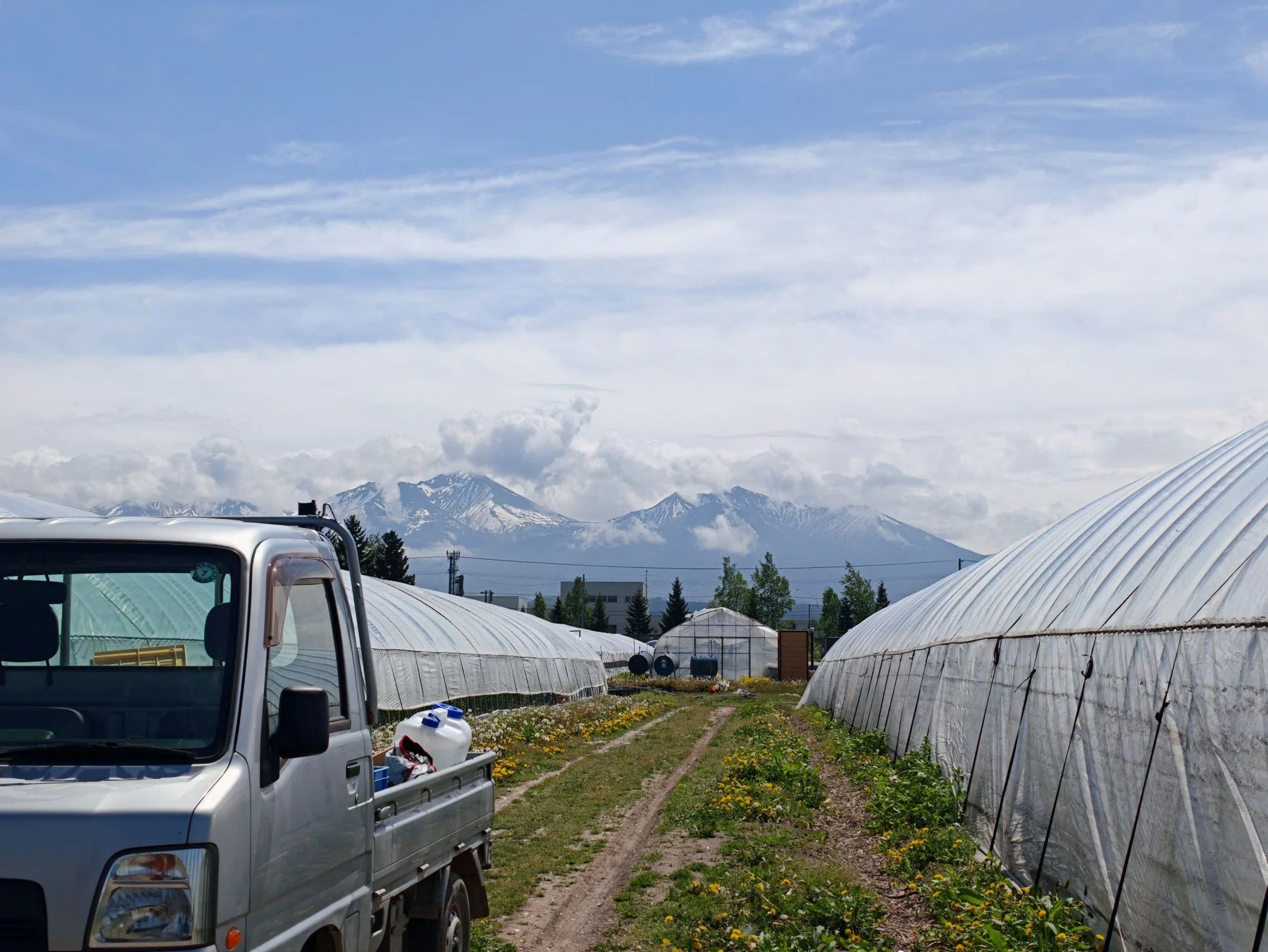
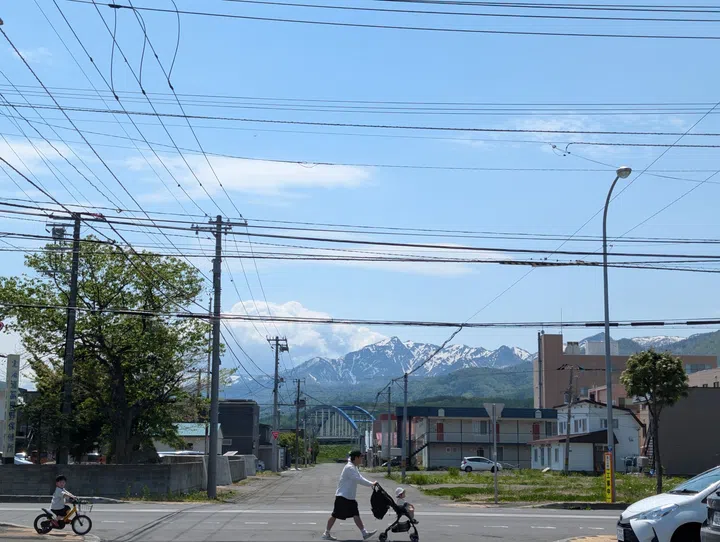
Two hours from Sapporo, the buildings run out. What replaces them — open farmland, big sky, mountains that feel closer than they should — is the first sign that Furano operates by different rules.
By the time NOZO Hotel appears in Furano’s Kitanomine area, the Tokachidake mountain range already feels close enough to be personal.
From this ground
The version of Furano that most people carry in their heads is a July one — Farm Tomita’s lavender fields in full purple bloom, the tour buses, the photos that look almost too composed to be real. May is an entirely different read, and its strongest argument isn’t visual. It’s edible.
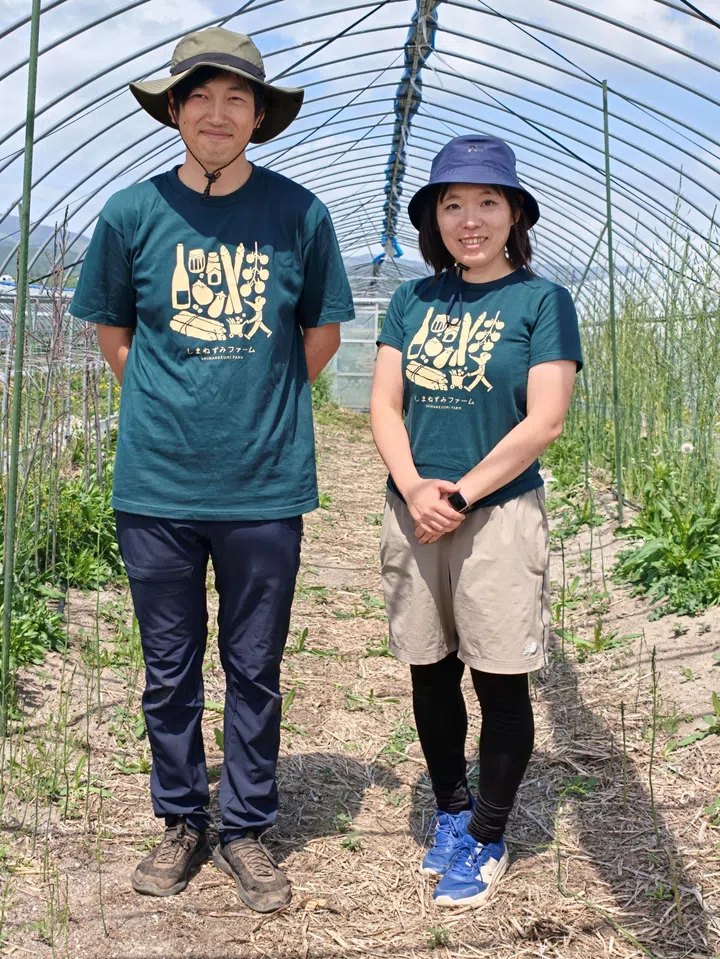
At Shimanezumi Asparagus Farm, the owners explain their harvest with the kind of unhurried pride that tells you this is not produce grown for volume. What feeds these fields is pure snowmelt from the Tokachidake range — mineral-rich water that gives the asparagus a notably fresh, almost delicate taste.
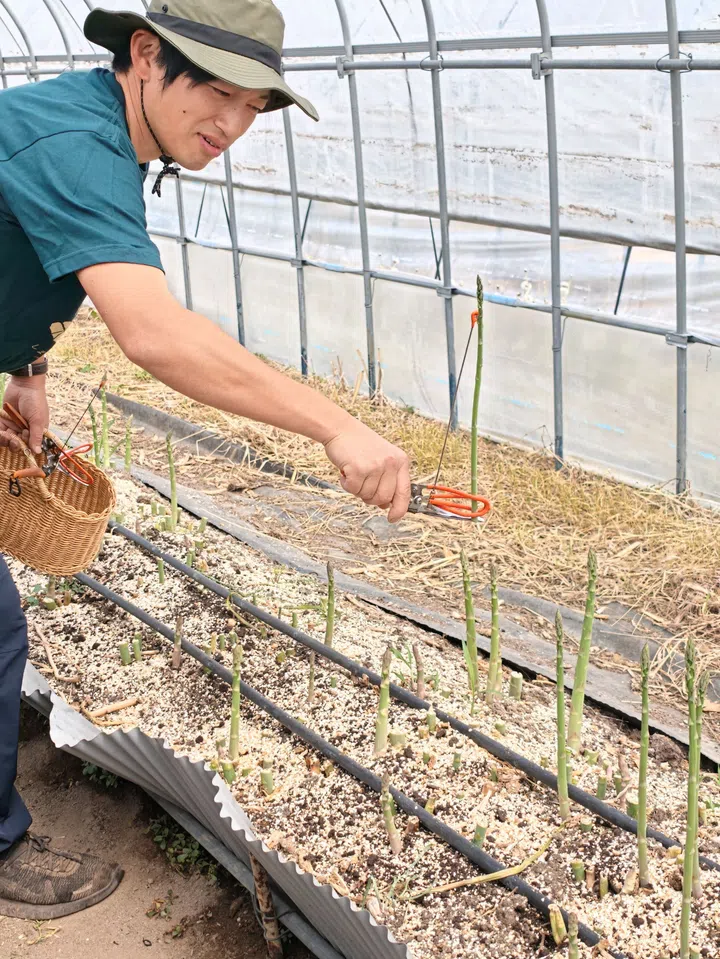
The same plot yields two distinct expressions: the green Furano Larme, sun-grown and vibrant; and the white Furano Blanche, cultivated in complete darkness for a sweeter, near-bitterness-free flavour. Same plant, same soil, two entirely different characters shaped by how they meet — or don’t meet — the light.
Overnight, starch stored in the roots converts to sugar, which is why harvest happens at dawn.
This relationship between land and produce follows you everywhere in Furano. At Biei Farm, Jersey and Brown Swiss cows graze across rolling hills with the kind of composure that makes you feel slightly judgemental of your own schedule.
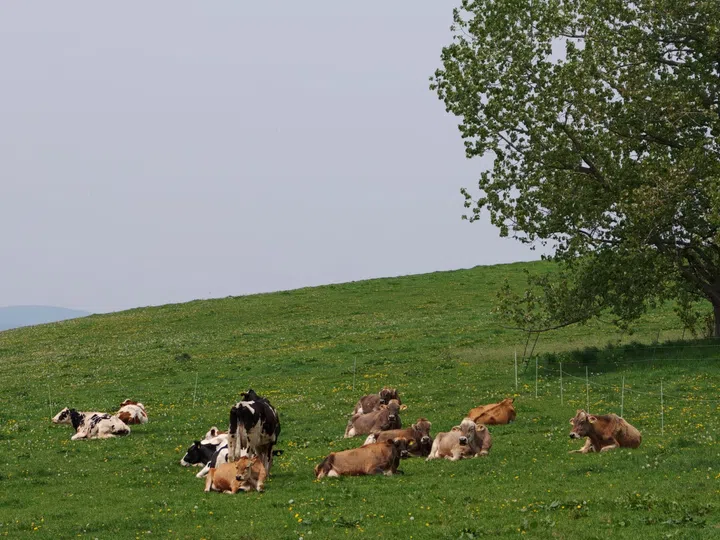
The dairy and sweets tasting is unassuming — small portions, fresh flavours — but it lands the way very honest food tends to: with sheer comfort.
At Furano Winery, founded in 1972 and producing exclusively from locally grown grapes, the same logic applies to what’s in the glass. The Chateau Furano 2023 — clean, citrus-edged, refreshingly crisp — tastes the way it does because of volcanic ash soil, long snowy winters, and dramatic temperature swings between day and night.
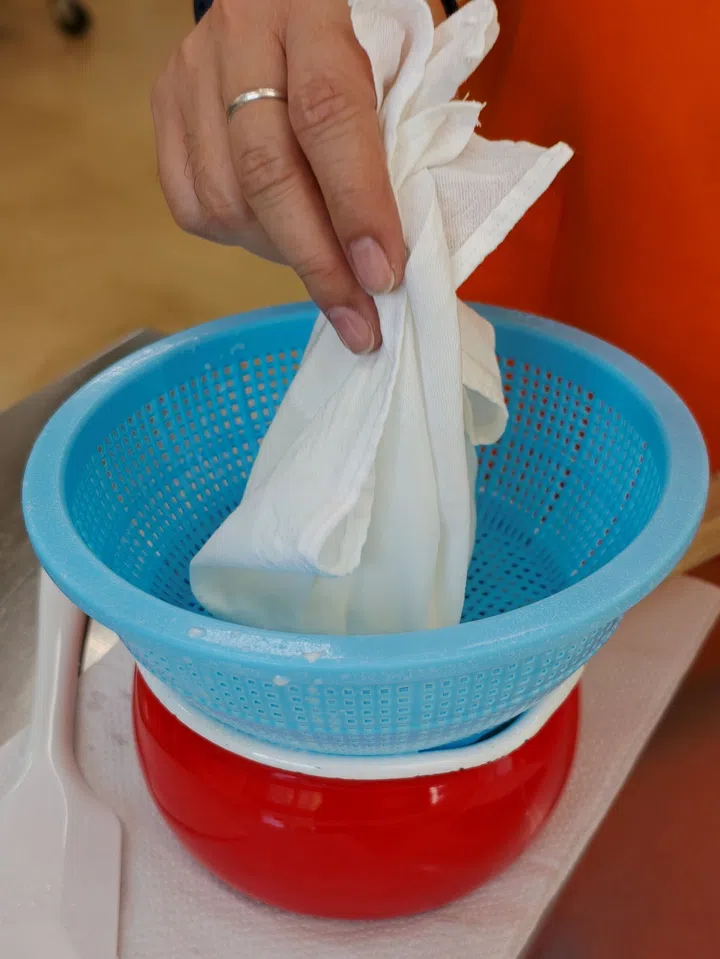
The hands-on experiences at Furano Cheese Factory and Kyohsai Farm drove this home most literally — making mascarpone from local milk, stirring strawberry jam from fruit grown metres away. There’s admittedly no theatre to the process, but both left an impression that lingers longer than a meal you were simply served.
The slower corners
If the first half of a Furano trip is about understanding what the land produces, the second is about learning to move at its pace.
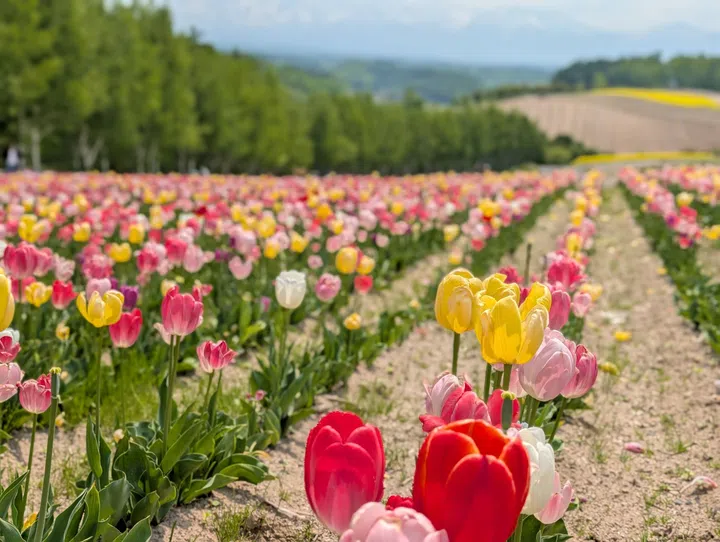
Shikisai-no-oka, the panoramic flower hill about 40 minutes from Furano proper, makes that shift naturally. In May, the landscape is mid-bloom — tulips in loose rows, wildflowers doing their own thing across the slopes.
There are visitors, but there is also space between them. Room to actually stand somewhere and look, rather than negotiate your sightline around someone else’s camera. It’s a small distinction that ends up meaning quite a lot.
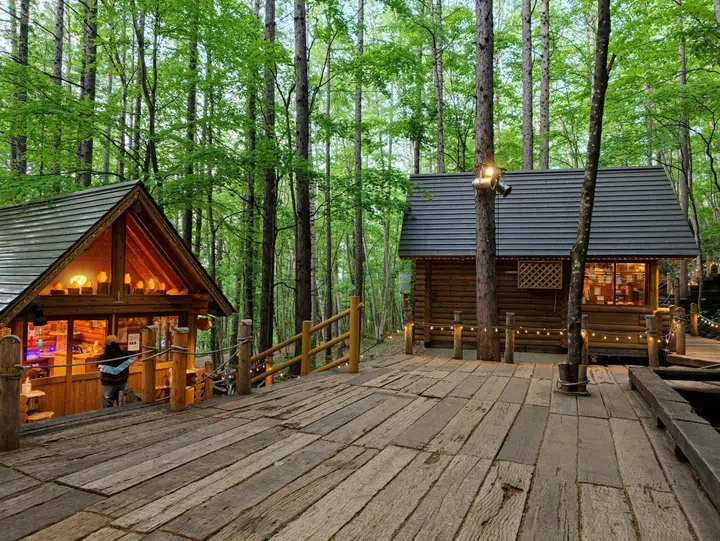
Ningle Terrace, tucked into the treeline a short drive away, was the experience I least expected to stay with me. A cluster of timber cottages, each housing a local artist or craftsperson working alongside their wares — woodwork, textiles, glassware, things made by hand and without hurry.
The makers are present, which changes the dynamic entirely. You’re not merely picking up a souvenir; you’re briefly in conversation with someone about what they make and why, conducted mostly through the objects themselves. It fits, somehow, with everything else Furano had been showing me — a place where the effort behind things is considered worth knowing about.
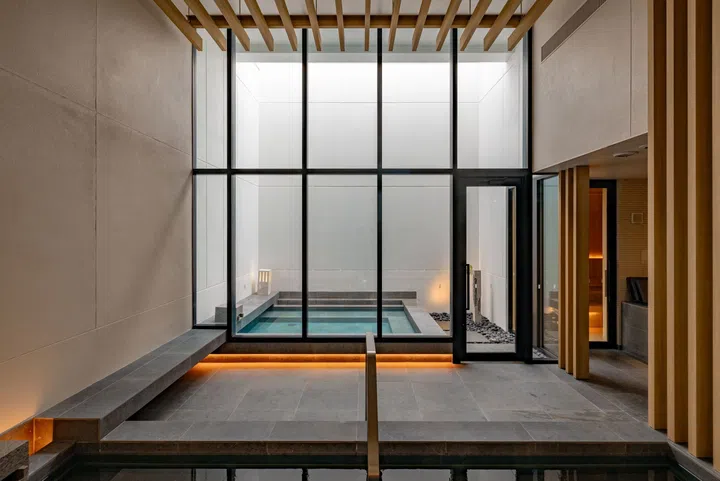
And then, each evening, I returned to NOZO. The onsen, with its outdoor hot baths and natural skylights, became less of an amenity and more of a quiet luxury at the end of a day spent mostly outdoors — a long exhale after hours of walking fields and treelines.
The hotel’s gift shop stocks lavender products and local produce, and the cafe’s soft serve, made from Furano dairy, easily becomes a sneaky daily ritual.
At your own pace
Furano isn’t the most straightforward to get to, and I suspect that’s part of what keeps it grounded. The travellers who end up here — past Sapporo, past the obvious itinerary — tend to be the ones who’ve done Japan enough times to know that the best version of it rarely sits on the surface.
May sweetens the deal: same sweeping landscapes, same farm-fresh food, same mineral-rich onsen at the end of the day, but with the benefit of breathing room before the summer crowds descend.
Here, patience really is a virtue. And if you practise it, you’ll reap the rewards — quite literally.