%22%3E%0A%3Cpath%20d%3D%22M412%20101.2H393.7C393.1%20101.2%20392.3%20100.9%20391.8%20100.5C377.3%2087.6004%20362.9%2074.6004%20348.4%2061.6004C344.8%2058.4004%20341.3%2055.2004%20337.7%2052.0004C337.1%2051.5004%20336.2%2051.1004%20335.5%2051.0004C334.2%2050.8004%20333%2051.0004%20331.5%2051.0004V101.1H316.7V0.100391H331.4V44.3004C331.9%2044.3004%20332.2%2044.4004%20332.5%2044.4004C334.9%2044.4004%20337.2%2044.5004%20339.6%2044.4004C340.4%2044.4004%20341.3%2044.0004%20341.8%2043.5004C351.6%2034.4004%20361.4%2025.2004%20371.1%2016.0004C376.5%2010.9004%20381.9%205.90039%20387.3%200.800391C387.9%200.200391%20388.5%200.000390626%20389.3%200.000390626H400.9C384.2%2015.8004%20367.8%2031.3004%20351.2%2047.0004C371.5%2065.0004%20391.8%2082.9004%20412.1%20100.9C412.1%20101%20412.1%20101.1%20412%20101.2ZM180.9%20101.2C184.1%2094.9004%20187.2%2088.9004%20190.3%2082.8004C198.3%2067.3004%20206.2%2051.8004%20214.2%2036.2004C220.3%2024.4004%20226.4%2012.5004%20232.4%200.700391C232.7%200.100391%20233%20-0.0996094%20233.7%20-0.0996094H248.1C248.8%20-0.0996094%20249.2%200.100391%20249.6%200.800391C256%2013.3004%20262.4%2025.7004%20268.8%2038.2004C279.3%2058.6004%20289.8%2079.0004%20300.3%2099.5004C300.5%20100%20300.8%20100.4%20301.1%20101.1C300.5%20101.1%20300.1%20101.2%20299.7%20101.2H286.5C285.6%20101.2%20285.1%20100.9%20284.7%20100.2C280.1%2091.3004%20275.4%2082.4004%20270.8%2073.4004C270.1%2072.1004%20269.3%2071.6004%20267.8%2071.6004H209.9C208.7%2071.6004%20208.1%2072.0004%20207.5%2073.1004C202.9%2082.1004%20198.2%2091.0004%20193.6%20100C193.1%20101%20192.6%20101.3%20191.5%20101.3C188.4%20101.2%20185.3%20101.3%20182.3%20101.3C182%20101.2%20181.6%20101.2%20180.9%20101.2ZM239.1%2011.4004C230%2029.2004%20221.1%2046.7004%20212.1%2064.3004H266.4C257.2%2046.7004%20248.2%2029.2004%20239.1%2011.4004ZM0%200.000390626H43.4C51.2%200.000390626%2058.7%201.20039%2065.7%204.80039C75.9%2010.0004%2078.9%2018.0004%2078.6%2027.4004C78.3%2034.3004%2076%2040.5004%2071.2%2045.5004C67.3%2049.6004%2062.4%2052.3004%2057.1%2054.3004C50.6%2056.7004%2043.9%2058.0004%2037.1%2058.6004C30.1%2059.2004%2023.1%2059.4004%2016.2%2059.7004C15.8%2059.7004%2015.3%2059.8004%2014.8%2059.8004V101.1H0.1C0%2067.4004%200%2033.8004%200%200.000390626ZM14.8%207.10039V52.2004C23.7%2052.4004%2032.6%2052.3004%2041.2%2050.1004C44.4%2049.3004%2047.6%2048.2004%2050.6%2046.7004C58.4%2043.0004%2062.3%2036.7004%2062.7%2028.0004C63%2019.9004%2059.5%2014.1004%2052.4%2010.5004C47.6%208.00039%2042.5%207.10039%2037.2%207.10039H14.8ZM95.9%20101.1V0.100391H167.3V7.20039H110.7V44.7004H158.1V51.9004H110.8V93.9004H171.1V101C146.1%20101.1%20121%20101.1%2095.9%20101.1Z%22%20fill%3D%22black%22%2F%3E%0A%3Cpath%20d%3D%22M35.0004%2025.7996H42.5004V20.6996H44.8004V33.1996H42.6004V27.5996H34.9004V33.2996H32.7004V20.7996H35.0004V25.7996ZM54.4004%2025.8996V27.2996H48.9004V31.6996H55.9004C55.9004%2032.1996%2056.0004%2032.5996%2056.0004%2033.0996H46.5004V20.5996H55.5004V21.8996H49.0004V25.7996C50.7004%2025.8996%2052.5004%2025.8996%2054.4004%2025.8996ZM25.9004%2033.0996H23.5004V21.9996H17.9004V20.6996H31.6004V22.0996H27.1004C26.2004%2022.0996%2025.9004%2022.2996%2025.9004%2023.1996C26.0004%2026.0996%2025.9004%2028.9996%2025.9004%2031.7996V33.0996Z%22%20fill%3D%22black%22%2F%3E%0A%3C%2Fg%3E%0A%3Cdefs%3E%0A%3CclipPath%20id%3D%22clip0_388_462%22%3E%0A%3Crect%20width%3D%22411%22%20height%3D%22101.2%22%20fill%3D%22white%22%2F%3E%0A%3C%2FclipPath%3E%0A%3C%2Fdefs%3E%0A%3C%2Fsvg%3E%0A)
The Buying Guide: A first-timer’s guide to collecting Southeast Asian contemporary art
With Southeast Asian contemporary art attracting worldwide attention and prices still accessible, here are tips on how to buy well, early, and with conviction.
By Y-Jean Mun-Delsalle /
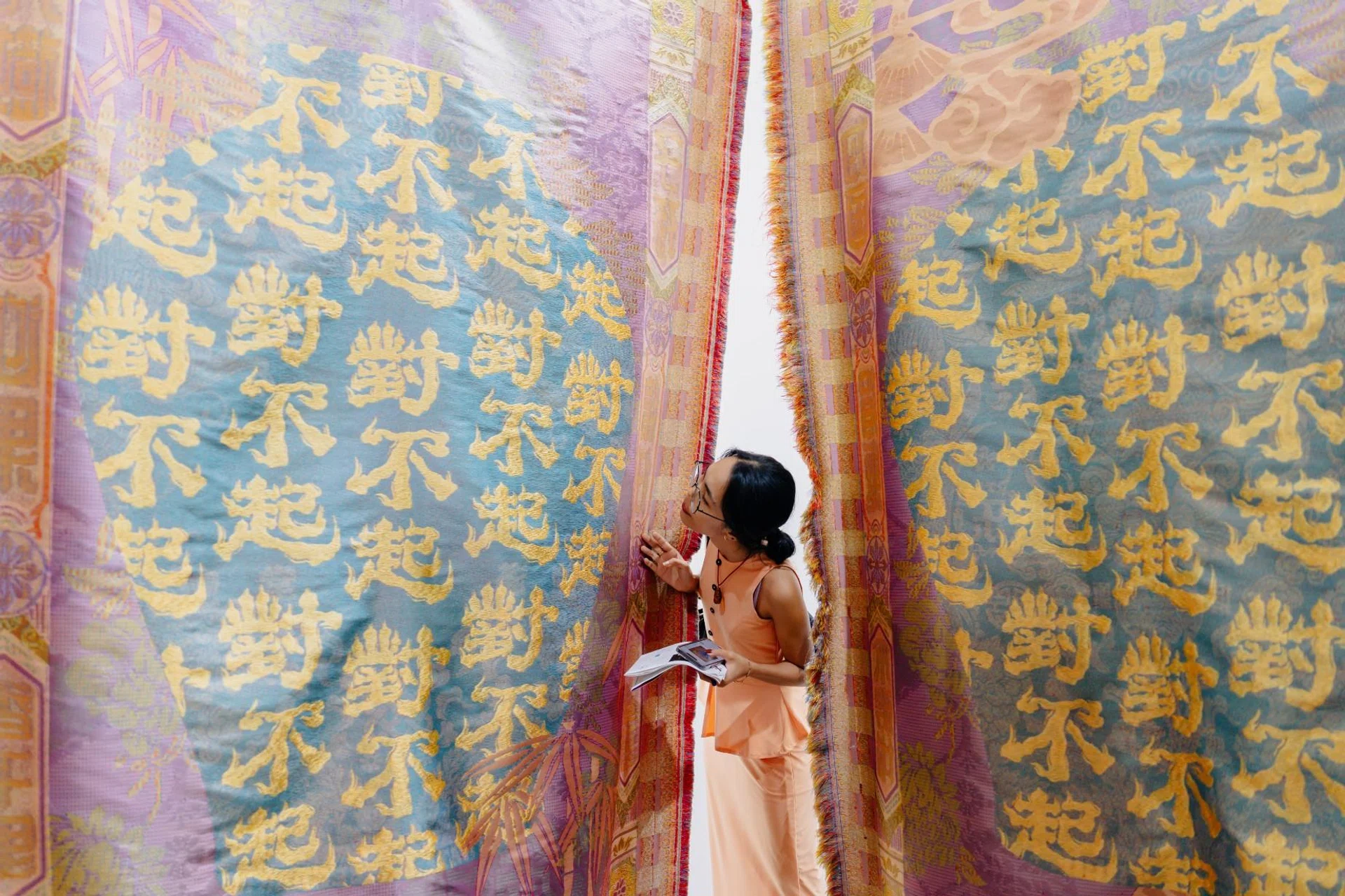
Share this article
Southeast Asian contemporary art is having a moment — quietly, confidently and with growing international resonance. The region is producing work that is visually compelling, intellectually rigorous, and deeply rooted in lived experience.
Crucially for first-time collectors, prices remain reasonable. In a global art market where entry points are increasingly out of reach, Southeast Asia offers a rare window: internationally recognised talent, still-affordable works, and the chance to buy meaningfully before wider attention drives prices higher.
As platforms such as ART SG, Southeast Asia’s leading contemporary art fair, and S.E.A. Focus cement Singapore’s role as the region’s cultural gateway, now is an unusually opportune moment to start collecting. Here’s how to start — guided by Shuyin Yang, fair director of ART SG.
Why Southeast Asia and why now?

The appeal lies in both substance and timing. “Asia’s potential is immense,” says Yang, noting the region’s distinct characteristics and strengths. While institutional recognition is accelerating, the market is “still on the rise” — a dynamic collectors rarely encounter in more mature art centres.
It’s also a matter of “directly supporting the region’s artistic ecosystem, enabling local artists to gain visibility alongside their international counterparts,” she points out.
Importantly, collecting here is not trend-chasing. It is about supporting practices shaped by history, politics, craft, and rapid urban change — stories that resonate far beyond the region.
How to discover your taste
“Art appreciation,” Yang reminds us, “is democratic and for everyone.” Start by seeing as much as possible — without pressure to buy. Train your eye by noticing what repeatedly draws you in: certain materials, themes, scales, or emotional tones.
Curated environments accelerate this process. “ART SG provides a space where fair-goers can explore broadly while trusting the overall quality,” she adds — ideal for first-time collectors still finding their footing.
How to approach an art fair
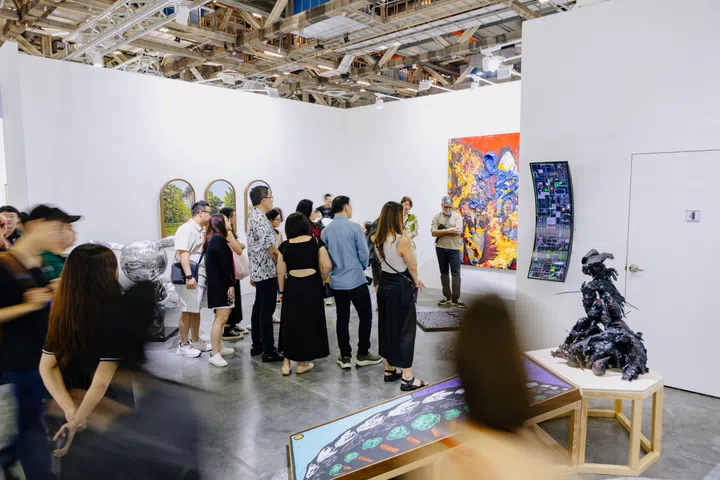
Think of an art fair as research, not retail. “ART SG was designed to be accessible to all audiences”, including first-time buyers. Walk the fair once without stopping. On the second pass, engage.
Reflection before making a decision is encouraged, and galleries are open to follow-up discussions beyond the fair.
What to ask before buying
Ask about more than just the price. Inquire about the artist’s trajectory, how the work fits into their practice, and how it relates to local or regional narratives.
“Remember that galleries serve as custodians of an artist’s future,” states Yang. Their long-term strategy for supporting an artist’s career growth matters.
“Many first-timers believe they need specialised knowledge,” Yang observes. “They don’t. The art world rewards curiosity, not credentials. Don’t feel self-conscious and don’t be afraid to ask questions.”
These conversations turn a purchase into a relationship.
Reading the signals of quality
Provenance, exhibition history and gallery representation matter. “These factors establish a benchmark of quality,” Yang notes. Museum exhibitions, biennale, and fair participation signal curatorial confidence.
Showing at a major fair like ART SG can be transformative for young artists, placing them on the radar of international institutions and collectors, while validating their market trajectory.
Equally revealing is the presentation. “A thoughtfully curated booth reflects a gallery’s commitment to representing an artist’s practice holistically rather than simply selling works,” she shares — an often-overlooked but critical cue.
How much to spend and on what
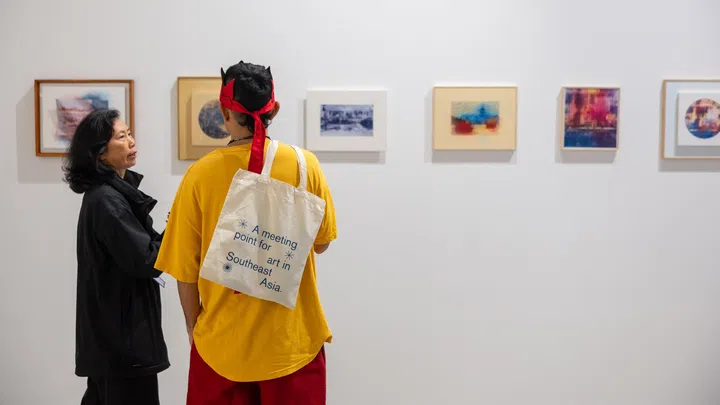
Emerging artists remain accessible, particularly through works on paper, photography, and editions — formats that offer conceptual strength without inflated prices — while blue-chip names will cost significantly more.
Budget conservatively. “Buy what genuinely moves you rather than stretching beyond your comfort zone,” Yang advises. “Allow your collection to grow organically as your knowledge and passion deepen.” Collections built slowly tend to endure.
Heart versus investment
Lead with emotion. “The balance should always tip toward personal connection,” asserts Yang. “Acquisition decisions should feel like a couple falling in love.” When a work resonates, it becomes part of your daily life — not just your portfolio.
She adds to “buy what you love, and the rest tends to follow”, including long-term value.
Galleries to look out for
STPI
A leading institution in the region, STPI is globally recognised for its experimental focus on print and paper — working with Singaporean Cultural Medallion recipients Amanda Heng and Han Sai Por — while founding S.E.A. Focus and debuting The Print Show & Symposium Singapore during Singapore Art Week 2026, a new platform bringing together major names such as Louise Bourgeois, Yayoi Kusama, and Rirkrit Tiravanija.
Yeo Workshop
Founded in 2013 by Audrey Yeo, president of Art Galleries Association Singapore, Yeo Workshop is distinguished by its deeply collaborative, research-driven approach to Southeast Asian contemporary art — championing artists such as Citra Sasmita and Solamalay Namasivayam — and by its commitment to shaping regional discourse through cross-disciplinary practices, international partnerships, and sustained engagement with the global art world.
Ames Yavuz
Opening in Singapore in 2010 before expanding to Sydney and London, Ames Yavuz is distinguished by its rigorously curated, research-driven programme, representing influential contemporary artists such as Alvin Ong, Jason Wee, Alfredo & Isabel Aquilizan, and Pinaree Sanpitak, whose multidisciplinary practices engage critically with history, identity and the pressing social questions of our time.
Richard Koh Fine Art
Established in 2005 with spaces in Singapore and Bangkok, Richard Koh Fine Art is known for nurturing understated yet promising Southeast Asian practices — representing artists such as Justin Lim, Ruben Pang, and Samuel Xun — and advancing them through thoughtful exhibitions, publications, and cross-border collaborations that deepen regional and intercultural dialogue.
Warin Lab Contemporary
This younger Bangkok-based gallery represents artists such as Robert Zhao Renhui, Nakrob Moonmanas, Imhathai Suwatthanasilp, and Ari Bayuaji, whose focus on environmental issues and material experimentation reflects where contemporary practice is heading.