%22%3E%0A%3Cpath%20d%3D%22M412%20101.2H393.7C393.1%20101.2%20392.3%20100.9%20391.8%20100.5C377.3%2087.6004%20362.9%2074.6004%20348.4%2061.6004C344.8%2058.4004%20341.3%2055.2004%20337.7%2052.0004C337.1%2051.5004%20336.2%2051.1004%20335.5%2051.0004C334.2%2050.8004%20333%2051.0004%20331.5%2051.0004V101.1H316.7V0.100391H331.4V44.3004C331.9%2044.3004%20332.2%2044.4004%20332.5%2044.4004C334.9%2044.4004%20337.2%2044.5004%20339.6%2044.4004C340.4%2044.4004%20341.3%2044.0004%20341.8%2043.5004C351.6%2034.4004%20361.4%2025.2004%20371.1%2016.0004C376.5%2010.9004%20381.9%205.90039%20387.3%200.800391C387.9%200.200391%20388.5%200.000390626%20389.3%200.000390626H400.9C384.2%2015.8004%20367.8%2031.3004%20351.2%2047.0004C371.5%2065.0004%20391.8%2082.9004%20412.1%20100.9C412.1%20101%20412.1%20101.1%20412%20101.2ZM180.9%20101.2C184.1%2094.9004%20187.2%2088.9004%20190.3%2082.8004C198.3%2067.3004%20206.2%2051.8004%20214.2%2036.2004C220.3%2024.4004%20226.4%2012.5004%20232.4%200.700391C232.7%200.100391%20233%20-0.0996094%20233.7%20-0.0996094H248.1C248.8%20-0.0996094%20249.2%200.100391%20249.6%200.800391C256%2013.3004%20262.4%2025.7004%20268.8%2038.2004C279.3%2058.6004%20289.8%2079.0004%20300.3%2099.5004C300.5%20100%20300.8%20100.4%20301.1%20101.1C300.5%20101.1%20300.1%20101.2%20299.7%20101.2H286.5C285.6%20101.2%20285.1%20100.9%20284.7%20100.2C280.1%2091.3004%20275.4%2082.4004%20270.8%2073.4004C270.1%2072.1004%20269.3%2071.6004%20267.8%2071.6004H209.9C208.7%2071.6004%20208.1%2072.0004%20207.5%2073.1004C202.9%2082.1004%20198.2%2091.0004%20193.6%20100C193.1%20101%20192.6%20101.3%20191.5%20101.3C188.4%20101.2%20185.3%20101.3%20182.3%20101.3C182%20101.2%20181.6%20101.2%20180.9%20101.2ZM239.1%2011.4004C230%2029.2004%20221.1%2046.7004%20212.1%2064.3004H266.4C257.2%2046.7004%20248.2%2029.2004%20239.1%2011.4004ZM0%200.000390626H43.4C51.2%200.000390626%2058.7%201.20039%2065.7%204.80039C75.9%2010.0004%2078.9%2018.0004%2078.6%2027.4004C78.3%2034.3004%2076%2040.5004%2071.2%2045.5004C67.3%2049.6004%2062.4%2052.3004%2057.1%2054.3004C50.6%2056.7004%2043.9%2058.0004%2037.1%2058.6004C30.1%2059.2004%2023.1%2059.4004%2016.2%2059.7004C15.8%2059.7004%2015.3%2059.8004%2014.8%2059.8004V101.1H0.1C0%2067.4004%200%2033.8004%200%200.000390626ZM14.8%207.10039V52.2004C23.7%2052.4004%2032.6%2052.3004%2041.2%2050.1004C44.4%2049.3004%2047.6%2048.2004%2050.6%2046.7004C58.4%2043.0004%2062.3%2036.7004%2062.7%2028.0004C63%2019.9004%2059.5%2014.1004%2052.4%2010.5004C47.6%208.00039%2042.5%207.10039%2037.2%207.10039H14.8ZM95.9%20101.1V0.100391H167.3V7.20039H110.7V44.7004H158.1V51.9004H110.8V93.9004H171.1V101C146.1%20101.1%20121%20101.1%2095.9%20101.1Z%22%20fill%3D%22black%22%2F%3E%0A%3Cpath%20d%3D%22M35.0004%2025.7996H42.5004V20.6996H44.8004V33.1996H42.6004V27.5996H34.9004V33.2996H32.7004V20.7996H35.0004V25.7996ZM54.4004%2025.8996V27.2996H48.9004V31.6996H55.9004C55.9004%2032.1996%2056.0004%2032.5996%2056.0004%2033.0996H46.5004V20.5996H55.5004V21.8996H49.0004V25.7996C50.7004%2025.8996%2052.5004%2025.8996%2054.4004%2025.8996ZM25.9004%2033.0996H23.5004V21.9996H17.9004V20.6996H31.6004V22.0996H27.1004C26.2004%2022.0996%2025.9004%2022.2996%2025.9004%2023.1996C26.0004%2026.0996%2025.9004%2028.9996%2025.9004%2031.7996V33.0996Z%22%20fill%3D%22black%22%2F%3E%0A%3C%2Fg%3E%0A%3Cdefs%3E%0A%3CclipPath%20id%3D%22clip0_388_462%22%3E%0A%3Crect%20width%3D%22411%22%20height%3D%22101.2%22%20fill%3D%22white%22%2F%3E%0A%3C%2FclipPath%3E%0A%3C%2Fdefs%3E%0A%3C%2Fsvg%3E%0A)
“Good architecture is for regular people,” says architect Dong Gong, on design
Part of a generation that has created a design language unique to China, the founder of Vector Architects wants you to feel something when you visit his buildings.
By Luo Jingmei /
Share this article
Dong Gong is one of China’s most progressive architects today. Interestingly, the founder of award-winning firm Vector Architects, who came to Singapore to speak at ArchiFest 2024, shares that it was his parents who forged his architecture journey.
While they were not from the creative industry — his father taught hydraulic engineering and his mother, chemistry — it was the former who chose Dong’s university course.
“That was kind of normal at that time. My father told me I had to attend Tsinghua University because it was the top school in China. But he thought I was not smart enough to practice physics or other very science-based departments, so he suggested architecture, which is kind of in between science, engineering, and art — something I could deal with,” Dong laughs.
Today, the 53-year-old’s impressive oeuvre includes houses, a school, a library, hotels and museums. These have been compiled into a new tome, published by Rizzoli and released in October 2024. Vector Architects: Dong Gong and the Art of Building presents 20 valuable case studies of meaningful design.
Falling in love with the intangible
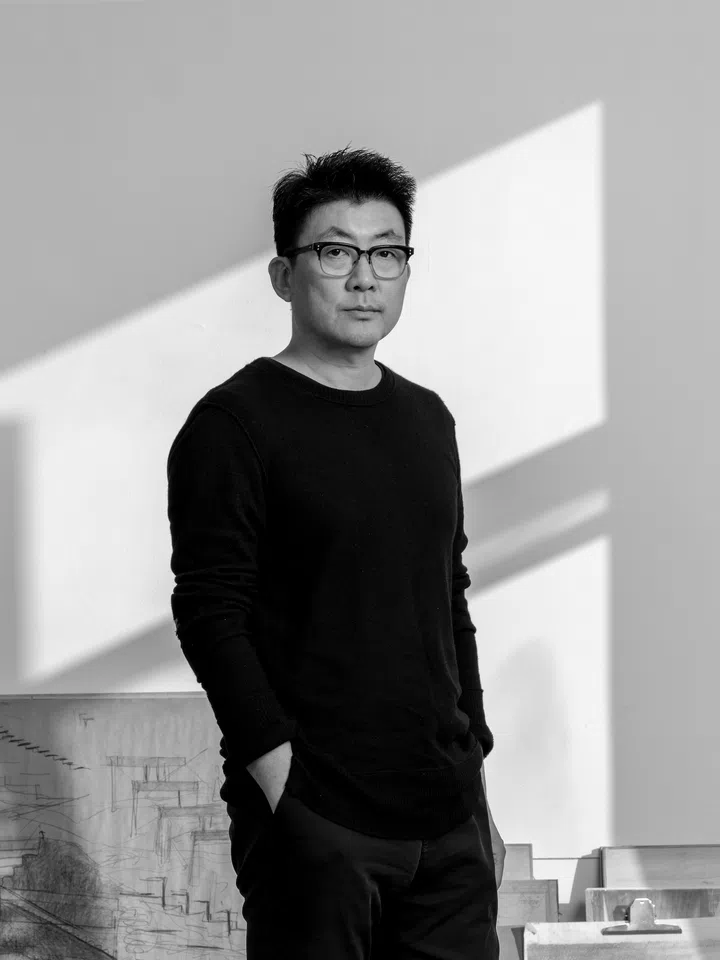
Initially, not knowing anything about the profession before university, Dong eventually saw it as a window to “a broader view of what the world is about”. He furthered his studies at the University of Illinois Urbana-Champaign, where one particular professor was instrumental in shaping his architectural ethos.
This was Henry Plummer, a photographer who had studied light with the famous Hungarian photographer and art theorist György Kepes.

“He had a very profound understanding of architecture, especially light, materials, atmosphere and the spiritual grounds in architecture,” says Dong. “He really opened my eyes because before that, architecture for me was always about programming, form, et cetera — everything you could tell with your eyes. But from then on, I started to think about architecture as something intangible, like the changing nuances caused by sunlight.”
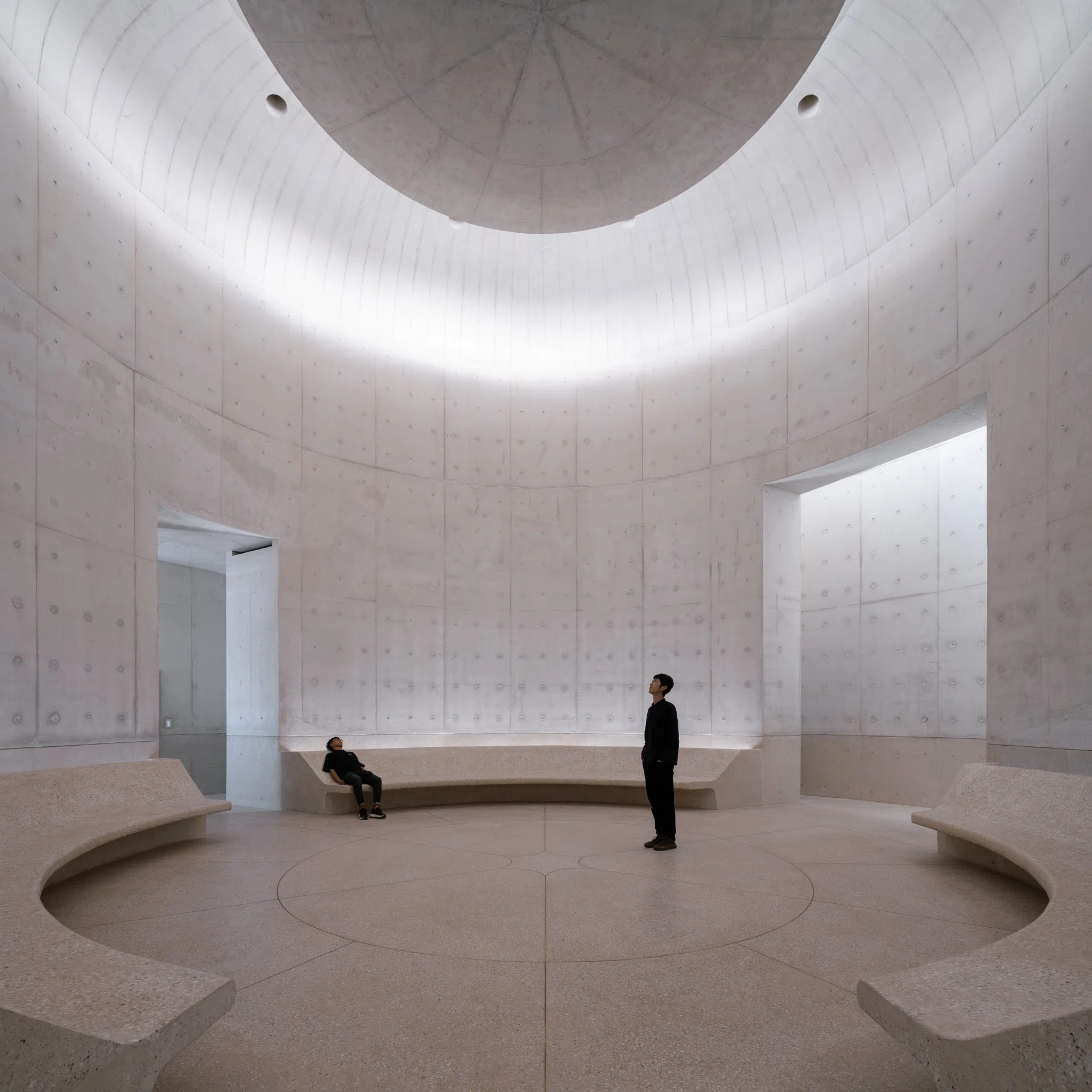
In Dong’s architecture, light shapes volumes into sculptures and shadows are as evocative as the surfaces they fall on. Materials are simple but never banally expressed.
Thus, his buildings and spaces are best understood when visited rather than only through photographs, although they also make for a compelling visual spectacle.
An emotional experience
Dubbed “China’s most beautiful library”, the two-storey Seashore Library on Naidaihe beach blocks out the rest of the world with concrete walls and faces the East China Sea. (Photo: Xia Zhi, Vector Architects)
His intention is not to make “fancy forms” for the sake of it, but to stir emotion in those who encounter his architecture. “(Sometimes) when clients come to us, they want something eye-catching because that might be good for their brand. So, architecture becomes, to some degree, an advertisement. (But) we believe that the silence, the tranquillity in architecture, is the most precious value that architecture can contribute to society,” states Dong.
The crafting of light and the purity of geometries in the works of American architects Steven Holl and Richard Meier (who designed Singapore projects like Camden Medical Centre) is palpable. Dong had worked in their studios after graduation and had returned to his home country to work on some of Holl’s China projects before establishing Vector Architects in 2008.

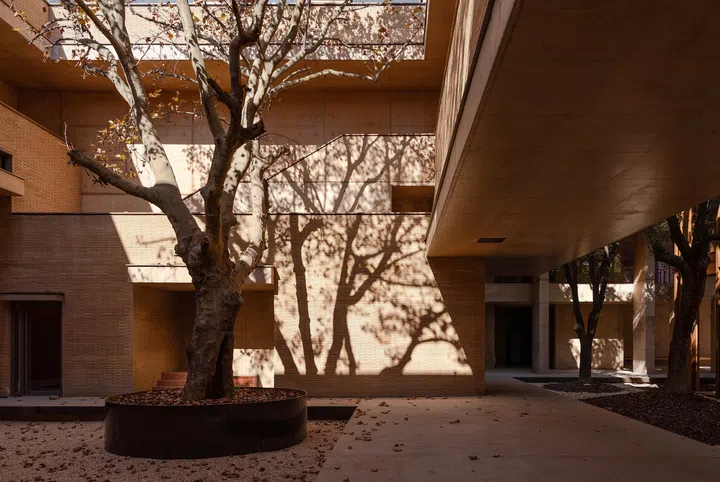
One of Dong’s recently completed works is Jingyang Camphor Court in Jingdezhen, Jiangxi Province. He had convinced the client to retain the existing camphor trees on the site, even though this would mean undertaking the more complex, time-consuming, and costly task of building a basement around them.
“They are regular trees, but they are a demonstration of time and history. When you go there, you will feel a sense of continuity; you won’t feel like this is a brand new place,” says Dong.
This crafting of sensory architecture that imbues place and time is antithetical to the mindless tabula rasa that has defined China’s rapid urbanisation for 40 years.
In this way, Dong is part of a generation of Chinese architects who have created a new design language unique to China. Like his peers, he has taken what he has seen or learnt from spending time abroad, then blended foreign ideas with his understanding of the country’s environment, culture, and history.
Designing for regular people
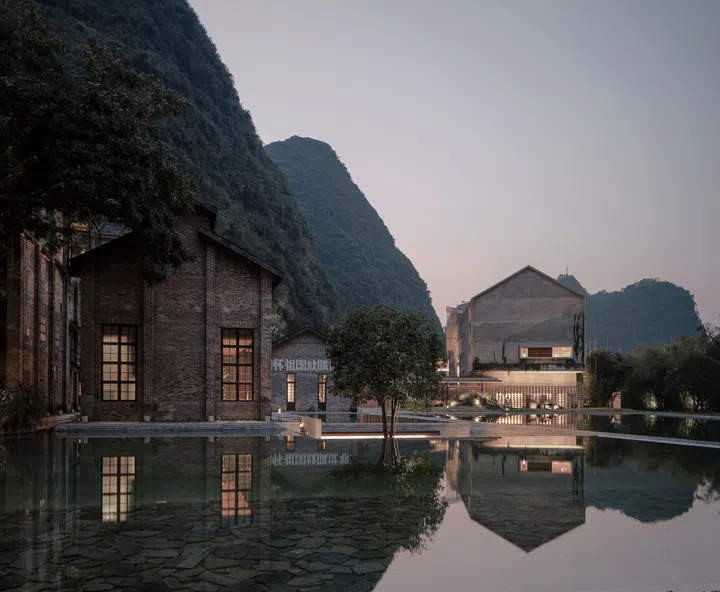
Vector Architects’ Yangshuo Sugarhouse Hotel is another project that emblemises this. A former 1960s sugarcane mill in China’s Guangxi region was resurrected with an artful addition of bamboo canopies and concrete blocks that seamlessly blend into the surrounding mountainous landscape, evoking a sense of strange ruins.
It is robust yet delicate, tectonic yet wild — a mesmerising tension of dualities that is also present in the Chapel of Music in Aranya in the Hebei region.
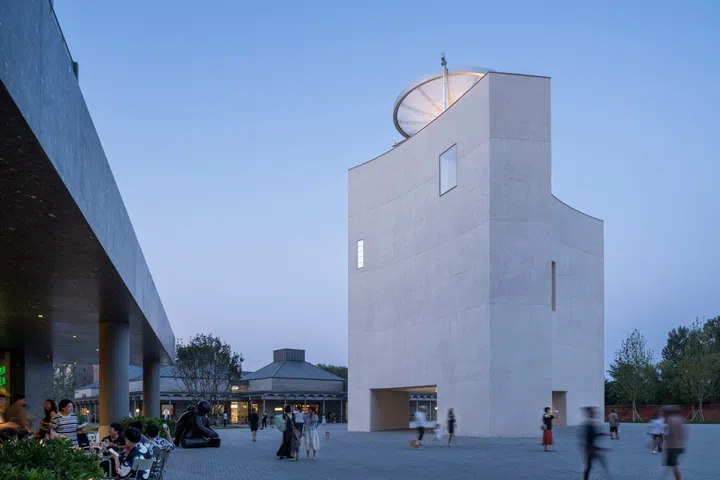
The latter juxtaposes a Brutalist shell with a light, sweeping form that appears frozen in mid-dance.
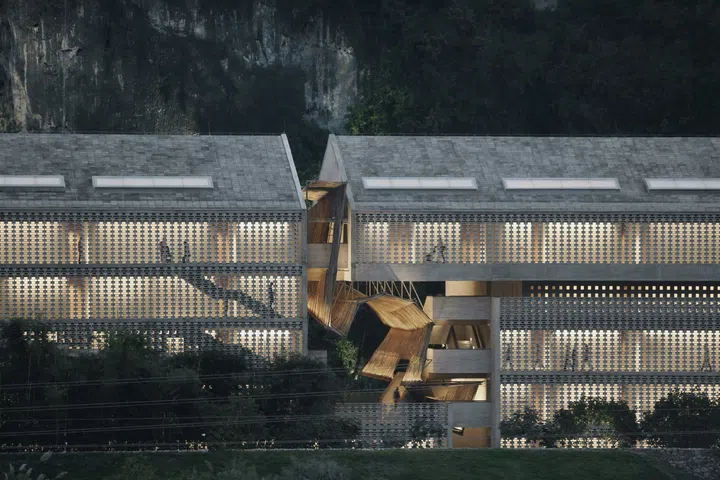
It is also a monumental musical instrument, featuring nine brass sound transmission tubes embedded in the music hall’s seating, and a retractable roof that allows tunes to be shared with the public plaza outside. Therein lies another characteristic of Dong’s buildings — they are designed for people.
Again, the Jingyang Camphor Court surfaces as an example, where Dong extended a canopy from the boundary wall to shelter a public bench.
“It’s a very tiny act, but that shows our attitude. Even in designing something very high-end, how architects can contribute is to give a little concern about the regular people (who come into contact) with the project,” Dong comments. “Good architecture is (also) for regular people.”