
Executive director, Rachel Xia, shares the seven-year journey behind Miraculous Leaf, a new documentary on Chinese Tea
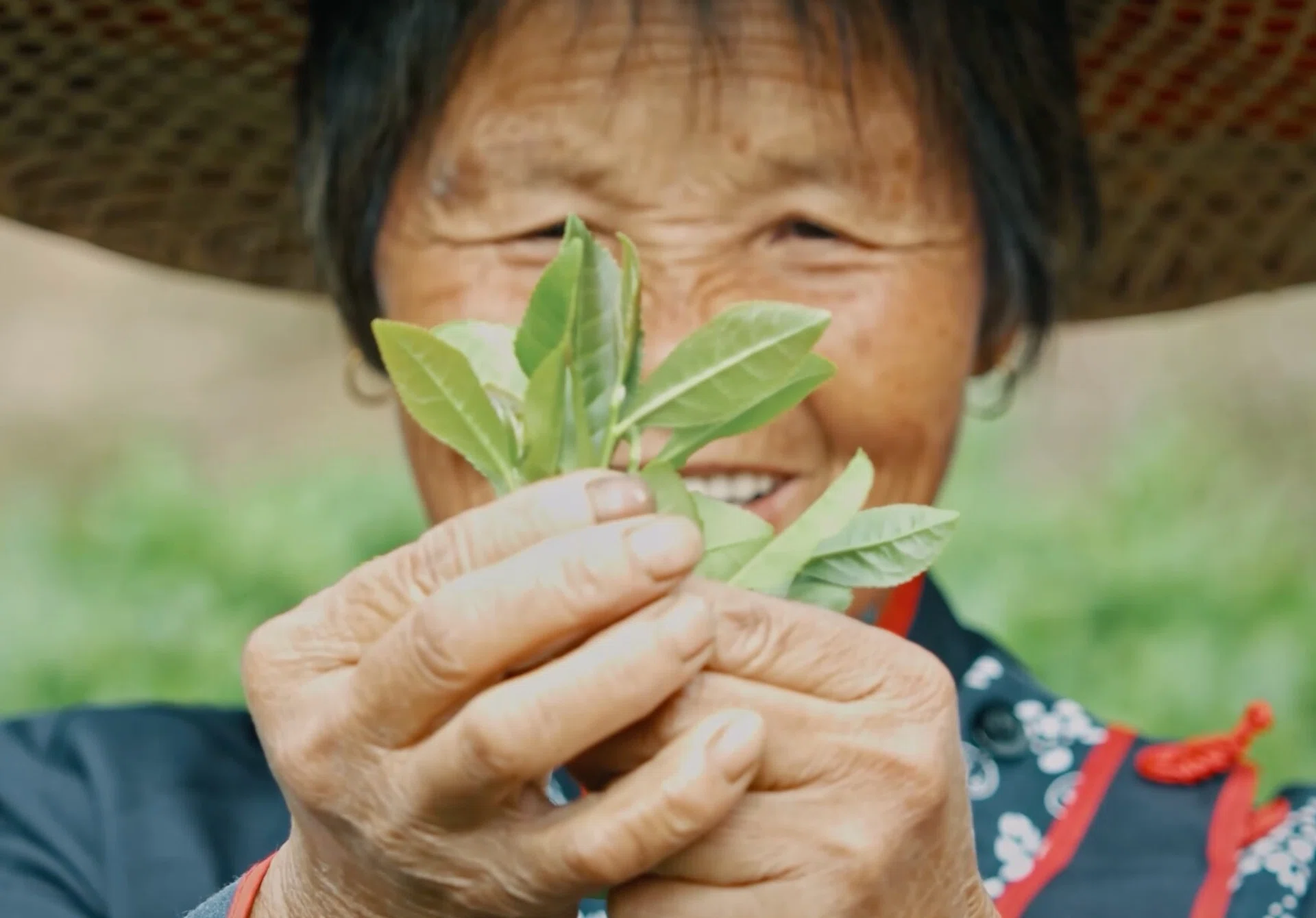
The 109-minute film traces the six major categories of Chinese tea through the historical origins of famous tea-producing regions, and the generations of families and artisans who have lived with tea, and for it.
By Toh Ee Ming /
Share this article
Seven years is a long time. Rachel Xia spent them making Miraculous Leaf, an ambitious documentary capturing the world of Chinese tea, but production stalled for nearly three years because of the pandemic. At one point, even Pan Weiping, the veteran documentarian she was making the film with, wondered whether they should finish it at all.
The result: a lush 109-minute film released in 2026 that explores Chinese tea culture through the six major tea types, tracing the origins of 26 iconic teas through nearly 60 farmers, artisans, and scholars.
Pan directed; Xia, 40, served as executive director and screenwriter. Before moving into film, she spent seven years as a journalist, a background she credits with teaching her to notice small details in behaviour and surroundings that might otherwise go unremarked.

Making the film
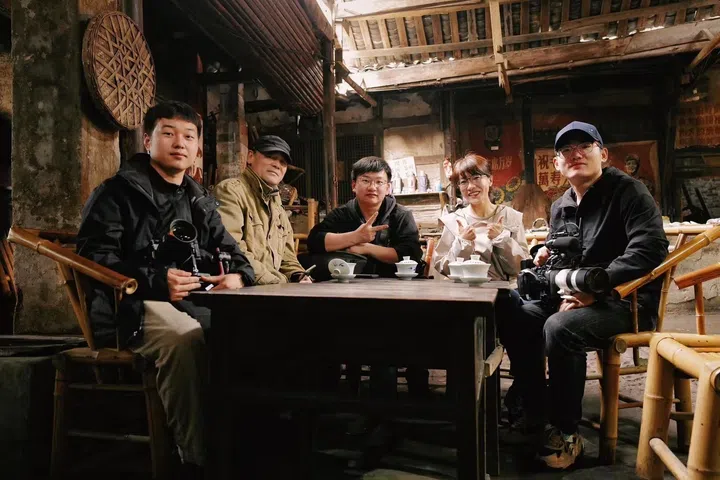
The idea began with Pan, now 69. Front Media had worked with him before, and when he mentioned wanting to make an original documentary about Chinese tea, Xia jumped at it, keen to move beyond commissioned work. They shot in 4K from the start, aiming for cinema rather than television.
Pan treated the project as a capstone to his career, having spent years researching and filming Chinese tea before this. That experience mattered to a crew that was young and knew little about tea going in; Pan guided decisions on what to film and where to go, sparing them unnecessary detours. “It was also a process of learning from a more experienced generation of documentary filmmakers,” Xia says.
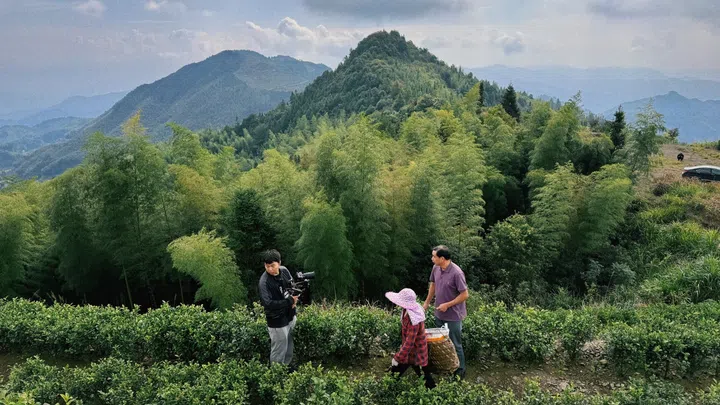
The scale was massive: six major tea categories across 13 provinces, each with its own season and production method, and tea that doesn’t wait for a film crew — miss a harvesting window and it’s another year before the shot exists.
Each tea entered the story through a person or family, with its craft, geography, and history woven in. The real challenge was turning “such an enormous world of tea into a film that people would actually want to watch,” Xia says.
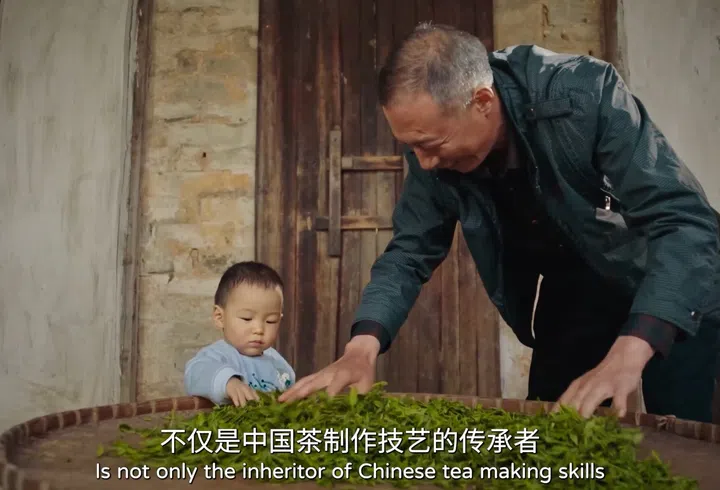
One theme is that tradition and modernity aren’t opposites. In the green tea section, Xia focused on generational inheritance, filming Liu Rongwei and his daughter Liu Doudou, who now manages and develops the family business. Their relationship became “a very natural way of showing how knowledge moves from one generation to another”.
Another profile, Tan Benman, learned her family’s Duyun Maojian tea-making tradition from her father, but also travelled to study other methods and adapt her own. “Inheritance is not simply repeating what the previous generation did. It also involves adaptation,” explains Xia.
The film also spotlights highly modernised production in Guizhou, where intelligent systems now monitor growing conditions alongside smart irrigation, part of a push toward the standardisation and traceability that international buyers increasingly expect. “I don’t see machinery and handcraft as enemies,” she says. “What interests me is how those two worlds can co-exist.”
Some of the most striking scenes come from traditions few viewers will recognise. In Yunnan, the crew filmed people climbing ancient tea trees to harvest leaves otherwise out of reach.
There’s also an unexpectedly humorous scene behind Qianliang tea, a dark tea from Anhua, Hunan, traditionally pressed into a long, tightly compressed cylinder for easier transport. Several men work together to compress, tighten, and bind the tea repeatedly until it becomes incredibly dense.
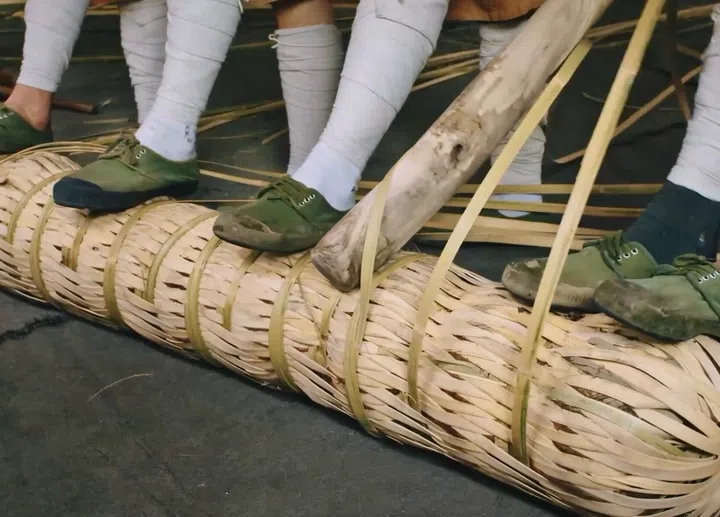
“When you watch the process, there is a very strong sense of physical power,” Xia says, which is why she wrote the narration to call it a technique with a distinctly masculine character.
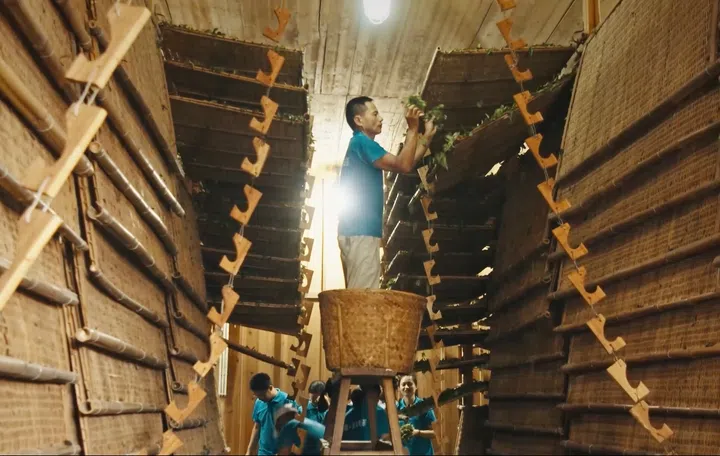
Yellow tea, probably the least familiar of the six major categories even to many Chinese people, was another discovery. Its defining process, men huang, involves a controlled yellowing that can take at least 48 hours.
The film also touches on sour tea made by the Bulang ethnic minority, along with other local traditions many viewers may never have encountered.
Sharing the film
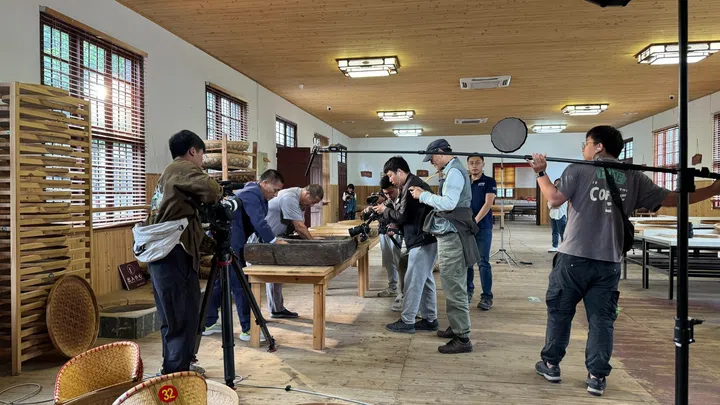
So far, Miraculous Leaf has had only a handful of public screenings in China, tied to cultural heritage programmes rather than a large-scale theatrical release, given the limited commercial space for documentaries there.
Xia moved to Singapore three years ago and now works as general manager of Front Media Singapore. She reached out to the Singapore Film Society herself while the documentary was still unfinished. With the support of SFS chairman Kenneth Tan, Miraculous Leaf had its world premiere at the National Gallery Singapore on March 14, 2026, followed by more than ten screenings at SFS’ Somerset venue between April and July.
For Xia, what matters is whether it can reach more cities, schools, cultural institutions, film communities, and international audiences, more than simply adding another festival laurel.
“I don’t want the film simply to tell people, ‘Chinese tea is wonderful,’” she says. “I hope it shows what exists behind a cup of tea: land, climate, history, craftsmanship, families, generations of accumulated experience, and people who have devoted much of their lives to a single leaf.”
New tea drinkers
Tea is having something of a moment among the younger generation, Xia says, pointing to her own crew: cinematographers who started buying their own tea after months of filming, Gen Z editors who’d suddenly want to brew a cup mid-edit, a hopeful sign that the barrier isn’t disinterest but access.
Xia wasn’t a tea drinker before making the film. Now she reaches most often for pu’er, along with black, white, and yellow tea. “In a way, I made a film about tea, and somewhere along the seven-year journey, tea quietly entered my own life as well,” she says.
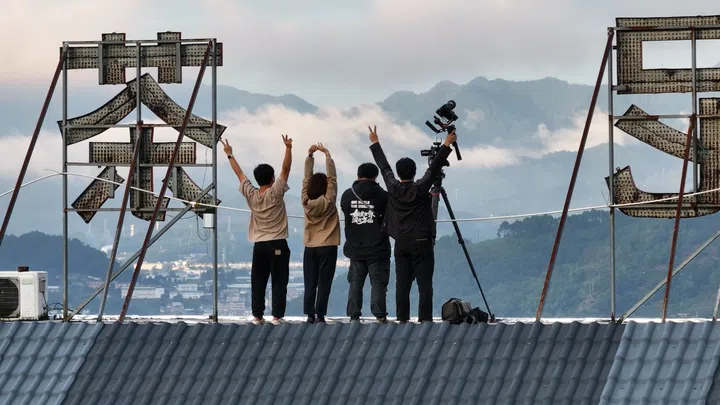
Asked to name the single most profound moment of the seven years, Xia points to the accumulated memories rather than any one scene — being on location with her crew, the long, tiring journeys made worthwhile by landscapes she’d never seen before and people she’d never otherwise have met.
“I felt that I was constantly absorbing things from the world around me: knowledge, stories, ways of living, ways of thinking. It made me grow very quickly, not only as a filmmaker but also as a person.”
As she puts it: “The seven-year journey itself is one of the most beautiful things the project gave me.”