%22%3E%0A%3Cpath%20d%3D%22M412%20101.2H393.7C393.1%20101.2%20392.3%20100.9%20391.8%20100.5C377.3%2087.6004%20362.9%2074.6004%20348.4%2061.6004C344.8%2058.4004%20341.3%2055.2004%20337.7%2052.0004C337.1%2051.5004%20336.2%2051.1004%20335.5%2051.0004C334.2%2050.8004%20333%2051.0004%20331.5%2051.0004V101.1H316.7V0.100391H331.4V44.3004C331.9%2044.3004%20332.2%2044.4004%20332.5%2044.4004C334.9%2044.4004%20337.2%2044.5004%20339.6%2044.4004C340.4%2044.4004%20341.3%2044.0004%20341.8%2043.5004C351.6%2034.4004%20361.4%2025.2004%20371.1%2016.0004C376.5%2010.9004%20381.9%205.90039%20387.3%200.800391C387.9%200.200391%20388.5%200.000390626%20389.3%200.000390626H400.9C384.2%2015.8004%20367.8%2031.3004%20351.2%2047.0004C371.5%2065.0004%20391.8%2082.9004%20412.1%20100.9C412.1%20101%20412.1%20101.1%20412%20101.2ZM180.9%20101.2C184.1%2094.9004%20187.2%2088.9004%20190.3%2082.8004C198.3%2067.3004%20206.2%2051.8004%20214.2%2036.2004C220.3%2024.4004%20226.4%2012.5004%20232.4%200.700391C232.7%200.100391%20233%20-0.0996094%20233.7%20-0.0996094H248.1C248.8%20-0.0996094%20249.2%200.100391%20249.6%200.800391C256%2013.3004%20262.4%2025.7004%20268.8%2038.2004C279.3%2058.6004%20289.8%2079.0004%20300.3%2099.5004C300.5%20100%20300.8%20100.4%20301.1%20101.1C300.5%20101.1%20300.1%20101.2%20299.7%20101.2H286.5C285.6%20101.2%20285.1%20100.9%20284.7%20100.2C280.1%2091.3004%20275.4%2082.4004%20270.8%2073.4004C270.1%2072.1004%20269.3%2071.6004%20267.8%2071.6004H209.9C208.7%2071.6004%20208.1%2072.0004%20207.5%2073.1004C202.9%2082.1004%20198.2%2091.0004%20193.6%20100C193.1%20101%20192.6%20101.3%20191.5%20101.3C188.4%20101.2%20185.3%20101.3%20182.3%20101.3C182%20101.2%20181.6%20101.2%20180.9%20101.2ZM239.1%2011.4004C230%2029.2004%20221.1%2046.7004%20212.1%2064.3004H266.4C257.2%2046.7004%20248.2%2029.2004%20239.1%2011.4004ZM0%200.000390626H43.4C51.2%200.000390626%2058.7%201.20039%2065.7%204.80039C75.9%2010.0004%2078.9%2018.0004%2078.6%2027.4004C78.3%2034.3004%2076%2040.5004%2071.2%2045.5004C67.3%2049.6004%2062.4%2052.3004%2057.1%2054.3004C50.6%2056.7004%2043.9%2058.0004%2037.1%2058.6004C30.1%2059.2004%2023.1%2059.4004%2016.2%2059.7004C15.8%2059.7004%2015.3%2059.8004%2014.8%2059.8004V101.1H0.1C0%2067.4004%200%2033.8004%200%200.000390626ZM14.8%207.10039V52.2004C23.7%2052.4004%2032.6%2052.3004%2041.2%2050.1004C44.4%2049.3004%2047.6%2048.2004%2050.6%2046.7004C58.4%2043.0004%2062.3%2036.7004%2062.7%2028.0004C63%2019.9004%2059.5%2014.1004%2052.4%2010.5004C47.6%208.00039%2042.5%207.10039%2037.2%207.10039H14.8ZM95.9%20101.1V0.100391H167.3V7.20039H110.7V44.7004H158.1V51.9004H110.8V93.9004H171.1V101C146.1%20101.1%20121%20101.1%2095.9%20101.1Z%22%20fill%3D%22black%22%2F%3E%0A%3Cpath%20d%3D%22M35.0004%2025.7996H42.5004V20.6996H44.8004V33.1996H42.6004V27.5996H34.9004V33.2996H32.7004V20.7996H35.0004V25.7996ZM54.4004%2025.8996V27.2996H48.9004V31.6996H55.9004C55.9004%2032.1996%2056.0004%2032.5996%2056.0004%2033.0996H46.5004V20.5996H55.5004V21.8996H49.0004V25.7996C50.7004%2025.8996%2052.5004%2025.8996%2054.4004%2025.8996ZM25.9004%2033.0996H23.5004V21.9996H17.9004V20.6996H31.6004V22.0996H27.1004C26.2004%2022.0996%2025.9004%2022.2996%2025.9004%2023.1996C26.0004%2026.0996%2025.9004%2028.9996%2025.9004%2031.7996V33.0996Z%22%20fill%3D%22black%22%2F%3E%0A%3C%2Fg%3E%0A%3Cdefs%3E%0A%3CclipPath%20id%3D%22clip0_388_462%22%3E%0A%3Crect%20width%3D%22411%22%20height%3D%22101.2%22%20fill%3D%22white%22%2F%3E%0A%3C%2FclipPath%3E%0A%3C%2Fdefs%3E%0A%3C%2Fsvg%3E%0A)
The founder of Japanese apparel brand HUIS uses Enshu-orimono for everyday wear
Masaki Matsushita was in Singapore to share about the craft of super-soft Enshu-orimono, treasured by the world’s most famous luxury fashion houses.
By Luo Jingmei /
Share this article
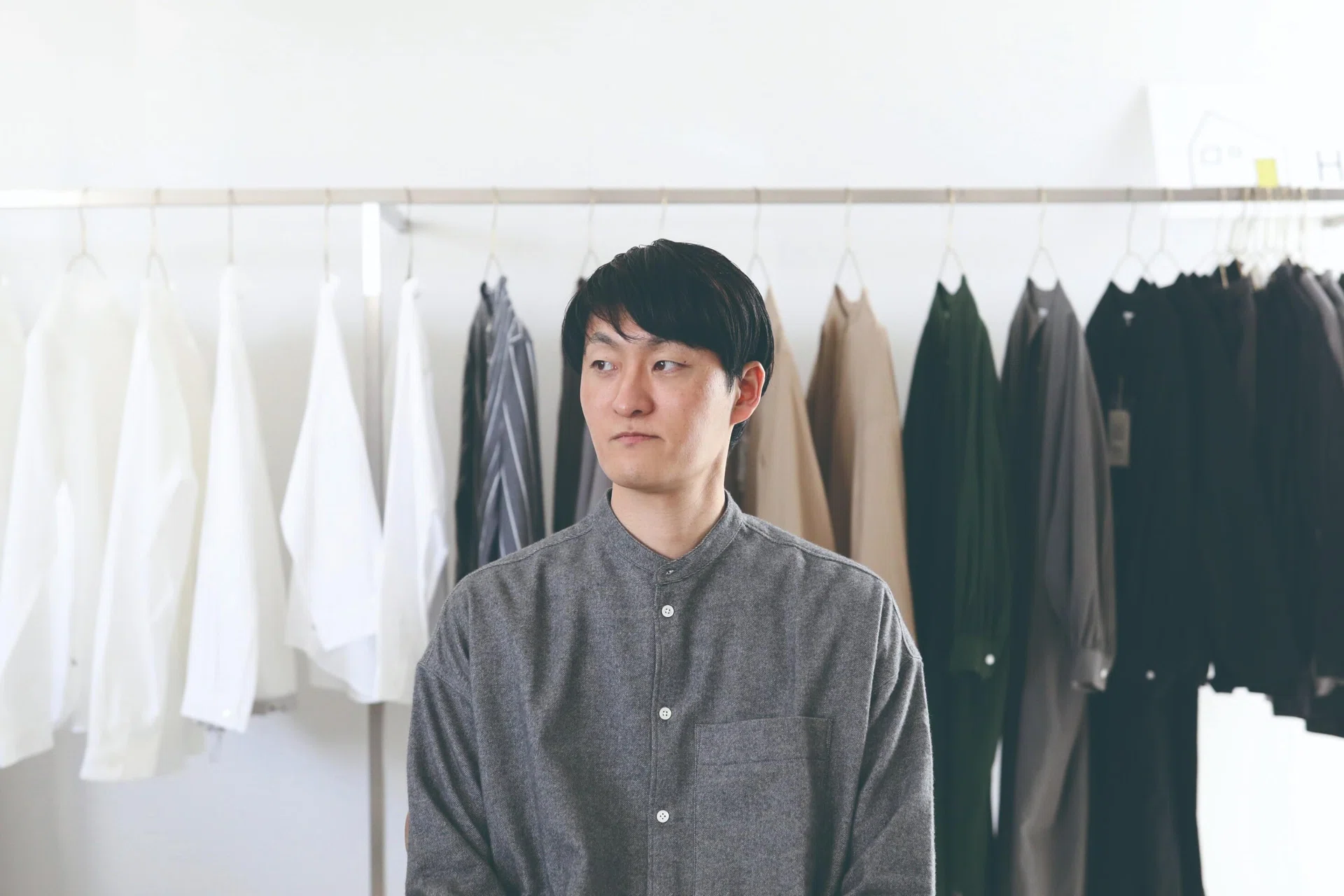
Masaki Matsushita grew up in Hamamatsu City in Shizuoka Prefecture, where Enshu-orimono, a fine Japanese textile, is manufactured. But he became aware of these exquisite fabrics only after working as a municipal official promoting local industries.
“I realised Enshu textiles are really high-end. I wondered why I didn’t know about them even when I lived here,” says the co-founder of HUIS.
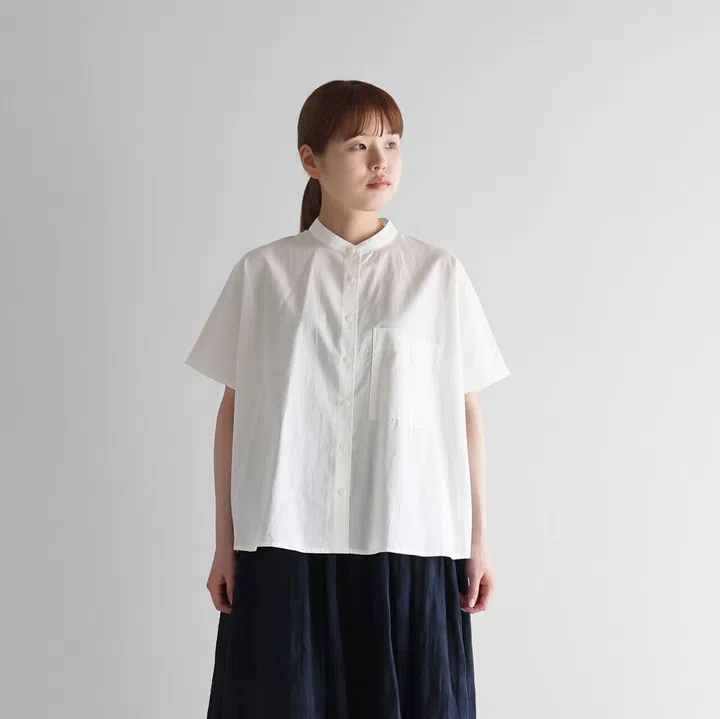
Masaki started the Japanese apparel brand in 2014 with his wife, Ayumi Matsushita. The clothing, which features simple forms and unisex fits, is made with Enshu-orimono. HUIS made its Southeast Asian debut with a pop-up at LUMINE Singapore, Raffles Shopping Centre, from June 22 to July 19.
Enshu-orimono’s super softness
Enshu-orimono, handwashed and woven on vintage shuttle looms, takes 30 times longer to weave and can range from lightweight cotton to canvas. Renowned for being breathable and soft, it improves in texture over time.
“Because the shuttle moves slower than automatic looms, the threads have a bit more room to move around, creating a dense, soft cloth. It has a nice fall on the body because of the airiness during the weave,” says Masaki.
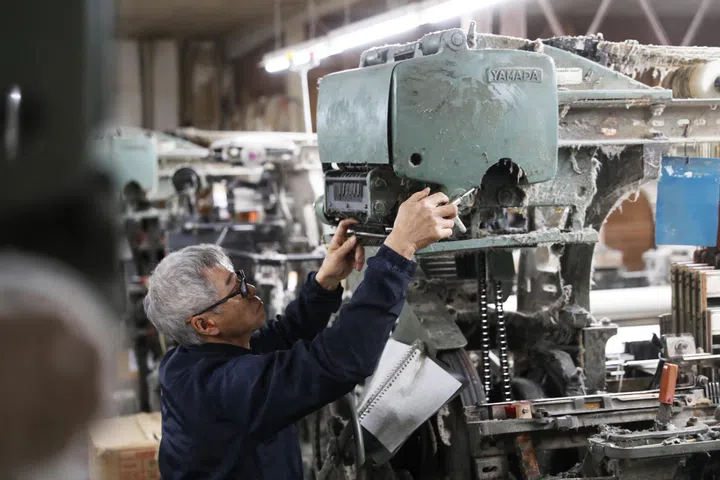
There are only a handful of these antique shuttle looms left. The slow weaving of high-density, fine yarns creates fuai — the airiness from trapped air in the fabric’s latticed structure. The reduced stress on these threads retains the material’s natural softness without needing chemical or softening treatments, and the texture is enhanced with every wash.
This is why Enshu-orimono takes much longer to make. “Enshu-orimono is now used by high-end brands, and the fabric is really expensive,” says Masaki, noting the industry’s pivot to this market to survive. In fact, several well-known European brands use Enshu-orimono, although they do not mention it.
Enshu-orimono for all
The couple started HUIS to raise awareness of the craft and make these high-end products accessible to the general public. This ethos is embodied in the logo, featuring a pitched-roof house with several square windows. HUIS means “house” in Dutch.
To keep prices reasonable, his team handles fabric planning at the weaving site and purchases fabrics straight from the weavers. HUIS also controls prices by selling its products through its website and directly managed showrooms in Japan, Paris, and Taipei.
During our interview, I asked Masaki more about Hamamatsu City. “The amount of sunshine is so much in Hamamatsu City that it ranks top five in Japan,” he shares, on the region’s similarity to Singapore. This, coupled with a rich water supply from the Tenryu River, gave rise to the city’s thriving cotton industry during the Edo period.
“The Hamamatsu region was perfect for textile production because, aside from creating the cotton, you need a lot of water for other processes like washing, dyeing, et cetera,” Masaki explains.
Skill at every stage
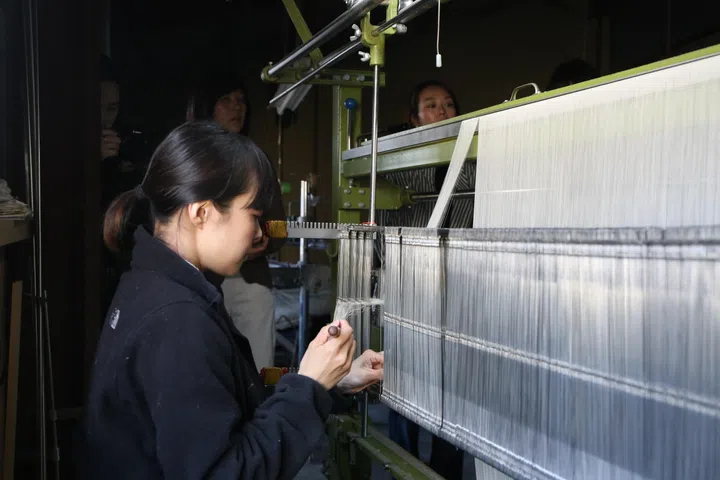
HUIS’ fabrics, being so delicate, require care at every stage of the process. For example, modern dyeing machines that use high-speed rollers would smooth the texture of the Enshu-orimono. Masaki describes how traditional methods involve “a huge kiln where water flows freely, and the fabric is turned around many times as if swimming inside”.
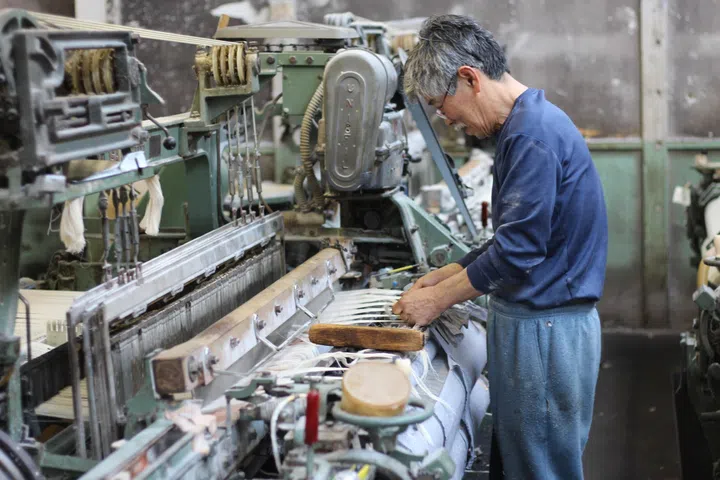
Seamstresses sew each piece individually, too, as automatic sewing machines in mass-production factories cannot handle the soft Enshu-orimono, which moves easily on the machine. “This is another skill set required to create the garments,” says Masaki.
As cotton production is no longer widespread in Japan, he sources high-grade cotton from countries such as India and Egypt. Weaving them into fine threads is done in Enshu, where there is an age-old industry for that requiring precision and skill.

Enshu-orimono and Toyota
In fact, Toyota, another iconic Japanese brand, also had its beginnings in Enshu-orimono manufacturing — the automobile brand started by making shuttle looms.
Sakichi Toyoda, the founder of Toyota Industries Corporation, was born in Shizuoka Prefecture. The inquisitive tinkerer created the Toyoda wooden handloom in 1890 for local farm families. Requiring only one hand to use, it increased efficiency by more than 50 per cent.
In 1924, he invented the revolutionary non-stop shuttle-change Toyoda automatic loom, Type G. The profits and patents from his textile manufacturing empire enabled his son, Kiichiro Toyoda, to produce the company’s first passenger car in 1936. Toyota Motor Company was born the year after.
Sakichi laid the groundwork for the famous Toyota Production System (TPS) with looms that automatically stopped when a thread broke. TPS combines the “Just-in-Time” (JIT) — meaning to produce exactly what is needed, when and in the amount needed, in order to reduce waste — and Jidoka, which is intelligent automation with a human touch.
Supporting craft and craftsmen
Likewise, HUIS champions zero waste. “We don’t throw anything away,” says Masaki. “We don’t do sales or bargains. We create exactly what the demand is.”
He also does not undercut the factories. “We don’t negotiate business. We ask the craftsmen what they need to continue into the future. From that price, we make the orders. With this sustainable cycle, everyone is compensated and happy instead of being taken advantage of,” he explains.
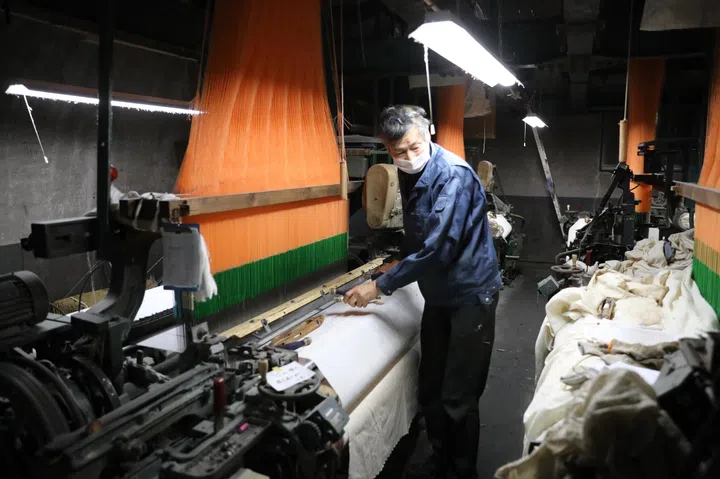
Masaki’s efforts are admirable, but he admits it might not be enough. “The craftsmen are in their 70s and 80s. That’s our biggest challenge,” he says.
A few years ago, the craftsmen banded together to showcase their work to the younger generation, hoping to encourage them to take over. With HUIS, Masaki hopes more people will become curious about the craft and support the future of Enshu-orimono making.