%22%3E%0A%3Cpath%20d%3D%22M412%20101.2H393.7C393.1%20101.2%20392.3%20100.9%20391.8%20100.5C377.3%2087.6004%20362.9%2074.6004%20348.4%2061.6004C344.8%2058.4004%20341.3%2055.2004%20337.7%2052.0004C337.1%2051.5004%20336.2%2051.1004%20335.5%2051.0004C334.2%2050.8004%20333%2051.0004%20331.5%2051.0004V101.1H316.7V0.100391H331.4V44.3004C331.9%2044.3004%20332.2%2044.4004%20332.5%2044.4004C334.9%2044.4004%20337.2%2044.5004%20339.6%2044.4004C340.4%2044.4004%20341.3%2044.0004%20341.8%2043.5004C351.6%2034.4004%20361.4%2025.2004%20371.1%2016.0004C376.5%2010.9004%20381.9%205.90039%20387.3%200.800391C387.9%200.200391%20388.5%200.000390626%20389.3%200.000390626H400.9C384.2%2015.8004%20367.8%2031.3004%20351.2%2047.0004C371.5%2065.0004%20391.8%2082.9004%20412.1%20100.9C412.1%20101%20412.1%20101.1%20412%20101.2ZM180.9%20101.2C184.1%2094.9004%20187.2%2088.9004%20190.3%2082.8004C198.3%2067.3004%20206.2%2051.8004%20214.2%2036.2004C220.3%2024.4004%20226.4%2012.5004%20232.4%200.700391C232.7%200.100391%20233%20-0.0996094%20233.7%20-0.0996094H248.1C248.8%20-0.0996094%20249.2%200.100391%20249.6%200.800391C256%2013.3004%20262.4%2025.7004%20268.8%2038.2004C279.3%2058.6004%20289.8%2079.0004%20300.3%2099.5004C300.5%20100%20300.8%20100.4%20301.1%20101.1C300.5%20101.1%20300.1%20101.2%20299.7%20101.2H286.5C285.6%20101.2%20285.1%20100.9%20284.7%20100.2C280.1%2091.3004%20275.4%2082.4004%20270.8%2073.4004C270.1%2072.1004%20269.3%2071.6004%20267.8%2071.6004H209.9C208.7%2071.6004%20208.1%2072.0004%20207.5%2073.1004C202.9%2082.1004%20198.2%2091.0004%20193.6%20100C193.1%20101%20192.6%20101.3%20191.5%20101.3C188.4%20101.2%20185.3%20101.3%20182.3%20101.3C182%20101.2%20181.6%20101.2%20180.9%20101.2ZM239.1%2011.4004C230%2029.2004%20221.1%2046.7004%20212.1%2064.3004H266.4C257.2%2046.7004%20248.2%2029.2004%20239.1%2011.4004ZM0%200.000390626H43.4C51.2%200.000390626%2058.7%201.20039%2065.7%204.80039C75.9%2010.0004%2078.9%2018.0004%2078.6%2027.4004C78.3%2034.3004%2076%2040.5004%2071.2%2045.5004C67.3%2049.6004%2062.4%2052.3004%2057.1%2054.3004C50.6%2056.7004%2043.9%2058.0004%2037.1%2058.6004C30.1%2059.2004%2023.1%2059.4004%2016.2%2059.7004C15.8%2059.7004%2015.3%2059.8004%2014.8%2059.8004V101.1H0.1C0%2067.4004%200%2033.8004%200%200.000390626ZM14.8%207.10039V52.2004C23.7%2052.4004%2032.6%2052.3004%2041.2%2050.1004C44.4%2049.3004%2047.6%2048.2004%2050.6%2046.7004C58.4%2043.0004%2062.3%2036.7004%2062.7%2028.0004C63%2019.9004%2059.5%2014.1004%2052.4%2010.5004C47.6%208.00039%2042.5%207.10039%2037.2%207.10039H14.8ZM95.9%20101.1V0.100391H167.3V7.20039H110.7V44.7004H158.1V51.9004H110.8V93.9004H171.1V101C146.1%20101.1%20121%20101.1%2095.9%20101.1Z%22%20fill%3D%22black%22%2F%3E%0A%3Cpath%20d%3D%22M35.0004%2025.7996H42.5004V20.6996H44.8004V33.1996H42.6004V27.5996H34.9004V33.2996H32.7004V20.7996H35.0004V25.7996ZM54.4004%2025.8996V27.2996H48.9004V31.6996H55.9004C55.9004%2032.1996%2056.0004%2032.5996%2056.0004%2033.0996H46.5004V20.5996H55.5004V21.8996H49.0004V25.7996C50.7004%2025.8996%2052.5004%2025.8996%2054.4004%2025.8996ZM25.9004%2033.0996H23.5004V21.9996H17.9004V20.6996H31.6004V22.0996H27.1004C26.2004%2022.0996%2025.9004%2022.2996%2025.9004%2023.1996C26.0004%2026.0996%2025.9004%2028.9996%2025.9004%2031.7996V33.0996Z%22%20fill%3D%22black%22%2F%3E%0A%3C%2Fg%3E%0A%3Cdefs%3E%0A%3CclipPath%20id%3D%22clip0_388_462%22%3E%0A%3Crect%20width%3D%22411%22%20height%3D%22101.2%22%20fill%3D%22white%22%2F%3E%0A%3C%2FclipPath%3E%0A%3C%2Fdefs%3E%0A%3C%2Fsvg%3E%0A)
Share this article
There was a moment, shortly after returning to my iPhone 17 Pro from using the Galaxy Z Fold8, when its screen suddenly appeared absurdly long.
Nothing about the iPhone had changed, of course. I had. After spending over close to one week with the Samsung Galaxy Z Fold8, the familiar proportions of a conventional smartphone had begun to feel faintly excessive.
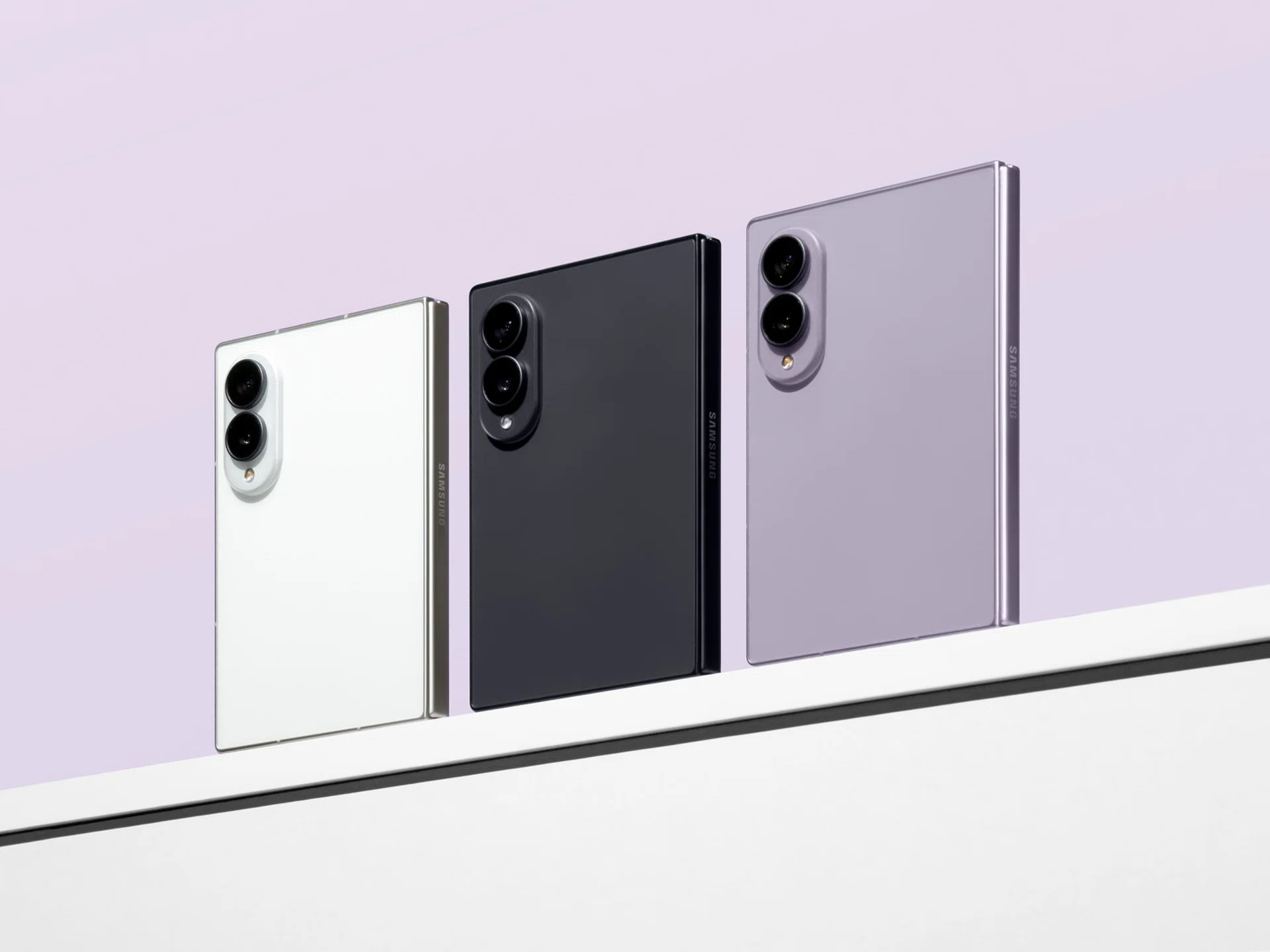
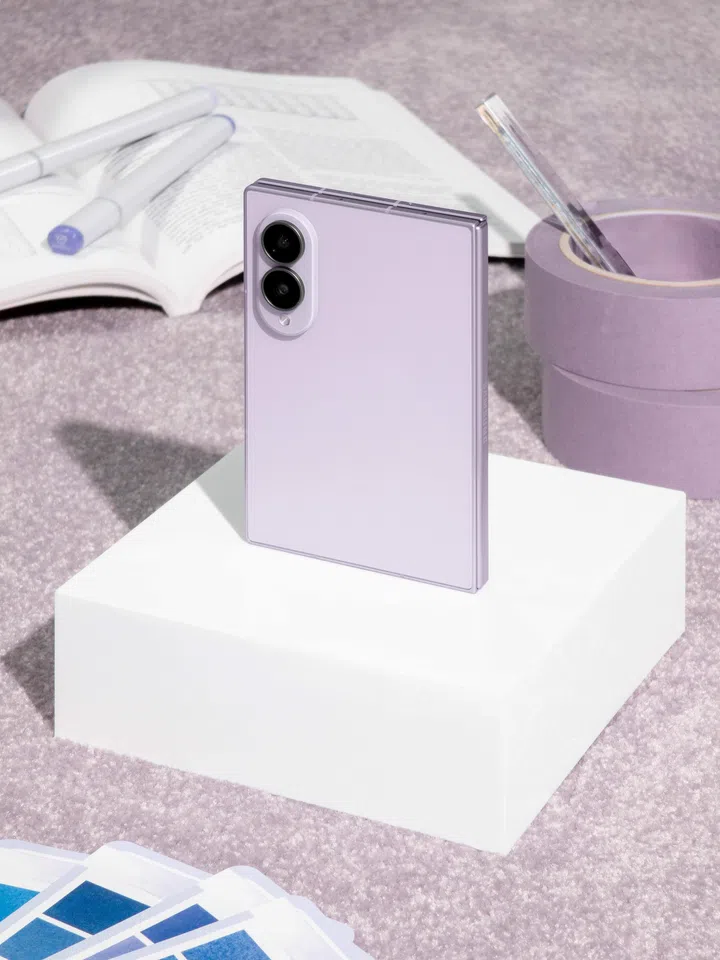
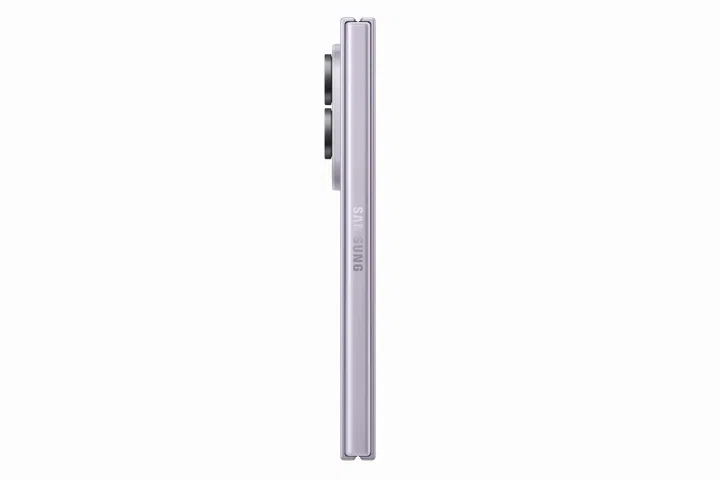
The Fold8 is Samsung’s smaller, squarer alternative to the elongated Fold8 Ultra. Its 5.5-inch cover screen opens into a 7.6-inch inner display, while the device weighs 201g and measures just 4.5mm thick when unfolded. Samsung calls it its lightest Galaxy Z Fold yet.
My first response upon holding it was less technical: How small. How nifty. How thin. How exciting.
Phones have spent years growing taller and larger, with manufacturers apparently engaged in a quiet competition to discover how much glass the average pocket can tolerate. The Fold8 offers a welcome interruption. Folded, its compact, almost square proportions make it pleasant to hold and easy to operate. Opened, it becomes broad enough to accommodate serious reading and writing without aspiring to become a miniature laptop.
It feels less like typing on a phone than writing on a small sheet of paper.

A screen for words
The Fold8 did not fundamentally alter what I did with a phone. It changed how agreeable those activities felt.
Google Docs is particularly well suited to the inner display. Stories become easier to read, edit and type. PDFs gain sufficient room to breathe. Websites resemble complete pages rather than narrow columns of information forced through a letterbox. Emails look almost document-like, which makes writing and reviewing them surprisingly satisfying.
For writers, editors and anyone who regularly works inside Google’s productivity suite, this may prove the Fold8’s most persuasive argument. The larger display provides a meaningful amount of working space while the device remains small enough to carry everywhere.
Multitasking also makes considerably more sense on a screen of this shape. Placing two apps beside each other allows me to copy links, refer to documents and move information without repeatedly switching between windows. I only used split-screen mode a handful of times during the review period, but the utility became immediately apparent. With a longer period of ownership, I suspect it would become habitual.
The inner display also excels at entertainment. Netflix and YouTube feel unexpectedly immersive, with the phone’s proportions creating a viewing experience that sits somewhere between smartphone convenience and tablet indulgence. I do not play mobile games, so I cannot speak for its gaming credentials. For video, however, the larger canvas transforms casual viewing into something far more absorbing.
Performance never interrupted that experience. Apps opened quickly, transitions felt fluid and the phone showed no troublesome lag, stuttering or overheating during ordinary use. Charging seemed slower than I expected, although never slow enough to become a serious grievance.
Battery life proved a more considerable surprise. I used the Fold8 for transport, contactless payments, social media, writing, browsing and entertainment from around 9am onwards, and never ended the day with a depleted battery. Samsung rates its 4,800mAh battery for more than 26 hours of video playback; my less controlled, more representative experience suggests that it can comfortably withstand a full day of mixed use.
The crease is beside the point
The Fold8 feels balanced and comfortable when open, though its extraordinary thinness introduces a mild sense of fragility. The back is smooth enough that I occasionally feared it might slip from my hand. My review unit came without a case, which would presumably provide some reassurance and grip.
Placed flat on a table, the phone also wobbles because of its protruding camera housing. In the hand, however, it fits beautifully and feels natural to tap, scroll and type on.
Then there is the crease, the perennial obsession of people encountering a foldable for the first time.
Yes, it exists. Under particular lighting, one can see a slight indentation where the screen folds. During actual use, I barely registered it. Anyone determined to locate the crease will succeed, much as someone inspecting a sheet of folded paper will discover evidence that it has, indeed, been folded.
That hardly constitutes an indictment.
People buy foldables for the additional screen area and the flexibility it permits. After two weeks, the crease felt thoroughly secondary to those benefits. Its visibility should not determine whether someone buys the Fold8, unless that person intends to spend more time examining the mechanics of the screen than using it.
Hardware in search of an ecosystem
Samsung has done its part. The wider software ecosystem has yet to reciprocate.
Google’s apps work well across the Fold8’s displays, as do Samsung’s own applications. Instagram and TikTok expose the problem. Their standard feeds remain usable, but Stories and vertical videos can appear inside a smaller simulated window, surrounded by enormous black bars. Even when holding the unfolded phone vertically, the unused space remains disconcertingly conspicuous.
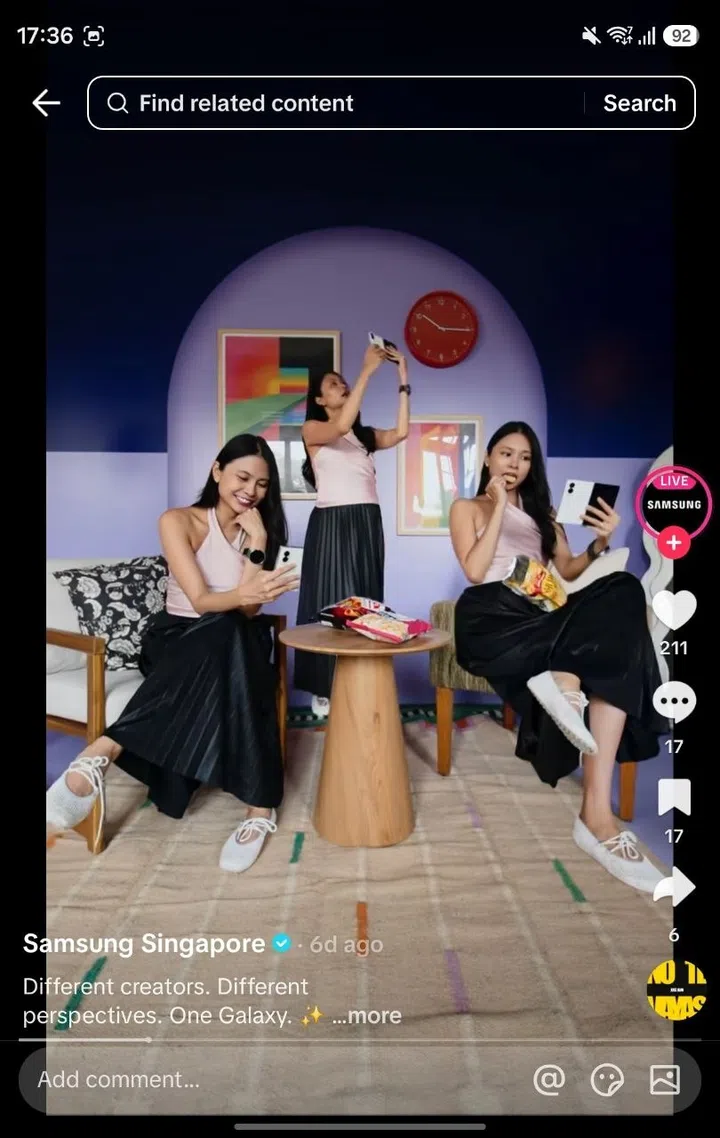
What a TikTok screen looks like when the phone is closed.
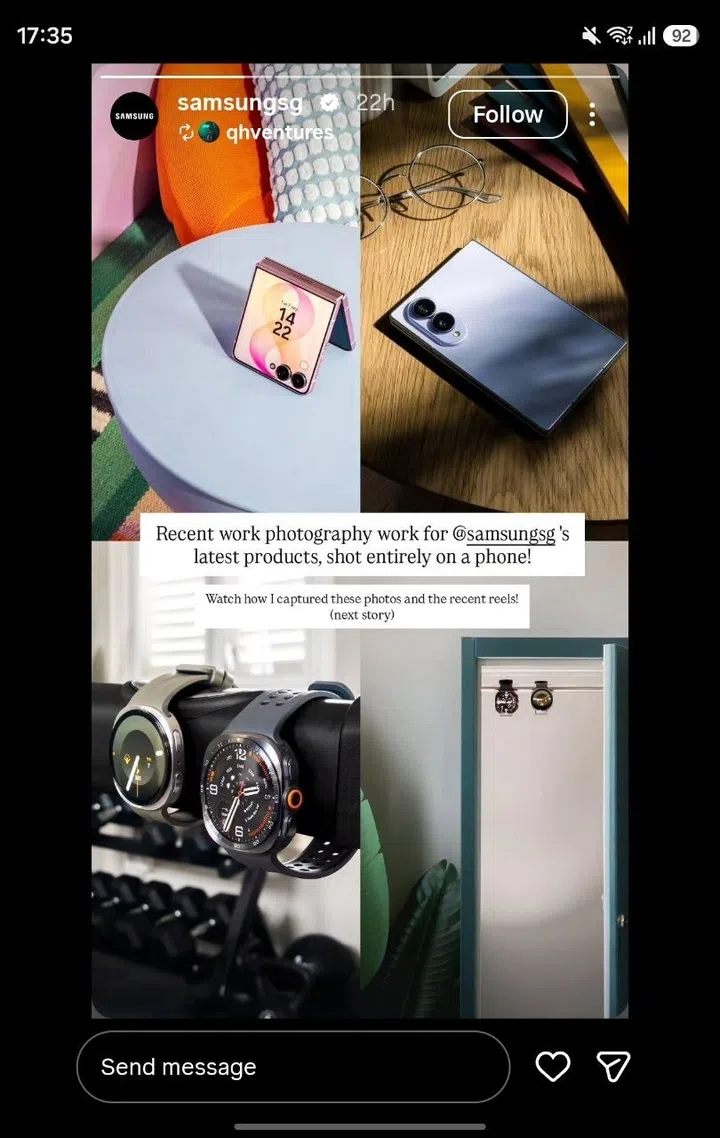
Using the Instagram app with the phone closed.
This does not make social media unusable. It makes using it feel wanting.
Because I still need to check these platforms, annoyance eventually gives way to resignation. Yet resignation hardly represents the seamless, premium experience one expects from an expensive new device. The Fold8 provides all this wonderful real estate, only for some of the world’s largest platforms to leave much of it vacant.
The difficulty extends beyond Samsung. Android phones now arrive in so many proportions that developers may struggle to optimise every interface for every screen. Still, mainstream platforms such as Instagram and TikTok possess the resources and audience to do considerably better.
Anyone considering the Fold8 should therefore examine the apps they use most frequently. An unoptimised application encountered occasionally will irritate. One used throughout the day could sour the entire experience.
A compromised camera experience
The rear camera proved crisp and colourful, with a wide perspective that produces consistently pleasing and balanced images. The cover-screen selfie camera on my unit was another matter.
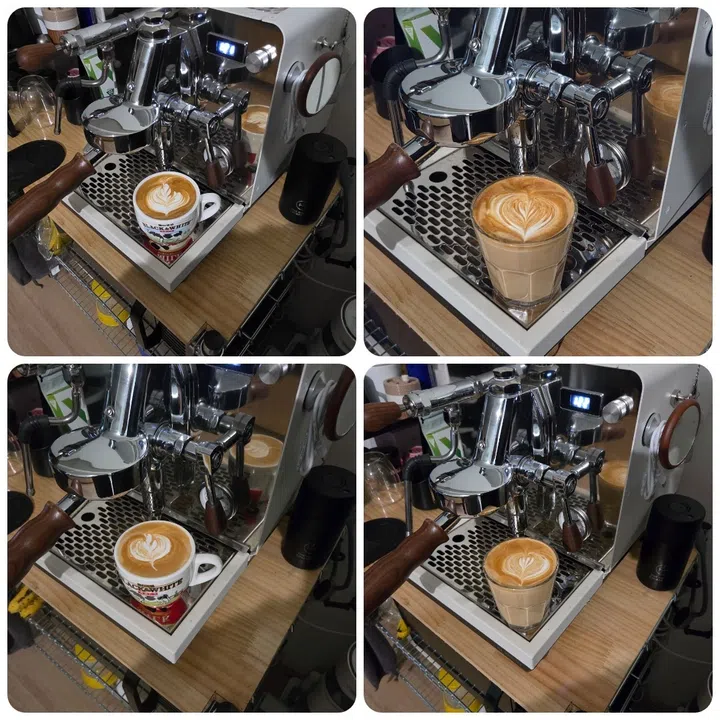
Every morning, I take a picture of my latte art. The photos came out beautiful, crisp, and balanced.
I am not the biggest fan of its image quality, especially as someone who produces TikTok content regularly. Strangely, the same camera appeared better on a friend’s Fold8, so my experience may reflect an issue specific to the review unit rather than the entire model.
Samsung allows users to take selfies with the superior rear cameras while using the cover screen as a preview. In principle, this resolves the quality problem. In practice, I found the arrangement unnatural because I could not comfortably watch the image while recording in the manner to which I am accustomed.
For writers and heavy readers, that weakness may hardly matter. For content creators who rely extensively on a front-facing camera, it could become decisive.
A persuasive new shape
The Fold8 occupies an intelligent position within Samsung’s expanded foldable range. The Fold8 Ultra caters more explicitly to people who want maximum workspace, while the Flip8 offers a more playful clamshell experience. The Fold8 sits between them: productive without appearing corporate, unusual without becoming a novelty.
Its greatest achievement lies in making a new shape feel intuitive almost immediately.
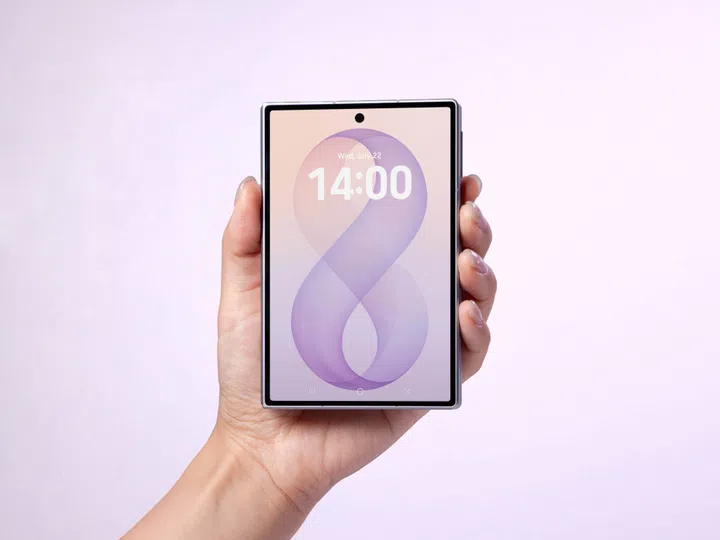
That matters because smartphones have become oppressively homogeneous. Most now differ in degrees rather than kind: marginally better cameras, incrementally faster processors and screens that continue stretching towards dimensions nobody requested. The Fold8 proposes a different physical relationship with the device itself.
Coming from Samsung, this form factor also stands a stronger chance of entering the mainstream. Other manufacturers may have explored similar proportions, but Samsung possesses the scale and recognition to make the squarer foldable appear normal rather than experimental. Perhaps it might even encourage the industry to reconsider why conventional phones must remain so relentlessly large.
The Fold8’s hardware already makes that case convincingly. Its software ecosystem still has some catching up to do.