%22%3E%0A%3Cpath%20d%3D%22M412%20101.2H393.7C393.1%20101.2%20392.3%20100.9%20391.8%20100.5C377.3%2087.6004%20362.9%2074.6004%20348.4%2061.6004C344.8%2058.4004%20341.3%2055.2004%20337.7%2052.0004C337.1%2051.5004%20336.2%2051.1004%20335.5%2051.0004C334.2%2050.8004%20333%2051.0004%20331.5%2051.0004V101.1H316.7V0.100391H331.4V44.3004C331.9%2044.3004%20332.2%2044.4004%20332.5%2044.4004C334.9%2044.4004%20337.2%2044.5004%20339.6%2044.4004C340.4%2044.4004%20341.3%2044.0004%20341.8%2043.5004C351.6%2034.4004%20361.4%2025.2004%20371.1%2016.0004C376.5%2010.9004%20381.9%205.90039%20387.3%200.800391C387.9%200.200391%20388.5%200.000390626%20389.3%200.000390626H400.9C384.2%2015.8004%20367.8%2031.3004%20351.2%2047.0004C371.5%2065.0004%20391.8%2082.9004%20412.1%20100.9C412.1%20101%20412.1%20101.1%20412%20101.2ZM180.9%20101.2C184.1%2094.9004%20187.2%2088.9004%20190.3%2082.8004C198.3%2067.3004%20206.2%2051.8004%20214.2%2036.2004C220.3%2024.4004%20226.4%2012.5004%20232.4%200.700391C232.7%200.100391%20233%20-0.0996094%20233.7%20-0.0996094H248.1C248.8%20-0.0996094%20249.2%200.100391%20249.6%200.800391C256%2013.3004%20262.4%2025.7004%20268.8%2038.2004C279.3%2058.6004%20289.8%2079.0004%20300.3%2099.5004C300.5%20100%20300.8%20100.4%20301.1%20101.1C300.5%20101.1%20300.1%20101.2%20299.7%20101.2H286.5C285.6%20101.2%20285.1%20100.9%20284.7%20100.2C280.1%2091.3004%20275.4%2082.4004%20270.8%2073.4004C270.1%2072.1004%20269.3%2071.6004%20267.8%2071.6004H209.9C208.7%2071.6004%20208.1%2072.0004%20207.5%2073.1004C202.9%2082.1004%20198.2%2091.0004%20193.6%20100C193.1%20101%20192.6%20101.3%20191.5%20101.3C188.4%20101.2%20185.3%20101.3%20182.3%20101.3C182%20101.2%20181.6%20101.2%20180.9%20101.2ZM239.1%2011.4004C230%2029.2004%20221.1%2046.7004%20212.1%2064.3004H266.4C257.2%2046.7004%20248.2%2029.2004%20239.1%2011.4004ZM0%200.000390626H43.4C51.2%200.000390626%2058.7%201.20039%2065.7%204.80039C75.9%2010.0004%2078.9%2018.0004%2078.6%2027.4004C78.3%2034.3004%2076%2040.5004%2071.2%2045.5004C67.3%2049.6004%2062.4%2052.3004%2057.1%2054.3004C50.6%2056.7004%2043.9%2058.0004%2037.1%2058.6004C30.1%2059.2004%2023.1%2059.4004%2016.2%2059.7004C15.8%2059.7004%2015.3%2059.8004%2014.8%2059.8004V101.1H0.1C0%2067.4004%200%2033.8004%200%200.000390626ZM14.8%207.10039V52.2004C23.7%2052.4004%2032.6%2052.3004%2041.2%2050.1004C44.4%2049.3004%2047.6%2048.2004%2050.6%2046.7004C58.4%2043.0004%2062.3%2036.7004%2062.7%2028.0004C63%2019.9004%2059.5%2014.1004%2052.4%2010.5004C47.6%208.00039%2042.5%207.10039%2037.2%207.10039H14.8ZM95.9%20101.1V0.100391H167.3V7.20039H110.7V44.7004H158.1V51.9004H110.8V93.9004H171.1V101C146.1%20101.1%20121%20101.1%2095.9%20101.1Z%22%20fill%3D%22black%22%2F%3E%0A%3Cpath%20d%3D%22M35.0004%2025.7996H42.5004V20.6996H44.8004V33.1996H42.6004V27.5996H34.9004V33.2996H32.7004V20.7996H35.0004V25.7996ZM54.4004%2025.8996V27.2996H48.9004V31.6996H55.9004C55.9004%2032.1996%2056.0004%2032.5996%2056.0004%2033.0996H46.5004V20.5996H55.5004V21.8996H49.0004V25.7996C50.7004%2025.8996%2052.5004%2025.8996%2054.4004%2025.8996ZM25.9004%2033.0996H23.5004V21.9996H17.9004V20.6996H31.6004V22.0996H27.1004C26.2004%2022.0996%2025.9004%2022.2996%2025.9004%2023.1996C26.0004%2026.0996%2025.9004%2028.9996%2025.9004%2031.7996V33.0996Z%22%20fill%3D%22black%22%2F%3E%0A%3C%2Fg%3E%0A%3Cdefs%3E%0A%3CclipPath%20id%3D%22clip0_388_462%22%3E%0A%3Crect%20width%3D%22411%22%20height%3D%22101.2%22%20fill%3D%22white%22%2F%3E%0A%3C%2FclipPath%3E%0A%3C%2Fdefs%3E%0A%3C%2Fsvg%3E%0A)
House Tour: This “Fox House” is the secret getaway in Bali of Maison Kitsune’s co-founder, Gildas Loaëc
How do you harness the spirit of place and capture it in walls, floors, ceilings, and gardens? Rumah Rubah in Bali is a holiday home and rentable guesthouse that achieves this by listening to the land and shaping endless spatial journeys through tactile voids and volumes.
By Luo Jingmei /
Share this article
At the entrance of Rumah Rubah (“fox house” in Indonesian), two ochre stone foxes stand sentry on brick pedestals like guardians to a lost temple. They gleam at each other, grinning as if sharing a silent joke.
These kitsune (“fox” in Japanese) are particularly at home in this holiday dwelling of Gildas Loaëc, who founded cult fashion brand and music label Maison Kitsune together with Masaya Kuroki in 2002.
“Bali first captured my attention more than 20 years ago while I was touring East Asia as a DJ. I felt an immediate and strong connection to the island, and I have been returning five or six times a year ever since, often arranging gigs or creating any excuse to be here. The serene yet vibrant atmosphere drew me personally long before any business plans,” says Loaëc via email.
The business in question is Desa Kitsune, which houses a nightclub, restaurant, store and cafe. The only missing link in this lifestyle enclave, Loaëc feels, is a hotel. Rumah Rubah completes that puzzle for now, as a side experiment for future beginnings.
“With Masaya and I, the places we love ultimately become pretexts for creation,” says Loaëc, who reiterates on Bali’s “incredible energy that makes you want to be part of it” and how that has inspired the brand’s projects on the island.
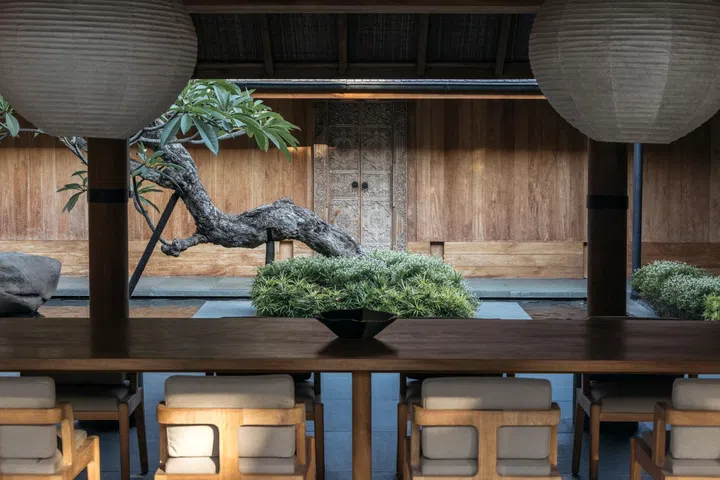
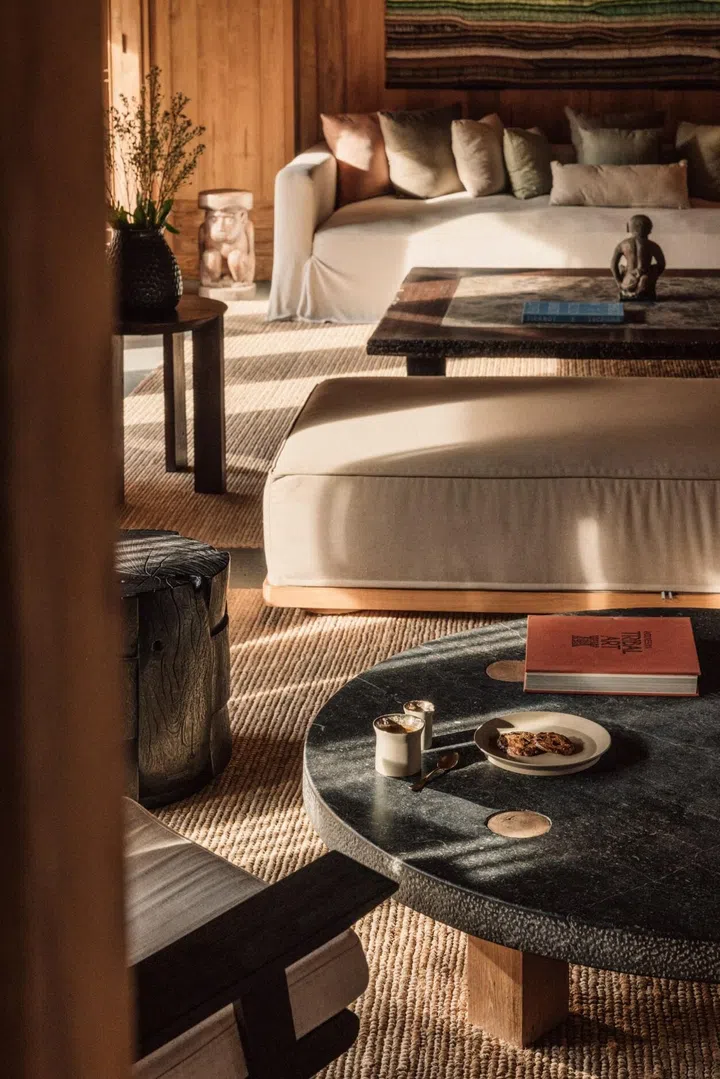
When he is not here, Rumah Rubah is rented out as a guesthouse, allowing him to share its beautiful spaces and nuances with a larger audience. It embodies the essence of Bali and Japan through “a Japanese-inspired villa with open-air elements, a beautiful patio, antiques, contemporary Balinese art and locally crafted furniture,” Loaëc describes.
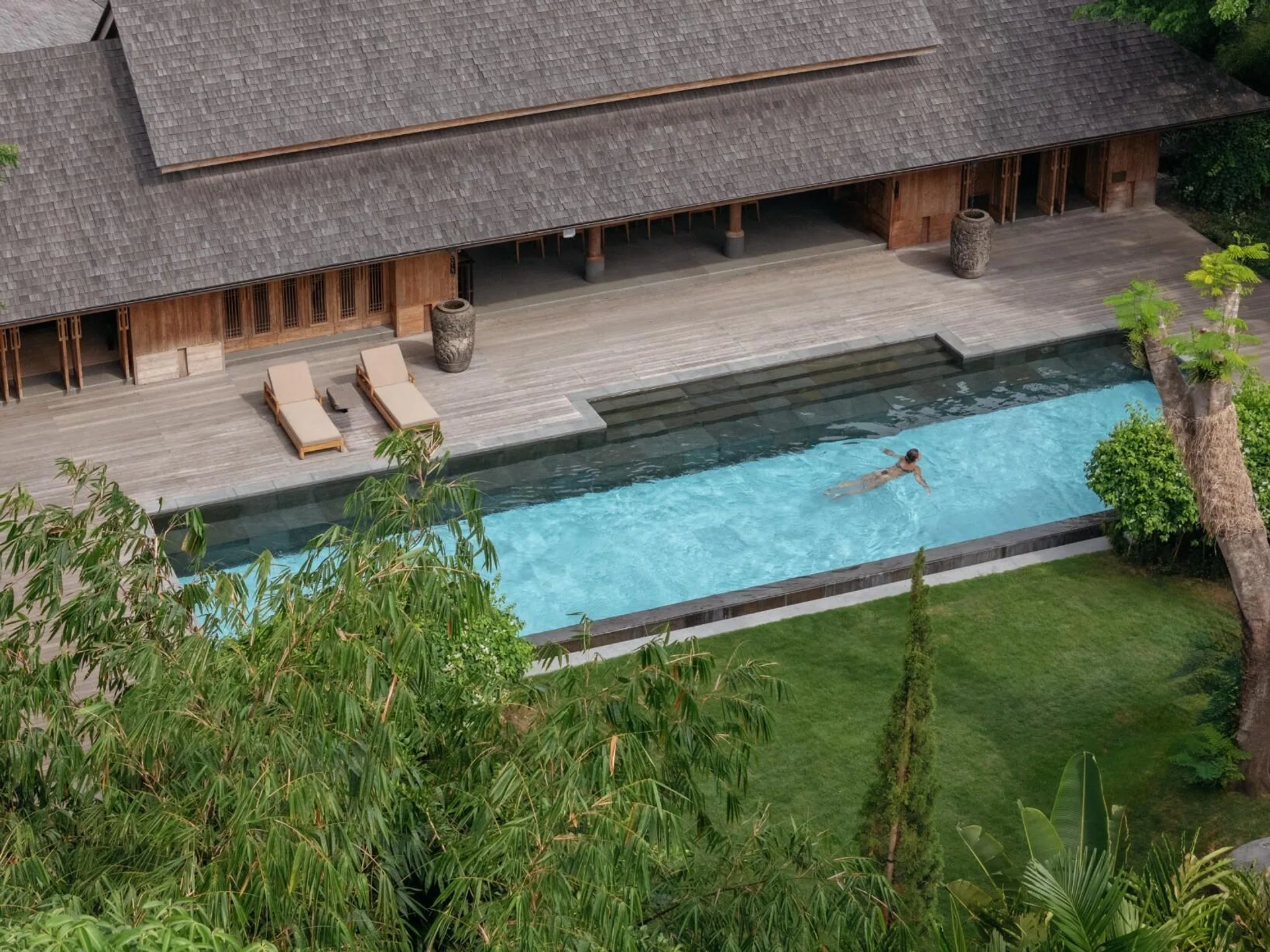
The Frenchman felt aligned with the site in Pererenan upon first seeing it. It is not far from bustling Canggu, nor from the coast. The capacious plot allowed him to surround the house in verdant landscapes — over 43,055.6 sq ft, in fact, of “an incredible, luscious garden with a traditional drum tower”.
Getting to the heart of it
Venezuelan-born architect and designer Maximilian Jencquel, who worked in Paris and is now a Balinese local, recalls how this lush land was once “dry, depleted, and almost barren” — a former rice field destroyed after cassava farming.
He also had to work with the topography, which slopes almost 10m down to the creek, which forms part of the Subak irrigation system. “This gave it a strong underlying logic, but also meant that drainage, access, and levels had to be handled very carefully. The challenge was not how to preserve nature, but how to reintroduce it. The project became as much about rebuilding an ecosystem as it was about designing a house,” says Jencquel.
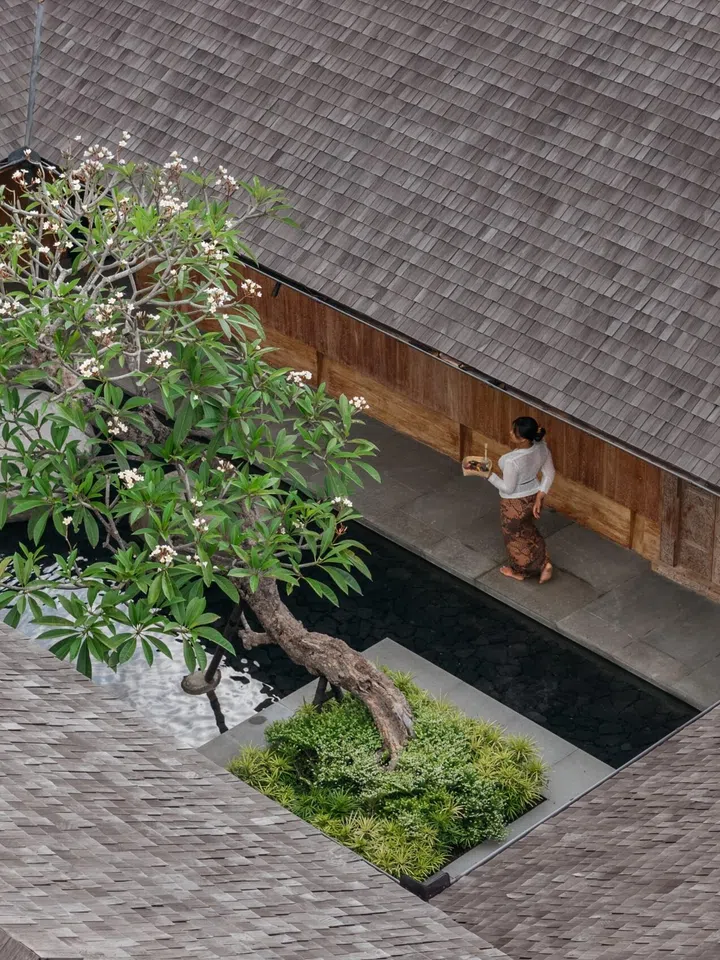
He positioned the house in the centre of the site to create “a sense of isolation”, immersing Rumah Rubah’s dwellers in a hidden world. The architecture comprises two opposing but also associated spatial encounters — “an expansive garden that opens outward, and a more introspective courtyard at the heart of the home,” Jencquel explains.
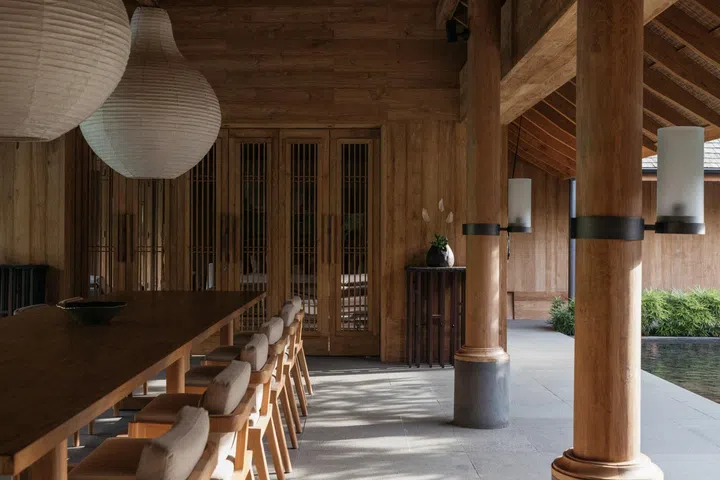
To reach this sanctum, one goes through a journey. “You pass through layers, through landscape, before reaching the house. The sequence matters more than efficiency,” states Jencquel. He wanted to shape a genius loci not based on direct Balinese references, but about “understanding deeper conditions”.
Jencquel elaborates, “Bali exists in a constant dialogue between past and present, tradition and modernity. The house tries to capture that tension without resolving it too literally. It does not belong to a specific time; it simply belongs.”
Giving into the flow
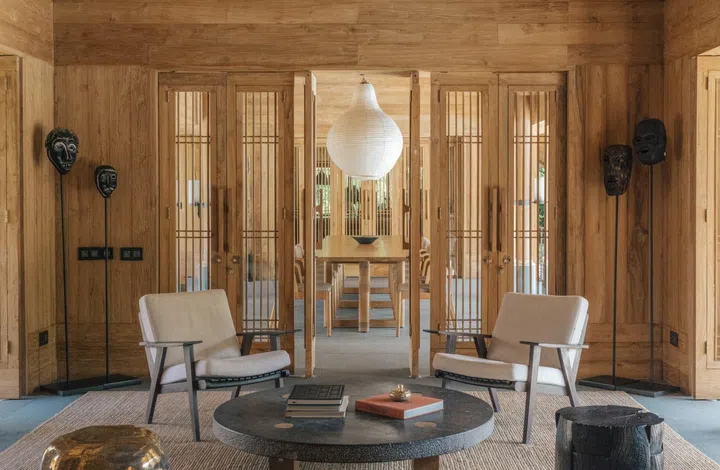
Time seems to suspend, too, for whoever comes. Touch, smell and all the other senses are augmented; the body relaxes. Away from urban cacophony, nature and its vicissitudes take centre stage, alongside the house’s shifting atmospheres and tactile surfaces.
“The positioning of the trees, the movement of the sun, and the direction of the wind were all considered as part of the architecture,” says Jencquel.
Teak floors and ancient doors, relocated to this paradise, coexist with modern amenities and systems such as solar panels, batteries, and rainwater harvesting. “This duality represents Bali itself,” says the architect.
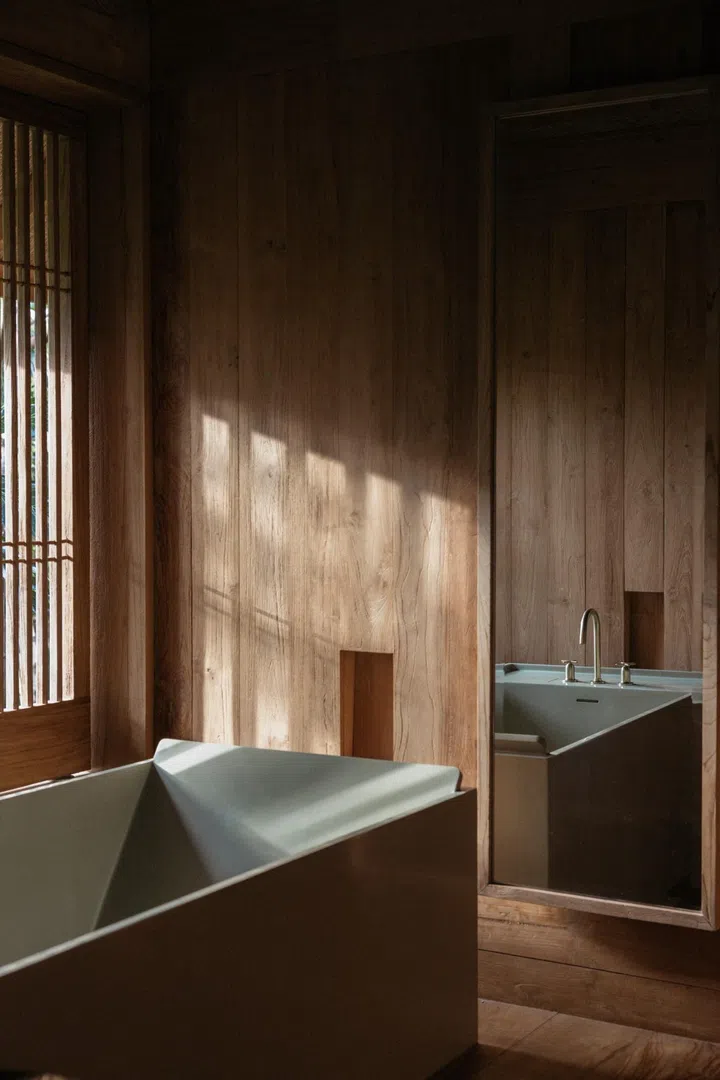
The house manifests the hands of its makers. Local craftsmen becoming teachers, sharing valuable pointers in proportion, joinery and finishing.
Realising Rumah Rubah was also a lesson in going with the flow, as many decisions were made on-site through discussion rather than through instructional drawings. “That process is essential to the final atmosphere,” says Jencquel.
The landscape design came about similarly — by observing the site. “Even animals instinctively seek shade, breeze, and proximity to water,” he says, on the grounding garden principles.
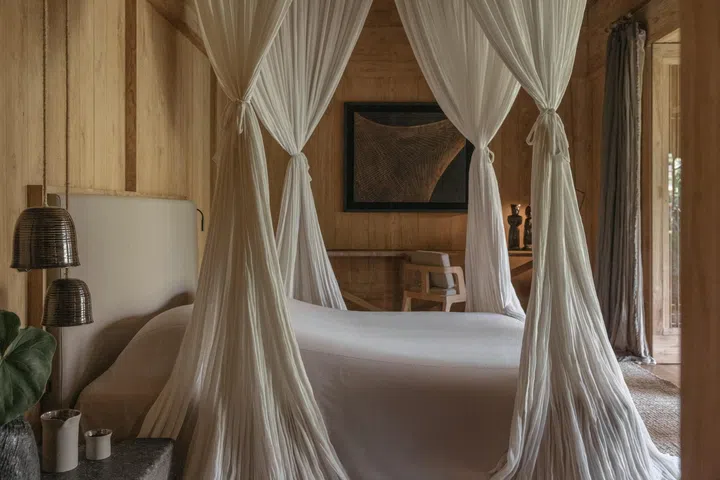
Rumah Rubah restores and rejuvenates, stimulates and stills in varying measures. It represents the most precious version of tropical living.
“The design of the house and garden makes it possible to be almost entirely outdoors. You’re basically outside 100 per cent of the time, which is one of the things I love most about it,” says Loaëc, on the allure of this place. “I hoped Rumah Rubah would give me the freedom to come to Bali as often as I want and to fully enjoy the best things about life here.”
Balinese spatial thinking — of the sequencing of spaces and the importance of thresholds — shaped the project. “Framing is essential; views are never fully given at once. There is always a sense of progression. Circulation is deliberately indirect. You move around spaces rather than through them, which creates moments of compression and release,” says Jencquel.