%22%3E%0A%3Cpath%20d%3D%22M412%20101.2H393.7C393.1%20101.2%20392.3%20100.9%20391.8%20100.5C377.3%2087.6004%20362.9%2074.6004%20348.4%2061.6004C344.8%2058.4004%20341.3%2055.2004%20337.7%2052.0004C337.1%2051.5004%20336.2%2051.1004%20335.5%2051.0004C334.2%2050.8004%20333%2051.0004%20331.5%2051.0004V101.1H316.7V0.100391H331.4V44.3004C331.9%2044.3004%20332.2%2044.4004%20332.5%2044.4004C334.9%2044.4004%20337.2%2044.5004%20339.6%2044.4004C340.4%2044.4004%20341.3%2044.0004%20341.8%2043.5004C351.6%2034.4004%20361.4%2025.2004%20371.1%2016.0004C376.5%2010.9004%20381.9%205.90039%20387.3%200.800391C387.9%200.200391%20388.5%200.000390626%20389.3%200.000390626H400.9C384.2%2015.8004%20367.8%2031.3004%20351.2%2047.0004C371.5%2065.0004%20391.8%2082.9004%20412.1%20100.9C412.1%20101%20412.1%20101.1%20412%20101.2ZM180.9%20101.2C184.1%2094.9004%20187.2%2088.9004%20190.3%2082.8004C198.3%2067.3004%20206.2%2051.8004%20214.2%2036.2004C220.3%2024.4004%20226.4%2012.5004%20232.4%200.700391C232.7%200.100391%20233%20-0.0996094%20233.7%20-0.0996094H248.1C248.8%20-0.0996094%20249.2%200.100391%20249.6%200.800391C256%2013.3004%20262.4%2025.7004%20268.8%2038.2004C279.3%2058.6004%20289.8%2079.0004%20300.3%2099.5004C300.5%20100%20300.8%20100.4%20301.1%20101.1C300.5%20101.1%20300.1%20101.2%20299.7%20101.2H286.5C285.6%20101.2%20285.1%20100.9%20284.7%20100.2C280.1%2091.3004%20275.4%2082.4004%20270.8%2073.4004C270.1%2072.1004%20269.3%2071.6004%20267.8%2071.6004H209.9C208.7%2071.6004%20208.1%2072.0004%20207.5%2073.1004C202.9%2082.1004%20198.2%2091.0004%20193.6%20100C193.1%20101%20192.6%20101.3%20191.5%20101.3C188.4%20101.2%20185.3%20101.3%20182.3%20101.3C182%20101.2%20181.6%20101.2%20180.9%20101.2ZM239.1%2011.4004C230%2029.2004%20221.1%2046.7004%20212.1%2064.3004H266.4C257.2%2046.7004%20248.2%2029.2004%20239.1%2011.4004ZM0%200.000390626H43.4C51.2%200.000390626%2058.7%201.20039%2065.7%204.80039C75.9%2010.0004%2078.9%2018.0004%2078.6%2027.4004C78.3%2034.3004%2076%2040.5004%2071.2%2045.5004C67.3%2049.6004%2062.4%2052.3004%2057.1%2054.3004C50.6%2056.7004%2043.9%2058.0004%2037.1%2058.6004C30.1%2059.2004%2023.1%2059.4004%2016.2%2059.7004C15.8%2059.7004%2015.3%2059.8004%2014.8%2059.8004V101.1H0.1C0%2067.4004%200%2033.8004%200%200.000390626ZM14.8%207.10039V52.2004C23.7%2052.4004%2032.6%2052.3004%2041.2%2050.1004C44.4%2049.3004%2047.6%2048.2004%2050.6%2046.7004C58.4%2043.0004%2062.3%2036.7004%2062.7%2028.0004C63%2019.9004%2059.5%2014.1004%2052.4%2010.5004C47.6%208.00039%2042.5%207.10039%2037.2%207.10039H14.8ZM95.9%20101.1V0.100391H167.3V7.20039H110.7V44.7004H158.1V51.9004H110.8V93.9004H171.1V101C146.1%20101.1%20121%20101.1%2095.9%20101.1Z%22%20fill%3D%22black%22%2F%3E%0A%3Cpath%20d%3D%22M35.0004%2025.7996H42.5004V20.6996H44.8004V33.1996H42.6004V27.5996H34.9004V33.2996H32.7004V20.7996H35.0004V25.7996ZM54.4004%2025.8996V27.2996H48.9004V31.6996H55.9004C55.9004%2032.1996%2056.0004%2032.5996%2056.0004%2033.0996H46.5004V20.5996H55.5004V21.8996H49.0004V25.7996C50.7004%2025.8996%2052.5004%2025.8996%2054.4004%2025.8996ZM25.9004%2033.0996H23.5004V21.9996H17.9004V20.6996H31.6004V22.0996H27.1004C26.2004%2022.0996%2025.9004%2022.2996%2025.9004%2023.1996C26.0004%2026.0996%2025.9004%2028.9996%2025.9004%2031.7996V33.0996Z%22%20fill%3D%22black%22%2F%3E%0A%3C%2Fg%3E%0A%3Cdefs%3E%0A%3CclipPath%20id%3D%22clip0_388_462%22%3E%0A%3Crect%20width%3D%22411%22%20height%3D%22101.2%22%20fill%3D%22white%22%2F%3E%0A%3C%2FclipPath%3E%0A%3C%2Fdefs%3E%0A%3C%2Fsvg%3E%0A)
How Cristiano Ronaldo built a billion-dollar investment portfolio
From Perplexity AI and WHOOP to hotel chains and football clubs, Cristiano Ronaldo has built a diverse investment portfolio that extends far beyond the pitch. Here’s how the football star invests and the lessons behind his wealth strategy.
By Jodie Wong /
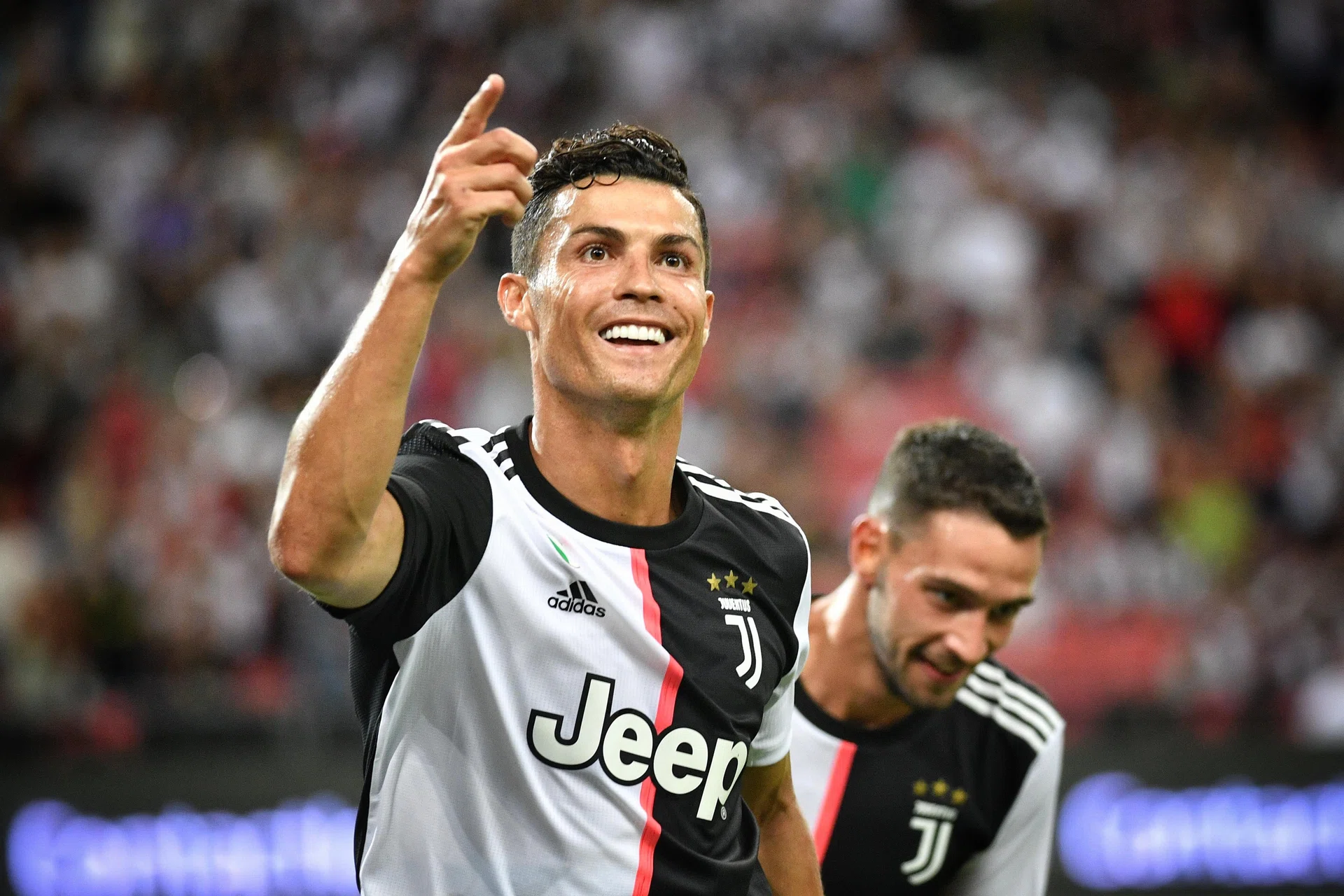
Share this article
Everyone knows Cristiano Ronaldo as one of the highest-paid athletes in the world. Fewer know that he’s an early investor in Perplexity AI, holds equity in the wearable technology company WHOOP, and is a part-owner of a Spanish football club.
Beyond football and endorsements, Ronaldo has built a diverse investment portfolio that has helped him become the first football player to reach billionaire status. We break down how he did it and the principles behind his investment strategies.
From endorsements to ownership
Cristiano Ronaldo’s investments have evolved alongside his career. While endorsement deals with brands such as Nike, Herbalife, and Therabody remain a significant source of income, his business interests increasingly centre on equity ownership rather than just lending his name to products.
He has already built stakes in businesses across sport, hospitality, and luxury, and Forbes estimates Ronaldo’s current net worth at US$1.2 billion ($1.55 billion). Rather than relying solely on his football salary and endorsement income, he has channelled those earnings into businesses that can continue creating value long after his playing career.
Hospitality
One of Ronaldo’s earliest investments was in hospitality. In 2016, he partnered with Portugal’s largest hotel group, Pestana, to launch Pestana CR7 Lifestyle Hotels, a joint venture that combines the group’s operational expertise with the global recognition of the CR7 brand.
The flagship hotel opened in Ronaldo’s hometown of Madeira, but the brand has since expanded beyond Portugal to Madrid, New York, and Marrakech. Each property reflects the CR7 identity, with sports-inspired interiors and specially designed gyms and wellness facilities that align with his brand.
Ronaldo has previously said that it has always been his ambition to own a hotel. That personal connection is a common thread across many of his investments. Rather than backing businesses at random, he tends to invest in industries he understands or products he already uses.
It allows him to make more informed business decisions while reinforcing the CR7 brand, giving fans confidence that his investments are more than just licensing deals.
Healthcare and wellness
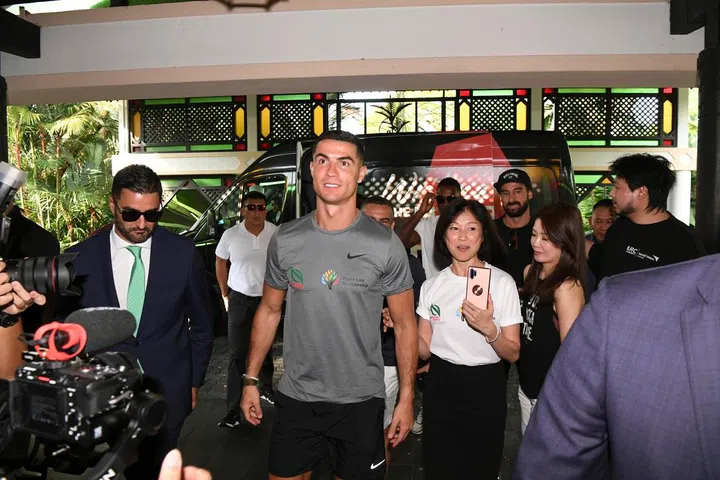
It’s no surprise that health and wellness feature prominently in Ronaldo’s investment portfolio, given that performance and recovery have defined much of his career.
In 2019, he partnered with entrepreneur Paulo Ramos to launch Insparya, a network of clinics across Europe and the Middle East specialising in hair transplant procedures and hair health research. Ronaldo said one of his motivations for launching the business was to address the growing prevalence of alopecia in Europe and help improve people’s self-esteem. “Everyone likes to take care of their image, and I am a very clear example of this,” he said at the inauguration of his company.
More recently, he added Bioniq to his portfolio, a London-based health technology company specialising in AI-driven personalised nutritional supplements. Users can submit information such as their lifestyle, diet, and even blood biomarkers to receive a customised supplement formula.
Ronaldo was already a user of the platform before becoming an investor and ambassador. In March 2026, it was announced that Herbalife would be acquiring Bioniq in a deal valued at up to US$150 million.
Performance technology
Performance technology is another industry Cristiano Ronaldo knows well. Before becoming an investor, he had already been an active WHOOP user for about two years.
WHOOP is a wearable fitness tracker and companion app that monitors physiological metrics such as sleep, resting heart rate and heart rate variability to help users optimise their health and recovery. The platform first gained traction among elite athletes and military units before becoming increasingly popular with everyday consumers looking to better understand their health.
Ronaldo joined a growing roster of WHOOP’s athlete-investors, including Michael Phelps, Rory McIlroy, and Patrick Mahomes. His partnership with the company also coincided with their expansion into the Middle East, including Saudi Arabia and Qatar, as well as Asian markets such as Hong Kong and South Korea.
Sports and football
Perhaps Cristiano Ronaldo’s most personal investment is in football itself. He has previously said, “This (becoming a club owner) is my dream, and I’m sure I’ll get there. I’ll even say more: I hope to not only have one club but to own several clubs.”
Earlier this year, he moved a step closer to that goal by becoming a co-owner of Spanish second division team UD Almeria after acquiring a 25 per cent stake in the club through his newly formed CR7 Sports Investments company. UD Almeria is owned by a Saudi Arabian investment consortium led by Mohammed Al-Khereiji.
Ronaldo is no stranger to Spanish football, having spent nine years at Real Madrid, and his desire to contribute to the game beyond his playing career is clear. “UD Almeria is a Spanish club with strong foundations and clear potential for growth,” he said in an official statement.
His sporting investments extend beyond football. Ronaldo has also backed UFL, a free-to-play football video game, invested in Spanish mixed martial arts promotion WOW FC, and financed Padel City, a 17-court sports complex in Lisbon dedicated to padel.
Artificial intelligence
Not every Cristiano Ronaldo investment follows the same formula. In 2025, he expanded into artificial intelligence by becoming a major investor and brand ambassador in San Francisco-based AI search engine Perplexity AI.
While the financial details of his investment have not been disclosed, Perplexity AI was valued at US$20 billion during its September 2025 funding round. For the company, partnering with Ronaldo offered more than just another celebrity endorsement. His global profile and social media following gave Perplexity an opportunity to reach mainstream audiences and accelerate its international growth.
The investment also reflects Ronaldo’s willingness to look beyond the industries he knows best. Perplexity AI demonstrates that it is also prepared to back emerging technologies with significant long-term growth potential.
Media and entertainment
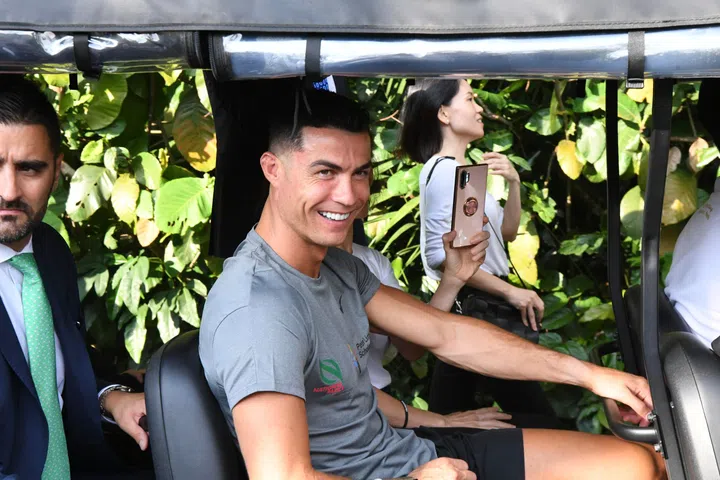
Media and entertainment have become another pillar of Ronaldo’s investment portfolio. His investments span newspapers, television, and film production.
In 2023, he acquired a 30 per cent stake in Cofina Media, which was later rebranded as Medialivre, making him the company’s second-largest shareholder. Its portfolio includes Correio da Manhã, one of Portugal’s best-selling daily newspapers, the sports publication Record, and the television channel NOW.
He has also expanded into film production through UR•MARV, a studio launched in 2025 in partnership with British filmmaker Matthew Vaughn. A long-time film enthusiast, Ronaldo said his passion for cinema inspired the venture. The two have already produced and financed two action films together and are beginning work on a third in the same series.
Luxury watches
A passionate watch collector with more than 50 pieces in his personal collection, Ronaldo acquired a minority stake in Chrono24, the world’s largest online marketplace for luxury watches. The investment placed him alongside existing shareholders, including private equity firms and the family investment firm of LVMH chairman Bernard Arnault.
Chrono24 had more than half a million active listings and was valued at more than US$1 billion in a 2021 funding round. The pre-owned luxury watch market has also continued to grow, reaching US$35.7 billion in 2026, making the sector an attractive investment opportunity.
The CR7 brand
More than any individual investment, the CR7 brand has become one of Cristiano Ronaldo’s most valuable business assets.
Ronaldo started using his nickname, CR7, a combination of his initials and his famous jersey number from his time at Manchester United, and later transformed it into a globally recognised brand.
He officially launched CR7, a fashion boutique, in his hometown of Madeira in 2006. The brand has since expanded well beyond fashion to include underwear, footwear, fragrances, watches, and accessories, built through partnerships in which Ronaldo holds equity rather than simple licensing deals.
Ronaldo has said building his own brand was a deliberate choice. He wanted something that was entirely his, not just his face on someone else’s product. The CR7 brand also strengthens the rest of his portfolio.
The same following that drives CR7 product sales brings visibility to Pestana CR7 Hotels, adds credibility to his health and wellness partnerships, and gives new investments an audience that most companies spend years building.
What investors can learn from Cristiano Ronaldo’s investment strategy
Looking across his portfolio, a few patterns stand out:
- He mostly invests in businesses and industries he understands. Whether it’s wellness, media or football, many of Cristiano Ronaldo’s investments are closely linked to industries he has spent decades working in or has a personal connection to. Perplexity AI is one of the few exceptions, showing that he is also open to opportunities in emerging industries with strong growth potential.
- In recent years, Ronaldo has prioritised owning a part of a business rather than simply being paid to promote it. By taking ownership stakes, he can benefit if those businesses grow over time, rather than earning a one-off endorsement fee.
- Many of his investments are also connected by the CR7 brand. The same following that buys his products also brings attention to his hotels, health and wellness partnerships, and new business ventures. Rather than existing in isolation, each investment helps strengthen the others.
While few people have Ronaldo’s wealth or global following, the principles behind his investment strategy are easier to apply than they might seem. Understanding the industries you invest in, thinking long term and building on your existing strengths are lessons that any investor can take away.