%22%3E%0A%3Cpath%20d%3D%22M412%20101.2H393.7C393.1%20101.2%20392.3%20100.9%20391.8%20100.5C377.3%2087.6004%20362.9%2074.6004%20348.4%2061.6004C344.8%2058.4004%20341.3%2055.2004%20337.7%2052.0004C337.1%2051.5004%20336.2%2051.1004%20335.5%2051.0004C334.2%2050.8004%20333%2051.0004%20331.5%2051.0004V101.1H316.7V0.100391H331.4V44.3004C331.9%2044.3004%20332.2%2044.4004%20332.5%2044.4004C334.9%2044.4004%20337.2%2044.5004%20339.6%2044.4004C340.4%2044.4004%20341.3%2044.0004%20341.8%2043.5004C351.6%2034.4004%20361.4%2025.2004%20371.1%2016.0004C376.5%2010.9004%20381.9%205.90039%20387.3%200.800391C387.9%200.200391%20388.5%200.000390626%20389.3%200.000390626H400.9C384.2%2015.8004%20367.8%2031.3004%20351.2%2047.0004C371.5%2065.0004%20391.8%2082.9004%20412.1%20100.9C412.1%20101%20412.1%20101.1%20412%20101.2ZM180.9%20101.2C184.1%2094.9004%20187.2%2088.9004%20190.3%2082.8004C198.3%2067.3004%20206.2%2051.8004%20214.2%2036.2004C220.3%2024.4004%20226.4%2012.5004%20232.4%200.700391C232.7%200.100391%20233%20-0.0996094%20233.7%20-0.0996094H248.1C248.8%20-0.0996094%20249.2%200.100391%20249.6%200.800391C256%2013.3004%20262.4%2025.7004%20268.8%2038.2004C279.3%2058.6004%20289.8%2079.0004%20300.3%2099.5004C300.5%20100%20300.8%20100.4%20301.1%20101.1C300.5%20101.1%20300.1%20101.2%20299.7%20101.2H286.5C285.6%20101.2%20285.1%20100.9%20284.7%20100.2C280.1%2091.3004%20275.4%2082.4004%20270.8%2073.4004C270.1%2072.1004%20269.3%2071.6004%20267.8%2071.6004H209.9C208.7%2071.6004%20208.1%2072.0004%20207.5%2073.1004C202.9%2082.1004%20198.2%2091.0004%20193.6%20100C193.1%20101%20192.6%20101.3%20191.5%20101.3C188.4%20101.2%20185.3%20101.3%20182.3%20101.3C182%20101.2%20181.6%20101.2%20180.9%20101.2ZM239.1%2011.4004C230%2029.2004%20221.1%2046.7004%20212.1%2064.3004H266.4C257.2%2046.7004%20248.2%2029.2004%20239.1%2011.4004ZM0%200.000390626H43.4C51.2%200.000390626%2058.7%201.20039%2065.7%204.80039C75.9%2010.0004%2078.9%2018.0004%2078.6%2027.4004C78.3%2034.3004%2076%2040.5004%2071.2%2045.5004C67.3%2049.6004%2062.4%2052.3004%2057.1%2054.3004C50.6%2056.7004%2043.9%2058.0004%2037.1%2058.6004C30.1%2059.2004%2023.1%2059.4004%2016.2%2059.7004C15.8%2059.7004%2015.3%2059.8004%2014.8%2059.8004V101.1H0.1C0%2067.4004%200%2033.8004%200%200.000390626ZM14.8%207.10039V52.2004C23.7%2052.4004%2032.6%2052.3004%2041.2%2050.1004C44.4%2049.3004%2047.6%2048.2004%2050.6%2046.7004C58.4%2043.0004%2062.3%2036.7004%2062.7%2028.0004C63%2019.9004%2059.5%2014.1004%2052.4%2010.5004C47.6%208.00039%2042.5%207.10039%2037.2%207.10039H14.8ZM95.9%20101.1V0.100391H167.3V7.20039H110.7V44.7004H158.1V51.9004H110.8V93.9004H171.1V101C146.1%20101.1%20121%20101.1%2095.9%20101.1Z%22%20fill%3D%22black%22%2F%3E%0A%3Cpath%20d%3D%22M35.0004%2025.7996H42.5004V20.6996H44.8004V33.1996H42.6004V27.5996H34.9004V33.2996H32.7004V20.7996H35.0004V25.7996ZM54.4004%2025.8996V27.2996H48.9004V31.6996H55.9004C55.9004%2032.1996%2056.0004%2032.5996%2056.0004%2033.0996H46.5004V20.5996H55.5004V21.8996H49.0004V25.7996C50.7004%2025.8996%2052.5004%2025.8996%2054.4004%2025.8996ZM25.9004%2033.0996H23.5004V21.9996H17.9004V20.6996H31.6004V22.0996H27.1004C26.2004%2022.0996%2025.9004%2022.2996%2025.9004%2023.1996C26.0004%2026.0996%2025.9004%2028.9996%2025.9004%2031.7996V33.0996Z%22%20fill%3D%22black%22%2F%3E%0A%3C%2Fg%3E%0A%3Cdefs%3E%0A%3CclipPath%20id%3D%22clip0_388_462%22%3E%0A%3Crect%20width%3D%22411%22%20height%3D%22101.2%22%20fill%3D%22white%22%2F%3E%0A%3C%2FclipPath%3E%0A%3C%2Fdefs%3E%0A%3C%2Fsvg%3E%0A)

Share this article
Ty Wiggins' ‘The New CEO: Lessons from CEOs on How to Start Well and Perform Quickly (Minus the Common Mistakes)’ reads like a compass for the newly appointed, offering a mix of practical advice and stark realities. Not to be mistaken for another guide on how to lead, it’s a candid look at how to survive and thrive in what Wiggins frames as the loneliest job in business.
With a narrative grounded in both hard-won experience and thorough research, the book manages to be instructive without feeling pedantic, steering clear of empty platitudes and instead honing in on actionable strategies.
Wiggins addresses the myths that often accompany new CEO appointments, particularly the obsession with quick wins in the first 100 days — a pressure that can derail even the most prepared leaders.
His call to reject this frantic pace is both refreshing and necessary; it’s less about doing everything at once and more about setting the right tone that defines leadership for the long haul. He eschews macho, unfettered survival for something more philosophical, espousing crafting a vision that’s deeply aligned with an organisation’s DNA. Wiggins makes a compelling case for why CEOs must resist the temptation to prioritise optics over substance.
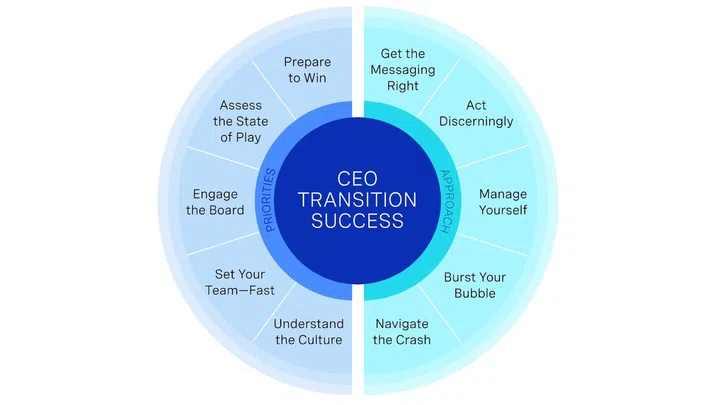
What stands out in ‘The New CEO’ is Wiggins' willingness to dive into the psychological and emotional tolls of leadership. He tackles the “CEO Bubble” with precision, illustrating how easily leaders can become insulated by their titles and disconnected from the very teams they’re supposed to inspire.
His is a sharp reminder that the corner office can quickly become an echo chamber if CEOs aren't vigilant about maintaining open, honest lines of communication. Wiggins emphasises that being a CEO isn’t only about making decisions — it’s about making the right ones, guided by real insights rather than curated feedback.
Still, the book isn’t without its limitations. Some readers might find that Wiggins treads familiar ground, particularly for seasoned executives who’ve already spent time navigating the C-suite’s complexities. There’s also a sense that, while his advice is solid, it doesn’t always break new ground for those looking for radical shifts in thinking. However, Wiggins’ ability to weave narrative with practicality keeps the material engaging, even when revisiting well-known leadership tropes.

One of the most valuable aspects of Wiggins’ approach is his emphasis on the human element of leadership — understanding that CEOs, for all their power, are still individuals grappling with personal and professional anxieties. He writes not with the lofty detachment of a distant expert but with the understanding of someone who’s seen leaders at their most vulnerable.
This empathy permeates the book, turning it into a guide that feels less like a lecture and more like a mentor’s conversation.
For new CEOs, ‘The New CEO’ is a must-read, offering a realistic playbook that doesn’t shy away from the gritty details of what it takes to succeed. It’s also a reminder that leadership is less about bravado and more about thoughtful, deliberate action.
Over the course of 270 pages, Wiggins challenges new leaders to slow down, recalibrate, and avoid the common traps that so often define the early days of a CEO’s tenure.
This book serves as both a cautionary tale and an encouraging guide, urging CEOs to lead not just with their heads but with a sense of purpose that transcends the immediate demands of the role.
Whether you’re navigating your first executive appointment or simply looking to deepen your understanding of leadership dynamics, Wiggins’ insights cut through the noise, providing a rare, candid look at what it truly means to lead with intention and purpose. In a world obsessed with speed, he reminds us that the best leaders perform not just quickly, but wisely and for that, Wiggins’ insights are truly invaluable.