%22%3E%0A%3Cpath%20d%3D%22M412%20101.2H393.7C393.1%20101.2%20392.3%20100.9%20391.8%20100.5C377.3%2087.6004%20362.9%2074.6004%20348.4%2061.6004C344.8%2058.4004%20341.3%2055.2004%20337.7%2052.0004C337.1%2051.5004%20336.2%2051.1004%20335.5%2051.0004C334.2%2050.8004%20333%2051.0004%20331.5%2051.0004V101.1H316.7V0.100391H331.4V44.3004C331.9%2044.3004%20332.2%2044.4004%20332.5%2044.4004C334.9%2044.4004%20337.2%2044.5004%20339.6%2044.4004C340.4%2044.4004%20341.3%2044.0004%20341.8%2043.5004C351.6%2034.4004%20361.4%2025.2004%20371.1%2016.0004C376.5%2010.9004%20381.9%205.90039%20387.3%200.800391C387.9%200.200391%20388.5%200.000390626%20389.3%200.000390626H400.9C384.2%2015.8004%20367.8%2031.3004%20351.2%2047.0004C371.5%2065.0004%20391.8%2082.9004%20412.1%20100.9C412.1%20101%20412.1%20101.1%20412%20101.2ZM180.9%20101.2C184.1%2094.9004%20187.2%2088.9004%20190.3%2082.8004C198.3%2067.3004%20206.2%2051.8004%20214.2%2036.2004C220.3%2024.4004%20226.4%2012.5004%20232.4%200.700391C232.7%200.100391%20233%20-0.0996094%20233.7%20-0.0996094H248.1C248.8%20-0.0996094%20249.2%200.100391%20249.6%200.800391C256%2013.3004%20262.4%2025.7004%20268.8%2038.2004C279.3%2058.6004%20289.8%2079.0004%20300.3%2099.5004C300.5%20100%20300.8%20100.4%20301.1%20101.1C300.5%20101.1%20300.1%20101.2%20299.7%20101.2H286.5C285.6%20101.2%20285.1%20100.9%20284.7%20100.2C280.1%2091.3004%20275.4%2082.4004%20270.8%2073.4004C270.1%2072.1004%20269.3%2071.6004%20267.8%2071.6004H209.9C208.7%2071.6004%20208.1%2072.0004%20207.5%2073.1004C202.9%2082.1004%20198.2%2091.0004%20193.6%20100C193.1%20101%20192.6%20101.3%20191.5%20101.3C188.4%20101.2%20185.3%20101.3%20182.3%20101.3C182%20101.2%20181.6%20101.2%20180.9%20101.2ZM239.1%2011.4004C230%2029.2004%20221.1%2046.7004%20212.1%2064.3004H266.4C257.2%2046.7004%20248.2%2029.2004%20239.1%2011.4004ZM0%200.000390626H43.4C51.2%200.000390626%2058.7%201.20039%2065.7%204.80039C75.9%2010.0004%2078.9%2018.0004%2078.6%2027.4004C78.3%2034.3004%2076%2040.5004%2071.2%2045.5004C67.3%2049.6004%2062.4%2052.3004%2057.1%2054.3004C50.6%2056.7004%2043.9%2058.0004%2037.1%2058.6004C30.1%2059.2004%2023.1%2059.4004%2016.2%2059.7004C15.8%2059.7004%2015.3%2059.8004%2014.8%2059.8004V101.1H0.1C0%2067.4004%200%2033.8004%200%200.000390626ZM14.8%207.10039V52.2004C23.7%2052.4004%2032.6%2052.3004%2041.2%2050.1004C44.4%2049.3004%2047.6%2048.2004%2050.6%2046.7004C58.4%2043.0004%2062.3%2036.7004%2062.7%2028.0004C63%2019.9004%2059.5%2014.1004%2052.4%2010.5004C47.6%208.00039%2042.5%207.10039%2037.2%207.10039H14.8ZM95.9%20101.1V0.100391H167.3V7.20039H110.7V44.7004H158.1V51.9004H110.8V93.9004H171.1V101C146.1%20101.1%20121%20101.1%2095.9%20101.1Z%22%20fill%3D%22black%22%2F%3E%0A%3Cpath%20d%3D%22M35.0004%2025.7996H42.5004V20.6996H44.8004V33.1996H42.6004V27.5996H34.9004V33.2996H32.7004V20.7996H35.0004V25.7996ZM54.4004%2025.8996V27.2996H48.9004V31.6996H55.9004C55.9004%2032.1996%2056.0004%2032.5996%2056.0004%2033.0996H46.5004V20.5996H55.5004V21.8996H49.0004V25.7996C50.7004%2025.8996%2052.5004%2025.8996%2054.4004%2025.8996ZM25.9004%2033.0996H23.5004V21.9996H17.9004V20.6996H31.6004V22.0996H27.1004C26.2004%2022.0996%2025.9004%2022.2996%2025.9004%2023.1996C26.0004%2026.0996%2025.9004%2028.9996%2025.9004%2031.7996V33.0996Z%22%20fill%3D%22black%22%2F%3E%0A%3C%2Fg%3E%0A%3Cdefs%3E%0A%3CclipPath%20id%3D%22clip0_388_462%22%3E%0A%3Crect%20width%3D%22411%22%20height%3D%22101.2%22%20fill%3D%22white%22%2F%3E%0A%3C%2FclipPath%3E%0A%3C%2Fdefs%3E%0A%3C%2Fsvg%3E%0A)
Inside voco Kuching: The hotel that began with a wellness centre
It’s a decision that reshaped the whole project, down to a ground floor anchored by Best Borneo, a homegrown concept store built around Sarawakian craft and design.
By Zawani Abdul Ghani /
Share this article
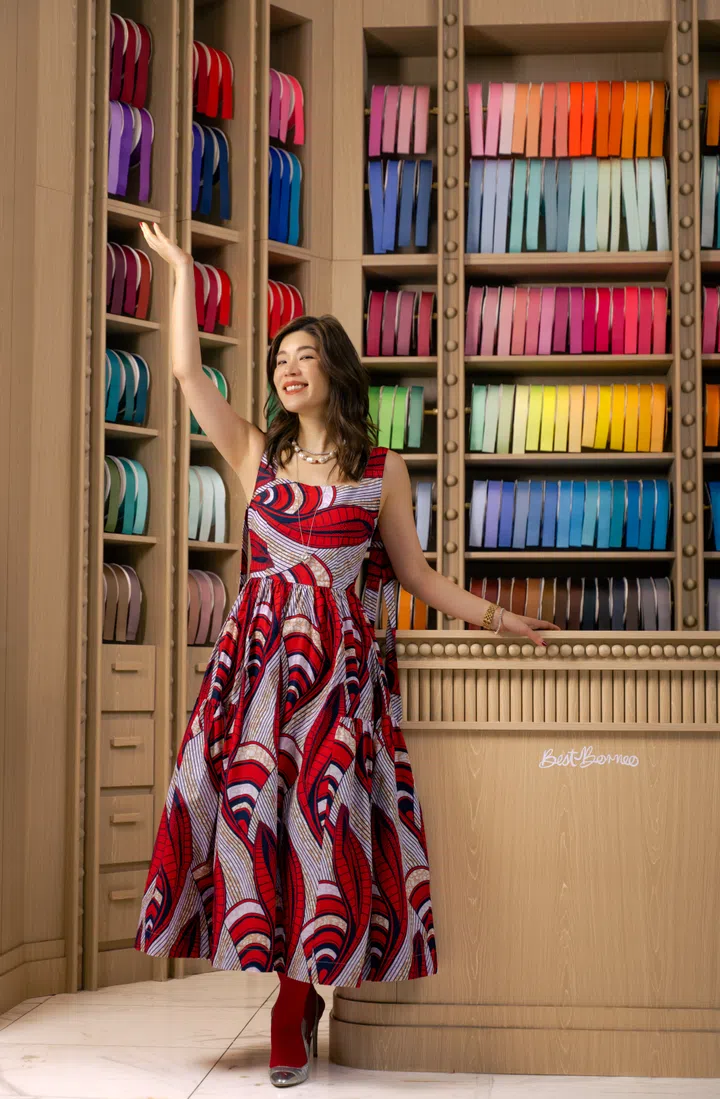
At the retail counter of Best Borneo, on the ground floor of Kuching’s newest hotel, guests choosing a gift can pick from a wall of 182 ribbon colours, then finish the parcel with a custom sticker or monogram. It’s a small piece of theatre. It also says a great deal about the two people who built this place.
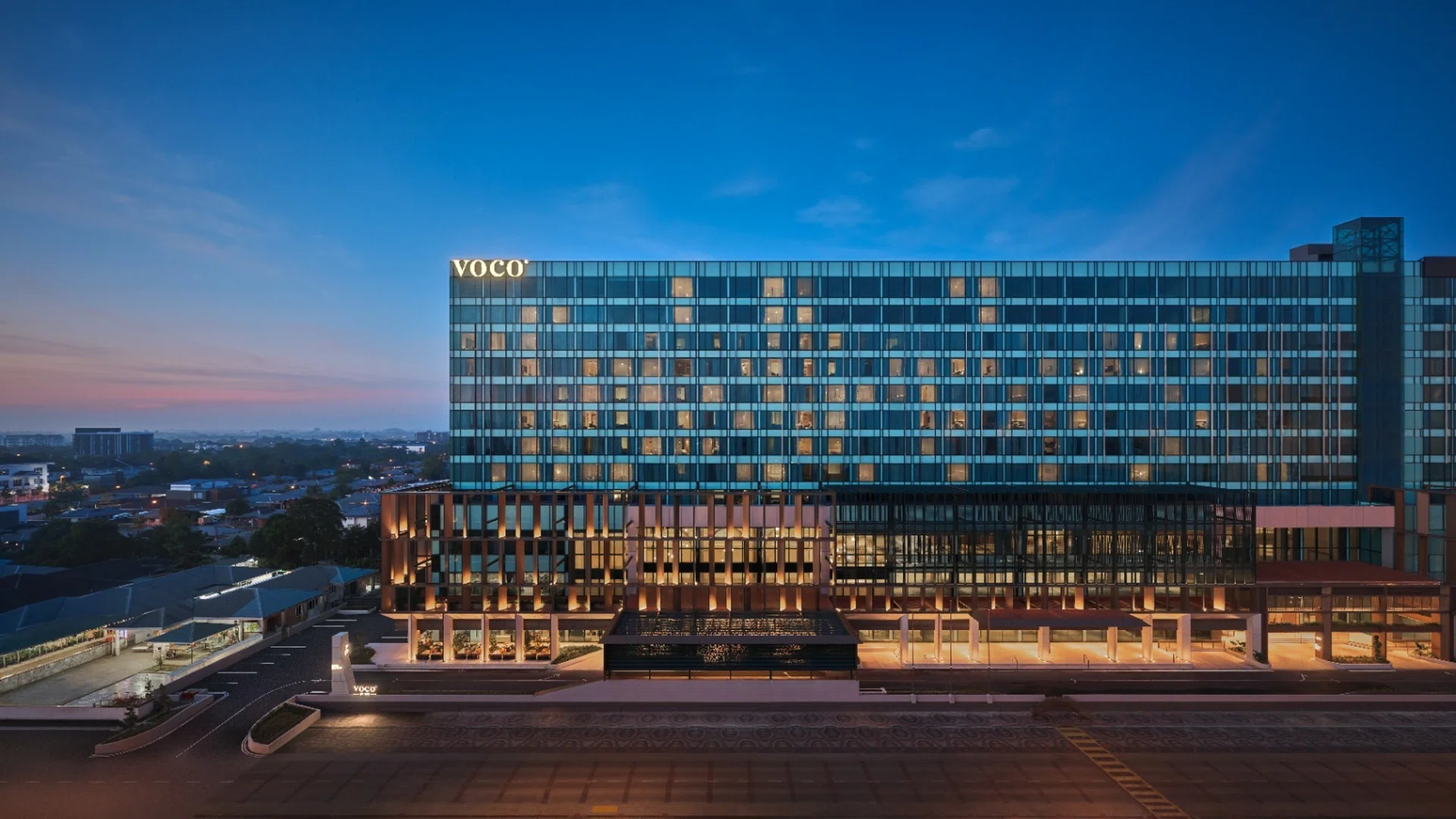
Voco Kuching, which opened its doors on July 28, is Malaysia’s first property under IHG’s voco brand. It occupies Wisma Elica, a mixed-use development on Kuching‘s waterfront that also houses Care Collective, a senior wellness centre, and a retail line-up anchored by Best Borneo, the concept store co-founded by designer Datin Shen-Tel Lee.
Voco Kuching is the name on the marquee. Wisma Elica, the building around it, is where the more interesting decisions were made.
A wellness centre, first
Before there was a hotel, there was a search for a place to house Kuching’s senior wellness services.
“Care Collective was actually where the project began,” says Dato Bobby Ting, managing director of Elica Equity, the developer behind Wisma Elica. “We were exploring suitable locations for the senior wellness centre when we recognised that the former hotel presented the perfect opportunity.”
In its previous life, the building had already hosted much of Kuching’s collective memory: weddings, family dinners, community celebrations. Rather than treat that history as a constraint, Ting used it to rethink the project’s maths entirely. The original hotel’s far larger room inventory was scaled back to make space for Care Collective.
“The resulting 321-room voco Kuching is a more manageable hotel inventory, allowing us to better drive room rates while still having sufficient capacity to support Kuching’s MICE market,” Ting explains.
“It became a natural combination: a right-sized international hotel alongside a professionally operated senior wellness centre, each strengthening the overall destination.”
Reviving, not reopening
Ting is candid that hospitality isn’t his background. Elica Equity’s roots are in property development and construction. He treats that as an advantage, not a gap.
“Being an outsider to the hotel industry also helped me look at Wisma Elica as a whole,” he says. “I considered how a hotel, retail outlets, a neighbourhood grocer and a senior wellness centre could coexist harmoniously, rather than focusing solely on maximising the number of hotel rooms.”
That outsider’s logic also shaped the decision to keep the original building rather than start over. A new build would have meant a far larger capital outlay. But the calculation wasn’t only financial.
“The existing building already held its own history and a special place in the memories of many people in Kuching,” Ting says. “Rather than erasing what came before, we chose to build upon it — retaining the building’s foundations and memories while giving it a new identity and a new purpose.”
That same instinct, a new identity without erasing what came before, shaped the choice of hotel brand too. Within IHG’s portfolio, Ting says it stood out as “relaxed, contemporary, and full of personality”, giving the project room to be expressive with design and guest experience while still meeting IHG’s international standards. It also came with a title nobody else in the country could claim: Malaysia’s first voco hotel.
Ask Ting what he pushed hardest for, and he points to a ballroom, not a design flourish. At various points in planning, the more conventional, more spreadsheet-friendly option was to shrink the event spaces and grow the room count.
“I felt strongly that the ballroom, meeting spaces, and other community-facing elements were essential,” Ting says. “Kuching needed more quality spaces for weddings, conferences, performances, and major events. These facilities may not always appear to be the most straightforward choice on a spreadsheet, but they are what allow a hotel to become part of the life of a city.”
What’s changed in Kuching
Ting’s civic case for the building is only half the story. The other half belongs to his wife, Datin Shen-Tel Lee — not a formal owner of the project, but its clearest cultural voice. Best known before this project as co-founder of design labels Sereni & Shentel and Bowerhaus, and as the founder of Kuching Food Aid, Lee has spent close to two decades in Sarawak’s design and retail scene, long before this project existed.
Her read on Kuching’s tourism identity is that it’s been shifting for years. She credits a generation of Sarawakians who left to study or work and returned wanting to build things locally.
“They return with new references, new skills and a desire to build the things they may have loved overseas, only with a Sarawakian point of view,” Lee says. “Five years ago, we were still proving that there was an audience for these ideas. Today, there is greater confidence, more creative talent and a more discerning local market.”
AirBorneo, Sarawak’s regional carrier, was rebranded this year from MAS Wings. Lee treats its expanding network, including direct links to Kuala Lumpur and Singapore, as groundwork more than headline news. It’s what lets a particular kind of traveller take Kuching seriously as a destination, not a stopover.
“They are curious, food-loving, and happy to wander,” she says of this traveller. “They value craftsmanship, storytelling and the beauty of the everyday.”
This is what Borneo is capable of making
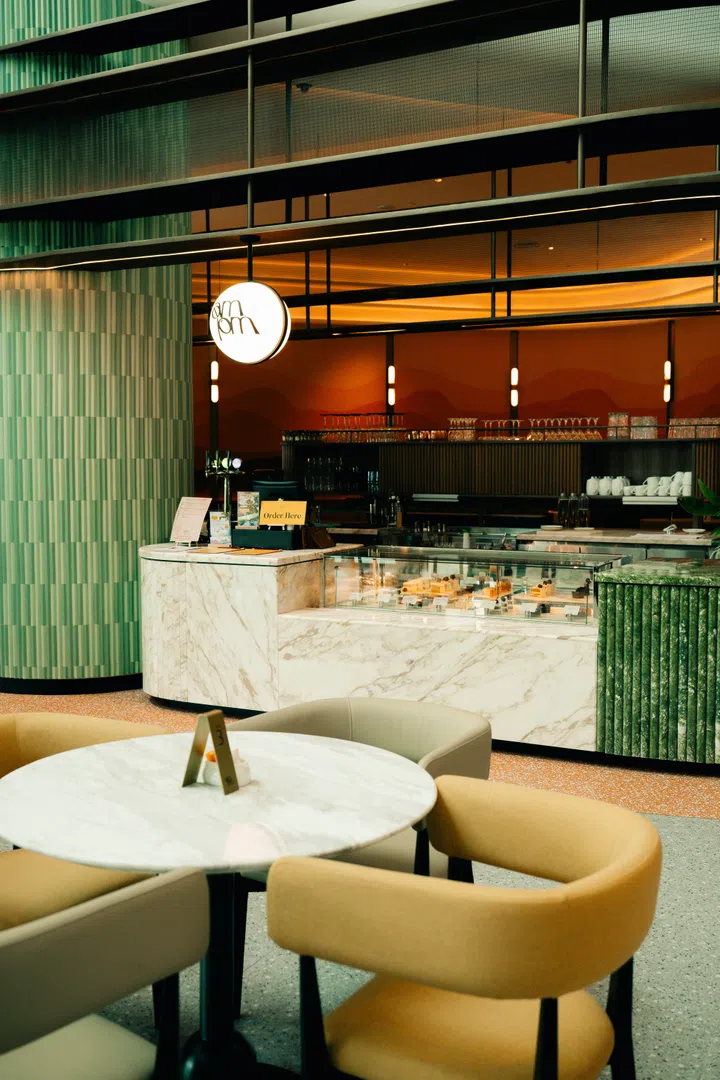
That’s exactly the visitor Best Borneo was designed to greet. The concept store sits right at the hotel’s entrance, and for Lee, that placement makes a specific claim.
“Best Borneo has been a passion project shaped by more than 16 years of working as a designer in Sarawak,” she says. “Having the store at the entrance of an international hospitality project is important because it says something very simple: this is what Borneo is capable of making.”
Co-founded with retail veteran Olivia Ling, the store (its tagline is “The Purveyor of Fun Things”) is built around discovery rather than souvenir logic, curating Sarawakian makers alongside international products on equal footing.
“They do not need to be framed as ‘local but charming’,” Lee says. “They are beautifully made, distinctive and globally relevant in their own right.”
Her proudest collaboration on the platform is the store’s partnership with the Penan Women’s Project, developed alongside Borneo-based designers including Bowerhaus, Roa Skye, Santan Studios, Gia Latif, and Ranong Peru.
“That combination, beautiful design, cultural continuity and real economic participation, is what makes the project particularly special to me,” she says.
One degree of separation
That same instinct for genuine local connection extends well beyond the store. Ask what visitors consistently get right about Sarawak, and Lee doesn’t mention hospitality. She mentions nosiness, in the warmest sense of the word.
“Sarawakians are very tight-knit. There is often only one degree of separation,” she says. “If you look even slightly like a tourist, it is not unusual for a local to ask where you have been, whether you are visiting someone, and then give you a far better itinerary than Google ever could.”

That same warmth is what both Ting and Lee ultimately want the project itself to embody. Neither reaches for occupancy numbers when asked what success will look like years from now. Ting’s version of that success is civic.
“I will know that we have succeeded when the people of Kuching feel that the building belongs to them again,” he says, “when families return for weddings and anniversaries, when local businesses hold their events here, and when visitors leave with a stronger impression of Kuching and Sarawak.”
Lee’s version doesn’t so much disagree as complete it. “A project succeeds when the community believes in it,” she says. “Buildings can be beautiful, but places only become lasting when people give them life.”
Pressed on what she’d still like to see land at Wisma Elica, Lee’s answer has nothing to do with hospitality metrics.
“I would love to see more independent bookshops in Kuching,” she says. “Call me old-fashioned, but I would love to see a proper revival of book culture, spaces where people can discover independent publishers, art books, children’s titles, travel writing, and books from our own region.”
It’s a small, slightly unexpected wish for a project this size. It’s also very on-brand for a couple who built a wellness centre before they built the hotel and put a ribbon wall at the front door instead of a gift shop.