
For a long time, professional golf offered athletes a relatively intelligible commercial proposition: play well, win tournaments, rise through the rankings, and sponsors would eventually come looking.
That equation has become considerably more complicated.
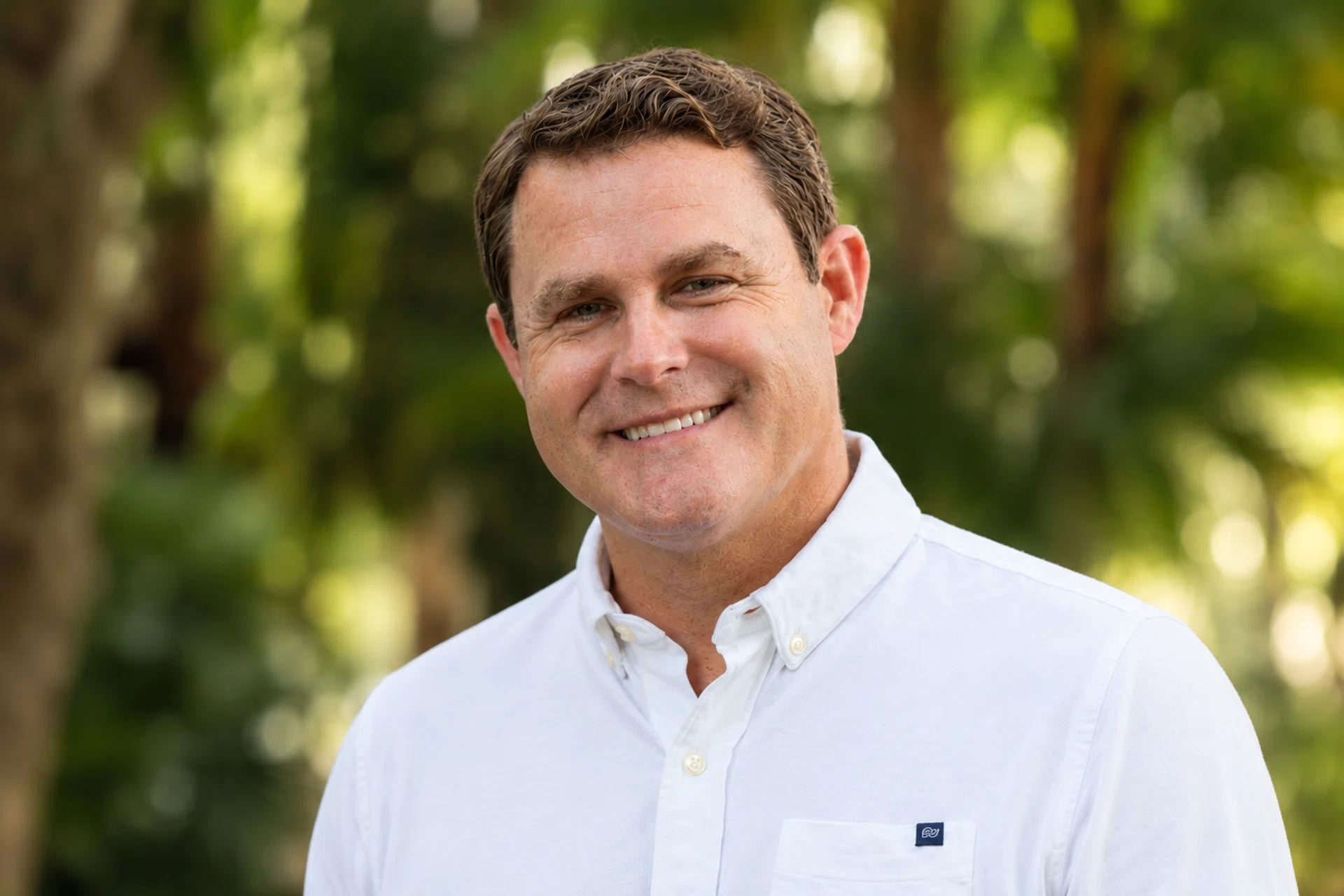
“The days of sponsorship deals being driven solely by a CEO’s personal relationship with a player are becoming increasingly rare,” says Jason Horrell, Head of Golf Clients at WME Sports.
Performance remains the foundation. But Horrell argues that the modern golfer increasingly needs something that a leaderboard cannot measure: the ability to command attention, build relationships, create an audience, and persuade consumers that the person wearing a sponsor’s logo actually belongs there.
For agencies assessing young talent, consequently, the evaluation now stretches well beyond scoring averages, tournament results, and rankings. Personality matters. So does professionalism, behaviour in different environments, and an athlete’s willingness to invest in relationships.
“Sponsors aren’t just looking for great golfers,” Horrell says. “They’re looking for trusted ambassadors who can represent their values and create meaningful connections with their audiences.”
Beyond the leaderboard
The transformation partly reflects how brands themselves have changed. Putting a logo on a golfer’s shirt and waiting for television exposure once constituted a reasonably straightforward sponsorship strategy. Today’s marketing executives have a much larger universe of sports properties competing for their budgets, and considerably more sophisticated ways of determining whether those investments work.
Horrell points to client entertainment, social activations, digital content, philanthropic initiatives, and hosting opportunities as ways golfers can create commercial value independently of their finishing position on Sunday.
Authenticity, however overused the word has become in marketing, matters here. A credible connection between athlete and company gives both sides something more durable than visibility: material from which they can build stories, experiences, content, and relationships. “Winning gets you noticed,” Horrell says, “but authentic connection is what creates long-term commercial value.”
It also means that the commercial construction of an athlete now begins considerably earlier.
Start before turning pro
Historically, Horrell says, golfers could turn professional before seriously considering endorsements, media opportunities, or their personal brands. The emergence of name, image, and likeness opportunities for amateurs and college athletes has pushed those conversations forward by years.
Young golfers can now enter professional competition with an audience, commercial relationships, and an identifiable public persona already in place.
WME Sports consequently encourages athletes to develop their profiles before turning professional: building engaged audiences, creating intellectual property they own, considering philanthropy, and establishing relationships with companies that make sense for them.
“The players who invest in that early often have a tremendous head start when they reach the professional ranks,” Horrell says, because they already possess a platform they can monetise and expand.
Curiously, this commercialisation has arrived alongside another change: some successful golfers may need sponsorship money less than previous generations did.
Larger purses and an expanding collection of earning opportunities — from FedEx Cup bonuses and appearance fees to the Player Impact Program and newer formats such as TGL — have altered the balance of power. Horrell says sponsorship dollars no longer necessarily drive an athlete’s financial success, giving players greater freedom to reject deals or consider equity and strategic value alongside cash.
That freedom creates its own discipline. A lucrative contract that compromises training, recovery, travel schedules, or competitive performance may ultimately destroy more value than it creates. Sponsorships themselves also demand work: production shoots, pro-ams, hospitality appearances, customer events, and content creation all consume an athlete’s finite time.
Horrell therefore describes his job in unusually long horizons. “Our job isn’t to help a player maximise the next contract or sponsorship agreement,” he says. “Our job is to help them maximise the value of their career over 10, 15, or 20 years.”
Asia’s opening
That long-term calculation becomes particularly interesting in Asia, where Horrell sees the convergence of talent, investment, infrastructure, and intensely national fan bases.
He points to golfers including China’s Ruoning Yin and Haotong Li, Japan’s Yuka Saso, Thailand’s Patty Tavatanakit, and Chinese golfer and digital influencer Lilly Muni He as examples of the broader opportunity: athletes capable of functioning simultaneously as elite competitors and cultural ambassadors.
Golf’s return to the Olympics has also encouraged countries across Asia to invest in development systems and elite athletes. Success can become self-reinforcing: a golfer wins internationally or medals for their country, domestic attention grows, and another generation sees the sport differently.
Greater connectivity between tours could accelerate that process. Horrell cites the recently announced partnership between the PGA Tour and Asian Tour, alongside broader pathways for regional players, as an important mechanism for bringing Asian talent onto larger international stages.
Commercially, the proposition is potent. A golfer from Thailand, China, Japan, or another Asian market can possess intense relevance at home while competing for recognition internationally. Brands, meanwhile, increasingly want precisely that combination of local credibility and global reach.
The opportunity, then, extends beyond discovering Asia’s next major champion. It lies in identifying athletes capable of turning sporting excellence into something larger and more enduring.
The irony is that as golf becomes more commercially sophisticated, the central principle remains stubbornly simple. Regardless, a golfer still has to perform. Everything else determines how much that performance can become worth.