%22%3E%0A%3Cpath%20d%3D%22M412%20101.2H393.7C393.1%20101.2%20392.3%20100.9%20391.8%20100.5C377.3%2087.6004%20362.9%2074.6004%20348.4%2061.6004C344.8%2058.4004%20341.3%2055.2004%20337.7%2052.0004C337.1%2051.5004%20336.2%2051.1004%20335.5%2051.0004C334.2%2050.8004%20333%2051.0004%20331.5%2051.0004V101.1H316.7V0.100391H331.4V44.3004C331.9%2044.3004%20332.2%2044.4004%20332.5%2044.4004C334.9%2044.4004%20337.2%2044.5004%20339.6%2044.4004C340.4%2044.4004%20341.3%2044.0004%20341.8%2043.5004C351.6%2034.4004%20361.4%2025.2004%20371.1%2016.0004C376.5%2010.9004%20381.9%205.90039%20387.3%200.800391C387.9%200.200391%20388.5%200.000390626%20389.3%200.000390626H400.9C384.2%2015.8004%20367.8%2031.3004%20351.2%2047.0004C371.5%2065.0004%20391.8%2082.9004%20412.1%20100.9C412.1%20101%20412.1%20101.1%20412%20101.2ZM180.9%20101.2C184.1%2094.9004%20187.2%2088.9004%20190.3%2082.8004C198.3%2067.3004%20206.2%2051.8004%20214.2%2036.2004C220.3%2024.4004%20226.4%2012.5004%20232.4%200.700391C232.7%200.100391%20233%20-0.0996094%20233.7%20-0.0996094H248.1C248.8%20-0.0996094%20249.2%200.100391%20249.6%200.800391C256%2013.3004%20262.4%2025.7004%20268.8%2038.2004C279.3%2058.6004%20289.8%2079.0004%20300.3%2099.5004C300.5%20100%20300.8%20100.4%20301.1%20101.1C300.5%20101.1%20300.1%20101.2%20299.7%20101.2H286.5C285.6%20101.2%20285.1%20100.9%20284.7%20100.2C280.1%2091.3004%20275.4%2082.4004%20270.8%2073.4004C270.1%2072.1004%20269.3%2071.6004%20267.8%2071.6004H209.9C208.7%2071.6004%20208.1%2072.0004%20207.5%2073.1004C202.9%2082.1004%20198.2%2091.0004%20193.6%20100C193.1%20101%20192.6%20101.3%20191.5%20101.3C188.4%20101.2%20185.3%20101.3%20182.3%20101.3C182%20101.2%20181.6%20101.2%20180.9%20101.2ZM239.1%2011.4004C230%2029.2004%20221.1%2046.7004%20212.1%2064.3004H266.4C257.2%2046.7004%20248.2%2029.2004%20239.1%2011.4004ZM0%200.000390626H43.4C51.2%200.000390626%2058.7%201.20039%2065.7%204.80039C75.9%2010.0004%2078.9%2018.0004%2078.6%2027.4004C78.3%2034.3004%2076%2040.5004%2071.2%2045.5004C67.3%2049.6004%2062.4%2052.3004%2057.1%2054.3004C50.6%2056.7004%2043.9%2058.0004%2037.1%2058.6004C30.1%2059.2004%2023.1%2059.4004%2016.2%2059.7004C15.8%2059.7004%2015.3%2059.8004%2014.8%2059.8004V101.1H0.1C0%2067.4004%200%2033.8004%200%200.000390626ZM14.8%207.10039V52.2004C23.7%2052.4004%2032.6%2052.3004%2041.2%2050.1004C44.4%2049.3004%2047.6%2048.2004%2050.6%2046.7004C58.4%2043.0004%2062.3%2036.7004%2062.7%2028.0004C63%2019.9004%2059.5%2014.1004%2052.4%2010.5004C47.6%208.00039%2042.5%207.10039%2037.2%207.10039H14.8ZM95.9%20101.1V0.100391H167.3V7.20039H110.7V44.7004H158.1V51.9004H110.8V93.9004H171.1V101C146.1%20101.1%20121%20101.1%2095.9%20101.1Z%22%20fill%3D%22black%22%2F%3E%0A%3Cpath%20d%3D%22M35.0004%2025.7996H42.5004V20.6996H44.8004V33.1996H42.6004V27.5996H34.9004V33.2996H32.7004V20.7996H35.0004V25.7996ZM54.4004%2025.8996V27.2996H48.9004V31.6996H55.9004C55.9004%2032.1996%2056.0004%2032.5996%2056.0004%2033.0996H46.5004V20.5996H55.5004V21.8996H49.0004V25.7996C50.7004%2025.8996%2052.5004%2025.8996%2054.4004%2025.8996ZM25.9004%2033.0996H23.5004V21.9996H17.9004V20.6996H31.6004V22.0996H27.1004C26.2004%2022.0996%2025.9004%2022.2996%2025.9004%2023.1996C26.0004%2026.0996%2025.9004%2028.9996%2025.9004%2031.7996V33.0996Z%22%20fill%3D%22black%22%2F%3E%0A%3C%2Fg%3E%0A%3Cdefs%3E%0A%3CclipPath%20id%3D%22clip0_388_462%22%3E%0A%3Crect%20width%3D%22411%22%20height%3D%22101.2%22%20fill%3D%22white%22%2F%3E%0A%3C%2FclipPath%3E%0A%3C%2Fdefs%3E%0A%3C%2Fsvg%3E%0A)
Chinese designer Joe Cheng on creating award-winning luxury hotels
The founder of Hong Kong-based design firm Cheng Chung Design expounds on his interpretation of palatial extravagance across China and Southeast Asia.
By Luo Jingmei /
Share this article
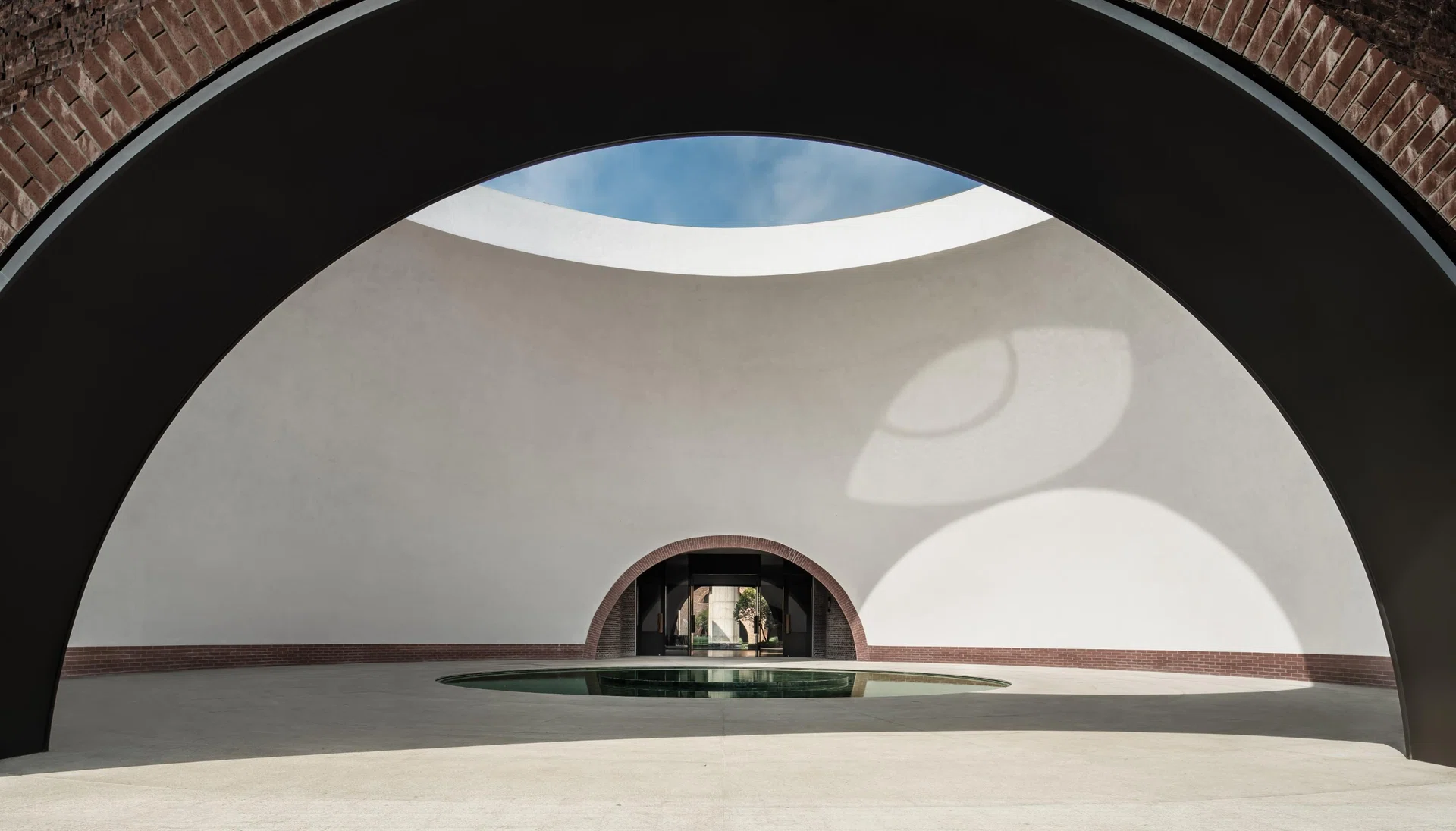
You’ve probably encountered designer Joe Cheng’s works. The Guangzhou native is the founder of Cheng Chung Design (CCD) in Hong Kong, the firm responsible for the Mandarin Oriental Qianmen in Beijing, which won the 2026 UNESCO Prix Versailles Award and ranked 14 in The World’s 50 Best Hotels 2025.
The firm’s work is undeniably luxurious, featuring a rich palette of materials, texture and elegant spaces. All details of the space — “overall spatial composition, proportions, and rhythm, and dialogue with the natural landscape, to the atmosphere created by lighting, the careful curation of furniture and soft furnishings, the tactile qualities of materials and the temperature of touch” — are crafted with intention.
Among the earliest cohort of students in Guangzhou Academy of Fine Arts’ Environmental Design programme, he continued to serve as a faculty member at his alma mater. But a desire to unbridle his creativity led him to resign and pursue an architecture degree at the South China University of Technology.
Thirty years after founding CCD, Cheng has designed many notable projects, including Regent Shanghai on the Bund, Angsana Chengdu Wenjiang, and luxury residential developments across the globe.

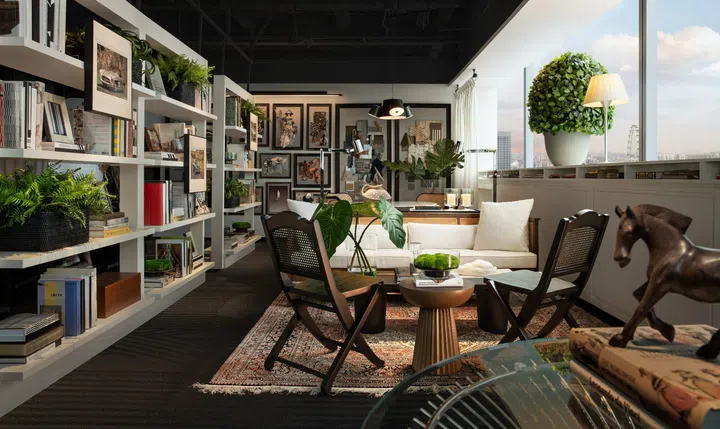
In October 2024, the firm relocated its Singapore office to the Collyer Quay Centre, designating it as its Asia-Pacific (APAC) headquarters. It is one of nine offices worldwide, with the Shenzhen office serving as CCD’s global headquarters.
Interpreting the meaning of luxury in Asia
Cheng’s sophisticated expression of his thoughts embodies the grace in his works. Regarding the definition of luxury, the aesthete notes that its essence lies in “the sense of ease”.
He elaborates, “It is not about outward opulence or visual extravagance, but a form of spiritual nourishment that reaches inward. True luxury should resonate with the mind, while offering the body the highest level of comfort and refinement.”
Bringing this sensibility into hotels means crafting these “home away from home” to feel even more private and livable than one’s own residence. “This aligns with the contemporary high-net-worth (HNW) clientele’s pursuit of ‘quiet elegance’ — an understated, refined experience that values intimacy and well-being over display,” Cheng explains.
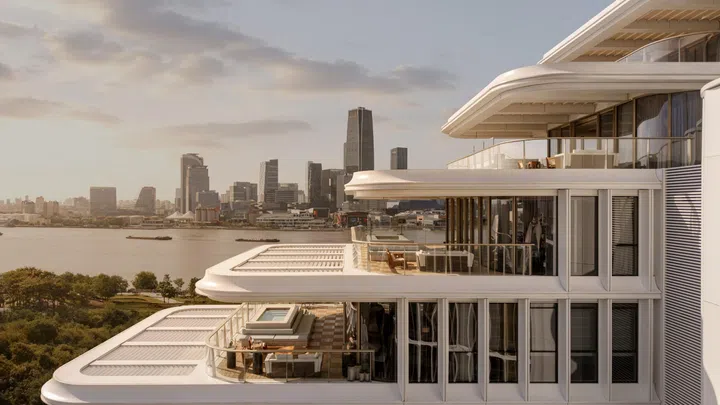
Waldorf Astoria Shanghai Qiantan is one example in which an observation terrace conveys a sense of privacy and evokes emotional responses. Beyond being a physical space, it is, as Cheng describes, “a quiet retreat where urban travellers can pause, reflect, and reconnect with themselves.”
Likewise, a luxurious home should be approached very much like a bespoke couture gown “tailored precisely to the rhythms of daily life, while becoming a spatial reflection of the owner’s inner world”.
The case in point: One Central Park project that advocates the “hotelisation of living”, drawing inspiration from “the rigour and refinement of high-end hospitality” through stringent craftsmanship, human-centred details, and a sense of ritual found in hotel design translated into everyday living environments.
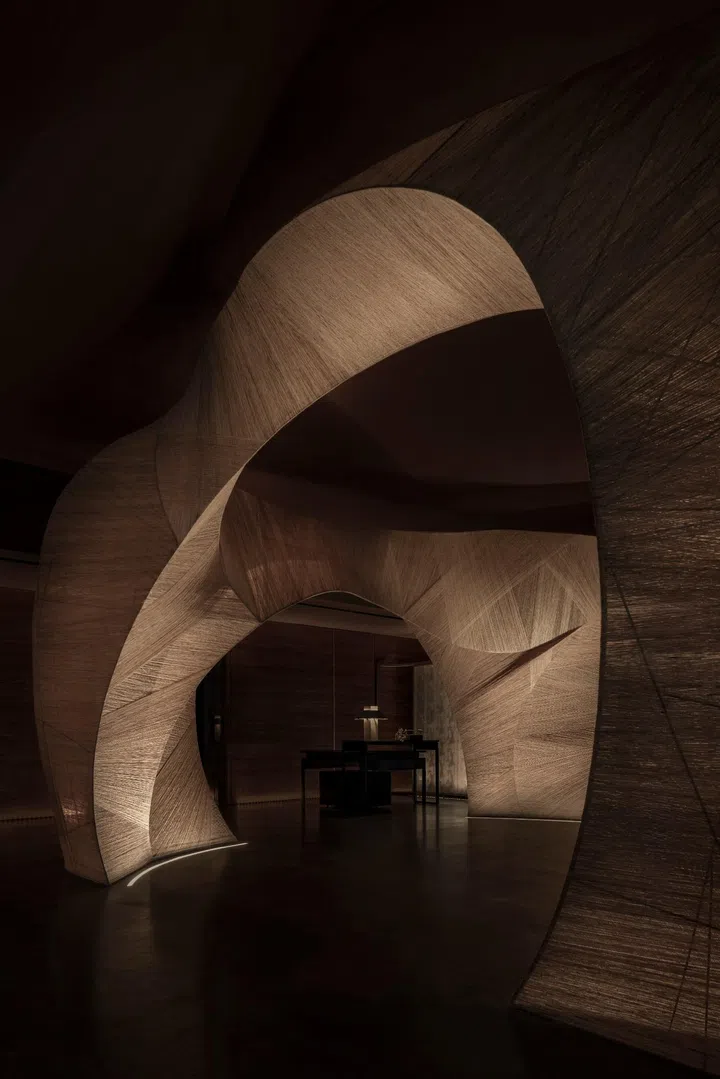
Having completed projects across various cities in China and Southeast Asia, he has a unique vantage point on how luxury is perceived. Cheng answers by distilling design expressions in East Asian cultures as inherently restrained and contemplative.
He expounds, “Luxury in this context carries a sense of ritual; it is about integrating international design principles with local traditions using axial balance, layered spatial progression, and the careful refinement of rare materials. The objective is not spectacle, but resonance — creating spaces with lasting cultural depth that reflect the evolving values of today’s HNW individuals.”
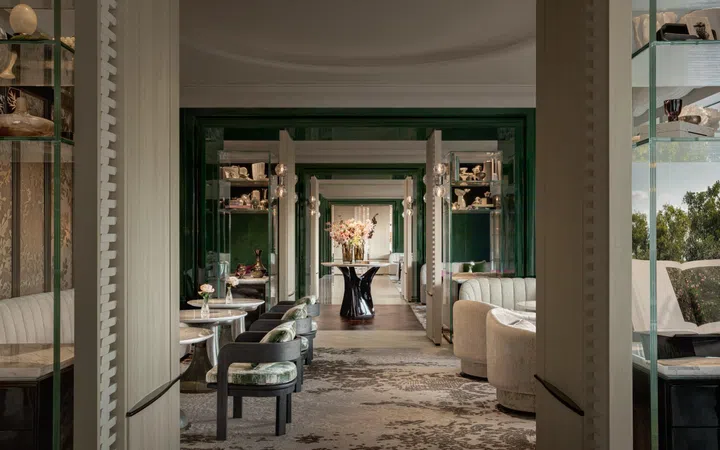
On the other hand, in Southeast Asia, where it is governed by its “distinct vitality (of) Nanyang aesthetics, tropical climate, and rich cultural layers,” Cheng observes that the idea of luxury is shifting toward a relationship with nature.
“Whether in Bali, Phuket, or even within Singapore’s dense urban fabric, luxury is not defined by grandeur. It is defined by openness, air, light, and tactile experiences (through) spaces that allow people to slow down and retreat from the world,” he says. “This is a quieter, more inward form of luxury — restorative, intuitive, and deeply human.”
Paving the way for Chinese architects
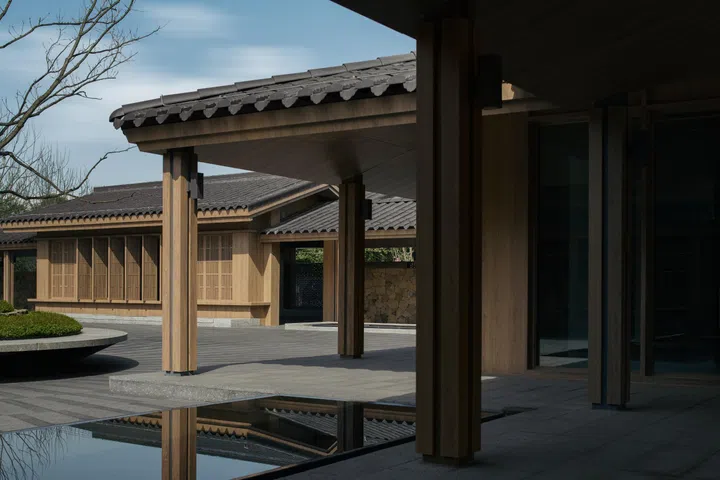
Ultimately, it does not matter where Cheng designs. Like many global citizens today, we draw inspiration from many places. It is also important to him to make a mark in the world as a Chinese designer.
Fifty years ago, Chinese designers may not have been widely recognised, but the landscape has evolved, and designers like Cheng are a leading voice.
He shares, “At the early stage of our entrepreneurial journey, Chinese designers were absent from the rosters of international hotel brands. We progressed from early rejection, to being gradually accepted and recognised, eventually leading projects and later, even participating in the development of design standards for certain international hotel brands.”
A much-anticipated project set to be completed this year is The Dali EDITION, located halfway up Cangshan Mountain, overlooking Erhai Lake and backed by the Cangshan Nineteen Peaks — what Cheng describes as “a monumental landscape painting already formed by nature”.
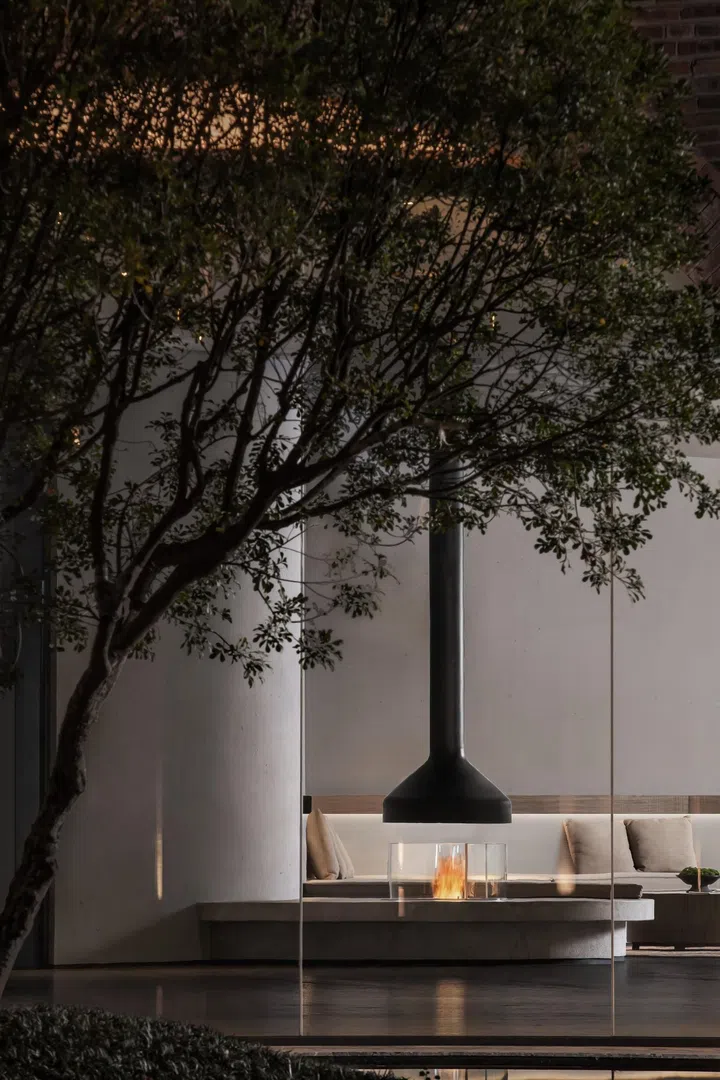
For the project, he combined the distillation of local elements of mountains, clouds, water, and flowers with Yunnan’s multi-ethnic cultures and EDITION’s “signature spirit of contemporary sophistication and avant-garde style”.
This ties back to his belief in using “spatial storytelling to connect people with their environments, while continuously integrating eastern wisdom and western perspectives”.
There was no easy recipe for success. “This journey was built step by step, through meticulous attention to detail and persistent refinement, ultimately establishing the CCD brand with credibility and distinction,” Cheng emphasises.
A genuine love for design itself provided the fuel to continue his creative journey. “Over time, it has become inseparable from my life — an integral part of my daily experience and the most fulfilling dimension of my creative journey,” Cheng reflects. After three decades, this designer’s indefatigable passion is still palpable.