%22%3E%0A%3Cpath%20d%3D%22M412%20101.2H393.7C393.1%20101.2%20392.3%20100.9%20391.8%20100.5C377.3%2087.6004%20362.9%2074.6004%20348.4%2061.6004C344.8%2058.4004%20341.3%2055.2004%20337.7%2052.0004C337.1%2051.5004%20336.2%2051.1004%20335.5%2051.0004C334.2%2050.8004%20333%2051.0004%20331.5%2051.0004V101.1H316.7V0.100391H331.4V44.3004C331.9%2044.3004%20332.2%2044.4004%20332.5%2044.4004C334.9%2044.4004%20337.2%2044.5004%20339.6%2044.4004C340.4%2044.4004%20341.3%2044.0004%20341.8%2043.5004C351.6%2034.4004%20361.4%2025.2004%20371.1%2016.0004C376.5%2010.9004%20381.9%205.90039%20387.3%200.800391C387.9%200.200391%20388.5%200.000390626%20389.3%200.000390626H400.9C384.2%2015.8004%20367.8%2031.3004%20351.2%2047.0004C371.5%2065.0004%20391.8%2082.9004%20412.1%20100.9C412.1%20101%20412.1%20101.1%20412%20101.2ZM180.9%20101.2C184.1%2094.9004%20187.2%2088.9004%20190.3%2082.8004C198.3%2067.3004%20206.2%2051.8004%20214.2%2036.2004C220.3%2024.4004%20226.4%2012.5004%20232.4%200.700391C232.7%200.100391%20233%20-0.0996094%20233.7%20-0.0996094H248.1C248.8%20-0.0996094%20249.2%200.100391%20249.6%200.800391C256%2013.3004%20262.4%2025.7004%20268.8%2038.2004C279.3%2058.6004%20289.8%2079.0004%20300.3%2099.5004C300.5%20100%20300.8%20100.4%20301.1%20101.1C300.5%20101.1%20300.1%20101.2%20299.7%20101.2H286.5C285.6%20101.2%20285.1%20100.9%20284.7%20100.2C280.1%2091.3004%20275.4%2082.4004%20270.8%2073.4004C270.1%2072.1004%20269.3%2071.6004%20267.8%2071.6004H209.9C208.7%2071.6004%20208.1%2072.0004%20207.5%2073.1004C202.9%2082.1004%20198.2%2091.0004%20193.6%20100C193.1%20101%20192.6%20101.3%20191.5%20101.3C188.4%20101.2%20185.3%20101.3%20182.3%20101.3C182%20101.2%20181.6%20101.2%20180.9%20101.2ZM239.1%2011.4004C230%2029.2004%20221.1%2046.7004%20212.1%2064.3004H266.4C257.2%2046.7004%20248.2%2029.2004%20239.1%2011.4004ZM0%200.000390626H43.4C51.2%200.000390626%2058.7%201.20039%2065.7%204.80039C75.9%2010.0004%2078.9%2018.0004%2078.6%2027.4004C78.3%2034.3004%2076%2040.5004%2071.2%2045.5004C67.3%2049.6004%2062.4%2052.3004%2057.1%2054.3004C50.6%2056.7004%2043.9%2058.0004%2037.1%2058.6004C30.1%2059.2004%2023.1%2059.4004%2016.2%2059.7004C15.8%2059.7004%2015.3%2059.8004%2014.8%2059.8004V101.1H0.1C0%2067.4004%200%2033.8004%200%200.000390626ZM14.8%207.10039V52.2004C23.7%2052.4004%2032.6%2052.3004%2041.2%2050.1004C44.4%2049.3004%2047.6%2048.2004%2050.6%2046.7004C58.4%2043.0004%2062.3%2036.7004%2062.7%2028.0004C63%2019.9004%2059.5%2014.1004%2052.4%2010.5004C47.6%208.00039%2042.5%207.10039%2037.2%207.10039H14.8ZM95.9%20101.1V0.100391H167.3V7.20039H110.7V44.7004H158.1V51.9004H110.8V93.9004H171.1V101C146.1%20101.1%20121%20101.1%2095.9%20101.1Z%22%20fill%3D%22black%22%2F%3E%0A%3Cpath%20d%3D%22M35.0004%2025.7996H42.5004V20.6996H44.8004V33.1996H42.6004V27.5996H34.9004V33.2996H32.7004V20.7996H35.0004V25.7996ZM54.4004%2025.8996V27.2996H48.9004V31.6996H55.9004C55.9004%2032.1996%2056.0004%2032.5996%2056.0004%2033.0996H46.5004V20.5996H55.5004V21.8996H49.0004V25.7996C50.7004%2025.8996%2052.5004%2025.8996%2054.4004%2025.8996ZM25.9004%2033.0996H23.5004V21.9996H17.9004V20.6996H31.6004V22.0996H27.1004C26.2004%2022.0996%2025.9004%2022.2996%2025.9004%2023.1996C26.0004%2026.0996%2025.9004%2028.9996%2025.9004%2031.7996V33.0996Z%22%20fill%3D%22black%22%2F%3E%0A%3C%2Fg%3E%0A%3Cdefs%3E%0A%3CclipPath%20id%3D%22clip0_388_462%22%3E%0A%3Crect%20width%3D%22411%22%20height%3D%22101.2%22%20fill%3D%22white%22%2F%3E%0A%3C%2FclipPath%3E%0A%3C%2Fdefs%3E%0A%3C%2Fsvg%3E%0A)
Why JW Marriott Khao Lak is unparalleled in its sustainable efforts
With a fully operational farm including water buffaloes, this beachfront resort in Phang Nga, Thailand, is a wholehearted endeavour in a closed circular eco-system.
By Zawani Abdul Ghani /
Share this article
Some resorts win you over with sheer scale — infinity pools, all-day dining, and beach views as far as the eye can see. Others make a quieter impression. They get under your skin in subtle ways. Like bathing a buffalo at dusk, then digging into pasta made with eggshells just hours later.
JW Marriott Khao Lak Resort & Spa is somehow both.
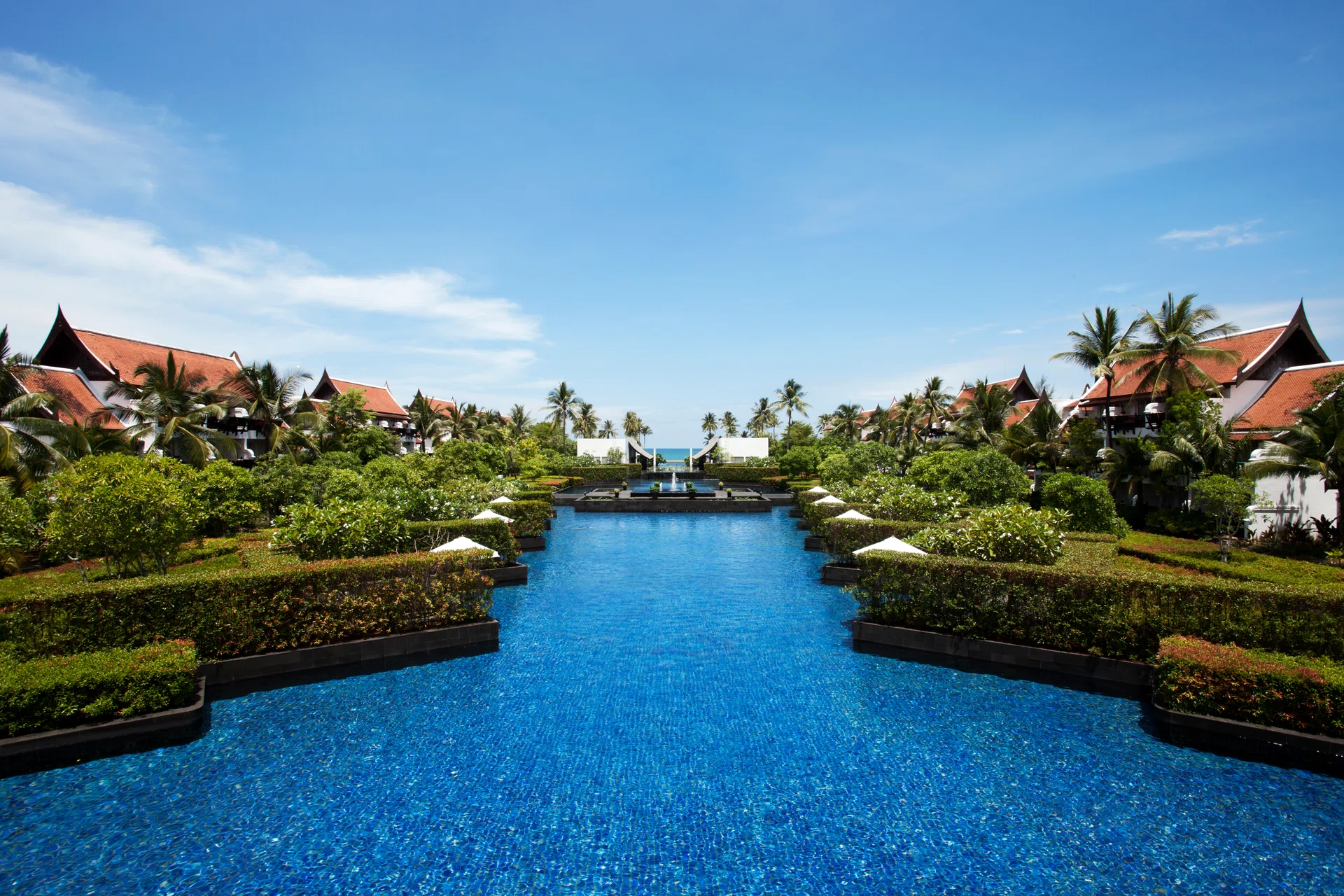
Yes, it’s enormous — with over 420 rooms, an adults-only wing, and a lagoon pool that snakes through the property like a lazy river. But what sets it apart from other sun-and-sea destinations in Phang Nga province isn’t its scale. It’s the sense of purpose threaded through every corner of the resort.
Here, sustainability is the conversation. And nowhere is that more apparent than in its heart and soul: the JW Garden.
Where sustainability takes root
I’ve visited hotel gardens before, where neat, photogenic plots of basil and mint supply garnish for mojitos. However, stepping into the JW Garden feels like arriving somewhere else entirely — a place where things grow because they matter.
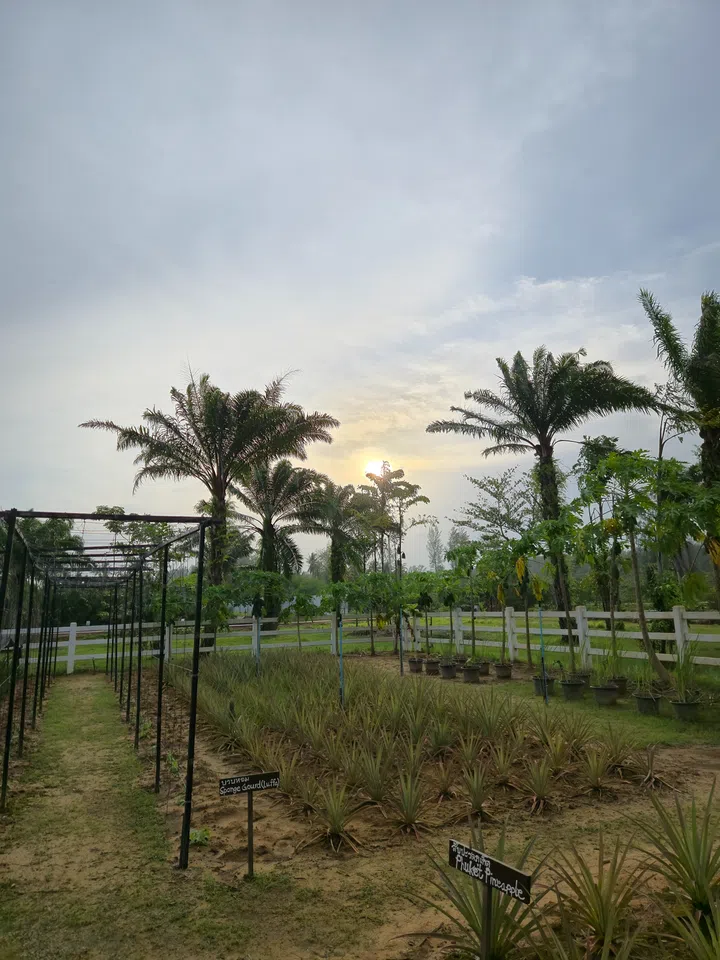
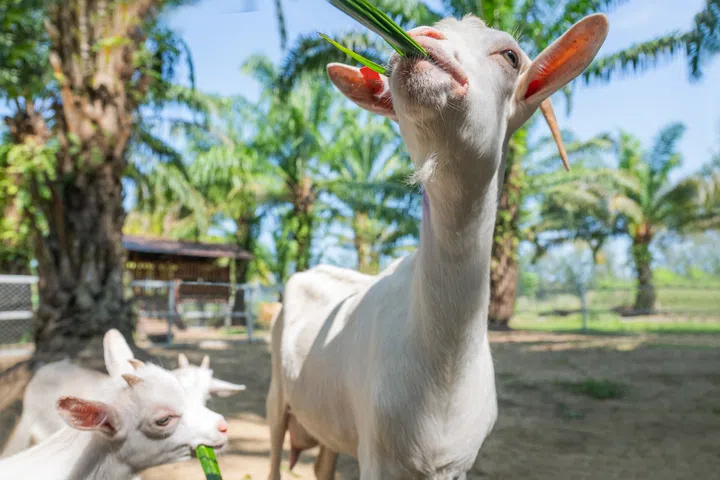
Spanning nearly 11ha of reclaimed shrimp farm land, this space is more sanctuary than showpiece. Over 200 varieties of native herbs, fruits, and vegetables thrive here. There are goats you can feed and water buffaloes you can bathe — an experience I never thought would make it onto my travel highlights list, yet here we are.
On my evening walk through the garden, I stopped often. To study the varieties of produce grown. To admire the sun as it dips below the horizon. To listen to the intricacies of how the farm is grown and harvested. It felt slow in the best possible way.
But the JW Garden isn’t just about calm and pretty views. It’s also a working farm that fuels the resort’s restaurants. Its composting plant turns food waste into fertiliser. Even the parts of the plant that would typically be discarded — citrus peels, carrot tops, egg shells — find new life through the resort’s culinary team.
There’s also an Environment School for kids, where sustainability is taught through hands-on workshops, and a mangrove restoration project that revives the culturally important nipa palm (aka the plant behind your favourite attap chee).
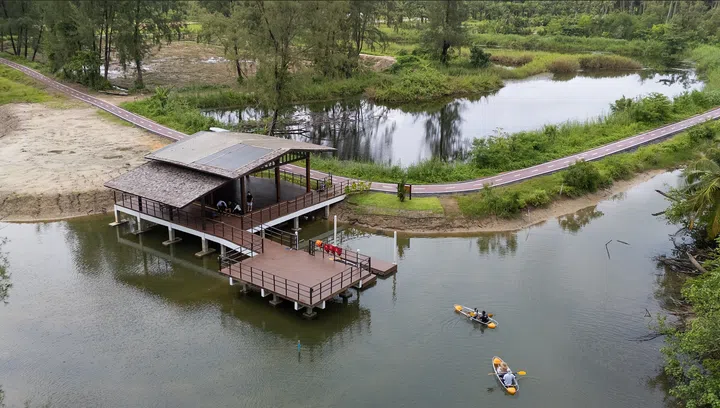
Whether you’re here to kayak through the lagoon, join a planting session, or just observe, the garden invites you to partake in its sustainability and education efforts. And if you’re lucky enough to be experiencing the Sown & Reborn dinner, this is where your evening begins.
Sown & Reborn: A meal with no leftovers
Somewhere between the golden hour and the first glass of vino, I realised I’ve never had dinner that made me feel this aware — of the food, the environment, and frankly, my consumption habits.
At Drift Beach Bar & Grill, the star of the evening was Sown & Reborn — a circular six-course menu that takes “zero waste” from buzzword to blueprint.
Dinner started not with bread and butter, but with a kitchen-side introduction: a gentle walk-through of what we’d be eating, why it was made that way, and what part of the plant or pantry it was reborn from.
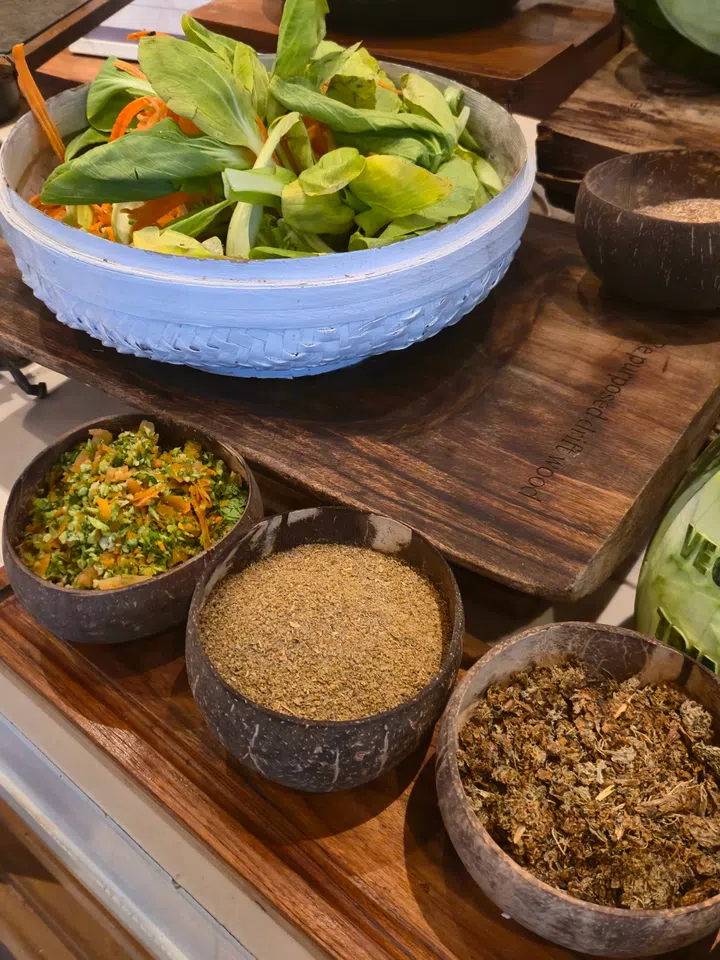
The crackers, for instance, are made from rice and asparagus ends — crisp, earthy, and so unexpectedly moreish I had to stop myself from hoarding the communal plate.
What would typically go into the bin — egg shells, bread crusts, fruit skins, even spent coffee grounds — gets a second act. One course featured pasta made from crushed smoked eggshells, mixed into flour for a subtly crunchy texture and rich flavour.
Another dish, a tom yum-esque soup with prawns, uses double-dehydrated vegetable trimmings, ground into what they call “umami powder”, stirred into broths and sauces so savoury they made me momentarily forget the sea view.
Even the drinks followed suit: citrus peels, fruit pulp, leftover herbs, all steeped into syrups or reimagined into cocktails that didn’t feel like consolation prizes for a cause.
And yet, it never once felt preachy, making me pay attention to my plate in a way I hadn’t in a long time.
By dessert, made with sugar from the resort’s nipa palm reforestation project, I felt more than satisfied, especially knowing I had a chance to taste sustainability.
From the table to the tides
From a dinner that was a masterclass in care — for ingredients, for craft, for the planet — the next morning, I observed the same philosophy extend to something far less edible, but just as fragile: baby bamboo sharks.
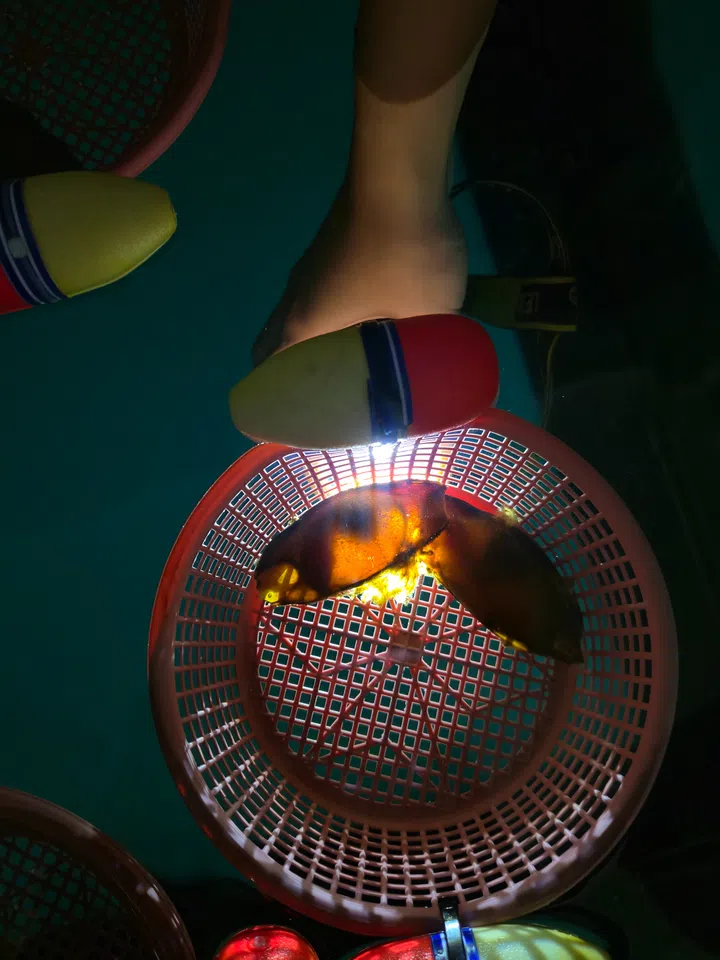
Tucked away just a short walk from the main resort is the Bamboo Shark Nursery & Conservation Center, a one-of-a-kind initiative in partnership with the Oceans For All Foundation that’s materialised into a full-blown hatchery built to rehabilitate a threatened native species of the Andaman Sea.
Bamboo sharks are small, shy bottom dwellers, and I’ll admit — they’re not the most conventionally charismatic creatures. But admiring a shark egg — the embryo still visibly squirming inside — made me root for these fragile cartilaginous fishes.
You can join an educational tour, learn about the shark life cycle, and even help with routine tasks like collecting fresh seawater for the nursery tanks. And if the timing’s right, you might even witness a shark release where six-month-old juveniles, deemed strong enough to survive in the wild, are released into the ocean.
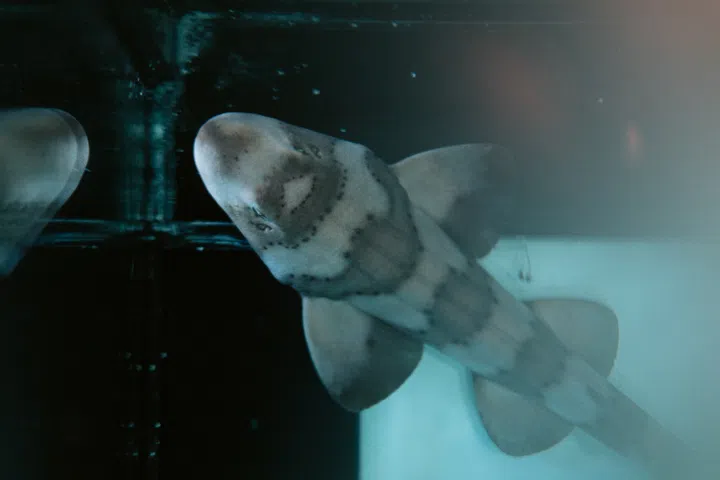
The idea is to give them a head start, away from predators and pollution, until they’re ready to thrive.
Stillness, served in other ways
While these experiences highlighted the number of ways the resort gives back to Mother Earth, there are also moments of quiet indulgence that the property carves for its guests — if that’s what you’re after.
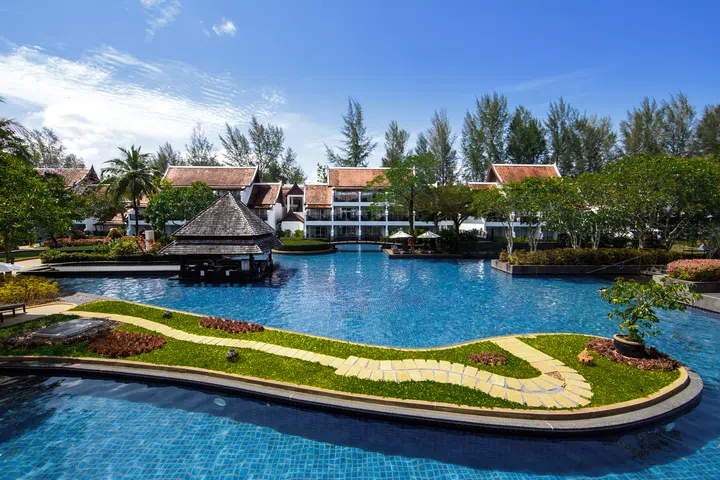
One morning, I took a kayak out through the lagoon, paddling gently past mangroves and mildly choppy water. Then later that afternoon, I lazed in the impressive 2.5km-long winding pool, which feels more like a private canal than a traditional pool. It winds past rooms, through palms, under bridges — like a lazy river for grown-ups (though kids are more than welcome).
And if you prefer your serenity adults-only, there’s a dedicated section of the resort that offers just that: rooms, bars, and spaces reserved for grown-ups, where the only sounds I heard were the clink of cocktail glasses, hushed gossip, and the occasional splash of someone rediscovering the joy of napping on a giant floatie.
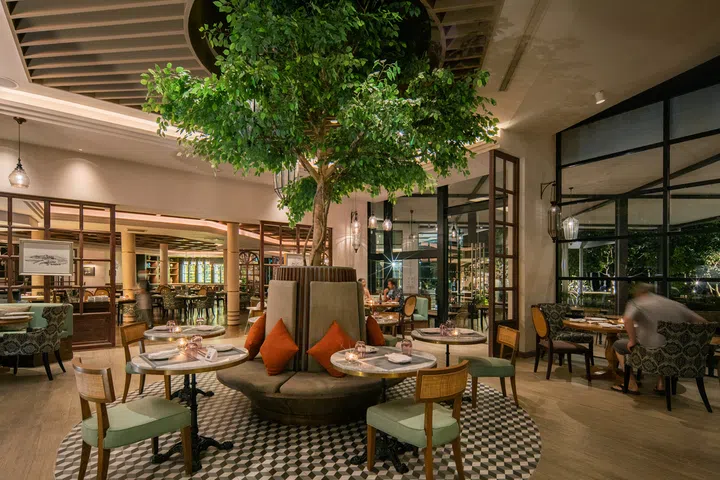
Once the day is done, there are also a whopping eight restaurants — including the aforementioned Drift Beach Bar & Grill — to excite your palate. From casual pool bites at Sala to mouth-watering Thai classics at Ta-Krai (its fiery giant crab red curry is an absolute must-order!), I was most impressed by Olive’s chef Vincenzo Sorrentino’s rendition of traditional Italian fare (including a carpaccio di manzo that’s hard to forget), inspired by his family’s recipes.
Redefining the large-scale resort
It would be easy to leave JW Marriott Khao Lak Resort & Spa with memories of lagoon swims and garden-fresh meals. But what lingers most, long after checkout, is the way the resort made those pleasures feel purposeful.
It’s taken its scale — the reach, its resources, its sheer physical footprint — and used it as a platform for something more meaningful. Not in a glossy, look-at-our-green-initiatives way, but through actual systems that rethink waste, restore biodiversity, and rewire how we engage with the land.
From the garden that grows your cocktail ingredients, to the dinner that gives food scraps a second act, to the baby sharks nurtured just steps from your sunbed, perhaps — if only in small ways — we can all feel a little more connected to what we consume, and what we leave behind.