%22%3E%0A%3Cpath%20d%3D%22M412%20101.2H393.7C393.1%20101.2%20392.3%20100.9%20391.8%20100.5C377.3%2087.6004%20362.9%2074.6004%20348.4%2061.6004C344.8%2058.4004%20341.3%2055.2004%20337.7%2052.0004C337.1%2051.5004%20336.2%2051.1004%20335.5%2051.0004C334.2%2050.8004%20333%2051.0004%20331.5%2051.0004V101.1H316.7V0.100391H331.4V44.3004C331.9%2044.3004%20332.2%2044.4004%20332.5%2044.4004C334.9%2044.4004%20337.2%2044.5004%20339.6%2044.4004C340.4%2044.4004%20341.3%2044.0004%20341.8%2043.5004C351.6%2034.4004%20361.4%2025.2004%20371.1%2016.0004C376.5%2010.9004%20381.9%205.90039%20387.3%200.800391C387.9%200.200391%20388.5%200.000390626%20389.3%200.000390626H400.9C384.2%2015.8004%20367.8%2031.3004%20351.2%2047.0004C371.5%2065.0004%20391.8%2082.9004%20412.1%20100.9C412.1%20101%20412.1%20101.1%20412%20101.2ZM180.9%20101.2C184.1%2094.9004%20187.2%2088.9004%20190.3%2082.8004C198.3%2067.3004%20206.2%2051.8004%20214.2%2036.2004C220.3%2024.4004%20226.4%2012.5004%20232.4%200.700391C232.7%200.100391%20233%20-0.0996094%20233.7%20-0.0996094H248.1C248.8%20-0.0996094%20249.2%200.100391%20249.6%200.800391C256%2013.3004%20262.4%2025.7004%20268.8%2038.2004C279.3%2058.6004%20289.8%2079.0004%20300.3%2099.5004C300.5%20100%20300.8%20100.4%20301.1%20101.1C300.5%20101.1%20300.1%20101.2%20299.7%20101.2H286.5C285.6%20101.2%20285.1%20100.9%20284.7%20100.2C280.1%2091.3004%20275.4%2082.4004%20270.8%2073.4004C270.1%2072.1004%20269.3%2071.6004%20267.8%2071.6004H209.9C208.7%2071.6004%20208.1%2072.0004%20207.5%2073.1004C202.9%2082.1004%20198.2%2091.0004%20193.6%20100C193.1%20101%20192.6%20101.3%20191.5%20101.3C188.4%20101.2%20185.3%20101.3%20182.3%20101.3C182%20101.2%20181.6%20101.2%20180.9%20101.2ZM239.1%2011.4004C230%2029.2004%20221.1%2046.7004%20212.1%2064.3004H266.4C257.2%2046.7004%20248.2%2029.2004%20239.1%2011.4004ZM0%200.000390626H43.4C51.2%200.000390626%2058.7%201.20039%2065.7%204.80039C75.9%2010.0004%2078.9%2018.0004%2078.6%2027.4004C78.3%2034.3004%2076%2040.5004%2071.2%2045.5004C67.3%2049.6004%2062.4%2052.3004%2057.1%2054.3004C50.6%2056.7004%2043.9%2058.0004%2037.1%2058.6004C30.1%2059.2004%2023.1%2059.4004%2016.2%2059.7004C15.8%2059.7004%2015.3%2059.8004%2014.8%2059.8004V101.1H0.1C0%2067.4004%200%2033.8004%200%200.000390626ZM14.8%207.10039V52.2004C23.7%2052.4004%2032.6%2052.3004%2041.2%2050.1004C44.4%2049.3004%2047.6%2048.2004%2050.6%2046.7004C58.4%2043.0004%2062.3%2036.7004%2062.7%2028.0004C63%2019.9004%2059.5%2014.1004%2052.4%2010.5004C47.6%208.00039%2042.5%207.10039%2037.2%207.10039H14.8ZM95.9%20101.1V0.100391H167.3V7.20039H110.7V44.7004H158.1V51.9004H110.8V93.9004H171.1V101C146.1%20101.1%20121%20101.1%2095.9%20101.1Z%22%20fill%3D%22black%22%2F%3E%0A%3Cpath%20d%3D%22M35.0004%2025.7996H42.5004V20.6996H44.8004V33.1996H42.6004V27.5996H34.9004V33.2996H32.7004V20.7996H35.0004V25.7996ZM54.4004%2025.8996V27.2996H48.9004V31.6996H55.9004C55.9004%2032.1996%2056.0004%2032.5996%2056.0004%2033.0996H46.5004V20.5996H55.5004V21.8996H49.0004V25.7996C50.7004%2025.8996%2052.5004%2025.8996%2054.4004%2025.8996ZM25.9004%2033.0996H23.5004V21.9996H17.9004V20.6996H31.6004V22.0996H27.1004C26.2004%2022.0996%2025.9004%2022.2996%2025.9004%2023.1996C26.0004%2026.0996%2025.9004%2028.9996%2025.9004%2031.7996V33.0996Z%22%20fill%3D%22black%22%2F%3E%0A%3C%2Fg%3E%0A%3Cdefs%3E%0A%3CclipPath%20id%3D%22clip0_388_462%22%3E%0A%3Crect%20width%3D%22411%22%20height%3D%22101.2%22%20fill%3D%22white%22%2F%3E%0A%3C%2FclipPath%3E%0A%3C%2Fdefs%3E%0A%3C%2Fsvg%3E%0A)
Five Singapore hotels on La Liste’s World’s Best Hotels 2026 list, Mandarin Oriental, Bangkok and The Peninsula Shanghai claim top Asian spots
The annual global ranking of hotels saw the debut of 280 hotels on the list and the integration of Michelin Keys data for the first time.
By Kenneth SZ Goh /
Share this article
Five hotels from Singapore have made it to La Liste’s World’s Best Hotels 2026 list by the French hospitality guide. The top Singapore establishments on the annual top 1,000 hotels list are Raffles Hotel Singapore, followed by Capella Singapore and Marina Bay Sands Hotel Tower 1, which saw the completion of a major revamp of its rooms last year. The other Singapore hotels are Shangri-la Singapore and Mandarin Oriental Singapore.
La Liste, which is better known in the gastronomy circles and for its pastry awards, ranks hotels using a 100-point system. For the 2026 list, over 7,300 luxury hotels in more than 200 countries were analysed. Around 280 hotels debuted on this year’s list.
La Liste’s World’s Best Hotels list, which started in 2023, also sees two establishments from Asia receive the maximum score of 99.5 out of 100. They are among a select group of 10 properties globally to receive the score. It represents excellence in areas like heritage, space and providing a sense of place.
Like last year, Mandarin Oriental, Bangkok and The Peninsula Shanghai are the only hotels from Asia to rank among the top 10. Newcomers on this year’s top 10 list are Las Ventanas al Paraíso, A Rosewood Resort in Mexico, Le Meurice in Paris, One&Only Portonovi in Montenegro.
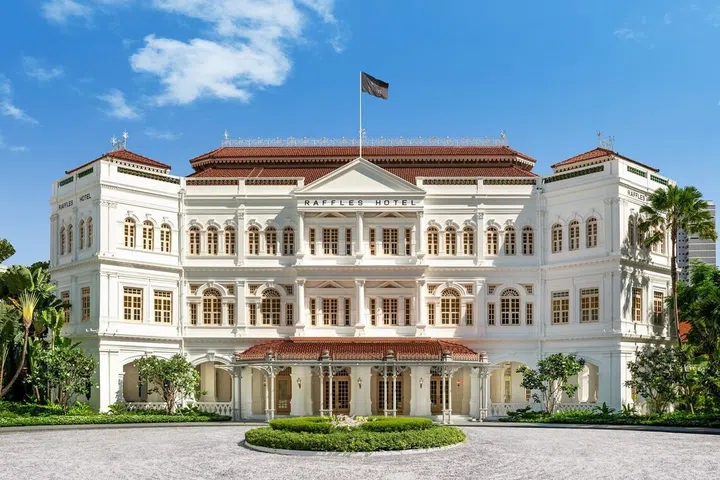
In Singapore, Raffles Hotel Singapore scored 99 points — 0.05 points shy of the maximum score, while Capella Hotel scored 96 points. Both hotels improved from their performance last year — Raffles scored 98.5 while Capella scored 95.
However, six other local hotels, which were on last year’s list, dropped out this year. They are The Fullerton Hotel Singapore, The Fullerton Bay Hotel Singapore, Fairmont Singapore, The Ritz-Carlton, Millenia Singapore, The St Regis Singapore and Four Seasons Singapore.
Spotlighting Asian icons
For Mandarin Oriental, Bangkok, which celebrated its 150th anniversary last year, the high ranking highlights the enduring strength of its heritage hotel brand and demonstrates the enduring value of service culture. According to La Liste, the hotel’s authority rests on a sense of trust that only time can cultivate, bolstering consumer confidence over the years.
Meanwhile, The Peninsula Shanghai is cited as an example of the renewal of an international hotel brand. It demonstrates how a global hotel group can combine global operational resources, while retaining a deeply-rooted local sense of place.
Asia winners of the Special Hotel Awards

Alongside its algorithmic rankings, La Liste also announced its Special Hotel Awards, selected by La Liste’s editorial team, drawing on its expertise and observations of the hospitality industry.
Among the Asian winners, India’s Tulåh Clinical Wellness in Kerela received the Innovation Hotel Award for pioneering a new category of hospitality that combines traditional Ayurvedic medicine with advanced clinical diagnostics, including metabolic analysis and genetic sequencing, to create individually tailored health programmes.
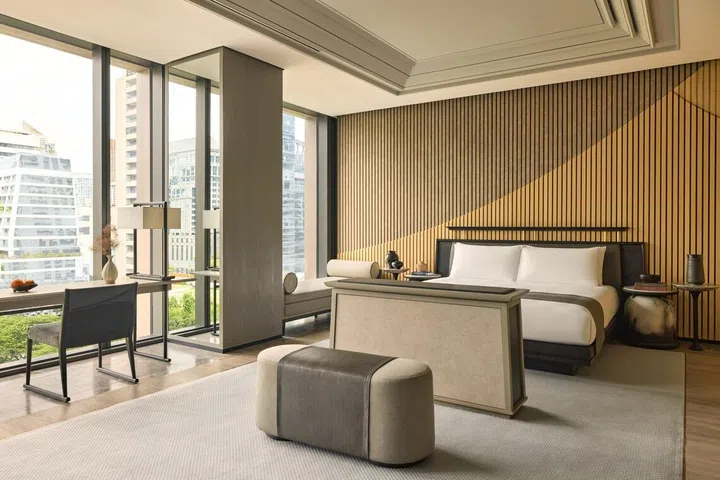
The Hotel Opening of the Year award went to Aman Nai Lert Bangkok, recognised for continuing the brand’s carefully curated urban expansion strategy in an historic green space, while Grand Hotel De Djokja in Indonesia was honoured for restoring one of Yogyakarta’s most important historic landmarks.
The Style & Design Hotel Award recognised Capella Kyoto, designed by Kengo Kuma as a respectful tribute to Kyoto’s historic Miyagawa-chō district, Mandarin Oriental Qianmen, Beijing, for restoring and reimagining 42 traditional siheyuan courtyard houses, and South Korea’s Art Paradiso, which is centred around contemporary art.
Bhutan’s Gangtey Lodge received the Discovery Gem Hotel Award for embodying the country’s architectural traditions through the use of carved timber and local stone.
Jörg Zipprick, Co-Founder & Editor-in-Chief of La Liste, says: “The centre of gravity of the luxury hotel industry is steadily shifting towards Asia—not only because many of the world’s most ambitious hotel projects are being developed there, but also because Asian investors are increasingly shaping luxury hospitality worldwide.”
He adds that the continued development of authoritative hotel guides, rankings and specialist travel publications across Asia will strengthen the showing of hotels from the region. He says: “The investment, talent and ambition are already there, and La Liste expects more Asian hotels to reach the very highest tier in the coming years as Asia’s own hotel evaluation ecosystem continues to mature.”
How do the rankings work?
La Liste’s hotel rankings are a data-based compilation of “global consensus on excellence”, from specialist publications, newspapers, guest-review indices and professional travel guides, including the Michelin Keys, which was added to its database this year.
Rather than relying on a single editorial team or inspection programme, La Liste’s proprietary algorithm synthesises hundreds of recognised international sources by first normalising different scoring systems onto a 100-point scale before weighting them according to editorial standards, historical consistency and market reliability.
For the full list, visit here.