%22%3E%0A%3Cpath%20d%3D%22M412%20101.2H393.7C393.1%20101.2%20392.3%20100.9%20391.8%20100.5C377.3%2087.6004%20362.9%2074.6004%20348.4%2061.6004C344.8%2058.4004%20341.3%2055.2004%20337.7%2052.0004C337.1%2051.5004%20336.2%2051.1004%20335.5%2051.0004C334.2%2050.8004%20333%2051.0004%20331.5%2051.0004V101.1H316.7V0.100391H331.4V44.3004C331.9%2044.3004%20332.2%2044.4004%20332.5%2044.4004C334.9%2044.4004%20337.2%2044.5004%20339.6%2044.4004C340.4%2044.4004%20341.3%2044.0004%20341.8%2043.5004C351.6%2034.4004%20361.4%2025.2004%20371.1%2016.0004C376.5%2010.9004%20381.9%205.90039%20387.3%200.800391C387.9%200.200391%20388.5%200.000390626%20389.3%200.000390626H400.9C384.2%2015.8004%20367.8%2031.3004%20351.2%2047.0004C371.5%2065.0004%20391.8%2082.9004%20412.1%20100.9C412.1%20101%20412.1%20101.1%20412%20101.2ZM180.9%20101.2C184.1%2094.9004%20187.2%2088.9004%20190.3%2082.8004C198.3%2067.3004%20206.2%2051.8004%20214.2%2036.2004C220.3%2024.4004%20226.4%2012.5004%20232.4%200.700391C232.7%200.100391%20233%20-0.0996094%20233.7%20-0.0996094H248.1C248.8%20-0.0996094%20249.2%200.100391%20249.6%200.800391C256%2013.3004%20262.4%2025.7004%20268.8%2038.2004C279.3%2058.6004%20289.8%2079.0004%20300.3%2099.5004C300.5%20100%20300.8%20100.4%20301.1%20101.1C300.5%20101.1%20300.1%20101.2%20299.7%20101.2H286.5C285.6%20101.2%20285.1%20100.9%20284.7%20100.2C280.1%2091.3004%20275.4%2082.4004%20270.8%2073.4004C270.1%2072.1004%20269.3%2071.6004%20267.8%2071.6004H209.9C208.7%2071.6004%20208.1%2072.0004%20207.5%2073.1004C202.9%2082.1004%20198.2%2091.0004%20193.6%20100C193.1%20101%20192.6%20101.3%20191.5%20101.3C188.4%20101.2%20185.3%20101.3%20182.3%20101.3C182%20101.2%20181.6%20101.2%20180.9%20101.2ZM239.1%2011.4004C230%2029.2004%20221.1%2046.7004%20212.1%2064.3004H266.4C257.2%2046.7004%20248.2%2029.2004%20239.1%2011.4004ZM0%200.000390626H43.4C51.2%200.000390626%2058.7%201.20039%2065.7%204.80039C75.9%2010.0004%2078.9%2018.0004%2078.6%2027.4004C78.3%2034.3004%2076%2040.5004%2071.2%2045.5004C67.3%2049.6004%2062.4%2052.3004%2057.1%2054.3004C50.6%2056.7004%2043.9%2058.0004%2037.1%2058.6004C30.1%2059.2004%2023.1%2059.4004%2016.2%2059.7004C15.8%2059.7004%2015.3%2059.8004%2014.8%2059.8004V101.1H0.1C0%2067.4004%200%2033.8004%200%200.000390626ZM14.8%207.10039V52.2004C23.7%2052.4004%2032.6%2052.3004%2041.2%2050.1004C44.4%2049.3004%2047.6%2048.2004%2050.6%2046.7004C58.4%2043.0004%2062.3%2036.7004%2062.7%2028.0004C63%2019.9004%2059.5%2014.1004%2052.4%2010.5004C47.6%208.00039%2042.5%207.10039%2037.2%207.10039H14.8ZM95.9%20101.1V0.100391H167.3V7.20039H110.7V44.7004H158.1V51.9004H110.8V93.9004H171.1V101C146.1%20101.1%20121%20101.1%2095.9%20101.1Z%22%20fill%3D%22black%22%2F%3E%0A%3Cpath%20d%3D%22M35.0004%2025.7996H42.5004V20.6996H44.8004V33.1996H42.6004V27.5996H34.9004V33.2996H32.7004V20.7996H35.0004V25.7996ZM54.4004%2025.8996V27.2996H48.9004V31.6996H55.9004C55.9004%2032.1996%2056.0004%2032.5996%2056.0004%2033.0996H46.5004V20.5996H55.5004V21.8996H49.0004V25.7996C50.7004%2025.8996%2052.5004%2025.8996%2054.4004%2025.8996ZM25.9004%2033.0996H23.5004V21.9996H17.9004V20.6996H31.6004V22.0996H27.1004C26.2004%2022.0996%2025.9004%2022.2996%2025.9004%2023.1996C26.0004%2026.0996%2025.9004%2028.9996%2025.9004%2031.7996V33.0996Z%22%20fill%3D%22black%22%2F%3E%0A%3C%2Fg%3E%0A%3Cdefs%3E%0A%3CclipPath%20id%3D%22clip0_388_462%22%3E%0A%3Crect%20width%3D%22411%22%20height%3D%22101.2%22%20fill%3D%22white%22%2F%3E%0A%3C%2FclipPath%3E%0A%3C%2Fdefs%3E%0A%3C%2Fsvg%3E%0A)
How tourism has transformed two minority cultures in Yunnan
In the ancient towns of Lijiang and Shangri-La, the past lingers even as modern tourism redraws the contours of tradition.
By Karen Tee /
Share this article
Once part of China’s ancient Tea Horse Road, the three historic districts of Shuhe, Baisha, and Dayan form the heart of Lijiang’s UNESCO World Heritage Site-listed Old Town. Like many stops along the Silk Road, these trade routes have long fallen quiet.
Yet these ancient towns remain distinctly alive, with a labyrinth of cobblestone streets and buildings constructed in the traditional Naxi style (one of the 25 ethnic minority groups and a distant relative of the Tibetans), featuring tiled roofs, wood-panelled doorways, and serene courtyards.
Once depopulated, these towns have found new life through tourism, which has helped sustain traditions that might otherwise have disappeared.
A mix of old and new
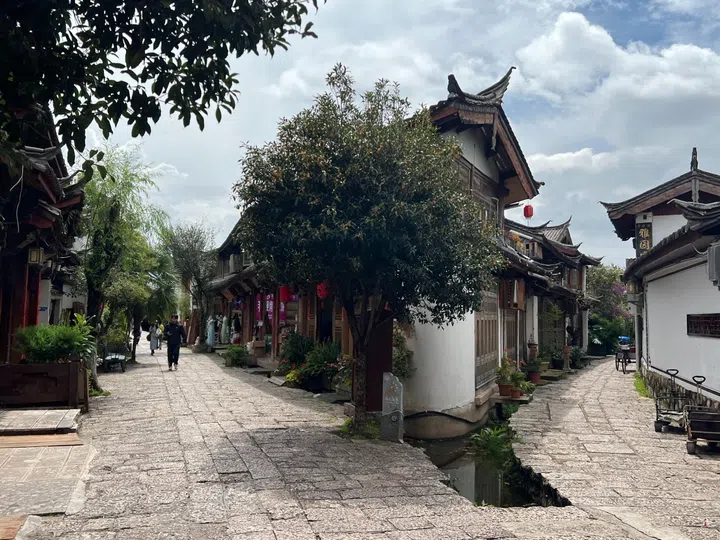
I travelled to Lijiang knowing only that the Naxi are the city’s predominant minority group. The 300,000-strong Naxi population sustains its culture, in part through the economic boost tourism provides.
For instance, along the road to Baisha, our guide points out small guesthouses that have opened in recent years, run by locals who would rather build a business at home than engage in manual labour in distant cities.
Within the old towns, the traditional and the modern intertwine.

Dayan’s thriving Zhongyi market is a trove where locals haggle for matsutake mushrooms, shine Muscat grapes, and Yunnan ham, while travellers browse for copper tea sets and colourful textiles.
Restored shopfronts sell snacks, herbs, and handicrafts, while stylish cafes and boutique hotels, such as Lux Lijiang, add a contemporary sheen to centuries-old streets.
An ancient script of the Naxi tribe
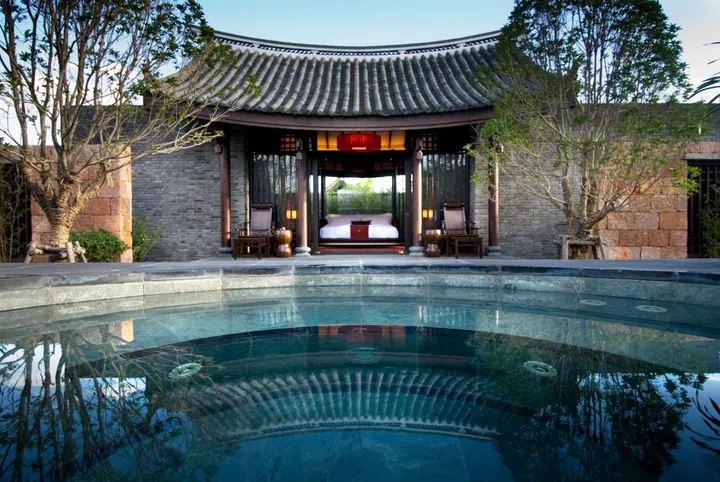
One of the first international hotels in the city, Banyan Tree Lijiang, organises an immersion into the Naxi’s Dongba script, said to be the world’s only surviving pictographic writing system. Exclusively for Banyan Tree guests, it serves as a cultural bridge between travellers and the community.
In 2017, Banyan Group’s co-founder, Claire Chiang, even spearheaded the publication of a poetry collection by Naxi historian Yang Shilong after discovering he lacked a way to preserve his work for future generations.
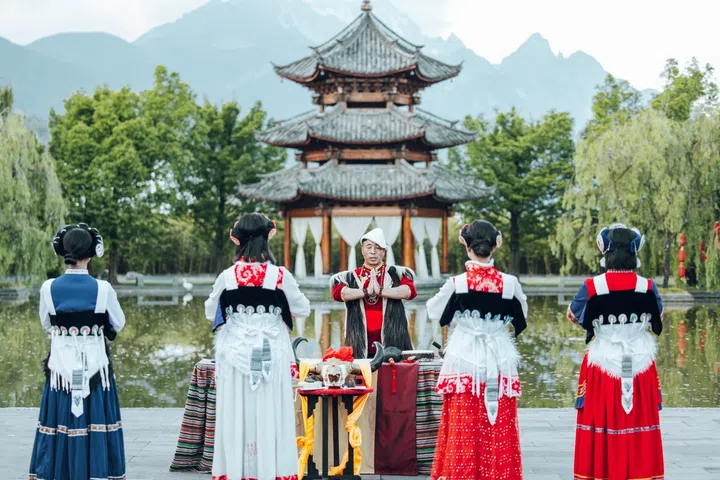
At the resort, we meet John Duan, a Naxi elder who has devoted his life to studying this script and now serves as its cultural ambassador, leading rock calligraphy sessions and evening prayer rituals.

Although initially sceptical about undertaking a “tourist craft activity”, I soon realised that Duan sees these as vital acts of preservation. “Meeting travellers allows us to not only learn about other cultures, but it also gives us more opportunities to share our traditions with the rest of the world,” he says.
Dressed in his great-grandfather’s 200-year-old mountain goat vest and a felt cap adorned with a magnificent feather, he explains how each pictograph carries meaning beyond its image and how stones are believed to hold the earth’s life force.
Since 2020, the hotel has hosted 270 calligraphy workshops for about 1,300 travellers, creating small but significant ripples.
He reflects, “With these sessions, at least more people are aware that this script exists. It might lead them to become interested in visiting our old towns, and as a result, the towns are more vibrant today than they have been in a long time.”
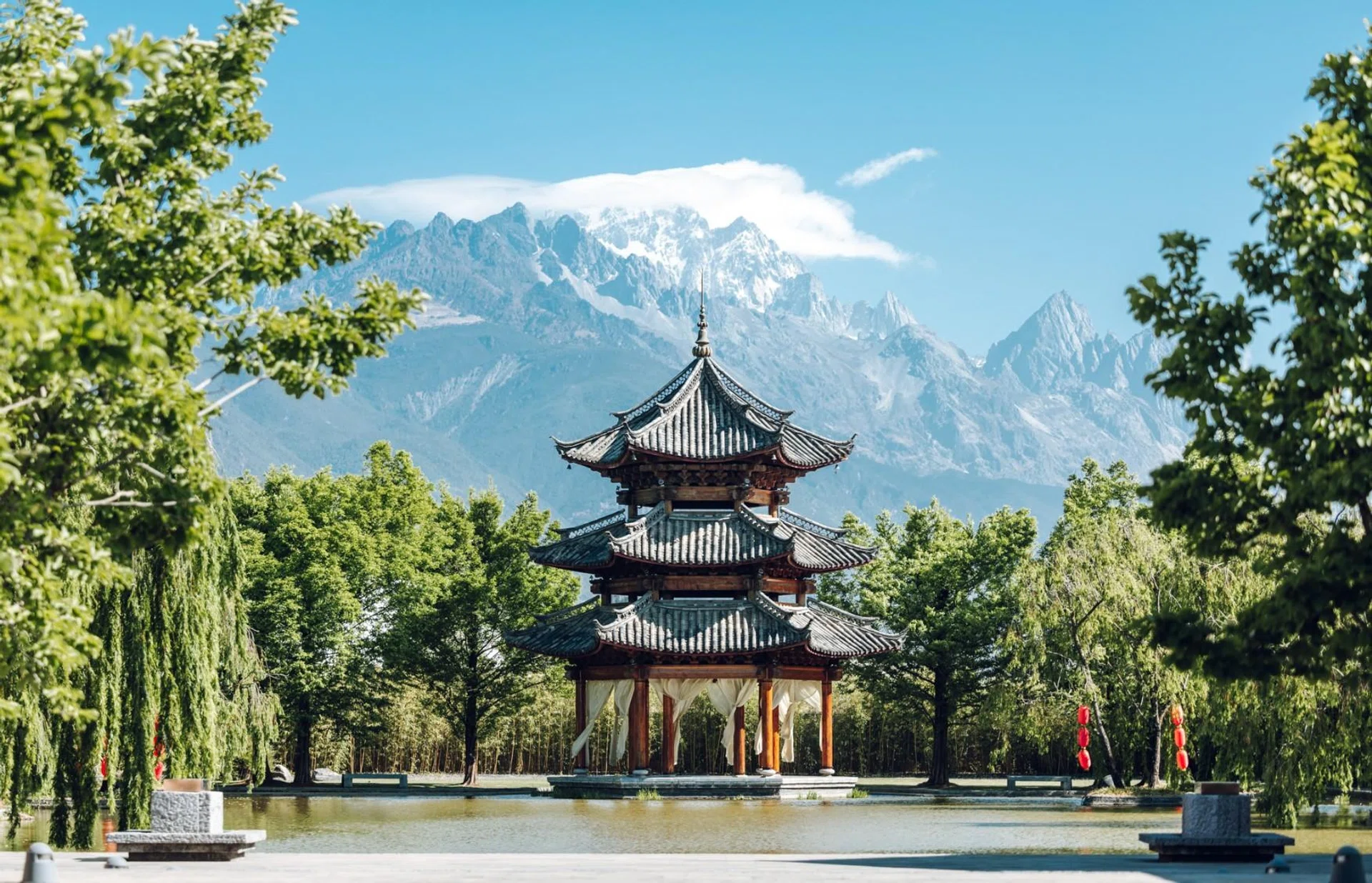
In the evening, we gather by the lake for the prayer ritual, with the Jade Dragon Snow Mountain rising before us, its peaks veiled in mist. Duan asks us to close our eyes, guiding our attention to his incantations. When we open them minutes later, sunlight pierces the clouds, illuminating the summits.
The moment feels almost sacred. I may never fully grasp the depth of Naxi knowledge, but I leave sensing their profound connection to sky and earth.
Navigating a fine line in preserving Tibetan culture
Next, we drive three hours to Shangri-La, often described as the Tibetan centre of Yunnan. Originally called Diqing, the city was renamed Shangri-La about two decades ago in recognition of James Hilton’s novel.
As we wind past gorges and craggy peaks, my mind drifts to a trip I took to Lhasa, the spiritual heart of Tibetan Buddhism, in 2014, that left me in awe. I expected echoes of that same reverence here. Instead, walking through Shangri-la’s old town of Dukezong felt incongruously performative.
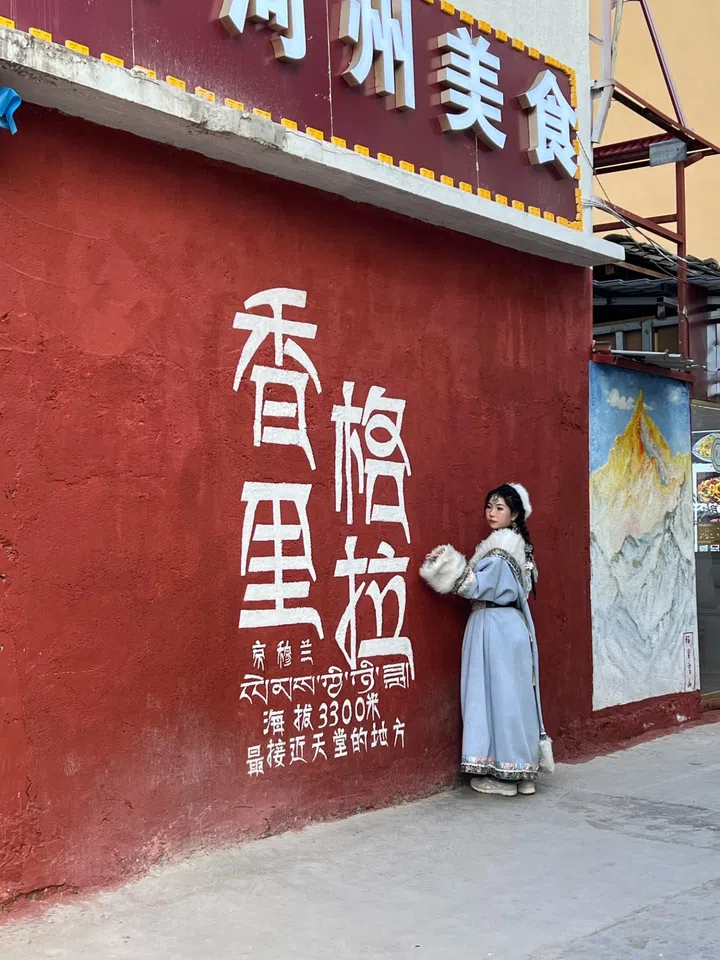
The old town was rebuilt after a 2014 fire to resemble a Tibetan village and is crowned by the Ganden Sumtseling Monastery, the largest Tibetan Buddhist monastery in Yunnan province.
But much of the main thoroughfare feels like a touristy theme park, leaving little sense of place. Its rows of buildings feature traditional Tibetan-style facades but house modern convenience stores, costume-rental shops and souvenir stands selling plastic prayer wheels.
Groups of Han Chinese tourists, lavishly outfitted in rented fur-trimmed robes and heavy makeup, posed for photographs and video.
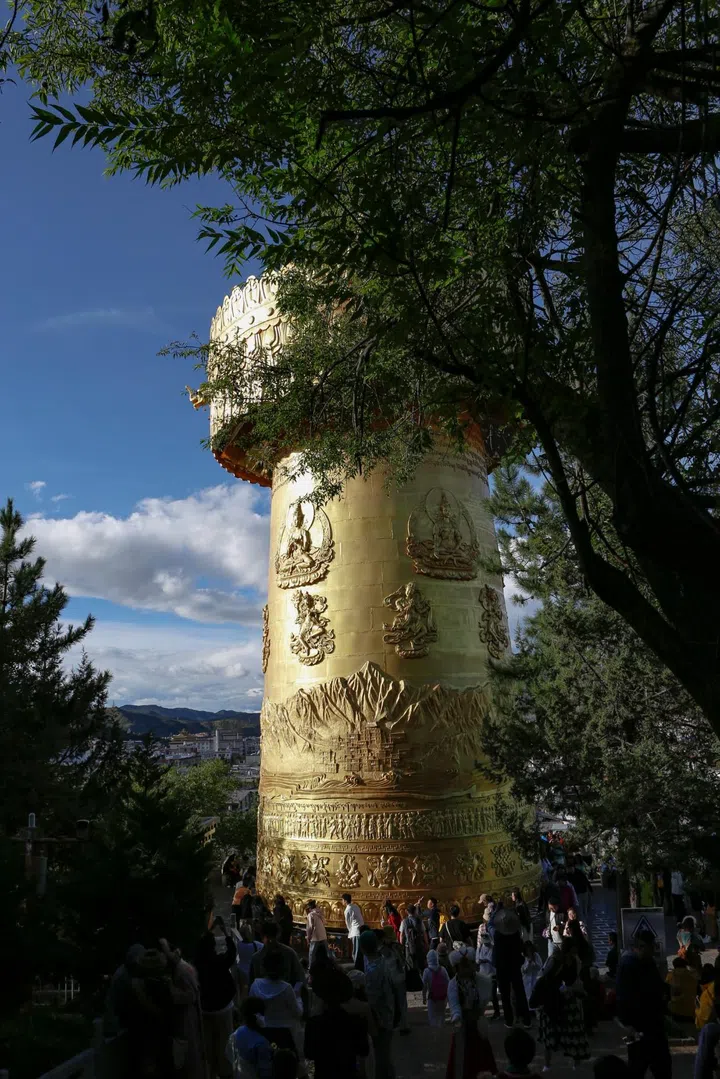
Many make their way to Guishan Park, where the world’s largest prayer wheel draws its own curious crowds — for more photo-taking.
Jarred by this commercialised reflection of the spiritual world I remembered, I call it a day and return to my hotel, Banyan Tree Ringha.
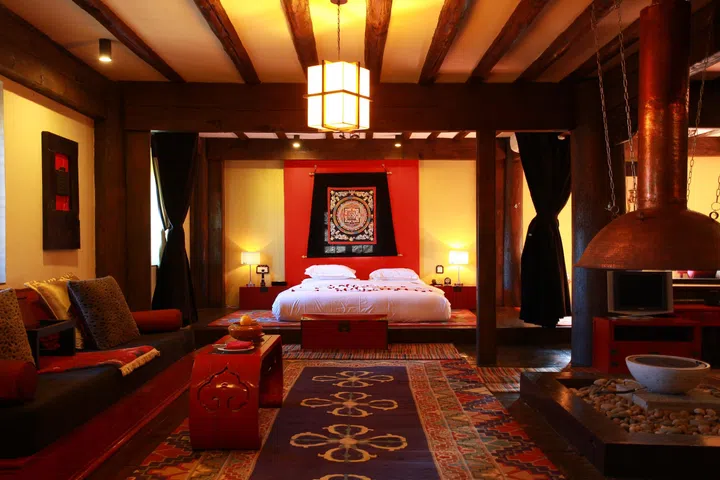
The property — the group’s first in China — opened in 2005 and comprises 18 traditional Tibetan farmhouses salvaged and restored in collaboration with local communities. Situated along a quiet riverbank surrounded by farms, my spirits lift again.
The true heart of Shangri-La
Over the years, the hotel’s legacy has extended to uplifting the lives of its employees. Many employees have learned the art of modern hospitality and turned that knowledge into opportunity.
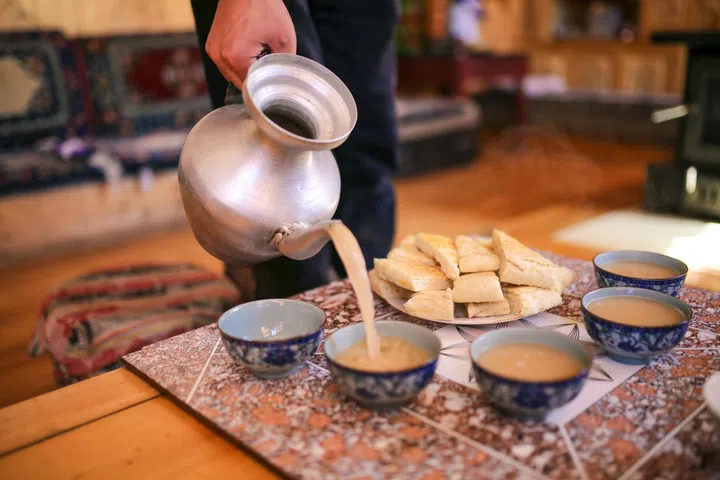
When we stop by a local home for butter tea, the host proudly gestures to a new wing under construction. It is a modest guesthouse he hopes will welcome travellers seeking the real Shangri-La while securing a sustainable future for his family.
What lies ahead in this delicate balancing act between preservation and progress remains uncertain. Yet, it is precisely these contrasts that make Yunnan such a thought-provoking destination. Here, living heritage is continually negotiating the fine line between safeguarding tradition and performance in the age of modern tourism, with varying outcomes.
But one thing is certain: the landscape has already changed.
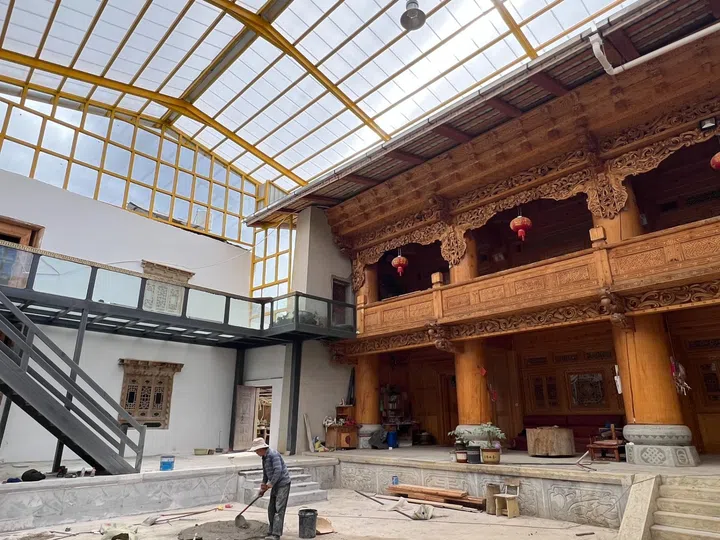
Many old Tibetan homes are now topped with gazebos to shield the wooden buildings from heavy snowfall. The sight is bittersweet.
As travellers, we arrive yearning for authenticity, yet we are part of the change that reshapes it for better or worse, as we have consistently witnessed throughout this journey.
As Chiang reflects, “For me, it is a bit of a pity because it has lost some of its Tibetan charm. But it is also a symbol of prosperity — that the locals not only have a house but can protect it. And that is practical.”