%22%3E%0A%3Cpath%20d%3D%22M412%20101.2H393.7C393.1%20101.2%20392.3%20100.9%20391.8%20100.5C377.3%2087.6004%20362.9%2074.6004%20348.4%2061.6004C344.8%2058.4004%20341.3%2055.2004%20337.7%2052.0004C337.1%2051.5004%20336.2%2051.1004%20335.5%2051.0004C334.2%2050.8004%20333%2051.0004%20331.5%2051.0004V101.1H316.7V0.100391H331.4V44.3004C331.9%2044.3004%20332.2%2044.4004%20332.5%2044.4004C334.9%2044.4004%20337.2%2044.5004%20339.6%2044.4004C340.4%2044.4004%20341.3%2044.0004%20341.8%2043.5004C351.6%2034.4004%20361.4%2025.2004%20371.1%2016.0004C376.5%2010.9004%20381.9%205.90039%20387.3%200.800391C387.9%200.200391%20388.5%200.000390626%20389.3%200.000390626H400.9C384.2%2015.8004%20367.8%2031.3004%20351.2%2047.0004C371.5%2065.0004%20391.8%2082.9004%20412.1%20100.9C412.1%20101%20412.1%20101.1%20412%20101.2ZM180.9%20101.2C184.1%2094.9004%20187.2%2088.9004%20190.3%2082.8004C198.3%2067.3004%20206.2%2051.8004%20214.2%2036.2004C220.3%2024.4004%20226.4%2012.5004%20232.4%200.700391C232.7%200.100391%20233%20-0.0996094%20233.7%20-0.0996094H248.1C248.8%20-0.0996094%20249.2%200.100391%20249.6%200.800391C256%2013.3004%20262.4%2025.7004%20268.8%2038.2004C279.3%2058.6004%20289.8%2079.0004%20300.3%2099.5004C300.5%20100%20300.8%20100.4%20301.1%20101.1C300.5%20101.1%20300.1%20101.2%20299.7%20101.2H286.5C285.6%20101.2%20285.1%20100.9%20284.7%20100.2C280.1%2091.3004%20275.4%2082.4004%20270.8%2073.4004C270.1%2072.1004%20269.3%2071.6004%20267.8%2071.6004H209.9C208.7%2071.6004%20208.1%2072.0004%20207.5%2073.1004C202.9%2082.1004%20198.2%2091.0004%20193.6%20100C193.1%20101%20192.6%20101.3%20191.5%20101.3C188.4%20101.2%20185.3%20101.3%20182.3%20101.3C182%20101.2%20181.6%20101.2%20180.9%20101.2ZM239.1%2011.4004C230%2029.2004%20221.1%2046.7004%20212.1%2064.3004H266.4C257.2%2046.7004%20248.2%2029.2004%20239.1%2011.4004ZM0%200.000390626H43.4C51.2%200.000390626%2058.7%201.20039%2065.7%204.80039C75.9%2010.0004%2078.9%2018.0004%2078.6%2027.4004C78.3%2034.3004%2076%2040.5004%2071.2%2045.5004C67.3%2049.6004%2062.4%2052.3004%2057.1%2054.3004C50.6%2056.7004%2043.9%2058.0004%2037.1%2058.6004C30.1%2059.2004%2023.1%2059.4004%2016.2%2059.7004C15.8%2059.7004%2015.3%2059.8004%2014.8%2059.8004V101.1H0.1C0%2067.4004%200%2033.8004%200%200.000390626ZM14.8%207.10039V52.2004C23.7%2052.4004%2032.6%2052.3004%2041.2%2050.1004C44.4%2049.3004%2047.6%2048.2004%2050.6%2046.7004C58.4%2043.0004%2062.3%2036.7004%2062.7%2028.0004C63%2019.9004%2059.5%2014.1004%2052.4%2010.5004C47.6%208.00039%2042.5%207.10039%2037.2%207.10039H14.8ZM95.9%20101.1V0.100391H167.3V7.20039H110.7V44.7004H158.1V51.9004H110.8V93.9004H171.1V101C146.1%20101.1%20121%20101.1%2095.9%20101.1Z%22%20fill%3D%22black%22%2F%3E%0A%3Cpath%20d%3D%22M35.0004%2025.7996H42.5004V20.6996H44.8004V33.1996H42.6004V27.5996H34.9004V33.2996H32.7004V20.7996H35.0004V25.7996ZM54.4004%2025.8996V27.2996H48.9004V31.6996H55.9004C55.9004%2032.1996%2056.0004%2032.5996%2056.0004%2033.0996H46.5004V20.5996H55.5004V21.8996H49.0004V25.7996C50.7004%2025.8996%2052.5004%2025.8996%2054.4004%2025.8996ZM25.9004%2033.0996H23.5004V21.9996H17.9004V20.6996H31.6004V22.0996H27.1004C26.2004%2022.0996%2025.9004%2022.2996%2025.9004%2023.1996C26.0004%2026.0996%2025.9004%2028.9996%2025.9004%2031.7996V33.0996Z%22%20fill%3D%22black%22%2F%3E%0A%3C%2Fg%3E%0A%3Cdefs%3E%0A%3CclipPath%20id%3D%22clip0_388_462%22%3E%0A%3Crect%20width%3D%22411%22%20height%3D%22101.2%22%20fill%3D%22white%22%2F%3E%0A%3C%2FclipPath%3E%0A%3C%2Fdefs%3E%0A%3C%2Fsvg%3E%0A)
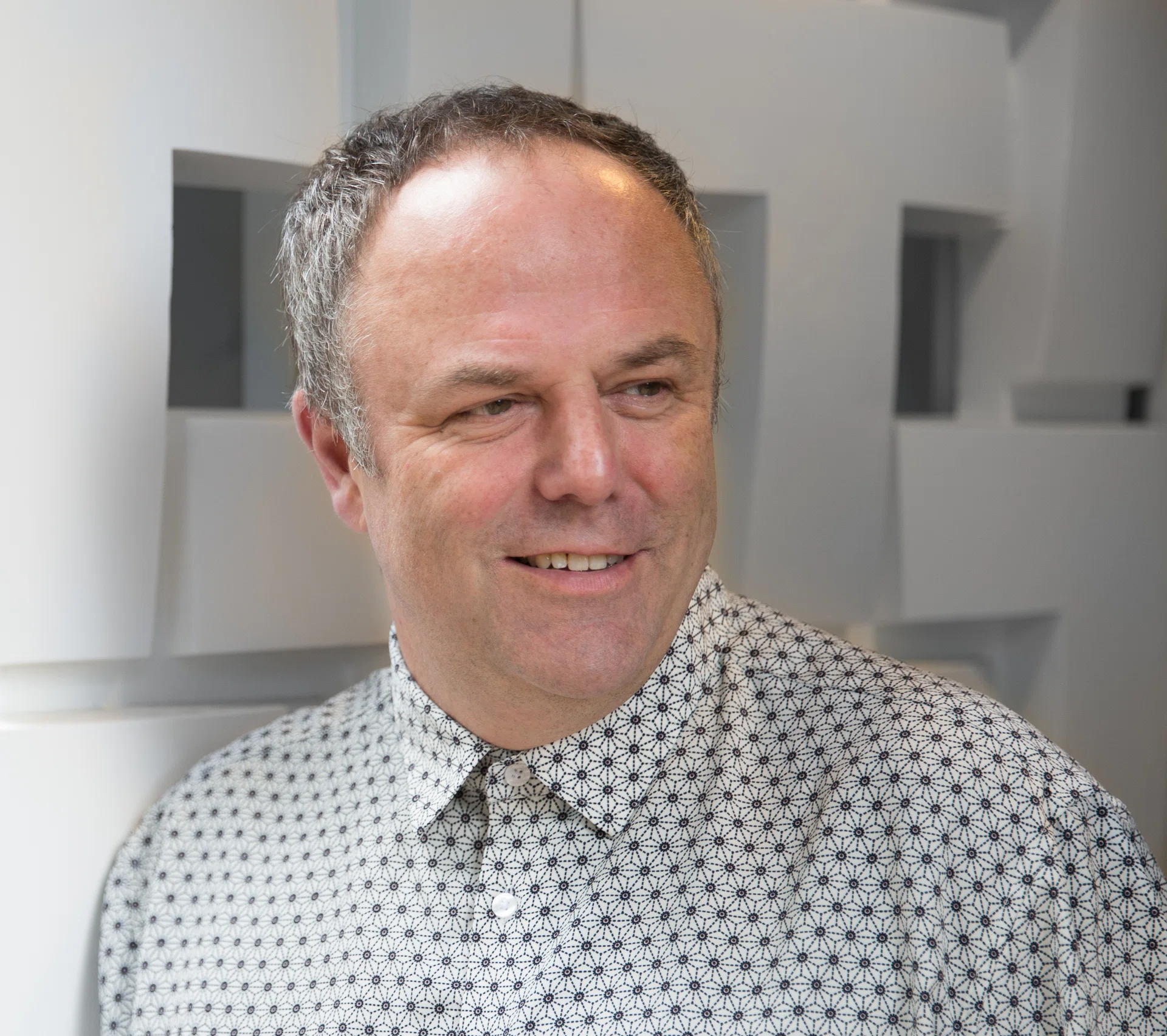
Award-winning British architect Mark Dytham reflects on his 35 years in Japan
The co-founder of Klein Dytham Architecture has championed design thinking through community and commercial projects for more than three decades since moving to Tokyo.
By Luo Jingmei /
Share this article
When UK architecture students Astrid Klein and Mark Dytham won travel scholarships in 1988, they chose Tokyo. Neither of them would imagine they would stay for the next 35 years. “We got into Japan straight out of school. We had £2,500 ($4,241) each and didn’t know how long that would last,” says Dytham, the co-founder of Klein Dytham Architecture.
They ended up working for acclaimed Japanese architect Toyo Ito.
One of Klein Dytham Architecture’s more famous projects is Daikanyama T-Site, also known as Tsutaya Books Daikanyama, a creative institution under the media and retail conglomerate Culture Convenience Club (CCC).
Other noteworthy clients include luxury hospitality group Hoshino Resorts and consumer brands such as BMW, Cartier, and Fender, whose inaugural flagship store the firm completed last year in Tokyo’s Jingumae district.
A meld of branding and architecture
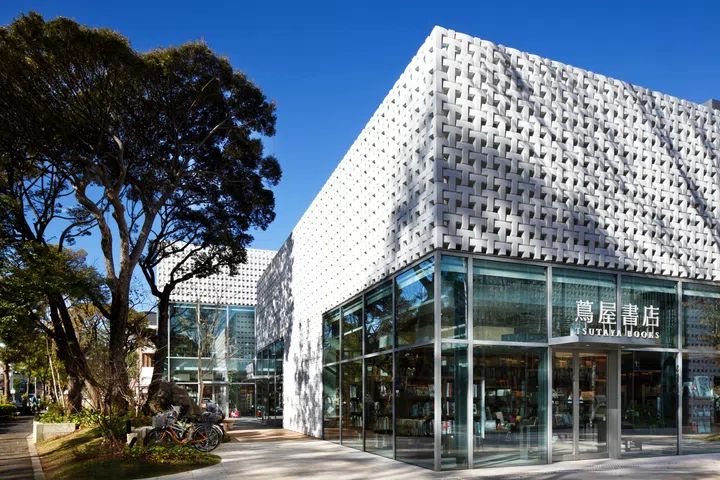
Daikanyama T-site. (Photo: Nacása & Partners)
Started in 1991, the firm thrived with the pair’s unconventional approach to projects. Their first, in 1996, was the headquarters for furniture company Idee Workstation, where they incorporated an existing 1960s gasoline station kiosk into the building’s design. “Usually, after one buys a plot (in Japan), everything on site is knocked down,” says Dytham.
Not shy of incorporating bright colours and graphics into their works, they selected a pixelation of different shades when asked to replace the cladding for Hoshino Resort Tomamu The Tower in Hokkaido. Hence, the twin buildings meld into the changing seasonal landscapes.
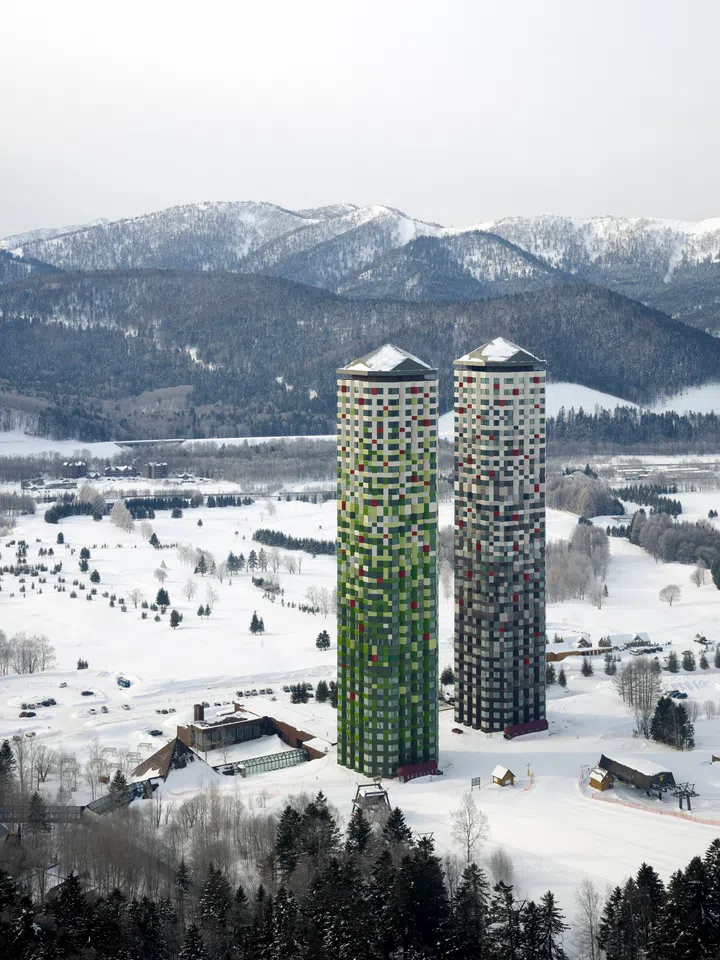
Hoshino Resort Tomamu The Tower. (Photo: Nacása & Partners)
Dytham describes their works as a “cross between branding and architecture”. This is especially true for projects like Daikanyama T-Site, wrapped in a weave of lattice and concrete “T” motifs. Initially targeting empty nesters over 50 with the disposable income to indulge in their hobbies, T-site has become more than just a bookstore for all ages.
Another project for Tsutaya that embodies similar principles but is expressed differently is the Shonan T-Site in Yokohama. “The building was an old factory on a site with no trees. Tsutaya means ‘ivy’ in Japanese, so instead of using ‘T’s, we applied an ivy leaf print to (facade) panels. We wanted to bring (a kind of) ‘greenery’ into the (uninteresting) site then, which is now filled with houses,” explains Dytham.
Giving back to society
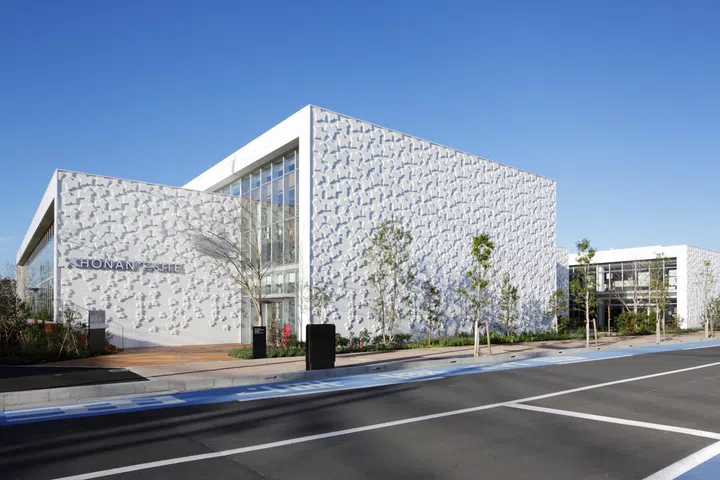
Shonan T-site in Yokohama. (Photo: Nacása & Partners)
While the firm has been commercially successful, it also devotes time to community-focused projects. Klein and Dytham are active board members of the non-profit Home For All, a collective of architects established by Ito to provide temporary housing and community facilities for victims after the 2011 Great East Japan Earthquake.
Currently, the office is working on building projects for the communities struck by this January’s Noto Earthquake.
Earthquakes are one reason for Japan’s unique real estate situation, where land is more valuable than its buildings. “Architecture here is not seen as permanent; everything was built with timber before (and easily destroyed) in earthquakes,” Dytham explains.
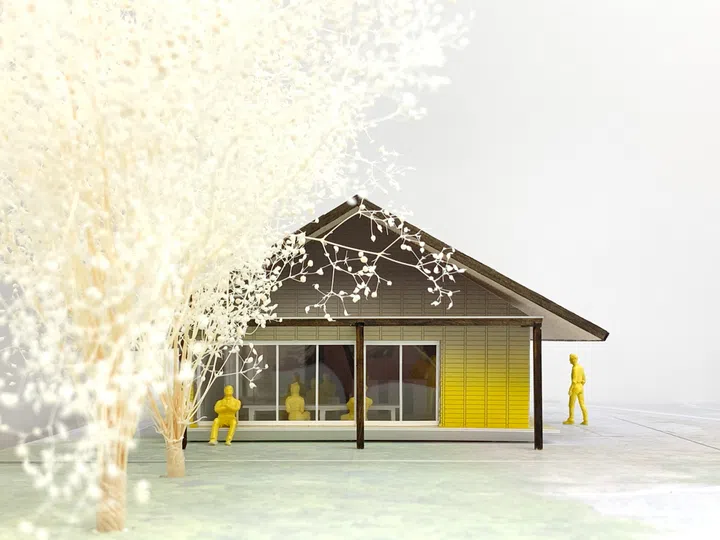
The concept for houses by Home For All for survivors of the Noto Peninsula earthquake in January. (Photo: Home For All)
It is common for buildings constructed pre-1980 to be replaced as they fall short of today’s earthquake-proofing standards.
He thinks this makes the country’s discussion on sustainable building more complex. “Buildings get replaced often in Japan, and people think ‘that’s such a waste’. But because we’re continually upgrading our (real estate) stock, our buildings are becoming more efficient, environmentally friendly, using systems with less energy,” he expounds.
Spreading the word
Over the years, Klein and Dytham have become invaluable to Japan’s design discourse. They are founding members of Designart Tokyo — a design and art festival that started in 2017 to highlight the works of established and young creatives throughout the city. This year, 117 exhibits were shown from October 18 to 27.
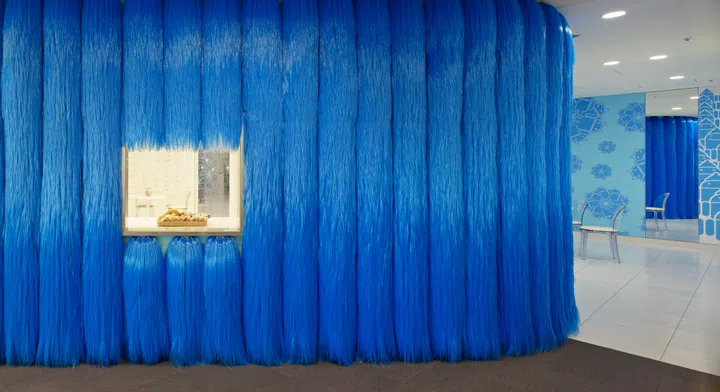
Google Japan. (Photo: Daici Ano)
The fair is significant for platforming young designers; many have established their careers abroad or showcased overseas, like the prestigious Milan Fair. One of Dytham’s favourite exhibitions was “Nest” from a group called Straft (comprising Tamaki Ishii and Kazuma Yamagami) in the Under 30 programme.
It repurposed rice straw leftover after harvesting, traditionally used in religious objects and as a building material, into arty furniture and overcoats.
“The exhibitors this year were outstanding. There was a massive variety, and many people said it’s one of the most inspirational design weeks they’ve gone to because there were so many (progressive) designs they had never seen before,” he says.

PechaKucha night. (Photo: PechaKucha)
For Dytham, design can continue to be a powerful and effective way to create change. In 2003, he and Klein started PechaKucha Nights to spread design thinking worldwide. So far, over 10,000 cities have hosted PechaKucha Nights.
Characterised by a quick presentation format comprising 20 images in 20 seconds per person, it’s even been held in conflict-torn countries such as Sudan, Russia, Ukraine, and Yemen, showing that design is a level-playing field. Says Dytham, “None of these creatives in Ukraine and Russia wants war — PechaKucha Night stands for creativity across all boundaries.”