%22%3E%0A%3Cpath%20d%3D%22M412%20101.2H393.7C393.1%20101.2%20392.3%20100.9%20391.8%20100.5C377.3%2087.6004%20362.9%2074.6004%20348.4%2061.6004C344.8%2058.4004%20341.3%2055.2004%20337.7%2052.0004C337.1%2051.5004%20336.2%2051.1004%20335.5%2051.0004C334.2%2050.8004%20333%2051.0004%20331.5%2051.0004V101.1H316.7V0.100391H331.4V44.3004C331.9%2044.3004%20332.2%2044.4004%20332.5%2044.4004C334.9%2044.4004%20337.2%2044.5004%20339.6%2044.4004C340.4%2044.4004%20341.3%2044.0004%20341.8%2043.5004C351.6%2034.4004%20361.4%2025.2004%20371.1%2016.0004C376.5%2010.9004%20381.9%205.90039%20387.3%200.800391C387.9%200.200391%20388.5%200.000390626%20389.3%200.000390626H400.9C384.2%2015.8004%20367.8%2031.3004%20351.2%2047.0004C371.5%2065.0004%20391.8%2082.9004%20412.1%20100.9C412.1%20101%20412.1%20101.1%20412%20101.2ZM180.9%20101.2C184.1%2094.9004%20187.2%2088.9004%20190.3%2082.8004C198.3%2067.3004%20206.2%2051.8004%20214.2%2036.2004C220.3%2024.4004%20226.4%2012.5004%20232.4%200.700391C232.7%200.100391%20233%20-0.0996094%20233.7%20-0.0996094H248.1C248.8%20-0.0996094%20249.2%200.100391%20249.6%200.800391C256%2013.3004%20262.4%2025.7004%20268.8%2038.2004C279.3%2058.6004%20289.8%2079.0004%20300.3%2099.5004C300.5%20100%20300.8%20100.4%20301.1%20101.1C300.5%20101.1%20300.1%20101.2%20299.7%20101.2H286.5C285.6%20101.2%20285.1%20100.9%20284.7%20100.2C280.1%2091.3004%20275.4%2082.4004%20270.8%2073.4004C270.1%2072.1004%20269.3%2071.6004%20267.8%2071.6004H209.9C208.7%2071.6004%20208.1%2072.0004%20207.5%2073.1004C202.9%2082.1004%20198.2%2091.0004%20193.6%20100C193.1%20101%20192.6%20101.3%20191.5%20101.3C188.4%20101.2%20185.3%20101.3%20182.3%20101.3C182%20101.2%20181.6%20101.2%20180.9%20101.2ZM239.1%2011.4004C230%2029.2004%20221.1%2046.7004%20212.1%2064.3004H266.4C257.2%2046.7004%20248.2%2029.2004%20239.1%2011.4004ZM0%200.000390626H43.4C51.2%200.000390626%2058.7%201.20039%2065.7%204.80039C75.9%2010.0004%2078.9%2018.0004%2078.6%2027.4004C78.3%2034.3004%2076%2040.5004%2071.2%2045.5004C67.3%2049.6004%2062.4%2052.3004%2057.1%2054.3004C50.6%2056.7004%2043.9%2058.0004%2037.1%2058.6004C30.1%2059.2004%2023.1%2059.4004%2016.2%2059.7004C15.8%2059.7004%2015.3%2059.8004%2014.8%2059.8004V101.1H0.1C0%2067.4004%200%2033.8004%200%200.000390626ZM14.8%207.10039V52.2004C23.7%2052.4004%2032.6%2052.3004%2041.2%2050.1004C44.4%2049.3004%2047.6%2048.2004%2050.6%2046.7004C58.4%2043.0004%2062.3%2036.7004%2062.7%2028.0004C63%2019.9004%2059.5%2014.1004%2052.4%2010.5004C47.6%208.00039%2042.5%207.10039%2037.2%207.10039H14.8ZM95.9%20101.1V0.100391H167.3V7.20039H110.7V44.7004H158.1V51.9004H110.8V93.9004H171.1V101C146.1%20101.1%20121%20101.1%2095.9%20101.1Z%22%20fill%3D%22black%22%2F%3E%0A%3Cpath%20d%3D%22M35.0004%2025.7996H42.5004V20.6996H44.8004V33.1996H42.6004V27.5996H34.9004V33.2996H32.7004V20.7996H35.0004V25.7996ZM54.4004%2025.8996V27.2996H48.9004V31.6996H55.9004C55.9004%2032.1996%2056.0004%2032.5996%2056.0004%2033.0996H46.5004V20.5996H55.5004V21.8996H49.0004V25.7996C50.7004%2025.8996%2052.5004%2025.8996%2054.4004%2025.8996ZM25.9004%2033.0996H23.5004V21.9996H17.9004V20.6996H31.6004V22.0996H27.1004C26.2004%2022.0996%2025.9004%2022.2996%2025.9004%2023.1996C26.0004%2026.0996%2025.9004%2028.9996%2025.9004%2031.7996V33.0996Z%22%20fill%3D%22black%22%2F%3E%0A%3C%2Fg%3E%0A%3Cdefs%3E%0A%3CclipPath%20id%3D%22clip0_388_462%22%3E%0A%3Crect%20width%3D%22411%22%20height%3D%22101.2%22%20fill%3D%22white%22%2F%3E%0A%3C%2FclipPath%3E%0A%3C%2Fdefs%3E%0A%3C%2Fsvg%3E%0A)
The McLaren headquarters hiding F1’s biggest secrets
From Ayrton Senna tributes to a “graveyard” of lost cars — inside the hidden world of McLaren’s racing empire.
By Jamie Nonis /
Share this article
On December 8, 2024, McLaren won the Formula One Championship for the first time in 26 years. The jubilation experienced by “papaya” fans the world over was keenly felt on social media. For any diehard McLaren supporter, a visit to the McLaren Technology Centre (MTC) in Woking, England, is not unlike a personal hajj.
Having walked these hallowed halls just months before, we could already feel the tide turning. There’s a certain kind of energy you can sense when a person, team, or company is entering its winning era, and I distinctly recall that feeling being palpable in MTC that summer.
“90% NASA, 10% Disney”
This Norman Foster-designed building is where the magic happens for the McLaren F1 racing team and McLaren Automotive, which manufactures the company’s high-performance cars for road use. Stepping into the facility is both surreal and serene. The intensity of the race cars clad in bright papaya orange offers a striking juxtaposition against the glass and steel structure punctuating the English countryside.
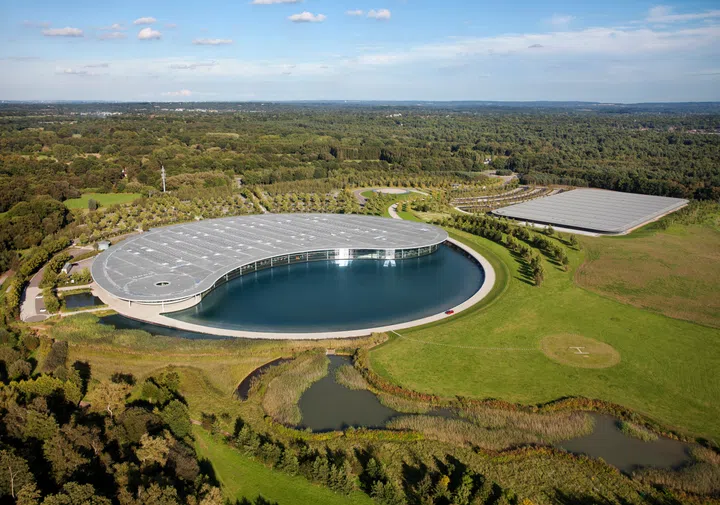
The carp-filled lake fronting the building provides the yin to the yang of the hive of activity of engineers, designers and technical crew concealed from sight — a suspicion confirmed by aerial images of the main building and lake forming a perfect circle that replicates the harmonising symbol of dual forces ubiquitous in ancient Chinese philosophy from above.
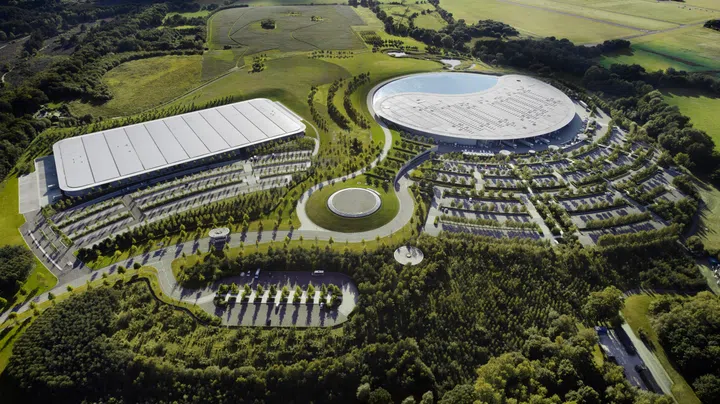
The design brief for the campus, built on a 50-ha site that once housed an ostrich farm and a model railway, was to make it feel “90 per cent Nasa, 10 per cent Disney”, according to the company. There are nods to car anatomy incorporated into the building design, from the piston-inspired glass lifts to the supporting blades for the building’s facade inspired by the suspension wishbones of an F1 car.
It’s a futuristic-looking space that masterfully blends soft and hard elements, conveying a sense of fluidity and modernity even after its doors opened 20 years ago. It’s no surprise, then, that Hollywood has come knocking more than once, seeking to use the building — big enough to house nine Boeing 747 aircraft — as a film set for several award-winning movies and TV productions, including the 2019 action blockbuster Fast & Furious Presents: Hobbs & Shaw.
Papaya pride on display
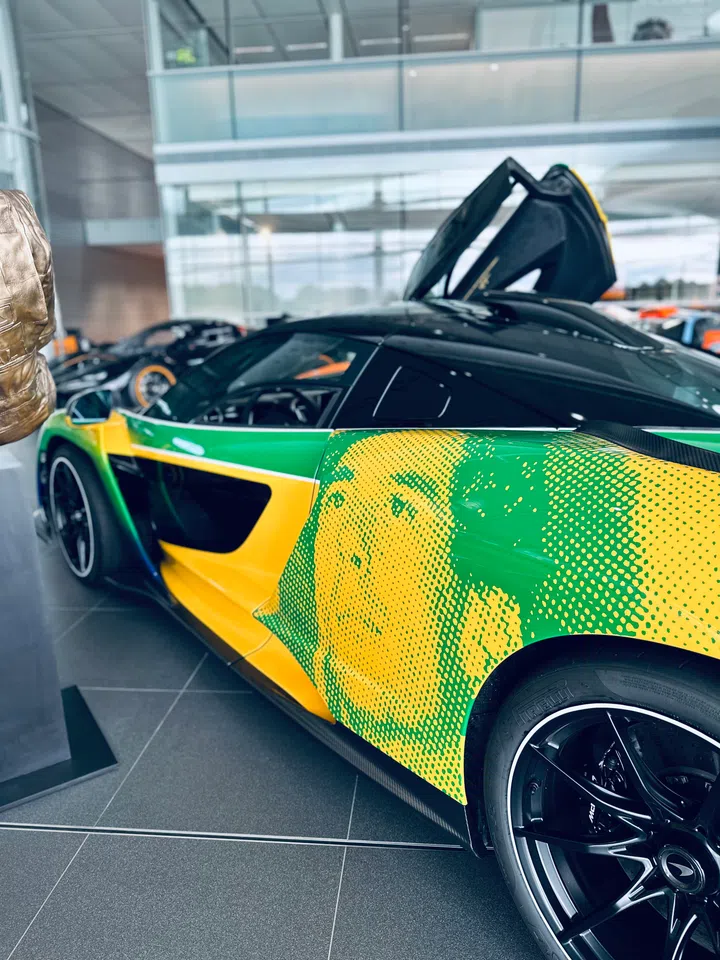
As you enter the facility, a bronze life-sized statue of founder Bruce McLaren greets visitors. At the same time, a special edition McLaren Senna wrapped in “Senna Sempre” livery is proudly displayed out front. The latter’s vibrant yellow and green livery bears the face of its tribute, Ayrton Senna, as the Brazilian driver and F1 legend who dominated the sport from the late 1980s to early 90s grace the vehicle in a pixelated form on the side of the car.
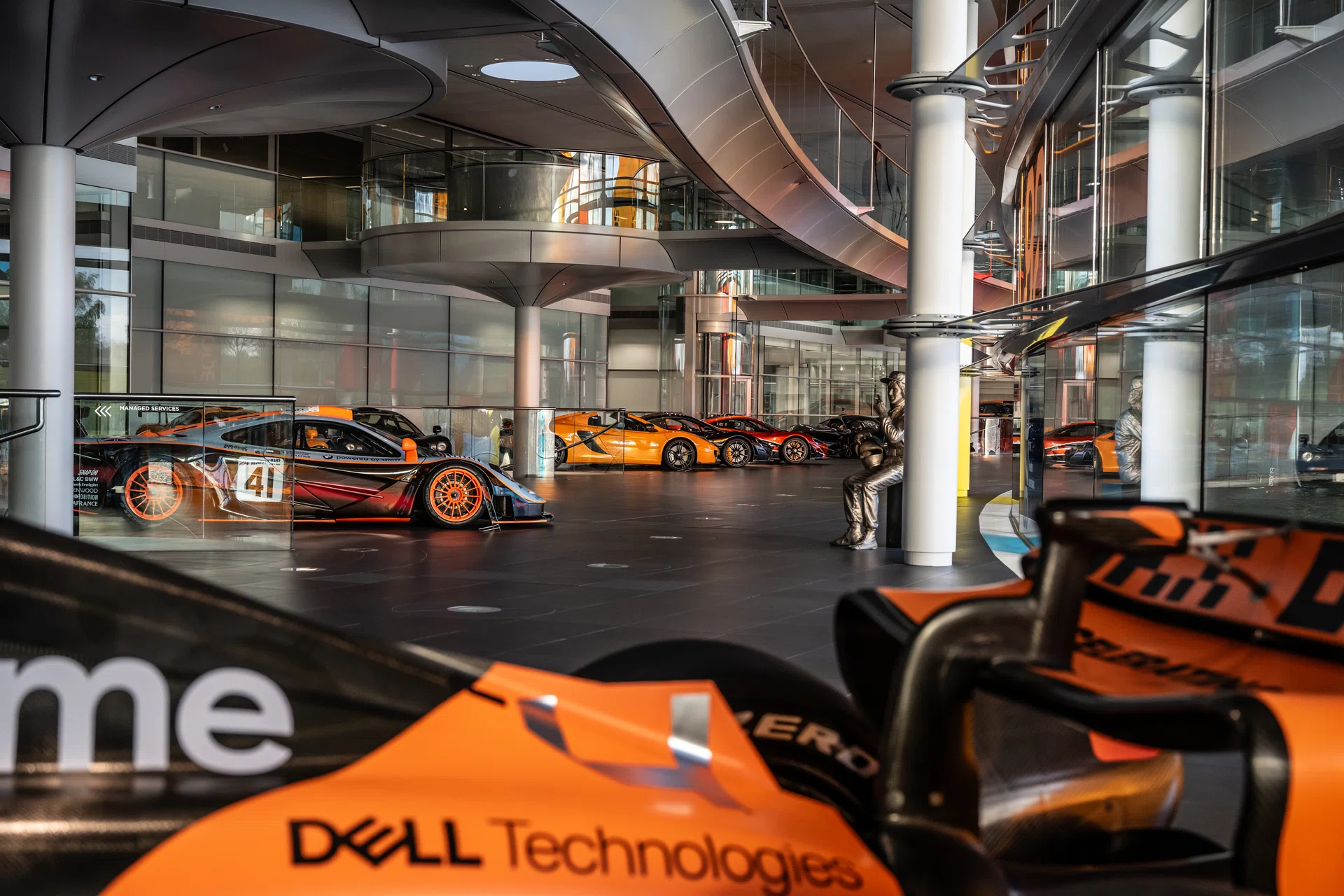
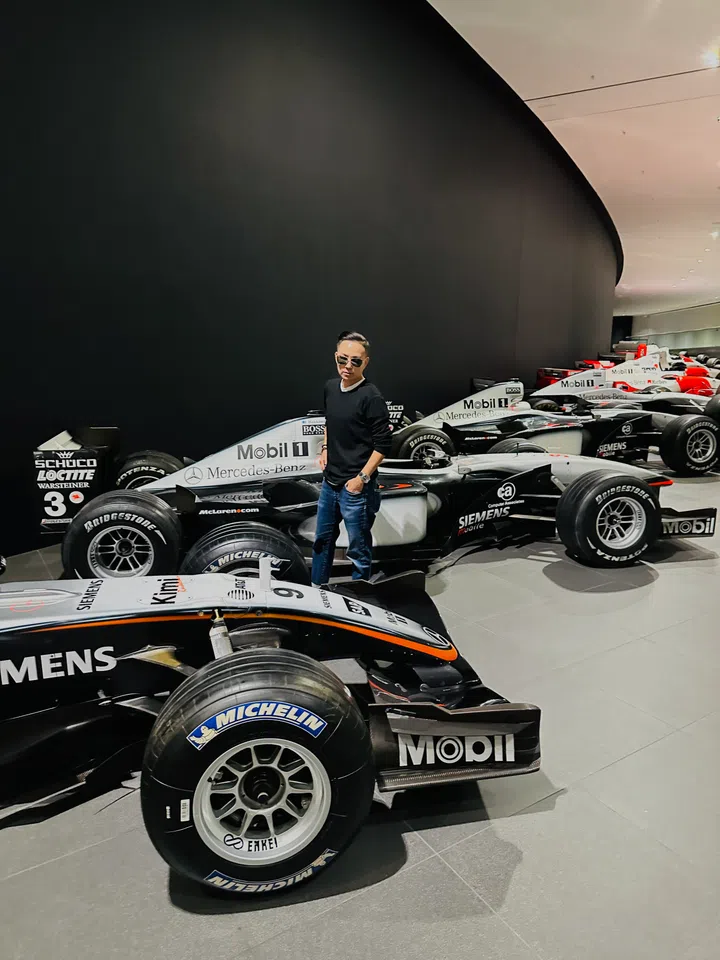
The sense of history here is profound. The succession of retired race cars on exhibit bears the names of motorsport greats, from Alain Prost, Niki Lauda, and Mika Häkkinen to David Coulthard, Jenson Button, Kimi Räikkönen, and Lewis Hamilton of the modern era.
Walk past the papaya pride parade on display, and you come to the hall of fame. Here, showcases lining both sides of the passageway in which trophies, cups and plaques of all shapes and sizes in bronze, silver, gold, and glass tell the story of McLaren’s illustrious racing history over five decades.
But it is “The Graveyard” that resonates most with me. The McLaren staffer on the tour slides his access card on a control panel, and a black unmarked door slides open to reveal a secret room. This is where F1 cars of note that have kissed the grid but never won anything are kept, we’re told; a cold, windowless catacomb for the ghosts of motorsports past, if you will.
Maintaining peak performance
But the McLaren Technology Centre is not a mausoleum or even a museum. The rest of the campus buzzes with the hustle and bustle of the automotive company and the F1 racing department, which work side by side with an eye to the future to keep the McLaren name at the apotheosis of a new era.
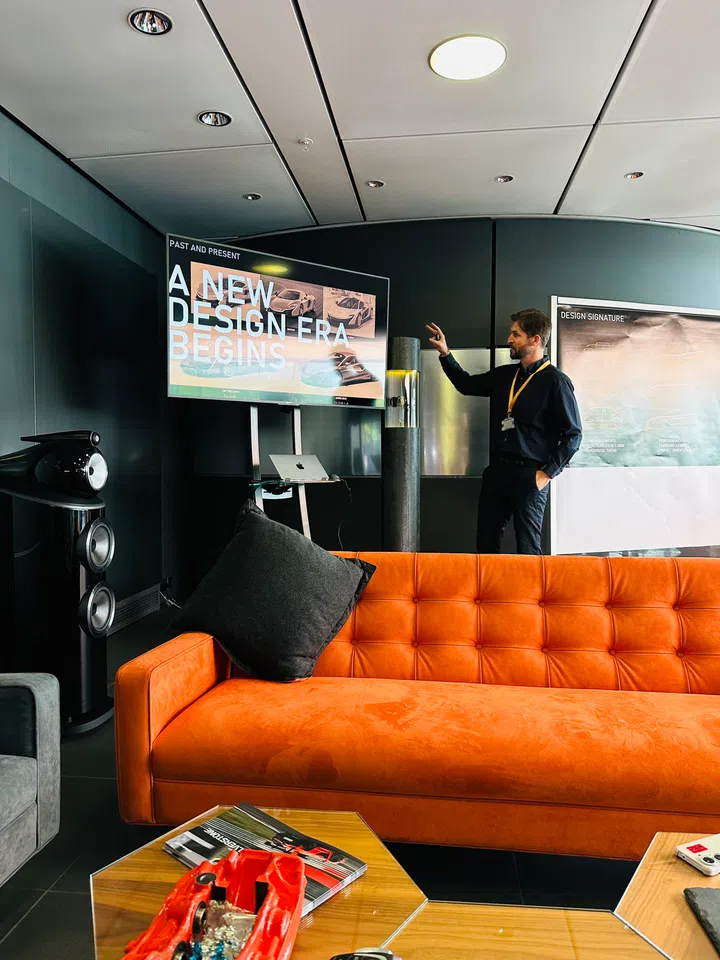
“We’re one family, and we definitely share technologies and know-how,” says Tobias Suhlmann, chief design officer at McLaren Automotive.
“Our history and DNA come from racing, and our cars are made for performance. There’s a lot we can learn from racing, and we’re always pushing the limits and pushing the boundaries for our road cars,” he adds.
In the McLaren Production Centre next door, new McLaren supercars already spoken for are being assembled by hand for customers worldwide. It takes 16 days to build a McLaren, and 12 completed cars leave the facility each day. While there, I spot an Artura Spider, a 750S, and a GT being put together or undergoing rigorous tests at different stations.
The company employs only one robot to handle tasks like roof-fitting — previously the work of eight people — to improve productivity. However, most of the work is still done by hand.
A certain romanticism comes with a “hand-assembled” label, particularly when I contrast this scene with an image filed away in my mind from a factory visit to a Chinese car company months prior. The latter offered a very different spectacle: A factory floor covered wall-to-wall with machinery plugging away nonstop for an inverse human-robot ratio.
And we reckon that the human touch is a welcome distinction that makes a McLaren much more than just a machine designed for speed. However, that’s important, too. Just ask Lando.