%22%3E%0A%3Cpath%20d%3D%22M412%20101.2H393.7C393.1%20101.2%20392.3%20100.9%20391.8%20100.5C377.3%2087.6004%20362.9%2074.6004%20348.4%2061.6004C344.8%2058.4004%20341.3%2055.2004%20337.7%2052.0004C337.1%2051.5004%20336.2%2051.1004%20335.5%2051.0004C334.2%2050.8004%20333%2051.0004%20331.5%2051.0004V101.1H316.7V0.100391H331.4V44.3004C331.9%2044.3004%20332.2%2044.4004%20332.5%2044.4004C334.9%2044.4004%20337.2%2044.5004%20339.6%2044.4004C340.4%2044.4004%20341.3%2044.0004%20341.8%2043.5004C351.6%2034.4004%20361.4%2025.2004%20371.1%2016.0004C376.5%2010.9004%20381.9%205.90039%20387.3%200.800391C387.9%200.200391%20388.5%200.000390626%20389.3%200.000390626H400.9C384.2%2015.8004%20367.8%2031.3004%20351.2%2047.0004C371.5%2065.0004%20391.8%2082.9004%20412.1%20100.9C412.1%20101%20412.1%20101.1%20412%20101.2ZM180.9%20101.2C184.1%2094.9004%20187.2%2088.9004%20190.3%2082.8004C198.3%2067.3004%20206.2%2051.8004%20214.2%2036.2004C220.3%2024.4004%20226.4%2012.5004%20232.4%200.700391C232.7%200.100391%20233%20-0.0996094%20233.7%20-0.0996094H248.1C248.8%20-0.0996094%20249.2%200.100391%20249.6%200.800391C256%2013.3004%20262.4%2025.7004%20268.8%2038.2004C279.3%2058.6004%20289.8%2079.0004%20300.3%2099.5004C300.5%20100%20300.8%20100.4%20301.1%20101.1C300.5%20101.1%20300.1%20101.2%20299.7%20101.2H286.5C285.6%20101.2%20285.1%20100.9%20284.7%20100.2C280.1%2091.3004%20275.4%2082.4004%20270.8%2073.4004C270.1%2072.1004%20269.3%2071.6004%20267.8%2071.6004H209.9C208.7%2071.6004%20208.1%2072.0004%20207.5%2073.1004C202.9%2082.1004%20198.2%2091.0004%20193.6%20100C193.1%20101%20192.6%20101.3%20191.5%20101.3C188.4%20101.2%20185.3%20101.3%20182.3%20101.3C182%20101.2%20181.6%20101.2%20180.9%20101.2ZM239.1%2011.4004C230%2029.2004%20221.1%2046.7004%20212.1%2064.3004H266.4C257.2%2046.7004%20248.2%2029.2004%20239.1%2011.4004ZM0%200.000390626H43.4C51.2%200.000390626%2058.7%201.20039%2065.7%204.80039C75.9%2010.0004%2078.9%2018.0004%2078.6%2027.4004C78.3%2034.3004%2076%2040.5004%2071.2%2045.5004C67.3%2049.6004%2062.4%2052.3004%2057.1%2054.3004C50.6%2056.7004%2043.9%2058.0004%2037.1%2058.6004C30.1%2059.2004%2023.1%2059.4004%2016.2%2059.7004C15.8%2059.7004%2015.3%2059.8004%2014.8%2059.8004V101.1H0.1C0%2067.4004%200%2033.8004%200%200.000390626ZM14.8%207.10039V52.2004C23.7%2052.4004%2032.6%2052.3004%2041.2%2050.1004C44.4%2049.3004%2047.6%2048.2004%2050.6%2046.7004C58.4%2043.0004%2062.3%2036.7004%2062.7%2028.0004C63%2019.9004%2059.5%2014.1004%2052.4%2010.5004C47.6%208.00039%2042.5%207.10039%2037.2%207.10039H14.8ZM95.9%20101.1V0.100391H167.3V7.20039H110.7V44.7004H158.1V51.9004H110.8V93.9004H171.1V101C146.1%20101.1%20121%20101.1%2095.9%20101.1Z%22%20fill%3D%22black%22%2F%3E%0A%3Cpath%20d%3D%22M35.0004%2025.7996H42.5004V20.6996H44.8004V33.1996H42.6004V27.5996H34.9004V33.2996H32.7004V20.7996H35.0004V25.7996ZM54.4004%2025.8996V27.2996H48.9004V31.6996H55.9004C55.9004%2032.1996%2056.0004%2032.5996%2056.0004%2033.0996H46.5004V20.5996H55.5004V21.8996H49.0004V25.7996C50.7004%2025.8996%2052.5004%2025.8996%2054.4004%2025.8996ZM25.9004%2033.0996H23.5004V21.9996H17.9004V20.6996H31.6004V22.0996H27.1004C26.2004%2022.0996%2025.9004%2022.2996%2025.9004%2023.1996C26.0004%2026.0996%2025.9004%2028.9996%2025.9004%2031.7996V33.0996Z%22%20fill%3D%22black%22%2F%3E%0A%3C%2Fg%3E%0A%3Cdefs%3E%0A%3CclipPath%20id%3D%22clip0_388_462%22%3E%0A%3Crect%20width%3D%22411%22%20height%3D%22101.2%22%20fill%3D%22white%22%2F%3E%0A%3C%2FclipPath%3E%0A%3C%2Fdefs%3E%0A%3C%2Fsvg%3E%0A)
Milan Design Week 2026’s first collectable design showcase pushes the boundaries of art and furniture
Straddling the realms of functional furniture and art, collectable design’s popularity is reflected by the inaugural Salone Raritas at the 64th Salone del Mobile held in April.
By Luo Jingmei /
Share this article
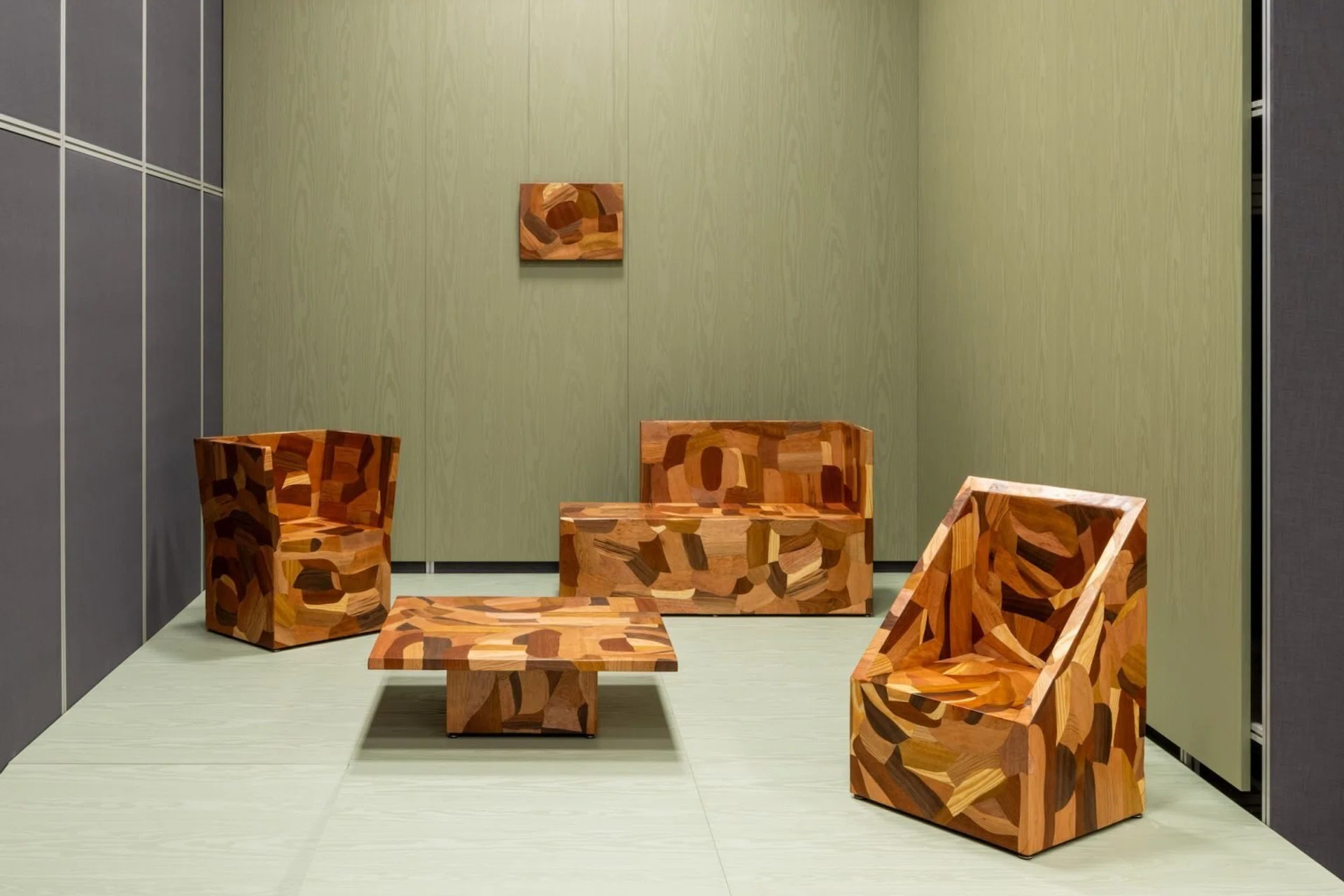
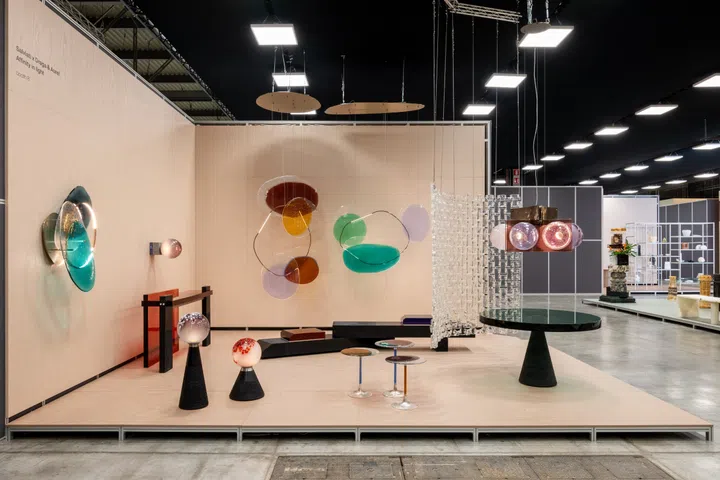
This year, for the first time at the 64th Salone del Mobile, collectable design had its own exhibit in Hall 9 titled Salone Raritas. Held alongside Milan Design Week, which ran from April 20 to 16, 2026, 28 galleries from 12 countries presented in a widely anticipated showcase for the high-end B2B design market.
Today, collectable design is a high-value market with galleries dedicated solely to it. The genre began to appear in the early 1980s and grew in popularity during the noughties, after designers such as Ron Arad and Marc Newson presented technically progressive works featuring unique designs and rare materials.
Salone Raritas reflects the demand not only for functional furniture or art to dress spaces, but also for pieces that straddle both categories and have investment potential.
Collectable design is here to stay
Salone Raritas was on Maria Porro and Annalisa Rosso’s minds for several years. The former is a journalist, curator, and the president of the Salone del Mobile, and the latter is the co-founder of Milan-based design consultancy Mr.Lawrence.
Being immersed in the interior design ecosystem, and through observations of architects, interior designers, and creators increasingly incorporating rare objects and furniture “as cultural touchstones alongside more conventional industrial and serial design”, they realised that collectable design was not just a passing fad but “a profound and lasting shift”, shares Rosso via email.
Hence, Salone Raritas was realised this year. The name “Raritas” (rare in Italian) aptly reflects the pieces’ singularity. Rosso, also Salone del Mobile’s editorial and cultural director, curated galleries ranging from institutions like Nilufar Gallery to revered design mavericks such as Dutch-Kiwi designer Sabine Marcelis.
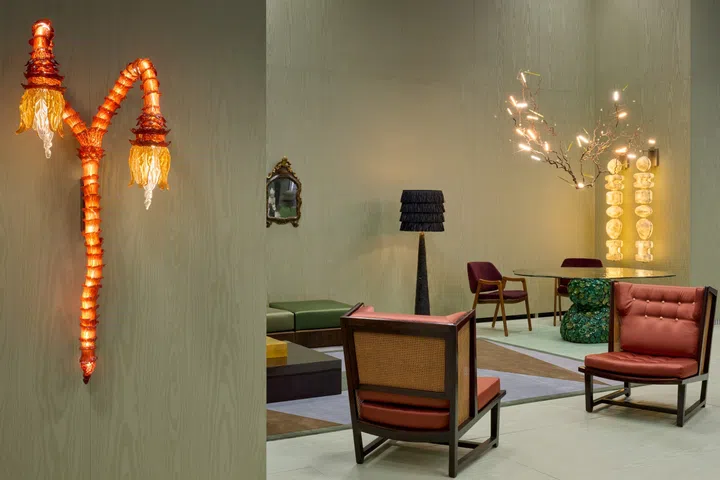
Nilufar’s founder, Nina Yashar, sees Salone Raritas as “a natural and timely evolution, (bringing) visibility to practices that have long existed, giving space to research, and to a more experimental approach to design within the context of the Salone”.
She notes that the boundaries between art and design have increasingly blurred, leading to “a growing recognition of design as a collectable and cultural expression; this shift, supported by galleries, curators, and designers, has gradually created the conditions for a section like this to emerge”.
Space for experiment and research
Salone Raritas also provides a platform for experimental and research-driven practices.
Some of these include architectural practice Herzog & de Meuron’s collection with Bauhaus-inspired furniture maker Marta Sala Éditions, and Zaha Hadid Architects’ amorphous Erosion Collection made with Neutra.
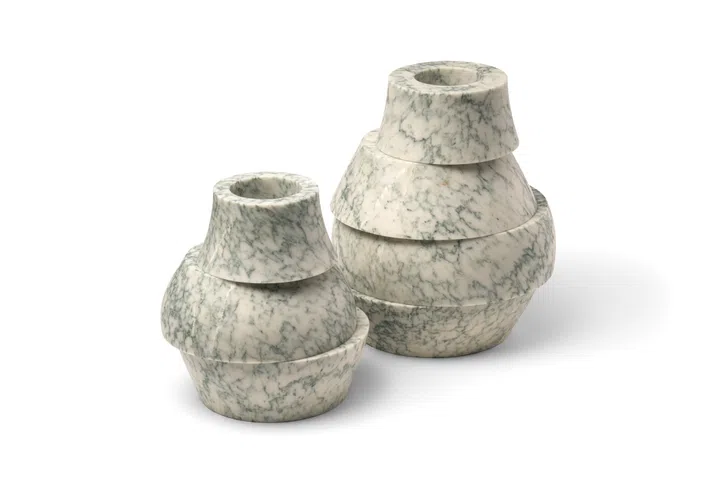
Carrara-based Matera Collective brought together a bevvy of well-known creatives like Ronan Bouroullec, Teruhiro Yanagihara, Richard Hutten, and Maho Motoyama to design original pieces — each not exceeding 50cm and all made from waste stone.
Given the difficulty in categorising collectable design that runs the gamut of contemporary, unique, and art-centric pieces as well as antiques and works made with rare techniques or materials, it is not surprising that curating collectable design “requires a different kind of engagement”.
Says Yashar, “It is not only about function or immediate impact, but also about communicating a narrative, a process of research, and a clear vision behind each piece.”

One thing that stood out at Salone Raritas was Rosso’s mention of being particularly drawn to the late Shiro Kuramata’s “How High the Moon Armchair”, calling it “a true icon and (how) seeing it in person was something I had long awaited”. The steel mesh piece has no interior frame or support, both to define and dematerialise the conventional upholstered armchair profile.
She was also deeply moved by Officine Saffi Lab, presented by the Italian Gallery and the Laboratory of Ceramics, which focused on process and realised an entire ceramic wall during the Salone.
Salone Raritas: A new model moving forward

Stefan Scholten — co-founder, designer, and design director of Msatara — was one of the many exhibitors pleased with Salone Raritas’ positive reception. “We welcomed a diverse and international audience, including editors, collectors, members of the press, as well as gallery and shop owners. The interest was both broad and deeply informed,” he says.
Salone Raritas appeared to be an antidote to the fatigue many editors and visitors felt with the recent “spectacle” of design and domination by luxury brands, which some view as sidestepping true innovation and design discourse.
“Many visitors described Salone Raritas as a refreshing counterpoint to the larger, more commercial presentations by major brands — a place to pause and engage more closely with craftsmanship and experimental design,” Scholten affirms.
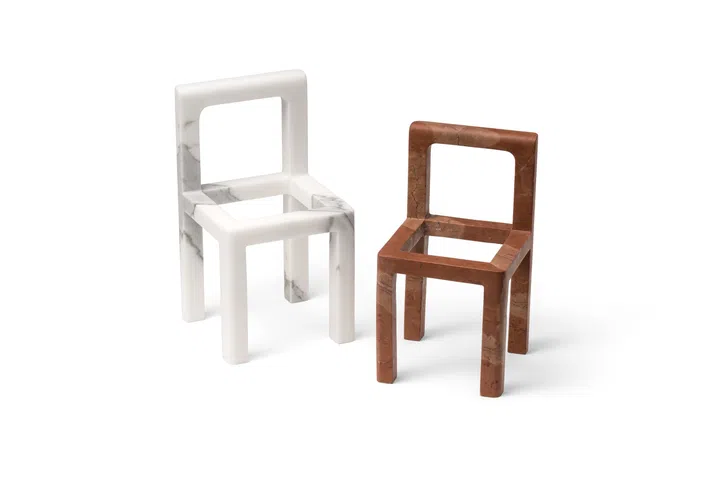
He believes that Salone Raritas’ format is heading in the right direction and should continue this way. “The works presented are expected to find their way into collections through galleries and direct relationships with collectors and institutions, reflecting their unique and limited nature.”
Encouraged, Rosso sees the section expanding next year — “not least because we expect the global situation to become more favourable in terms of logistics and international participation”. Most importantly is this, she adds, “What matters most to us is to continue the conversation that has already been so richly set in motion.”