%22%3E%0A%3Cpath%20d%3D%22M412%20101.2H393.7C393.1%20101.2%20392.3%20100.9%20391.8%20100.5C377.3%2087.6004%20362.9%2074.6004%20348.4%2061.6004C344.8%2058.4004%20341.3%2055.2004%20337.7%2052.0004C337.1%2051.5004%20336.2%2051.1004%20335.5%2051.0004C334.2%2050.8004%20333%2051.0004%20331.5%2051.0004V101.1H316.7V0.100391H331.4V44.3004C331.9%2044.3004%20332.2%2044.4004%20332.5%2044.4004C334.9%2044.4004%20337.2%2044.5004%20339.6%2044.4004C340.4%2044.4004%20341.3%2044.0004%20341.8%2043.5004C351.6%2034.4004%20361.4%2025.2004%20371.1%2016.0004C376.5%2010.9004%20381.9%205.90039%20387.3%200.800391C387.9%200.200391%20388.5%200.000390626%20389.3%200.000390626H400.9C384.2%2015.8004%20367.8%2031.3004%20351.2%2047.0004C371.5%2065.0004%20391.8%2082.9004%20412.1%20100.9C412.1%20101%20412.1%20101.1%20412%20101.2ZM180.9%20101.2C184.1%2094.9004%20187.2%2088.9004%20190.3%2082.8004C198.3%2067.3004%20206.2%2051.8004%20214.2%2036.2004C220.3%2024.4004%20226.4%2012.5004%20232.4%200.700391C232.7%200.100391%20233%20-0.0996094%20233.7%20-0.0996094H248.1C248.8%20-0.0996094%20249.2%200.100391%20249.6%200.800391C256%2013.3004%20262.4%2025.7004%20268.8%2038.2004C279.3%2058.6004%20289.8%2079.0004%20300.3%2099.5004C300.5%20100%20300.8%20100.4%20301.1%20101.1C300.5%20101.1%20300.1%20101.2%20299.7%20101.2H286.5C285.6%20101.2%20285.1%20100.9%20284.7%20100.2C280.1%2091.3004%20275.4%2082.4004%20270.8%2073.4004C270.1%2072.1004%20269.3%2071.6004%20267.8%2071.6004H209.9C208.7%2071.6004%20208.1%2072.0004%20207.5%2073.1004C202.9%2082.1004%20198.2%2091.0004%20193.6%20100C193.1%20101%20192.6%20101.3%20191.5%20101.3C188.4%20101.2%20185.3%20101.3%20182.3%20101.3C182%20101.2%20181.6%20101.2%20180.9%20101.2ZM239.1%2011.4004C230%2029.2004%20221.1%2046.7004%20212.1%2064.3004H266.4C257.2%2046.7004%20248.2%2029.2004%20239.1%2011.4004ZM0%200.000390626H43.4C51.2%200.000390626%2058.7%201.20039%2065.7%204.80039C75.9%2010.0004%2078.9%2018.0004%2078.6%2027.4004C78.3%2034.3004%2076%2040.5004%2071.2%2045.5004C67.3%2049.6004%2062.4%2052.3004%2057.1%2054.3004C50.6%2056.7004%2043.9%2058.0004%2037.1%2058.6004C30.1%2059.2004%2023.1%2059.4004%2016.2%2059.7004C15.8%2059.7004%2015.3%2059.8004%2014.8%2059.8004V101.1H0.1C0%2067.4004%200%2033.8004%200%200.000390626ZM14.8%207.10039V52.2004C23.7%2052.4004%2032.6%2052.3004%2041.2%2050.1004C44.4%2049.3004%2047.6%2048.2004%2050.6%2046.7004C58.4%2043.0004%2062.3%2036.7004%2062.7%2028.0004C63%2019.9004%2059.5%2014.1004%2052.4%2010.5004C47.6%208.00039%2042.5%207.10039%2037.2%207.10039H14.8ZM95.9%20101.1V0.100391H167.3V7.20039H110.7V44.7004H158.1V51.9004H110.8V93.9004H171.1V101C146.1%20101.1%20121%20101.1%2095.9%20101.1Z%22%20fill%3D%22black%22%2F%3E%0A%3Cpath%20d%3D%22M35.0004%2025.7996H42.5004V20.6996H44.8004V33.1996H42.6004V27.5996H34.9004V33.2996H32.7004V20.7996H35.0004V25.7996ZM54.4004%2025.8996V27.2996H48.9004V31.6996H55.9004C55.9004%2032.1996%2056.0004%2032.5996%2056.0004%2033.0996H46.5004V20.5996H55.5004V21.8996H49.0004V25.7996C50.7004%2025.8996%2052.5004%2025.8996%2054.4004%2025.8996ZM25.9004%2033.0996H23.5004V21.9996H17.9004V20.6996H31.6004V22.0996H27.1004C26.2004%2022.0996%2025.9004%2022.2996%2025.9004%2023.1996C26.0004%2026.0996%2025.9004%2028.9996%2025.9004%2031.7996V33.0996Z%22%20fill%3D%22black%22%2F%3E%0A%3C%2Fg%3E%0A%3Cdefs%3E%0A%3CclipPath%20id%3D%22clip0_388_462%22%3E%0A%3Crect%20width%3D%22411%22%20height%3D%22101.2%22%20fill%3D%22white%22%2F%3E%0A%3C%2FclipPath%3E%0A%3C%2Fdefs%3E%0A%3C%2Fsvg%3E%0A)
Share this article
The modern luxury car increasingly arrives with a contradiction built into its bodywork. It must remain instantly recognisable, yet somehow belong uniquely to its owner. It must carry the authority of a global marque while suggesting that no one else has quite the same one.
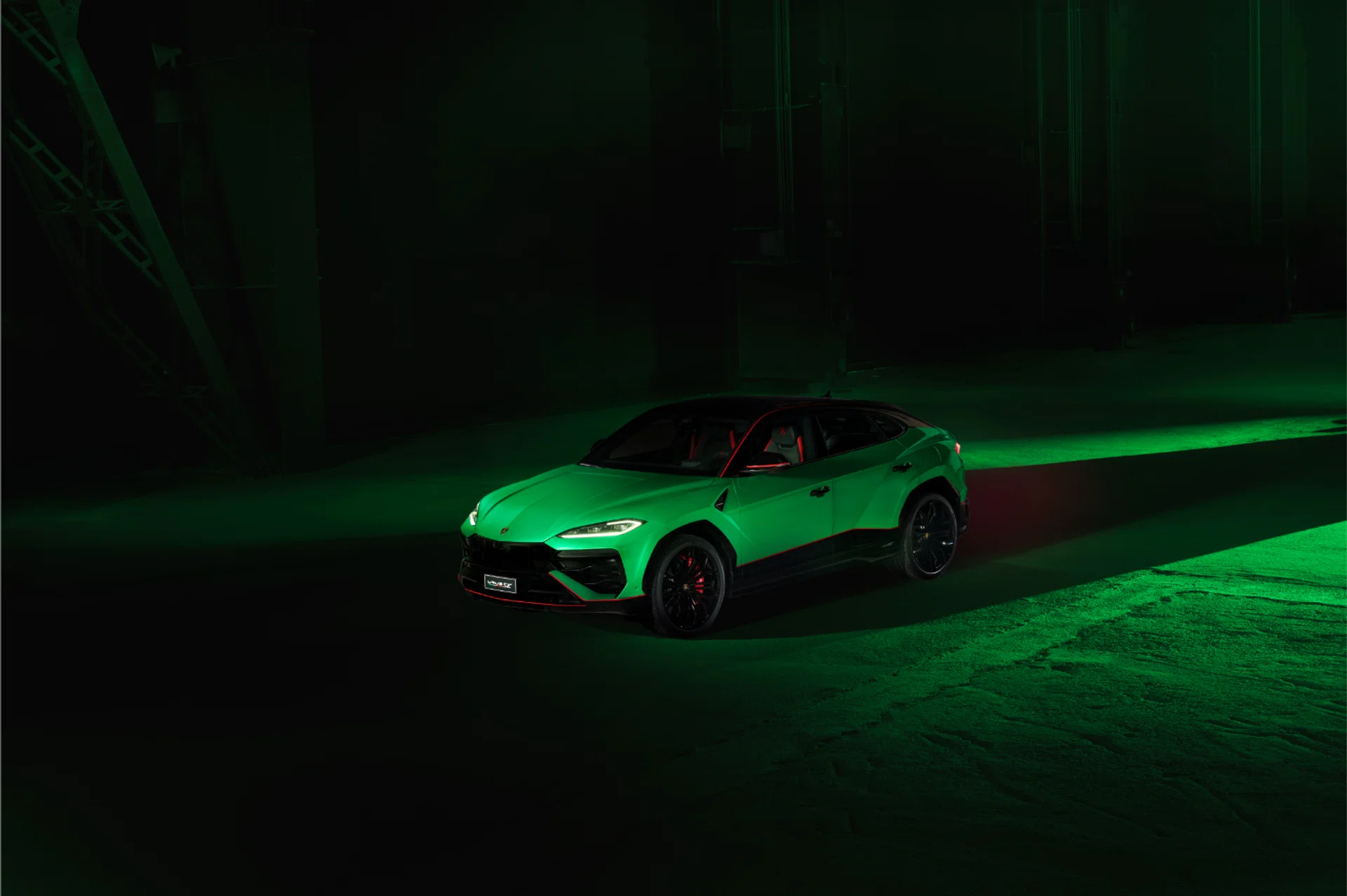
Lamborghini’s new Urus SE Tettonero Capsule, presented during Milan Design Week, pushes this tension towards its logical conclusion. Limited to 630 units, the plug-in hybrid SUV offers more than 70 exterior and interior combinations, including colours that have never previously appeared on the Urus.
The premise is less about inventing another model than producing scarcity within an already expensive, highly configurable object. Beneath the paint, trim, and commemorative plaques sits the familiar Urus SE: an 800 CV hybrid SUV capable of reaching 100kmh in 3.4 seconds and a claimed top speed of 312kmh.
The Tettonero treatment turns that machinery into something closer to a luxury capsule collection, where surface, provenance, and restricted availability carry almost as much weight as engineering.
The theatre of choice
Buyers can choose from six principal body colours, including Verde Mercurius (a metallic green) and Giallo Tenerife (Lamborghini yellow), both offered on the Urus for the first time. These can be paired with a glossy black treatment across the roof, pillars, spoiler, and exhaust tips, alongside six contrasting livery shades.
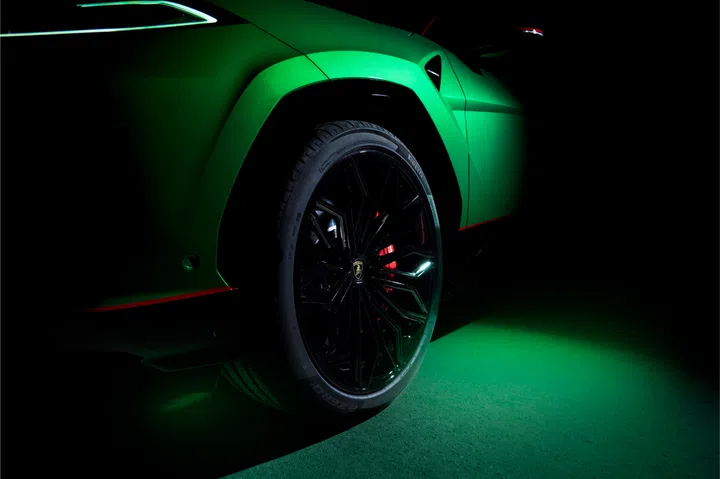
Brake callipers, wheels, and carbon-fibre exterior components provide further opportunities for differentiation. A “63” logo, referencing Lamborghini’s founding year, can also appear along the lower front doors.
None of this constitutes bespoke manufacturing in its strictest sense. Customers still select from a curated matrix rather than commissioning a truly singular body or cabin. Yet the abundance of combinations matters because contemporary luxury increasingly sells authorship. The owner becomes a co-editor, selecting from a vocabulary that the brand has already written.
A darker interior
Inside, Nero Ade serves as the default canvas, offset by six contrasting shades and 12 colours for stitching and embroidery. Carbon fibre appears throughout the cabin, including on the passenger-side dashboard, centre tunnel, instrument cluster, and door panels.
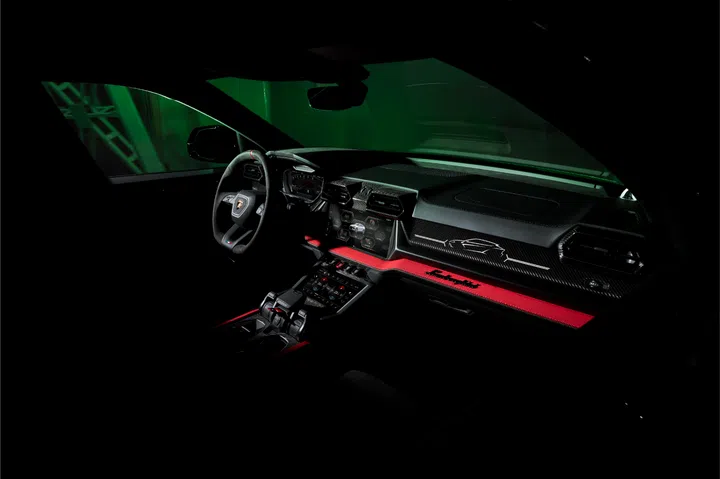
A dedicated plaque marks the tenth anniversary of Lamborghini’s Ad Personam Studio, although the company’s personalisation programme itself has existed for over two decades. The anniversary provides a convenient piece of institutional memory, turning the cabin into a small archive of the brand’s ability to sell variation.
The Tettonero name, which translates loosely as “black roof”, therefore understates the project. Its real subject is the industrialisation of individuality: a system sophisticated enough to make hundreds of cars feel privately conceived, while remaining reproducible enough to protect margins, consistency, and brand recognition.
Performance beneath the decoration
For all the emphasis on finishes, the Urus SE remains an engineering proposition of considerable excess. Its twin-turbocharged 4.0-litre V8 works with an electric motor and a 25.9kwh battery to produce 950 Nm of torque.
Lamborghini claims more than 60km of electric driving, although the vehicle’s size, performance and stated emissions figures make it difficult to treat electrification here as an exercise in austerity.
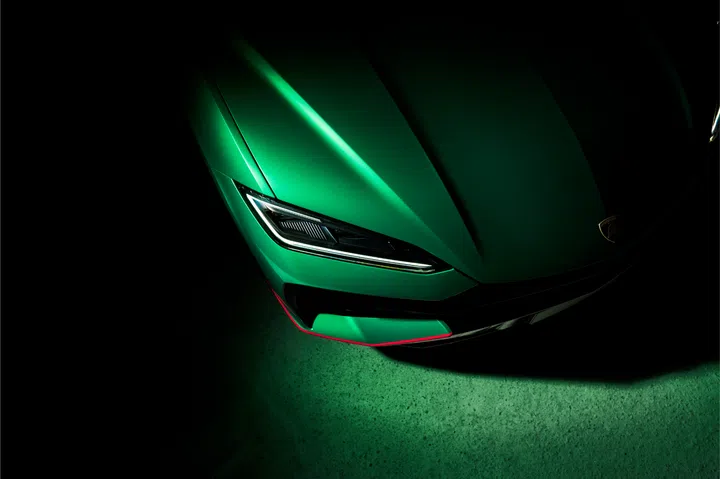
The electric motor can drive the wheels independently or supplement the combustion engine, while an electronically controlled torque splitter and rear differential enable what Lamborghini describes as “oversteer on demand”. It is a revealing phrase: even instability now arrives as a selectable luxury.
Still, the Tettonero Capsule does not reinvent the Urus, and it does not need to. Its function is to extend the commercial life and cultural desirability of an existing model through colour, scarcity, and ceremony. That may sound superficial, but surfaces have always mattered in luxury. The more interesting question is whether 70 configurations genuinely create individuality or merely give mass production a more persuasive mirror.
For the 630 buyers who secure one, the distinction may prove irrelevant. Exclusivity rarely depends on absolute uniqueness. Often, it depends on knowing that the queue behind you is longer than the one ahead of you.