%22%3E%0A%3Cpath%20d%3D%22M412%20101.2H393.7C393.1%20101.2%20392.3%20100.9%20391.8%20100.5C377.3%2087.6004%20362.9%2074.6004%20348.4%2061.6004C344.8%2058.4004%20341.3%2055.2004%20337.7%2052.0004C337.1%2051.5004%20336.2%2051.1004%20335.5%2051.0004C334.2%2050.8004%20333%2051.0004%20331.5%2051.0004V101.1H316.7V0.100391H331.4V44.3004C331.9%2044.3004%20332.2%2044.4004%20332.5%2044.4004C334.9%2044.4004%20337.2%2044.5004%20339.6%2044.4004C340.4%2044.4004%20341.3%2044.0004%20341.8%2043.5004C351.6%2034.4004%20361.4%2025.2004%20371.1%2016.0004C376.5%2010.9004%20381.9%205.90039%20387.3%200.800391C387.9%200.200391%20388.5%200.000390626%20389.3%200.000390626H400.9C384.2%2015.8004%20367.8%2031.3004%20351.2%2047.0004C371.5%2065.0004%20391.8%2082.9004%20412.1%20100.9C412.1%20101%20412.1%20101.1%20412%20101.2ZM180.9%20101.2C184.1%2094.9004%20187.2%2088.9004%20190.3%2082.8004C198.3%2067.3004%20206.2%2051.8004%20214.2%2036.2004C220.3%2024.4004%20226.4%2012.5004%20232.4%200.700391C232.7%200.100391%20233%20-0.0996094%20233.7%20-0.0996094H248.1C248.8%20-0.0996094%20249.2%200.100391%20249.6%200.800391C256%2013.3004%20262.4%2025.7004%20268.8%2038.2004C279.3%2058.6004%20289.8%2079.0004%20300.3%2099.5004C300.5%20100%20300.8%20100.4%20301.1%20101.1C300.5%20101.1%20300.1%20101.2%20299.7%20101.2H286.5C285.6%20101.2%20285.1%20100.9%20284.7%20100.2C280.1%2091.3004%20275.4%2082.4004%20270.8%2073.4004C270.1%2072.1004%20269.3%2071.6004%20267.8%2071.6004H209.9C208.7%2071.6004%20208.1%2072.0004%20207.5%2073.1004C202.9%2082.1004%20198.2%2091.0004%20193.6%20100C193.1%20101%20192.6%20101.3%20191.5%20101.3C188.4%20101.2%20185.3%20101.3%20182.3%20101.3C182%20101.2%20181.6%20101.2%20180.9%20101.2ZM239.1%2011.4004C230%2029.2004%20221.1%2046.7004%20212.1%2064.3004H266.4C257.2%2046.7004%20248.2%2029.2004%20239.1%2011.4004ZM0%200.000390626H43.4C51.2%200.000390626%2058.7%201.20039%2065.7%204.80039C75.9%2010.0004%2078.9%2018.0004%2078.6%2027.4004C78.3%2034.3004%2076%2040.5004%2071.2%2045.5004C67.3%2049.6004%2062.4%2052.3004%2057.1%2054.3004C50.6%2056.7004%2043.9%2058.0004%2037.1%2058.6004C30.1%2059.2004%2023.1%2059.4004%2016.2%2059.7004C15.8%2059.7004%2015.3%2059.8004%2014.8%2059.8004V101.1H0.1C0%2067.4004%200%2033.8004%200%200.000390626ZM14.8%207.10039V52.2004C23.7%2052.4004%2032.6%2052.3004%2041.2%2050.1004C44.4%2049.3004%2047.6%2048.2004%2050.6%2046.7004C58.4%2043.0004%2062.3%2036.7004%2062.7%2028.0004C63%2019.9004%2059.5%2014.1004%2052.4%2010.5004C47.6%208.00039%2042.5%207.10039%2037.2%207.10039H14.8ZM95.9%20101.1V0.100391H167.3V7.20039H110.7V44.7004H158.1V51.9004H110.8V93.9004H171.1V101C146.1%20101.1%20121%20101.1%2095.9%20101.1Z%22%20fill%3D%22black%22%2F%3E%0A%3Cpath%20d%3D%22M35.0004%2025.7996H42.5004V20.6996H44.8004V33.1996H42.6004V27.5996H34.9004V33.2996H32.7004V20.7996H35.0004V25.7996ZM54.4004%2025.8996V27.2996H48.9004V31.6996H55.9004C55.9004%2032.1996%2056.0004%2032.5996%2056.0004%2033.0996H46.5004V20.5996H55.5004V21.8996H49.0004V25.7996C50.7004%2025.8996%2052.5004%2025.8996%2054.4004%2025.8996ZM25.9004%2033.0996H23.5004V21.9996H17.9004V20.6996H31.6004V22.0996H27.1004C26.2004%2022.0996%2025.9004%2022.2996%2025.9004%2023.1996C26.0004%2026.0996%2025.9004%2028.9996%2025.9004%2031.7996V33.0996Z%22%20fill%3D%22black%22%2F%3E%0A%3C%2Fg%3E%0A%3Cdefs%3E%0A%3CclipPath%20id%3D%22clip0_388_462%22%3E%0A%3Crect%20width%3D%22411%22%20height%3D%22101.2%22%20fill%3D%22white%22%2F%3E%0A%3C%2FclipPath%3E%0A%3C%2Fdefs%3E%0A%3C%2Fsvg%3E%0A)
Shop like a fashion insider: 6 independent boutiques and brands in Paris
Beyond the mega designer flagships in Paris lies a trove of under-the-radar indie names — well worth visiting to max out your individuality in style.
By Amos Chin /
Share this article
In a city where fashion abounds, it’s easy to feel overwhelmed by choice — and end up defaulting to the obvious. While the classics will always have their place, there’s something especially satisfying about building a wardrobe of pieces that feel distinctly your own.
The chances of bumping into someone with the same look, especially in Singapore, are slim to none.
Beyond the flagship luxury boutiques on Avenue Montaigne and Rue Saint-Honoré, these independent Paris fashion boutiques and concept stores offer a more individual point of view. Where unadulterated Parisian chic marries French savoir-faire, these six style destinations offer pieces that are understated yet exceptional and unique.
Sabatier 1947
24 Rue Yves Toudic, 75010 Paris
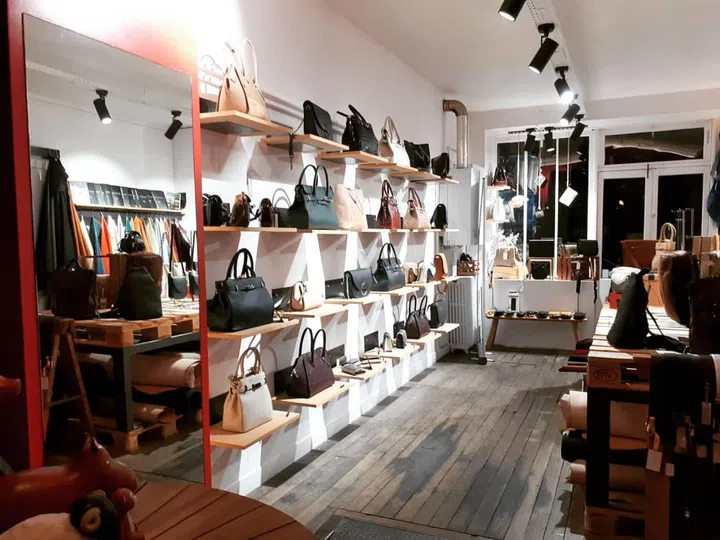
At first glance, you might mistake it for a more ubiquitous label, but a closer look reveals that Sabatier 1947 bags are truly distinctive in their own right.
Located near the Canal Saint-Martin district and just a short stroll from the Jacques Bonsergent and République metro stations in Paris, the brand shares a home with Maison Fichet, the prestigious leather supplier to various luxury fashion houses, which now helms this label.
Stepping into the boutique feels less like a typical retail experience and more like entering an artisan’s studio, where rolls of premium hides fill the back of the store and scent the air.
By marrying French easy-chic with a contemporary sense of impertinence, the maison is backed by generations of leather expertise to produce ultra-chic small leather goods and handbags from premium hides sourced through Maison Fichet’s long-established tannery network.
The bags are made in France and often feature rich-grained leathers, suede linings, contrast stitching, and understated hardware, appealing to shoppers seeking discreet luxury rather than logo-heavy fashion.
Eschewing the rush of mass production, Sabatier 1947 often produces in small batches or through pre-orders, offering a variety of sizes, leathers, and colours. While the aesthetic is undeniably sophisticated, the designs remain highly functional, featuring laptop-sized interiors, removable straps, and thoughtful details for the modern professional.
Think of the brand as the pinnacle of low-key luxury — kind of a “if you know, you know” Parisian leather label.
Merci
111 Boulevard Beaumarchais, 75003 Paris
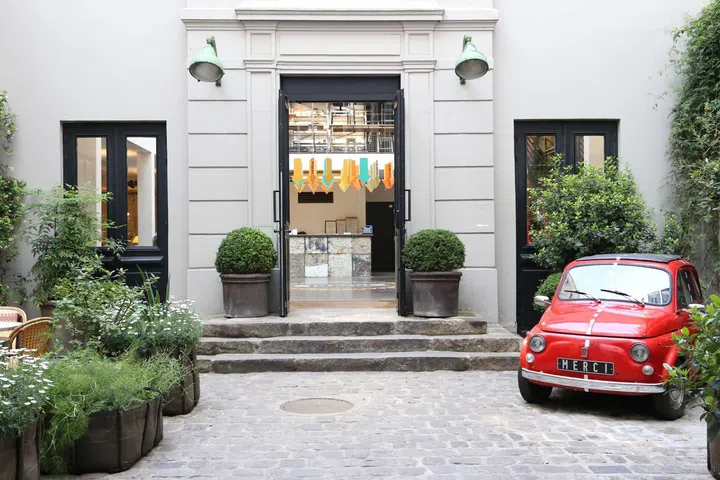
If Sabatier 1947 is the best-kept secret of Parisian leather, then Merci is its exciting, high-concept opposite — a world-famous concept store that has become a rite of passage for any design lover visiting Le Marais.
Located in a refurbished 19th-century fabric factory in Boulevard Beaumarchais, the experience begins before you even step inside. You walk through a narrow cobblestone courtyard to find the store’s mascot: a bright red vintage Fiat 500, often topped with suitcases or seasonal decorations.
Within the expansive, multi-level interior, the inventory blends whimsical novelty with an uber-chic curation. The shelves are stocked with everything from playful bag charms and Japanese stationery to independent fashion labels, homeware, scented candles, and accessories by emerging designers and established brands alike.
Central to the store’s identity is its own line of washed linen shirts, tote bags, and home essentials, which has garnered a cult following for its effortless Parisian appeal.
The true heartbeat of the space is the atrium, a massive central gallery that hosts rotating installations and themed displays every few weeks, meaning no two visits feel exactly the same. Between shopping floors, visitors can also stop by the used-book cafe and restaurant spaces that have helped turn Merci into far more than just another retail destination in Paris.
The Frankie Shop
7 & 14 Rue Saint-Claude, 75003 Paris
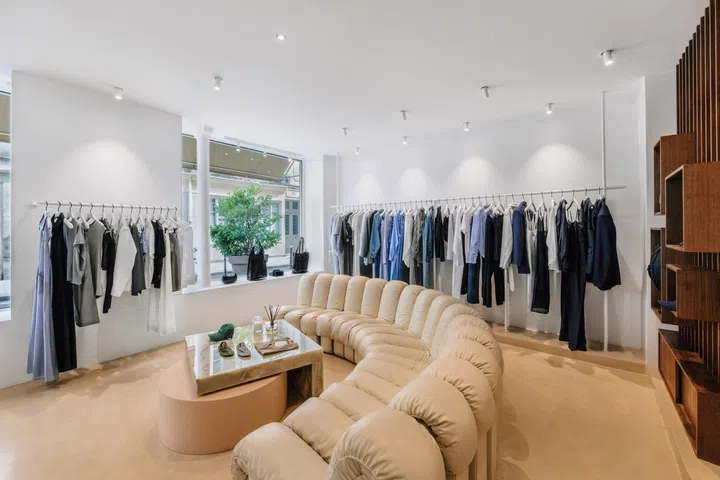
Within walking distance from Merci, The Frankie Shop is the unofficial headquarters for the masculine-feminine look that has become the de facto modern Parisian uniform.
At the corner of Rue Saint-Claude, the setup is a bit of a “choose your own adventure” across two facing spaces. At No. 7, you’ll find the womenswear that made their name, while No. 14 houses unisex lifestyle goods and menswear cuts that feel right on any frame.
Despite the separate doors, the vibe is singular: refined but totally relaxed. It’s a curated mix of gender-fluid minimalism, oversized tailoring, sharp outerwear, and neutral palettes that embody modern quiet luxury.
Founded in New York City before expanding into Paris, the brand has built an international cult following around its perfectly cut blazers, relaxed suiting, and elevated wardrobe basics. Editors, stylists, and off-duty fashion buyers regularly stop by during Paris Fashion Week, drawn to pieces that feel directional without trying too hard.
With its raw concrete floors, muted interiors, and moody industrial lighting, the space doesn’t overstyle itself. Instead, it serves as a stripped-back stage that lets the clothes’ clean architecture do the talking.
Numero13 ESCO
5 Rue du Pont aux Choux, 75003 Paris
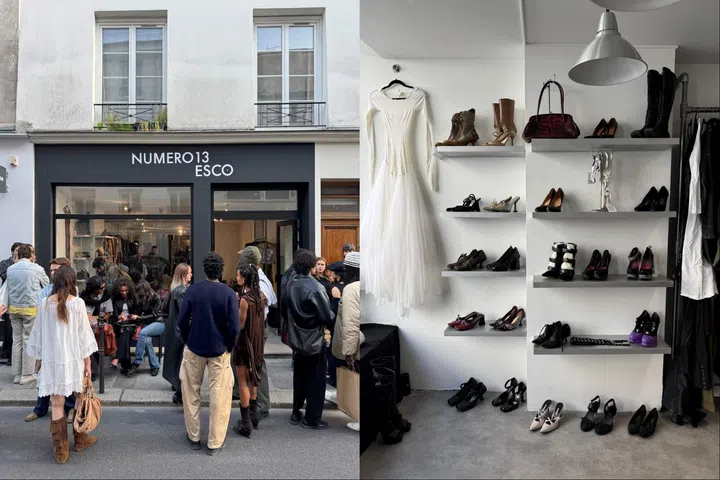
At the heart of Le Marais lies an abundance of vintage luxury stores. One of which is Numero13 ESCO, a haven for those who yearn for extremely rare designer pieces. If you saw it on a 2002 runway show, you’ll probably see it here, too.
Curated with a discerning, avant-garde eye, the store functions more like a fashion archive than a boutique, stocking iconic silhouettes from Alexander McQueen, Maison Margiela, Helmut Lang, and John Galliano-era Dior. It is a sanctuary of auteur fashion where every rack tells a story of forgotten luxury and timeless edge.
Unlike chaotic thrift shops, Numero13 ESCO presents its archive like a curated Parisian wardrobe — chic, understated, and architectural — and offers an atmosphere as intentional and refined as the rare runway pieces it houses.
Collectors visit in search of hard-to-find leather jackets, archival tailoring, early-2000s runway bags, and fashion pieces that have become increasingly difficult to source online.
For fashion enthusiasts interested in the resurgence of archival luxury and vintage designer fashion in Paris, shopping here feels more like stepping into a carefully preserved chapter of fashion history.
Chez Snow Bunny
12 Rue Dupetit-Thouars, 75003 Paris
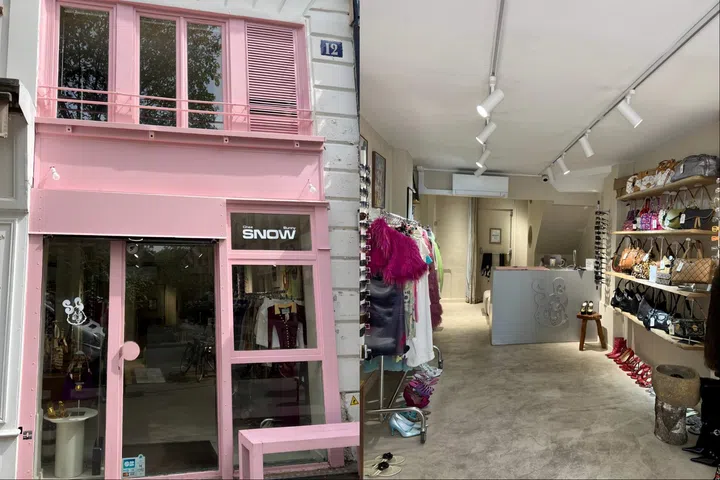
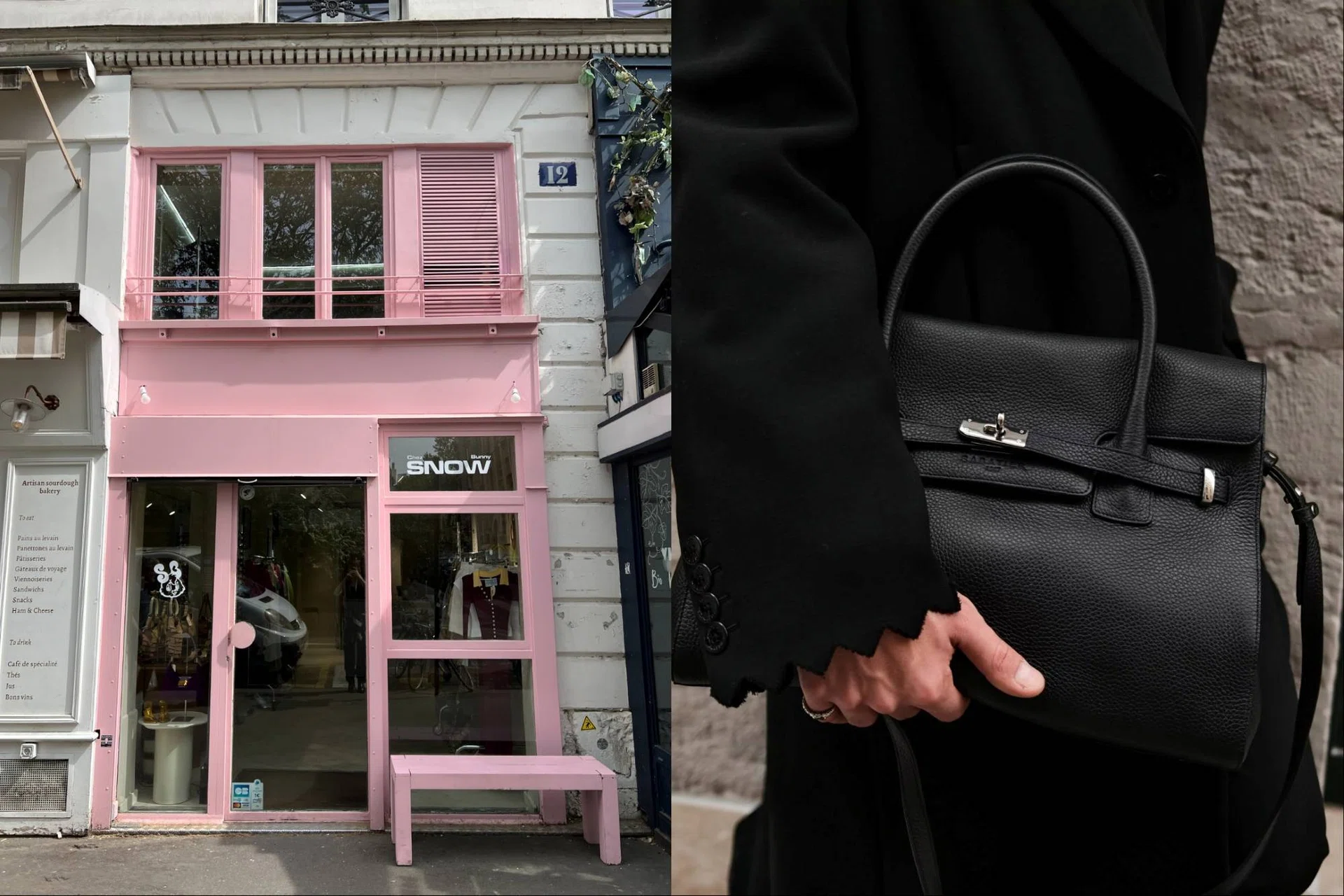
Just an 11-minute stroll from Numero13, Chez Snow Bunny serves as its high-octane counterpart — more specifically, a vibrant tribute to the indulgent glamour of the Y2K era.
While its neighbour leans toward the architectural and avant-garde, this boutique specialises in the brash and the bold, reviving rare designer archives from the late 90s and early noughties. It is a cult pilgrimage site for global It-girls, where the air is punctuated with the unapologetic energy of the era’s most daring runway moments.
The inventory is a revolving door of luxury icons, placing a strong emphasis on trophy handbags, designer furs, rhinestone-heavy pieces, and statement accessories from brands such as Roberto Cavalli, Dolce & Gabbana, and vintage Chanel.
This hyper-specific vision has transformed the shop into a retail magnet for fashion personalities like Bella Hadid and Julia Fox, both of whom are associated with the revival of Y2K dressing.
Extending its influence beyond the rack, the brand also hosts SNOW+, a nearby collaborative space for art projects, launches, and pop-ups, ensuring Chez Snow Bunny remains one of the most visually energetic destinations in the Paris vintage fashion scene.
BRUT
3 Rue Réaumur, 75003 Paris
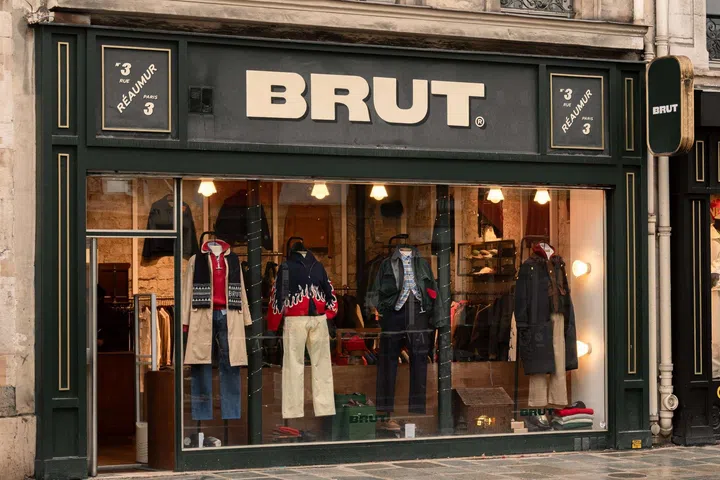
What started as the founder’s personal collection of French workwear has evolved into one of the most respected names in Paris vintage menswear and military-inspired clothing. Beyond a contemporary line shaped by historical expertise, the brand also boasts an exceptional range of upcycled pieces.
Inside the boutique, shoppers will find everything from chore jackets and faded military trousers to vintage denim, knitwear, and carefully restored French army garments. The store’s aesthetic draws heavily from authentic French utility clothing and post-war workwear, appealing to fashion enthusiasts interested in heritage craftsmanship and timeless utility.
Through the Rework programme, BRUT transforms the “unwearable” into the essential. By deconstructing deadstock military gear and vintage textiles within its Paris atelier, the brand breathes new life into forgotten materials.
Every piece — from signature cropped Barbour jackets to shirts crafted from 1970s neckties — is hand-cut and individually numbered, ensuring no two items are alike.
For shoppers looking beyond mainstream luxury fashion in Paris, BRUT offers something increasingly rare: clothing with genuine history, character, and a sense of permanence.