%22%3E%0A%3Cpath%20d%3D%22M412%20101.2H393.7C393.1%20101.2%20392.3%20100.9%20391.8%20100.5C377.3%2087.6004%20362.9%2074.6004%20348.4%2061.6004C344.8%2058.4004%20341.3%2055.2004%20337.7%2052.0004C337.1%2051.5004%20336.2%2051.1004%20335.5%2051.0004C334.2%2050.8004%20333%2051.0004%20331.5%2051.0004V101.1H316.7V0.100391H331.4V44.3004C331.9%2044.3004%20332.2%2044.4004%20332.5%2044.4004C334.9%2044.4004%20337.2%2044.5004%20339.6%2044.4004C340.4%2044.4004%20341.3%2044.0004%20341.8%2043.5004C351.6%2034.4004%20361.4%2025.2004%20371.1%2016.0004C376.5%2010.9004%20381.9%205.90039%20387.3%200.800391C387.9%200.200391%20388.5%200.000390626%20389.3%200.000390626H400.9C384.2%2015.8004%20367.8%2031.3004%20351.2%2047.0004C371.5%2065.0004%20391.8%2082.9004%20412.1%20100.9C412.1%20101%20412.1%20101.1%20412%20101.2ZM180.9%20101.2C184.1%2094.9004%20187.2%2088.9004%20190.3%2082.8004C198.3%2067.3004%20206.2%2051.8004%20214.2%2036.2004C220.3%2024.4004%20226.4%2012.5004%20232.4%200.700391C232.7%200.100391%20233%20-0.0996094%20233.7%20-0.0996094H248.1C248.8%20-0.0996094%20249.2%200.100391%20249.6%200.800391C256%2013.3004%20262.4%2025.7004%20268.8%2038.2004C279.3%2058.6004%20289.8%2079.0004%20300.3%2099.5004C300.5%20100%20300.8%20100.4%20301.1%20101.1C300.5%20101.1%20300.1%20101.2%20299.7%20101.2H286.5C285.6%20101.2%20285.1%20100.9%20284.7%20100.2C280.1%2091.3004%20275.4%2082.4004%20270.8%2073.4004C270.1%2072.1004%20269.3%2071.6004%20267.8%2071.6004H209.9C208.7%2071.6004%20208.1%2072.0004%20207.5%2073.1004C202.9%2082.1004%20198.2%2091.0004%20193.6%20100C193.1%20101%20192.6%20101.3%20191.5%20101.3C188.4%20101.2%20185.3%20101.3%20182.3%20101.3C182%20101.2%20181.6%20101.2%20180.9%20101.2ZM239.1%2011.4004C230%2029.2004%20221.1%2046.7004%20212.1%2064.3004H266.4C257.2%2046.7004%20248.2%2029.2004%20239.1%2011.4004ZM0%200.000390626H43.4C51.2%200.000390626%2058.7%201.20039%2065.7%204.80039C75.9%2010.0004%2078.9%2018.0004%2078.6%2027.4004C78.3%2034.3004%2076%2040.5004%2071.2%2045.5004C67.3%2049.6004%2062.4%2052.3004%2057.1%2054.3004C50.6%2056.7004%2043.9%2058.0004%2037.1%2058.6004C30.1%2059.2004%2023.1%2059.4004%2016.2%2059.7004C15.8%2059.7004%2015.3%2059.8004%2014.8%2059.8004V101.1H0.1C0%2067.4004%200%2033.8004%200%200.000390626ZM14.8%207.10039V52.2004C23.7%2052.4004%2032.6%2052.3004%2041.2%2050.1004C44.4%2049.3004%2047.6%2048.2004%2050.6%2046.7004C58.4%2043.0004%2062.3%2036.7004%2062.7%2028.0004C63%2019.9004%2059.5%2014.1004%2052.4%2010.5004C47.6%208.00039%2042.5%207.10039%2037.2%207.10039H14.8ZM95.9%20101.1V0.100391H167.3V7.20039H110.7V44.7004H158.1V51.9004H110.8V93.9004H171.1V101C146.1%20101.1%20121%20101.1%2095.9%20101.1Z%22%20fill%3D%22black%22%2F%3E%0A%3Cpath%20d%3D%22M35.0004%2025.7996H42.5004V20.6996H44.8004V33.1996H42.6004V27.5996H34.9004V33.2996H32.7004V20.7996H35.0004V25.7996ZM54.4004%2025.8996V27.2996H48.9004V31.6996H55.9004C55.9004%2032.1996%2056.0004%2032.5996%2056.0004%2033.0996H46.5004V20.5996H55.5004V21.8996H49.0004V25.7996C50.7004%2025.8996%2052.5004%2025.8996%2054.4004%2025.8996ZM25.9004%2033.0996H23.5004V21.9996H17.9004V20.6996H31.6004V22.0996H27.1004C26.2004%2022.0996%2025.9004%2022.2996%2025.9004%2023.1996C26.0004%2026.0996%2025.9004%2028.9996%2025.9004%2031.7996V33.0996Z%22%20fill%3D%22black%22%2F%3E%0A%3C%2Fg%3E%0A%3Cdefs%3E%0A%3CclipPath%20id%3D%22clip0_388_462%22%3E%0A%3Crect%20width%3D%22411%22%20height%3D%22101.2%22%20fill%3D%22white%22%2F%3E%0A%3C%2FclipPath%3E%0A%3C%2Fdefs%3E%0A%3C%2Fsvg%3E%0A)
5 art companies to get your fix of non-English theatre in Singapore
In celebration of International Mother Language Day, here are five exciting ethnic organisations preserving their culture through performance.
By Lu Yawen /
Share this article
February 21 is a day marked out by the United Nations in 1999 as International Mother Language Day, which celebrates its 25th year in 2025. Created to safeguard languages, one of which disappears every two weeks, and cultural diversity in the world, it highlights the importance of language as a tool of inclusion and means to achieve the United Nations’ 17 Sustainable Development Goals.
Closer to home, mother languages and dialects are gaining a growing audience hungry to connect to their heritage. An article published last year in The Straits Times found that minority language theatre companies in Singapore sold a record-breaking number of tickets, with some playwrights experimenting with a mix of languages to convey their messages.
After all, Singaporean colloquial speech is a hodgepodge of multiple dialects and languages.

In light of SG60 this year, as the city-state celebrates its 60th year of independence, it’s all the more necessary to uplift and preserve the unique meld of cultures we have. Here are five theatre companies to get your fix of non-English plays (with the help of surtitles, of course).
1. Agam Theatre Lab
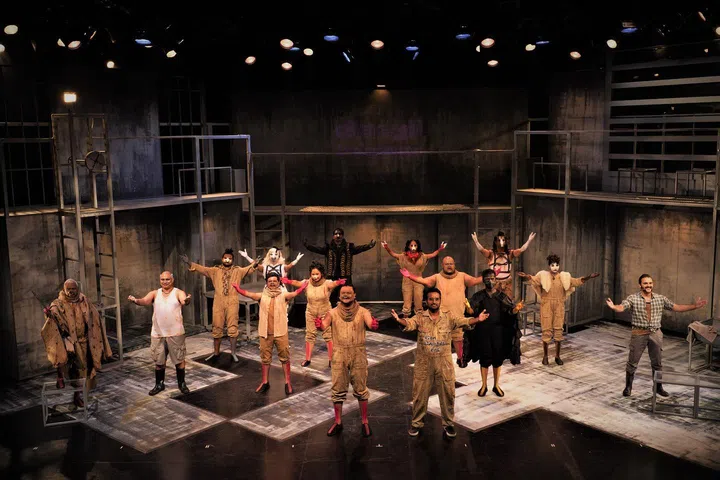
Founded by Subramanian Ganesh at the end of January 2019, the new entrant to the scene aims to cultivate a creative space for Tamil speakers. Made up of professionals from a wide range of industries, the team at Agam Theatre Lab is not afraid to take a different approach to the arts, adapting popular plays or running original stories.
In June last year, their adaptation of George Orwell’s Animal Farm, Vilangkuppannai, by literary pioneer P. Krishnan, sold 800 tickets.
Every year in August, they organise Nadagavaathi, a forum to discuss the challenges and suggest possible solutions to further expand Tamil language theatre. This year, the forum focuses on examining progress in the region. The Agam Children’s Theatre programme will also culminate in an adaptation of Charlie and the Chocolate Factory in May.
2. Bhaskar’s Academy
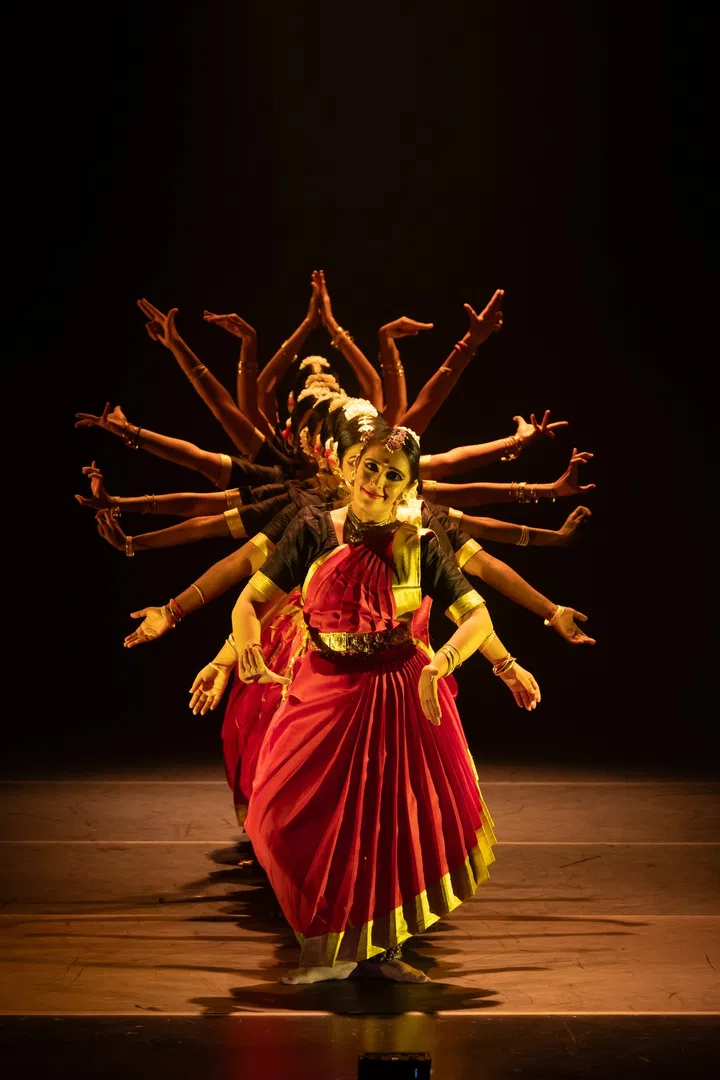
A long-standing champion of Indian classical arts, Bhaskar’s Academy is a dance, music and theatre company that seamlessly blends cross-cultural elements with what they know best. Founded in 1952, the school was run by couple, KP and Cultural Medallion recipient Santha Baskar. And six years later, the late Doyenne Santha choreographed her adaptation of the Chinese folktale, Butterfly Lovers.
Today, the Academy is led by their daughter and artistic director, Meenakshy, who was not only awarded the Young Artist Award for her own contributions to Indian classical dance but also played multiple lead roles in touring shows around Asia. The Academy boasts its Kathakali troupe, an art form thought to be the only surviving specimen from the ancient Sanskrit theatre.
3. Intercultural Theatre Institute (ITI)

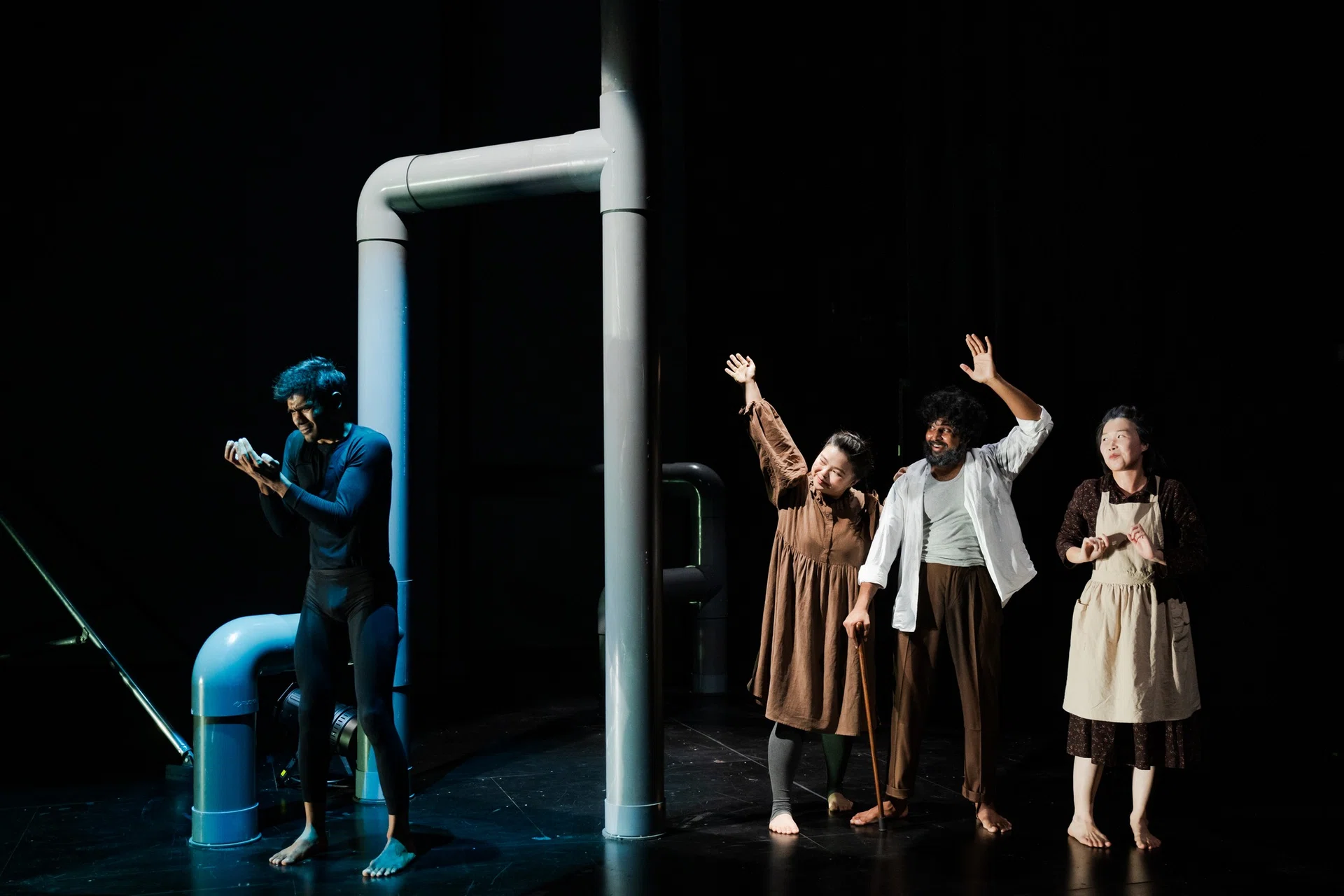
Offering a novel take on theatre practice, the Intercultural Theatre Institute (ITI) is an independent theatre school founded in 2000 by industry pioneers, the late dramatist and art activist Kuo Pao Kun, and current director T. Sasitharan. Its three-year training programme includes full immersion into different Asian cultural practices including dance and martial arts, and considers theatre for social impact an essential part of its ethos.
Keep an eye on its events programming, which includes Noh (classical Japanese dance-drama) performances thanks to the school’s long-term partnership with Kanze School of Noh.
4. Teater Ekamatra
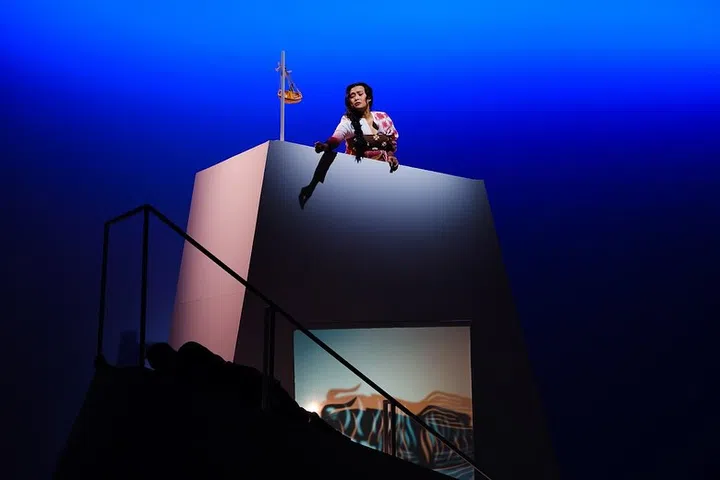
Experimental and provocative, Teater Ekamatra is one of the most thrilling ethnic-language contemporary theatre companies in Singapore. It’s also perhaps the most successful at attracting diverse audiences to its sociopolitically charged Malay-language productions, selling 5,000 tickets in 2022.
From tackling issues such as race to male circumcision, the all-female team, led by artistic director Shaza Ishak, provides refreshing takes on difficult topics that impact audiences beyond language. And well, the proof is in the pudding.
5. The Theatre Practice
The precursor to the ITI, The Theatre Practice was founded by two Cultural Medallion recipients — playwright and arts activist Kuo Pao Kun with dancer and choreographer, Goh Lay Kuan. Together, the married couple opened the Singapore Performing Arts School in 1965, which is today considered a seminal institution for the performing arts.
A true trailblazer, the school’s students got to live alongside blue-collar workers to get inspiration for their art.
In the early tumultuous years of independence, the Singapore government banned and flagged Kuo’s plays, culminating in his detention for four and a half years under the Internal Sedition Act. Still, he continued to produce astute and critical pieces, such as his first English work, The Coffin is Too Big for the Hole, a commentary on government bureaucracy.
He also wrote the first multi-language play in Singapore, Mama Looking For Her Cat, performed in Mandarin, Malay, Tamil, Hokkien, Cantonese, and English. The latter has been restaged multiple times throughout the years in Singapore and Malaysia.
Today, The Theatre Practice carries on the legacy of its founders advocating for social responsibility through the arts. The non-profit organisation celebrates its 60th anniversary alongside the nation this year with a full roster of activities such as Ang Xiao Ting’s Pickle Party, a participatory eco-theatre event that invites the audience to think about sustainability.