%22%3E%0A%3Cpath%20d%3D%22M412%20101.2H393.7C393.1%20101.2%20392.3%20100.9%20391.8%20100.5C377.3%2087.6004%20362.9%2074.6004%20348.4%2061.6004C344.8%2058.4004%20341.3%2055.2004%20337.7%2052.0004C337.1%2051.5004%20336.2%2051.1004%20335.5%2051.0004C334.2%2050.8004%20333%2051.0004%20331.5%2051.0004V101.1H316.7V0.100391H331.4V44.3004C331.9%2044.3004%20332.2%2044.4004%20332.5%2044.4004C334.9%2044.4004%20337.2%2044.5004%20339.6%2044.4004C340.4%2044.4004%20341.3%2044.0004%20341.8%2043.5004C351.6%2034.4004%20361.4%2025.2004%20371.1%2016.0004C376.5%2010.9004%20381.9%205.90039%20387.3%200.800391C387.9%200.200391%20388.5%200.000390626%20389.3%200.000390626H400.9C384.2%2015.8004%20367.8%2031.3004%20351.2%2047.0004C371.5%2065.0004%20391.8%2082.9004%20412.1%20100.9C412.1%20101%20412.1%20101.1%20412%20101.2ZM180.9%20101.2C184.1%2094.9004%20187.2%2088.9004%20190.3%2082.8004C198.3%2067.3004%20206.2%2051.8004%20214.2%2036.2004C220.3%2024.4004%20226.4%2012.5004%20232.4%200.700391C232.7%200.100391%20233%20-0.0996094%20233.7%20-0.0996094H248.1C248.8%20-0.0996094%20249.2%200.100391%20249.6%200.800391C256%2013.3004%20262.4%2025.7004%20268.8%2038.2004C279.3%2058.6004%20289.8%2079.0004%20300.3%2099.5004C300.5%20100%20300.8%20100.4%20301.1%20101.1C300.5%20101.1%20300.1%20101.2%20299.7%20101.2H286.5C285.6%20101.2%20285.1%20100.9%20284.7%20100.2C280.1%2091.3004%20275.4%2082.4004%20270.8%2073.4004C270.1%2072.1004%20269.3%2071.6004%20267.8%2071.6004H209.9C208.7%2071.6004%20208.1%2072.0004%20207.5%2073.1004C202.9%2082.1004%20198.2%2091.0004%20193.6%20100C193.1%20101%20192.6%20101.3%20191.5%20101.3C188.4%20101.2%20185.3%20101.3%20182.3%20101.3C182%20101.2%20181.6%20101.2%20180.9%20101.2ZM239.1%2011.4004C230%2029.2004%20221.1%2046.7004%20212.1%2064.3004H266.4C257.2%2046.7004%20248.2%2029.2004%20239.1%2011.4004ZM0%200.000390626H43.4C51.2%200.000390626%2058.7%201.20039%2065.7%204.80039C75.9%2010.0004%2078.9%2018.0004%2078.6%2027.4004C78.3%2034.3004%2076%2040.5004%2071.2%2045.5004C67.3%2049.6004%2062.4%2052.3004%2057.1%2054.3004C50.6%2056.7004%2043.9%2058.0004%2037.1%2058.6004C30.1%2059.2004%2023.1%2059.4004%2016.2%2059.7004C15.8%2059.7004%2015.3%2059.8004%2014.8%2059.8004V101.1H0.1C0%2067.4004%200%2033.8004%200%200.000390626ZM14.8%207.10039V52.2004C23.7%2052.4004%2032.6%2052.3004%2041.2%2050.1004C44.4%2049.3004%2047.6%2048.2004%2050.6%2046.7004C58.4%2043.0004%2062.3%2036.7004%2062.7%2028.0004C63%2019.9004%2059.5%2014.1004%2052.4%2010.5004C47.6%208.00039%2042.5%207.10039%2037.2%207.10039H14.8ZM95.9%20101.1V0.100391H167.3V7.20039H110.7V44.7004H158.1V51.9004H110.8V93.9004H171.1V101C146.1%20101.1%20121%20101.1%2095.9%20101.1Z%22%20fill%3D%22black%22%2F%3E%0A%3Cpath%20d%3D%22M35.0004%2025.7996H42.5004V20.6996H44.8004V33.1996H42.6004V27.5996H34.9004V33.2996H32.7004V20.7996H35.0004V25.7996ZM54.4004%2025.8996V27.2996H48.9004V31.6996H55.9004C55.9004%2032.1996%2056.0004%2032.5996%2056.0004%2033.0996H46.5004V20.5996H55.5004V21.8996H49.0004V25.7996C50.7004%2025.8996%2052.5004%2025.8996%2054.4004%2025.8996ZM25.9004%2033.0996H23.5004V21.9996H17.9004V20.6996H31.6004V22.0996H27.1004C26.2004%2022.0996%2025.9004%2022.2996%2025.9004%2023.1996C26.0004%2026.0996%2025.9004%2028.9996%2025.9004%2031.7996V33.0996Z%22%20fill%3D%22black%22%2F%3E%0A%3C%2Fg%3E%0A%3Cdefs%3E%0A%3CclipPath%20id%3D%22clip0_388_462%22%3E%0A%3Crect%20width%3D%22411%22%20height%3D%22101.2%22%20fill%3D%22white%22%2F%3E%0A%3C%2FclipPath%3E%0A%3C%2Fdefs%3E%0A%3C%2Fsvg%3E%0A)
From Singapore to Bangkok: Homegrown Boutiques Asia sets its sights on regional shoppers with Thailand first
After over two decades of championing independent brands in Singapore, Boutiques is making its first international move, choosing Bangkok as its proving ground.
By Toh Ee Ming /
Share this article
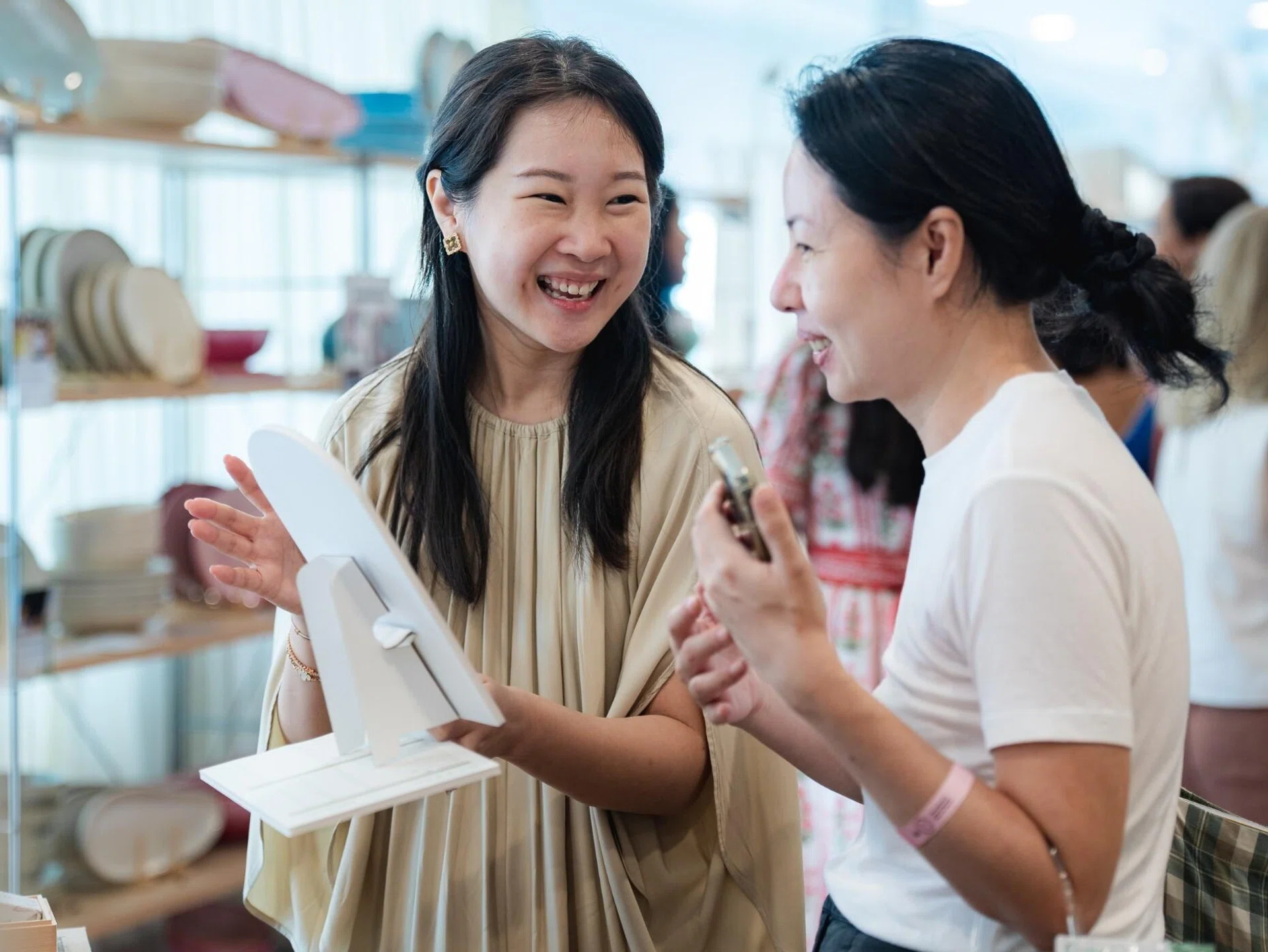
For over two decades, Boutiques has made a name for itself on the local culture circuit. What began as a very intimate gathering of creatives in 2002 in Singapore has grown into a flourishing community of independent brands, both local and international, and into a platform proud to champion original design.
Now, it’s betting big on Bangkok.
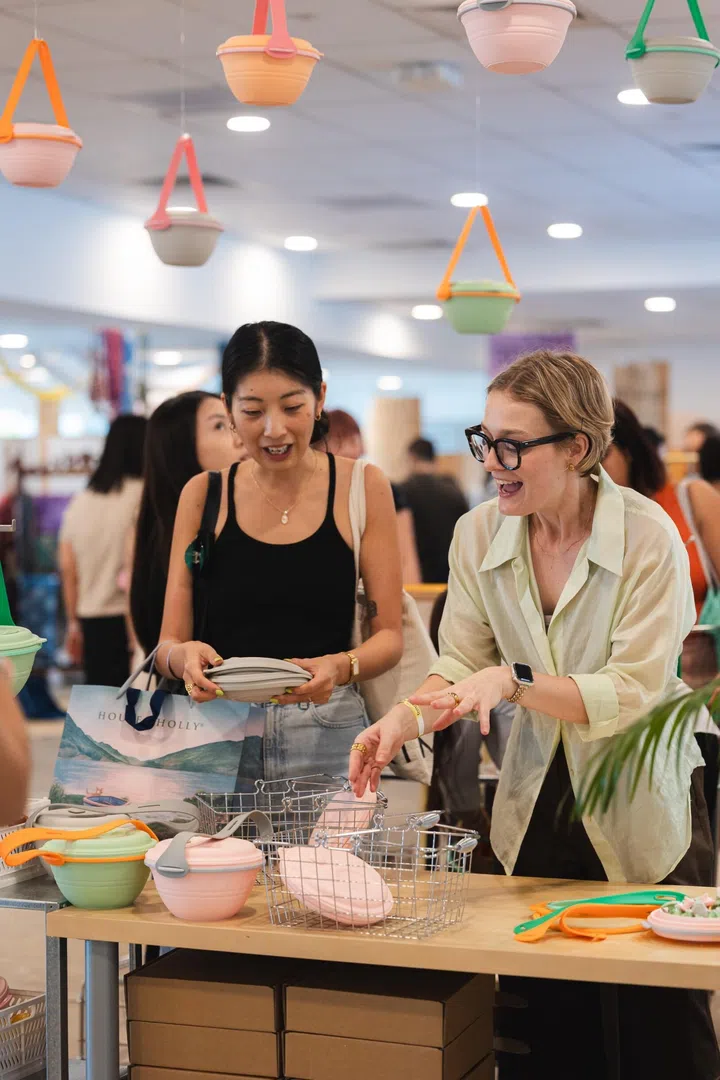
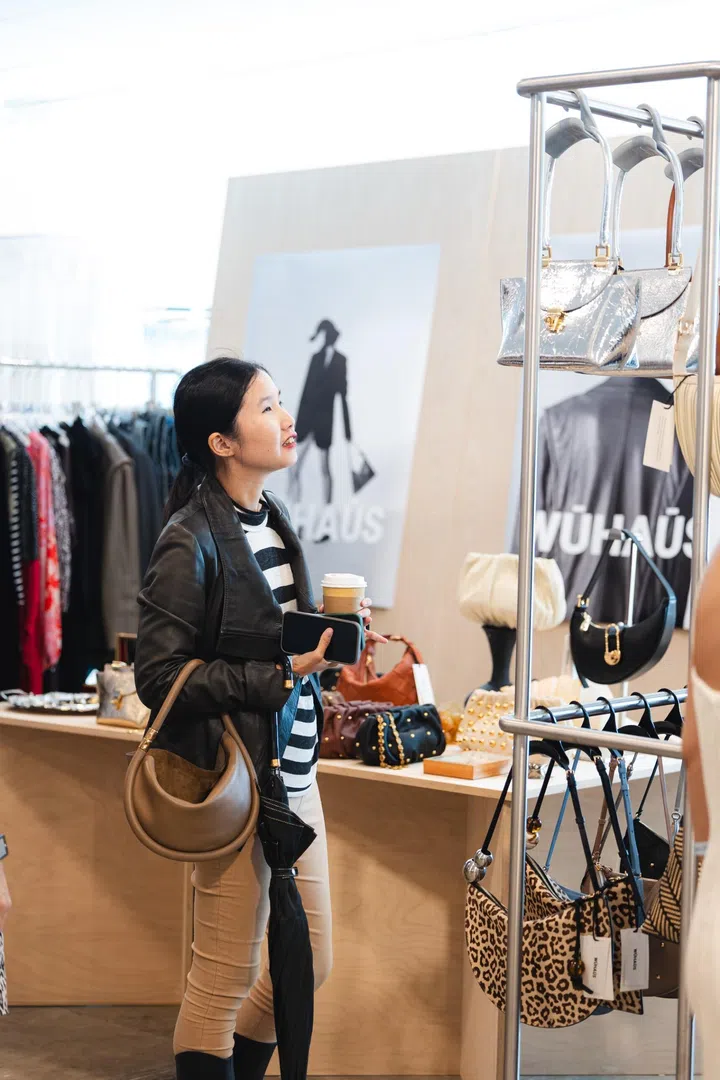
This July, Boutiques makes its first international foray with Boutiques Asia: The Bangkok Edition, held at ICONSIAM from July 24 to 26. The fair will feature over 120 designers and brands showcasing their new collections from across Asia — Singapore, Thailand, Indonesia, Malaysia, Hong Kong, South Korea, Japan, and beyond.
The move reflects something larger than one platform’s expansion. For years, the instinct for an Asian brand with global ambitions was to look west, to markets like London and Paris.
That calculus is shifting. Southeast Asia is emerging as the region where ambitious independent brands now want to prove themselves first.
Consumer spending across the region is projected to reach US$5 trillion (approx. $6.47 trillion) by 2035, driven by rapid urbanisation and the rise of e-commerce, according to a report by Bain & Company and NielsenIQ. But the pull isn’t only economic.
For Singapore brands beginning their internationalisation journey, geographical proximity and cultural familiarity make Southeast Asian cities like Bangkok “an accessible and strategic entry point,” said Cindy Ngiam, director of retail at Enterprise Singapore. Brands can test concepts, gather customer insights, and build the capabilities needed for global expansion.
Beyond its scale as a consumer market, Bangkok is also a cultural and creative hub for independent design and retail, she notes. Singapore brands, including Charles & Keith, Love, Bonito, and Tocco Toscano, have already established a foothold there — reflecting the city’s growing appeal as a retail destination.
Bridging, not transplanting
For Charlotte Cain, founder of Boutiques, the Bangkok edition was never about simply transplanting what works at home. Cain has also been deliberate about acknowledging what already exists. Bangkok’s creative market scene is well-established. Local flea market Made By Legacy, for instance, has built a loyal following, and similar curated formats are emerging across the region.
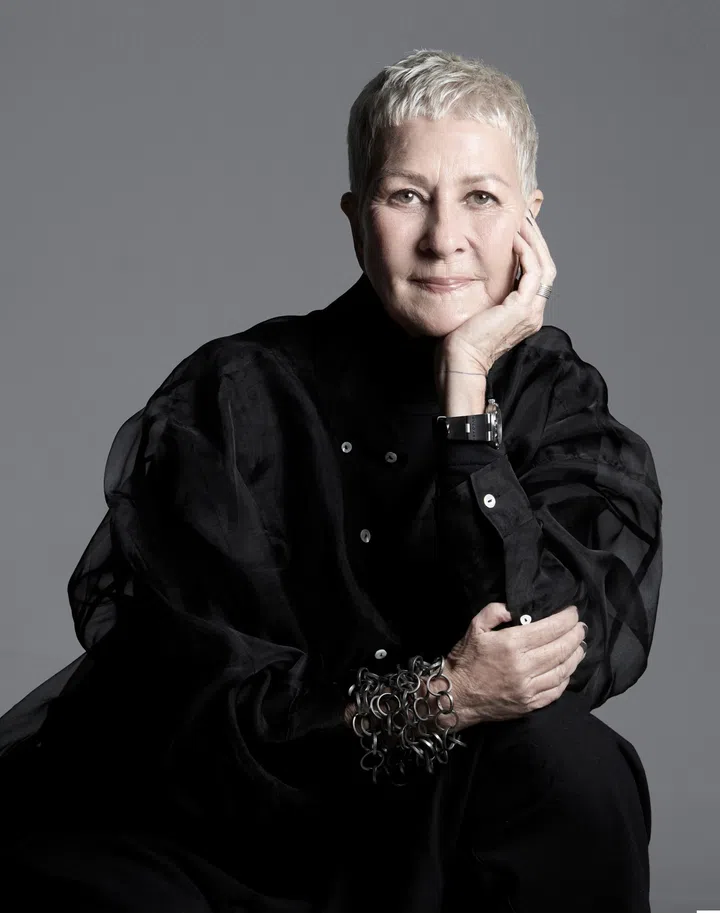
“We were not interested in simply exporting a Singapore event,” she tells The Peak Singapore. “Bangkok has its own creative identity and consumer culture. The goal is to create something that brings together the best of both communities and encourages exchange between them. That is what makes this expansion exciting for us.”
That distinction shapes everything about how the Bangkok edition has been put together.
Cain notes that Boutiques has long set itself apart through the depth of its curation and the support it offers the brands it works with, helping them grow from early-stage businesses into recognised names.
Beyond the fair floor, the platform actively engages brands by offering media opportunities and PR to further elevate their visibility, as well as in-depth social media content that explores their brand philosophies. That infrastructure travels with it to Bangkok.
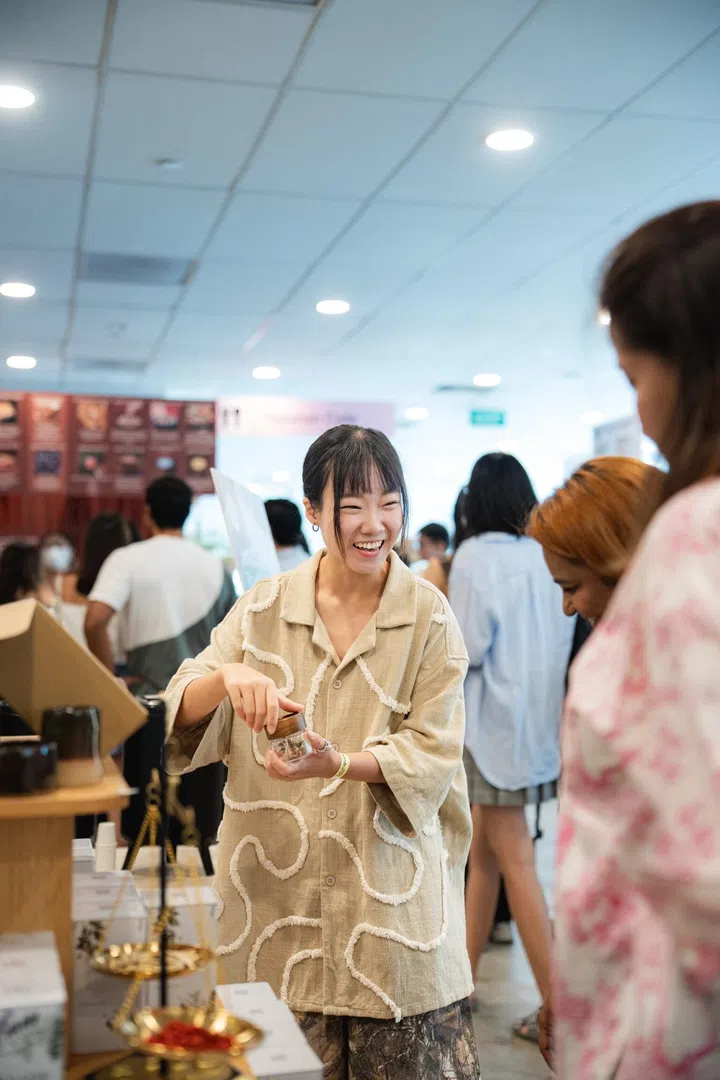
So does one of Boutiques’ most defining requirements: that founders or designers behind the brand are present throughout the event. “One of the things that makes Boutiques unique is the opportunity for customers to engage directly with the people who create the products,” Cain explains.
“We look for brands that are passionate about sharing their story and connecting with their audience.” It is a deliberate choice that keeps the experience personal in ways conventional retail rarely manages.
Stepping into a new market comes with real questions. Thai consumers already have access to beautifully crafted local goods, often at more accessible price points — and a brand that resonates at home doesn’t automatically resonate elsewhere.
“We have not approached Bangkok with the assumption that what works in Singapore will automatically work there,” Cain says. The curation has focused on brands whose appeal goes beyond local references and speaks to broader consumer interests. But the goal was never to erase local identity either.
For instance, the Bangkok edition introduces cross-country collaborations between Singapore and Thai brands, among them Happy Homebody, a collaboration between Singapore’s Talking Toes and Thai artist Fluffy Omelet, as proof that the exchange runs both ways.
On price, Cain is equally clear-eyed. Success, she says, won’t come from competing on affordability alone. “Consumers today are increasingly looking at the full value proposition: quality, design, craftsmanship, sustainability, brand story, and customer experience…What we are seeing is that consumers across the region are willing to pay for products that feel distinctive and authentic.”
That said, entering a new market is “always a learning process,” she added. Some brands may discover that certain products resonate more than others, or that adjustments to their assortment or messaging are needed. That is precisely what an event like this is for: immediate, unfiltered feedback from real customers.
The brands making the bet
Among those testing that proposition is Splitting Colours Jewellery, an independent fine jewellery brand from Hong Kong specialising in natural bicolour gemstones. Bangkok marks the brand’s third market exploration outside Hong Kong, following Japan and Taiwan.
“Bangkok holds a very special place for us, as a global hub for gemstone appreciation,” says Vincee Yip, co-founder and designer. The brand’s focus on natural bi-colour tourmalines — where no two stones are identical, each shifting and shining with different colours in light and movement — speaks to a Thai consumer sensibility that prizes individuality and artisanship.
“Our brand aims to speak to this sophisticated, artsy audience who appreciates both the value of nature and modern, timeless design,” adds Yip.
Singapore footwear brand Palola shares that admiration. “Thailand has an incredible culture and heritage of craftsmanship, particularly when it comes to leather goods and accessories,” says Josh Leong, Palola co-founder.
Its key differentiation is a made-to-order service, which allows customers to order custom footwear crafted from Italian calfskin and lambskin leathers sourced from the same tanneries that supply some of the world’s most established luxury houses. Beyond aesthetics, every custom pair is also tailored for a personalised fit.
“What we are most hoping to understand is what creates an emotional connection with Thai customers. Beyond whether they like a brand or product, we want to learn what stories resonate, how they approach retail purchases, and what makes them feel that a brand deserves a place in their lives,” says Leong.
“Those are insights you can only gain through real conversations and direct interaction, which is why events like Boutiques Asia are so valuable to us.”
If Bangkok works
For now, Cain says, the focus is squarely on making Bangkok a success — for both brands and visitors. But the longer ambition is clear: a regional platform that helps creative businesses grow beyond their domestic markets.
She pointed to several markets where the appetite for independent brands, design-led products, and authentic experiences is visible, such as design capitals like Tokyo and Seoul.
She says, “If Bangkok proves that there is value in that model, then naturally we will explore other opportunities where we can facilitate those connections. The broader vision is to help Southeast Asia’s creative community become more interconnected. There is so much talent across the region, and we believe there is enormous potential for brands to learn from and support one another across borders.”