%22%3E%0A%3Cpath%20d%3D%22M412%20101.2H393.7C393.1%20101.2%20392.3%20100.9%20391.8%20100.5C377.3%2087.6004%20362.9%2074.6004%20348.4%2061.6004C344.8%2058.4004%20341.3%2055.2004%20337.7%2052.0004C337.1%2051.5004%20336.2%2051.1004%20335.5%2051.0004C334.2%2050.8004%20333%2051.0004%20331.5%2051.0004V101.1H316.7V0.100391H331.4V44.3004C331.9%2044.3004%20332.2%2044.4004%20332.5%2044.4004C334.9%2044.4004%20337.2%2044.5004%20339.6%2044.4004C340.4%2044.4004%20341.3%2044.0004%20341.8%2043.5004C351.6%2034.4004%20361.4%2025.2004%20371.1%2016.0004C376.5%2010.9004%20381.9%205.90039%20387.3%200.800391C387.9%200.200391%20388.5%200.000390626%20389.3%200.000390626H400.9C384.2%2015.8004%20367.8%2031.3004%20351.2%2047.0004C371.5%2065.0004%20391.8%2082.9004%20412.1%20100.9C412.1%20101%20412.1%20101.1%20412%20101.2ZM180.9%20101.2C184.1%2094.9004%20187.2%2088.9004%20190.3%2082.8004C198.3%2067.3004%20206.2%2051.8004%20214.2%2036.2004C220.3%2024.4004%20226.4%2012.5004%20232.4%200.700391C232.7%200.100391%20233%20-0.0996094%20233.7%20-0.0996094H248.1C248.8%20-0.0996094%20249.2%200.100391%20249.6%200.800391C256%2013.3004%20262.4%2025.7004%20268.8%2038.2004C279.3%2058.6004%20289.8%2079.0004%20300.3%2099.5004C300.5%20100%20300.8%20100.4%20301.1%20101.1C300.5%20101.1%20300.1%20101.2%20299.7%20101.2H286.5C285.6%20101.2%20285.1%20100.9%20284.7%20100.2C280.1%2091.3004%20275.4%2082.4004%20270.8%2073.4004C270.1%2072.1004%20269.3%2071.6004%20267.8%2071.6004H209.9C208.7%2071.6004%20208.1%2072.0004%20207.5%2073.1004C202.9%2082.1004%20198.2%2091.0004%20193.6%20100C193.1%20101%20192.6%20101.3%20191.5%20101.3C188.4%20101.2%20185.3%20101.3%20182.3%20101.3C182%20101.2%20181.6%20101.2%20180.9%20101.2ZM239.1%2011.4004C230%2029.2004%20221.1%2046.7004%20212.1%2064.3004H266.4C257.2%2046.7004%20248.2%2029.2004%20239.1%2011.4004ZM0%200.000390626H43.4C51.2%200.000390626%2058.7%201.20039%2065.7%204.80039C75.9%2010.0004%2078.9%2018.0004%2078.6%2027.4004C78.3%2034.3004%2076%2040.5004%2071.2%2045.5004C67.3%2049.6004%2062.4%2052.3004%2057.1%2054.3004C50.6%2056.7004%2043.9%2058.0004%2037.1%2058.6004C30.1%2059.2004%2023.1%2059.4004%2016.2%2059.7004C15.8%2059.7004%2015.3%2059.8004%2014.8%2059.8004V101.1H0.1C0%2067.4004%200%2033.8004%200%200.000390626ZM14.8%207.10039V52.2004C23.7%2052.4004%2032.6%2052.3004%2041.2%2050.1004C44.4%2049.3004%2047.6%2048.2004%2050.6%2046.7004C58.4%2043.0004%2062.3%2036.7004%2062.7%2028.0004C63%2019.9004%2059.5%2014.1004%2052.4%2010.5004C47.6%208.00039%2042.5%207.10039%2037.2%207.10039H14.8ZM95.9%20101.1V0.100391H167.3V7.20039H110.7V44.7004H158.1V51.9004H110.8V93.9004H171.1V101C146.1%20101.1%20121%20101.1%2095.9%20101.1Z%22%20fill%3D%22black%22%2F%3E%0A%3Cpath%20d%3D%22M35.0004%2025.7996H42.5004V20.6996H44.8004V33.1996H42.6004V27.5996H34.9004V33.2996H32.7004V20.7996H35.0004V25.7996ZM54.4004%2025.8996V27.2996H48.9004V31.6996H55.9004C55.9004%2032.1996%2056.0004%2032.5996%2056.0004%2033.0996H46.5004V20.5996H55.5004V21.8996H49.0004V25.7996C50.7004%2025.8996%2052.5004%2025.8996%2054.4004%2025.8996ZM25.9004%2033.0996H23.5004V21.9996H17.9004V20.6996H31.6004V22.0996H27.1004C26.2004%2022.0996%2025.9004%2022.2996%2025.9004%2023.1996C26.0004%2026.0996%2025.9004%2028.9996%2025.9004%2031.7996V33.0996Z%22%20fill%3D%22black%22%2F%3E%0A%3C%2Fg%3E%0A%3Cdefs%3E%0A%3CclipPath%20id%3D%22clip0_388_462%22%3E%0A%3Crect%20width%3D%22411%22%20height%3D%22101.2%22%20fill%3D%22white%22%2F%3E%0A%3C%2FclipPath%3E%0A%3C%2Fdefs%3E%0A%3C%2Fsvg%3E%0A)
Hotel Review: Soori Penang in Georgetown is a personal project for its architect and founder, Chan Soo Khian
The newest luxury boutique hotel in the city’s UNESCO-listed neighbourhood brings modern comforts to an old clan house while keeping its history very much alive.
By Shamilee Vellu /
Share this article
Regally twirling in an eye-popping fuchsia robe embroidered with flowers, its sinuous “water sleeves” streaming through the air, Ling Goh unexpectedly turns and gives me a mischievous wink. Her elaborate silver-and-blue headdress sways with tassels; bold eyeliner flicked high, peach-pink shadow softly smudged beneath.
Goh, founder of the Penang-based Teochew Puppet and Opera House, is continuing a five-generation legacy begun by her mother, Toh Ai Hwa, a decorated Teochew opera veteran.
Today, however, she is not performing on a temple stage but in the spare, grey-tiled courtyard of Soori Penang, a new boutique hotel in George Town’s UNESCO-listed core. Goh’s presence is no flourish. It signals how deeply the hotel is rooted in local culture.
New to town
Opened on January 15, Soori Penang transforms 15 restored heritage shophouses into expansive one- to three-bedroom suites. It occupies what were once the clan houses of the Khoo family and is the culmination of a decade-long project by their descendant, architect Chan Soo Khian, founder of SCDA Architects and the mind behind Soori Bali and Soori High Line in New York.
Chan grew up in these very shophouses, playing hide-and-seek in the adjacent Khoo Kongsi — Malaysia’s grandest clan temple — before Yale and a career spanning Singapore and New York drew him away.
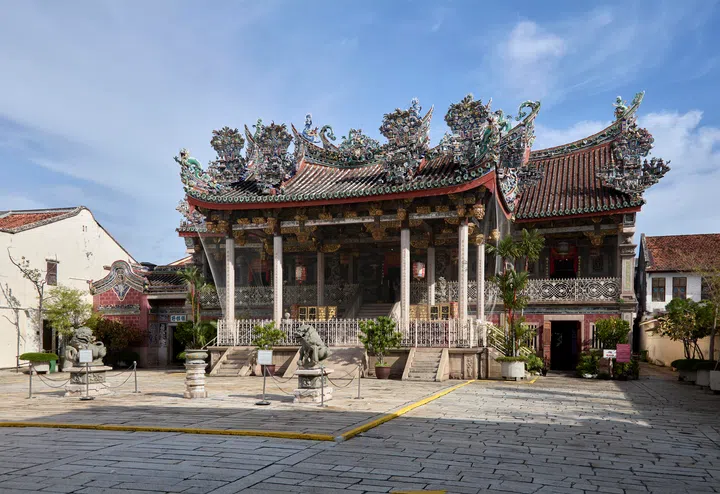
“This is where it all began,” Chan says. “Soori Penang is more than a hotel. It’s a living tribute to place, to memory, to design.”
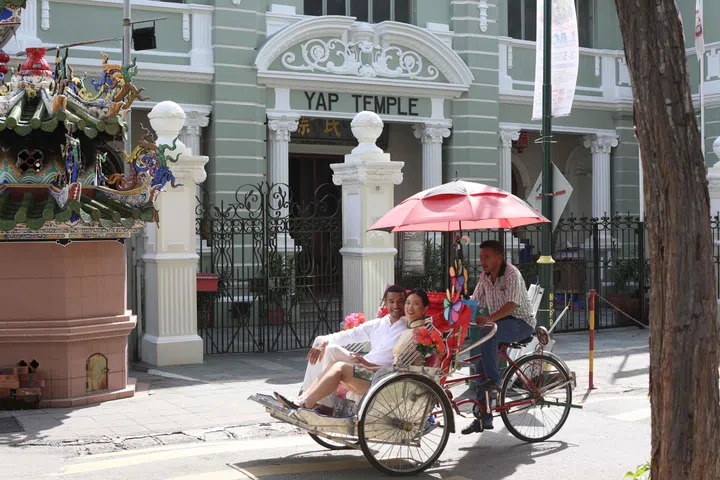
Set in the heart of George Town and around 30 minutes from the airport, Penang’s swishest new stay (from US$785 per night; approx. $996.26) is conspicuously discreet. One minute you’re amid the tourist churn of Armenian Street and its techno-blasting trishaws, buskers and selfie-seekers awaiting their turn with Ernest Zacharevic’s iconic artwork, “Children on a Bicycle”. Turn into Soori Penang’s quiet street, and the chaos melts away.
This, Chan explains, is intentional. The original entrance to the compound was deliberately small. “It was defensive. Like a fortress. It felt safe,” he says. Clan rivalries once ran deep here; the architecture served as a form of protection.
Luxury of space
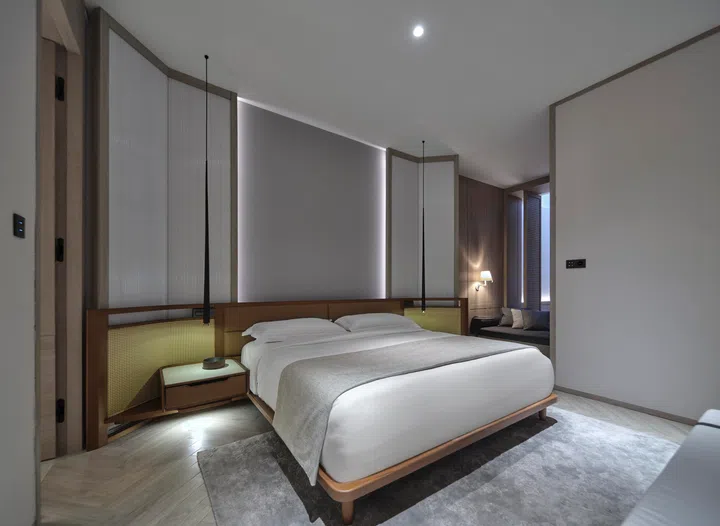
A previous tenant configured the property as a mid-range, 45-room hotel, but Chan has stripped it back, reimagining it as just 15 expansive suites, eight of which feature a second level with additional bedrooms.
Retaining the airwells — “the morphology of the shophouse,” says Chan — was non-negotiable. “The airwell brings light into the space.” Beneath each, he has introduced a reflecting pool, a nod to childhood afternoons spent frolicking in the transient pools filled by tropical rains.
I stayed in a one-bedroom Clan House Suite (100 to 110 sqm), which sleeps up to two adults and two children. Three-bedroom residences (184 to 194 sqm), designed for families and groups, arrive in Q2 2026.
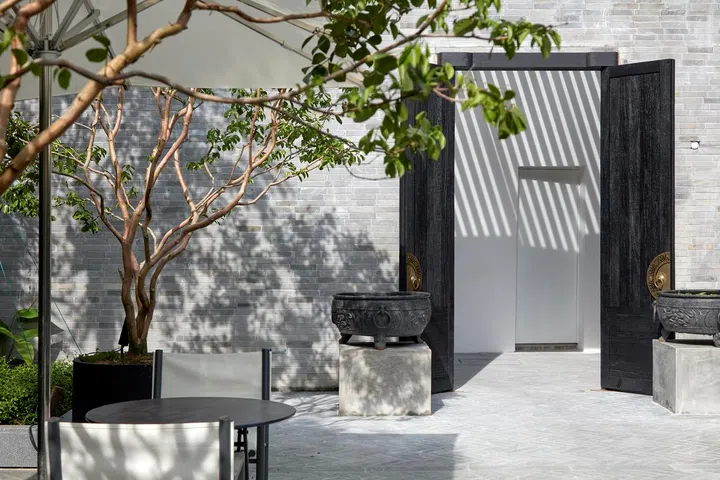
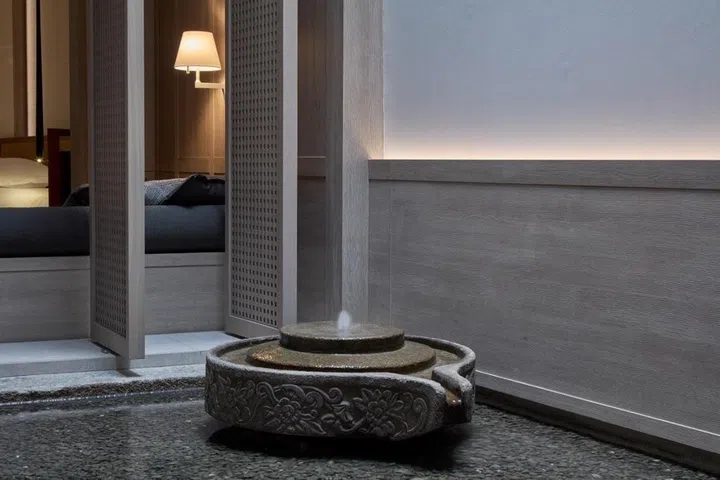
Soori’s interiors are elegant and restrained, all buff, ecru, and dark accents rendered in wood, granite, travertine, and porcelain. Its details play a tasteful tribute to local traditions. A burbling stone fountain recalls the batu boh — traditional rice grinders used for making kueh.
A trio of stone lions in my suite echo those guarding Khoo Kongsi, whose iron grille details also inspired Soori Penang’s logo and ornate vent covers.
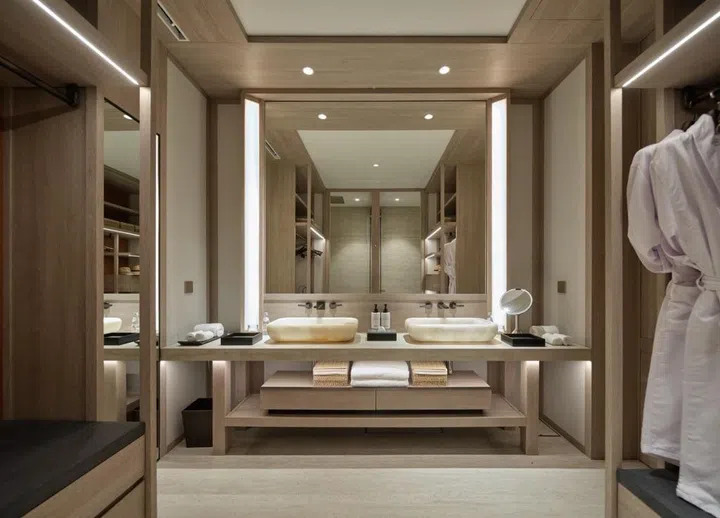
All the furniture is custom-designed, from the crackle-porcelain wall inlays to the antique-inspired bentwood armchairs, black-steel and alabaster lamps, and solid onyx sinks. Discreet minibars, daily platters of local fruit, Byredo amenities, and Dyson hairdryers ensure a comfortable stay.
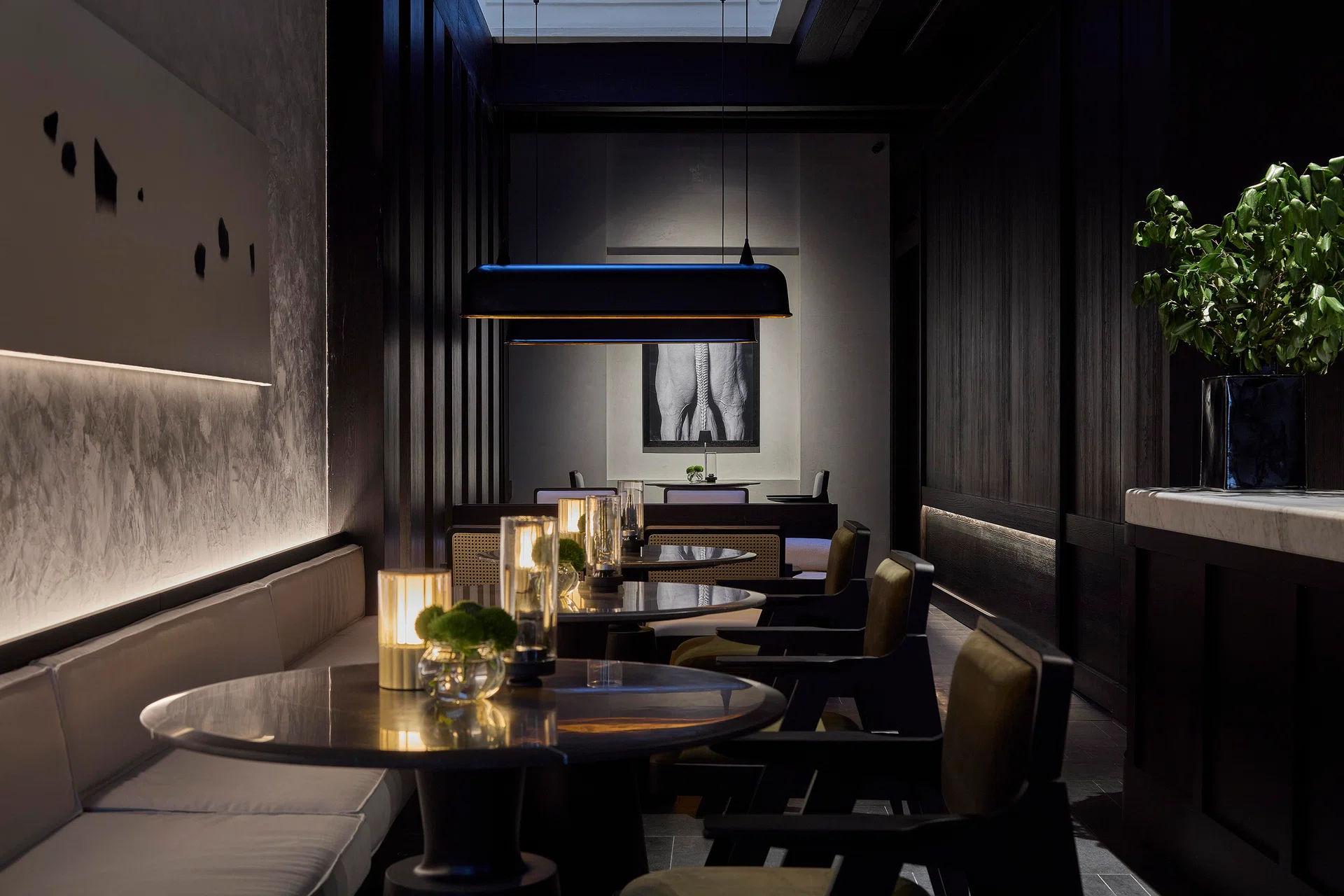
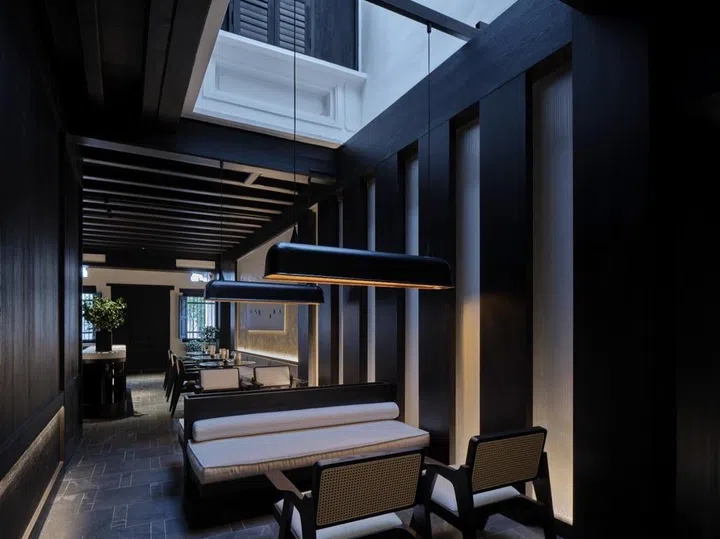
The public spaces — monochromatic, clad in dark woods and punctuated by custom linear pendants and large black-and-white photographic prints — are a moody counterpart to the airy suites.
“People ask why Soori’s floors are so dark,” says Chan. “That’s how I remember the shophouse — dark, with light coming in from small windows.”
Full sensory experiences
Layering was equally important. Soori Penang masters the slow reveal: an unassuming entrance opens onto a leafy courtyard, then a foyer, then a shadowy living room, bar, and restaurant.
Returning to your suite at night, candlelight glows behind timber lattice screens, from which a sitting area, hidden bedroom and bathroom gradually unfold. Soon, this choreography will have its own signature scent: Firewood, a signature fragrance from Grasse inspired by Chan’s olfactory memories of nearby opium dens.
“I wanted to design an experiential hotel space that truly engages all the senses,” he remarks.
Upstairs, a tea room will host immersive tastings, and there is a Technogym-equipped workout zone and a spa inspired by Penang’s healing traditions. Two dining venues, led by Suffolk House alum, executive chef Mathjis Nanne, serve Penang flavours alongside Western classics, with a speciality restaurant launching later this year.
The neighbourhood rewards wandering, with gems like Areca Books for local literature, design-led boutiques such as Nala and Sixth Sense, and bars like the new Steep Social, which cleverly blends Malaysian ingredients with Chinese tea traditions.
Soori’s curated Journeys — comprising market walks, clanhouse access, scenic day trips, gallery visits and fortune-telling — deepen that engagement, with plans to add encounters with giant joss-stick makers, wayang kulit artisans, and traditional soy-sauce producers.
Time to shine
Change is afoot in Penang’s sleepy streets. A number of buzzworthy restaurants, such as Gen and Peninsula House, draw foodies. Cheong Fatt Tze has unveiled new suites and the former British colonial 1926 Heritage Hotel reopens in March after a major renovation.
The New York Times named Penang one of its “52 Places to Go” this year. Long cherished regionally, the island is now poised for wider attention.
“Penang is going to be big in 2027,” Chan asserts. “And Soori Penang will be part of the catalyst.”
The hotel joins The Leading Hotels of the World, alongside Soori Bali, with more properties to come. Still, this one feels personal, says Chan, gesturing to two custom trishaws for guests — all gleaming chrome, widened tan seats and jet-black retractable shades. “Soori Penang is a small project,” he says, “but I have a feeling it will give me more joy than larger ones.”
Many projects begin with a narrative and lose it along the way, he adds.
“But here, the story is real because I have a reference to what it was. So no matter what, it’s going to be personal.”