%22%3E%0A%3Cpath%20d%3D%22M412%20101.2H393.7C393.1%20101.2%20392.3%20100.9%20391.8%20100.5C377.3%2087.6004%20362.9%2074.6004%20348.4%2061.6004C344.8%2058.4004%20341.3%2055.2004%20337.7%2052.0004C337.1%2051.5004%20336.2%2051.1004%20335.5%2051.0004C334.2%2050.8004%20333%2051.0004%20331.5%2051.0004V101.1H316.7V0.100391H331.4V44.3004C331.9%2044.3004%20332.2%2044.4004%20332.5%2044.4004C334.9%2044.4004%20337.2%2044.5004%20339.6%2044.4004C340.4%2044.4004%20341.3%2044.0004%20341.8%2043.5004C351.6%2034.4004%20361.4%2025.2004%20371.1%2016.0004C376.5%2010.9004%20381.9%205.90039%20387.3%200.800391C387.9%200.200391%20388.5%200.000390626%20389.3%200.000390626H400.9C384.2%2015.8004%20367.8%2031.3004%20351.2%2047.0004C371.5%2065.0004%20391.8%2082.9004%20412.1%20100.9C412.1%20101%20412.1%20101.1%20412%20101.2ZM180.9%20101.2C184.1%2094.9004%20187.2%2088.9004%20190.3%2082.8004C198.3%2067.3004%20206.2%2051.8004%20214.2%2036.2004C220.3%2024.4004%20226.4%2012.5004%20232.4%200.700391C232.7%200.100391%20233%20-0.0996094%20233.7%20-0.0996094H248.1C248.8%20-0.0996094%20249.2%200.100391%20249.6%200.800391C256%2013.3004%20262.4%2025.7004%20268.8%2038.2004C279.3%2058.6004%20289.8%2079.0004%20300.3%2099.5004C300.5%20100%20300.8%20100.4%20301.1%20101.1C300.5%20101.1%20300.1%20101.2%20299.7%20101.2H286.5C285.6%20101.2%20285.1%20100.9%20284.7%20100.2C280.1%2091.3004%20275.4%2082.4004%20270.8%2073.4004C270.1%2072.1004%20269.3%2071.6004%20267.8%2071.6004H209.9C208.7%2071.6004%20208.1%2072.0004%20207.5%2073.1004C202.9%2082.1004%20198.2%2091.0004%20193.6%20100C193.1%20101%20192.6%20101.3%20191.5%20101.3C188.4%20101.2%20185.3%20101.3%20182.3%20101.3C182%20101.2%20181.6%20101.2%20180.9%20101.2ZM239.1%2011.4004C230%2029.2004%20221.1%2046.7004%20212.1%2064.3004H266.4C257.2%2046.7004%20248.2%2029.2004%20239.1%2011.4004ZM0%200.000390626H43.4C51.2%200.000390626%2058.7%201.20039%2065.7%204.80039C75.9%2010.0004%2078.9%2018.0004%2078.6%2027.4004C78.3%2034.3004%2076%2040.5004%2071.2%2045.5004C67.3%2049.6004%2062.4%2052.3004%2057.1%2054.3004C50.6%2056.7004%2043.9%2058.0004%2037.1%2058.6004C30.1%2059.2004%2023.1%2059.4004%2016.2%2059.7004C15.8%2059.7004%2015.3%2059.8004%2014.8%2059.8004V101.1H0.1C0%2067.4004%200%2033.8004%200%200.000390626ZM14.8%207.10039V52.2004C23.7%2052.4004%2032.6%2052.3004%2041.2%2050.1004C44.4%2049.3004%2047.6%2048.2004%2050.6%2046.7004C58.4%2043.0004%2062.3%2036.7004%2062.7%2028.0004C63%2019.9004%2059.5%2014.1004%2052.4%2010.5004C47.6%208.00039%2042.5%207.10039%2037.2%207.10039H14.8ZM95.9%20101.1V0.100391H167.3V7.20039H110.7V44.7004H158.1V51.9004H110.8V93.9004H171.1V101C146.1%20101.1%20121%20101.1%2095.9%20101.1Z%22%20fill%3D%22black%22%2F%3E%0A%3Cpath%20d%3D%22M35.0004%2025.7996H42.5004V20.6996H44.8004V33.1996H42.6004V27.5996H34.9004V33.2996H32.7004V20.7996H35.0004V25.7996ZM54.4004%2025.8996V27.2996H48.9004V31.6996H55.9004C55.9004%2032.1996%2056.0004%2032.5996%2056.0004%2033.0996H46.5004V20.5996H55.5004V21.8996H49.0004V25.7996C50.7004%2025.8996%2052.5004%2025.8996%2054.4004%2025.8996ZM25.9004%2033.0996H23.5004V21.9996H17.9004V20.6996H31.6004V22.0996H27.1004C26.2004%2022.0996%2025.9004%2022.2996%2025.9004%2023.1996C26.0004%2026.0996%2025.9004%2028.9996%2025.9004%2031.7996V33.0996Z%22%20fill%3D%22black%22%2F%3E%0A%3C%2Fg%3E%0A%3Cdefs%3E%0A%3CclipPath%20id%3D%22clip0_388_462%22%3E%0A%3Crect%20width%3D%22411%22%20height%3D%22101.2%22%20fill%3D%22white%22%2F%3E%0A%3C%2FclipPath%3E%0A%3C%2Fdefs%3E%0A%3C%2Fsvg%3E%0A)
Teardrop Hotels uplifts tea workers with the help of social enterprises in Sri Lanka
The hotels’ Pekoe Trail hiking journey opens this writer’s eyes to the socio-economic cost of a brew and to how tourism can help improve the lives of tea communities.
By Grace Ma /
Share this article
The women moved steadily across the slopes, deftly plucking leaves off the tea bushes and throwing them into big sacks slung over their backs. It was 8am, and the sun was blazing.
I was on the eight-day Tea Odyssey itinerary curated by Teardrop Journeys, the travel arm of Teardrop Hotels, a collection of eight luxury boutique properties across Sri Lanka’s central and southern regions.
Visits to tea fields and social enterprises, as well as nature walks, were on the cards, alongside overnight stays in historic Teardrop properties from the capital of Colombo to the UNESCO-listed fortress town of Galle.
Quiet hideaways
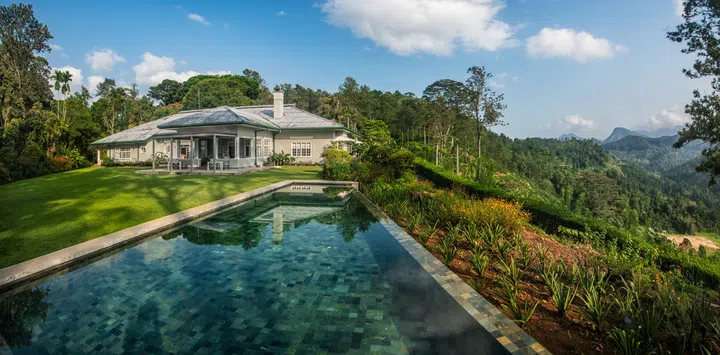
Wallawwa, an 18-room former colonial manor house with charming tropical gardens, located 20 minutes from Colombo’s Bandaranaike International Airport, was the perfect start after a late flight.
At breakfast the next day, I saw a ginormous monitor lizard swimming across a pond before slinking off among the bushes. I hope it stays there, I thought to myself, as I tucked into my jackfruit curry rice.
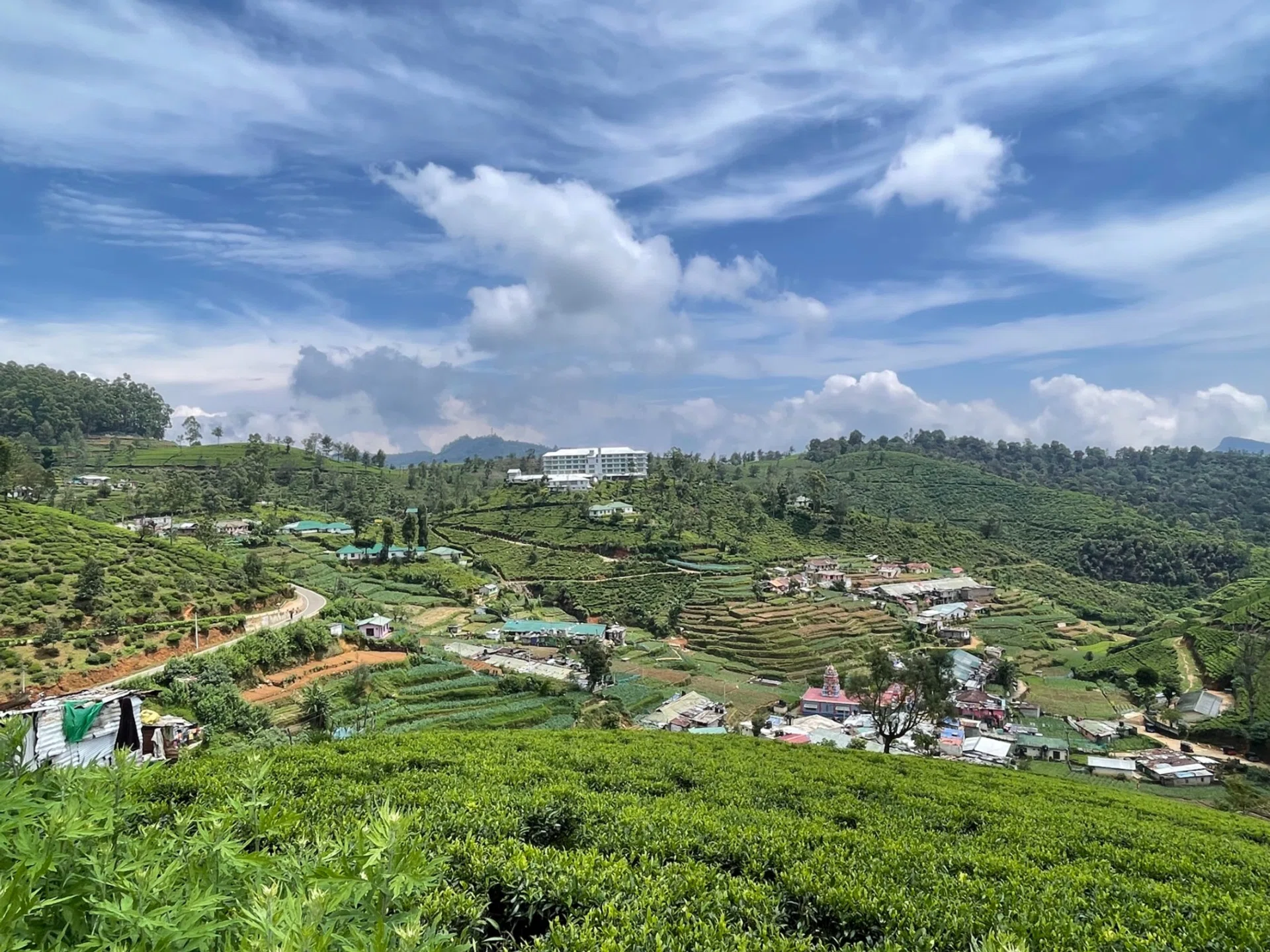
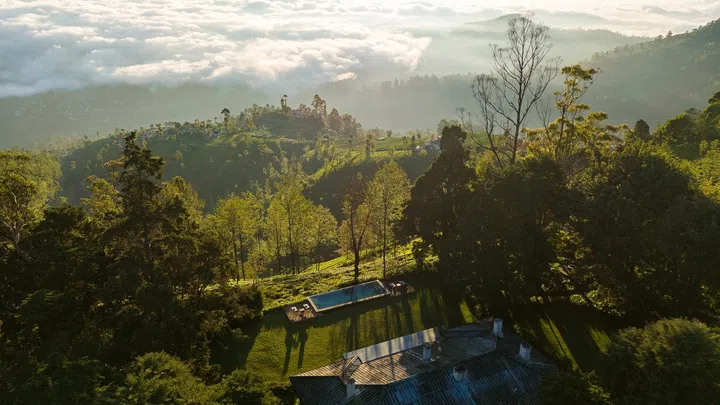
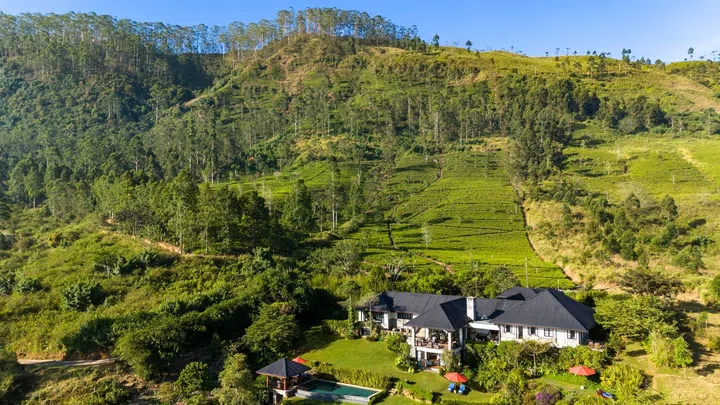
The next three properties — Camellia Hills, Goatfell, and Nine Skies — are ensconced in Sri Lanka’s tea-growing areas of Dickoya, Nuwara Eliya, and Ella, respectively. Perched on steep slopes, with the highest, Goatfell, reaching 1,910m above sea level, these former tea estate bungalows were cosy and private, with only four to five bedrooms each.
I woke up to birdsong and misty vistas of endless green valleys. I sampled tea in various forms — a virgin black tea brew; infused into the dishes of a tasting menu — very faint, really, against robust Sri Lankan flavours — and “yaara” style, where milk tea is pulled from one metal cup to another until it is a frothy mixture.
The long and winding drives between properties were two to four-and-a-half hours each time, taking me through bustling towns like backpacker-packed Ella and Hutton, where I picked up roadside snacks like vadai, samosa, and spring roll.
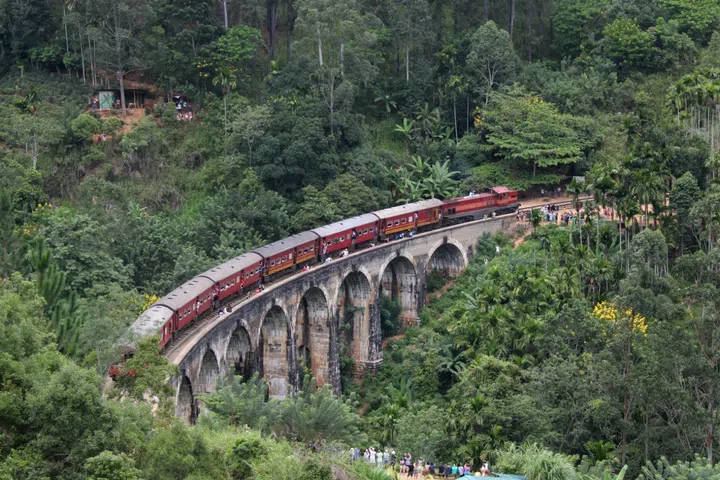
We stopped by landmarks such as the iconic Nine Arch Viaduct Bridge and the 25m-tall Ravana Waterfall in Ella, and Christ Church Warleigh in Dickoya, one of Sri Lanka’s oldest Anglican churches, built in 1878 and remarkably well-preserved, still holding services on odd Sundays.
“There’re leopards here,” said my driver, Selvam, somewhat randomly, when we were in Dickoya. “But don’t worry, they only attack dogs and not humans.” Thankfully, I do not have to test my reaction in a leopard encounter. Instead, I learned to discern animal and bird calls, and picked tiny, wild strawberries on my hikes with Teardrop’s naturalist Dinesh De Silva.
Tea picking is backbreaking work
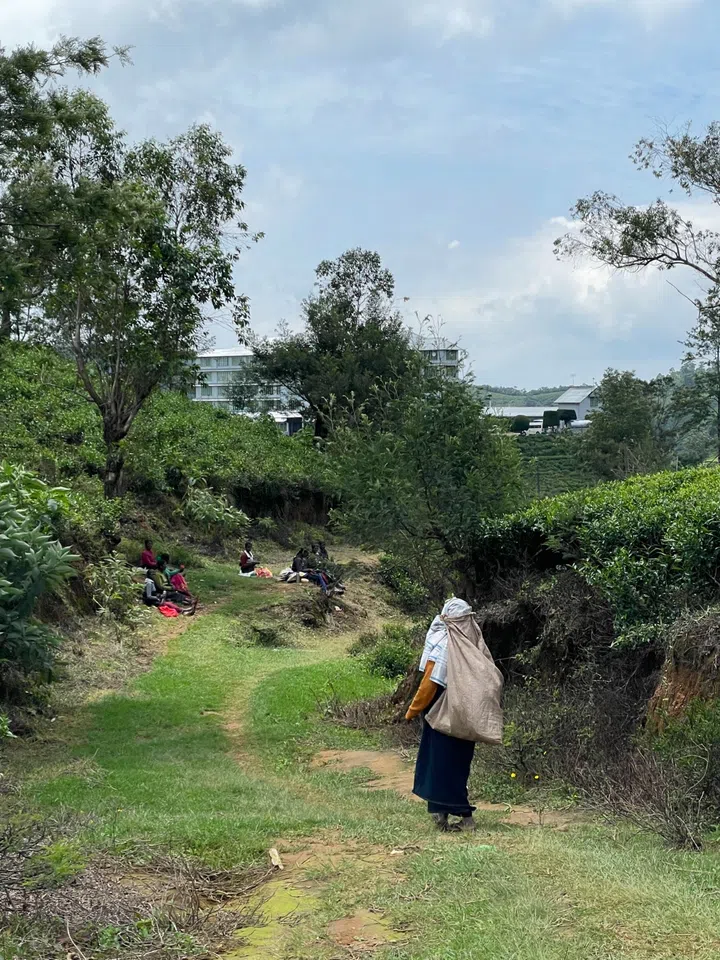
One hike was along the Pekoe Trail, a 300km walking trail launched in 2023 that traces the historical transport routes of tea leaves in the Central Highlands. We passed female workers taking breaks under trees by the fields, and those in bare feet or only slippers, hauling their heavy sacks of leaves to be weighed.
On a visit to Norwood Tea Factory in Dickoya, which produces black and green tea, I learnt about the laborious processing of tea leaves from harvesting to withering (removing moisture), rolling, drying, and sifting into different grades of tea leaves.
Factory manager Ananda shared that their workers are paid RS1,500 (roughly $21.90) daily for eight hours of work — including a one-hour lunch break — and a minimum harvest of 20kg of leaves. He assured that the company built homes and provided medical benefits to the workers.
Still, there is much to be desired in terms of workers’ welfare.
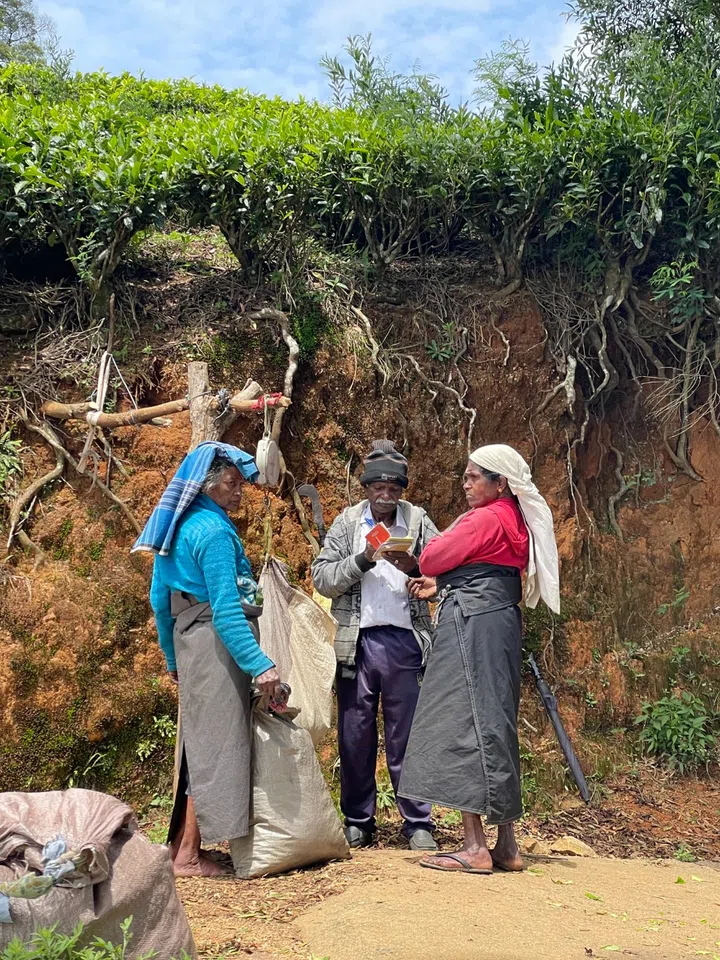
After years of protest by unions and workers, the Sri Lanka Wages Board only raised the minimum wage for a tea worker from RS1,000 to RS1,350, even as Sri Lanka’s tea exports reached US$1.4 billion ($1.81 billion) in 2024, a 9.6 per cent increase from 2023.
Plantation owners had earlier protested against a higher proposed wage increase, saying it would negatively affect the country’s competitiveness in the global tea market.
Breaking out of the poverty cycle
Tourism is one way that tea communities can get out of the poverty cycle. Dinesh shared: “Tourism here allows their children to find jobs in shops and hotels instead of the tea fields, while being with their families instead of going to Colombo.”
Teardrop Hotels, for example, employs and partners with locals for their guest experiences and supports social enterprises such as Tea Leaf Trust and Amba Estate, which provide education and job opportunities.
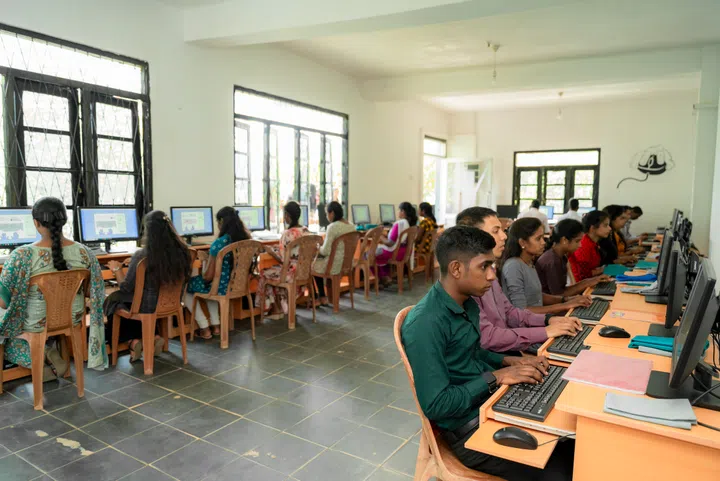
Tea Leaf Trust offers young people living in the tea estates vocational training, including computer and administrative skills, as well as life skills such as emotional management and communication. The curriculum includes community service, encouraging students to think beyond their circumstances to help others in need.
Its principal, Sivabalan Umaharan, was previously a student and a teacher before being promoted to his current role — a fitting example of how education can change one’s trajectory in life.
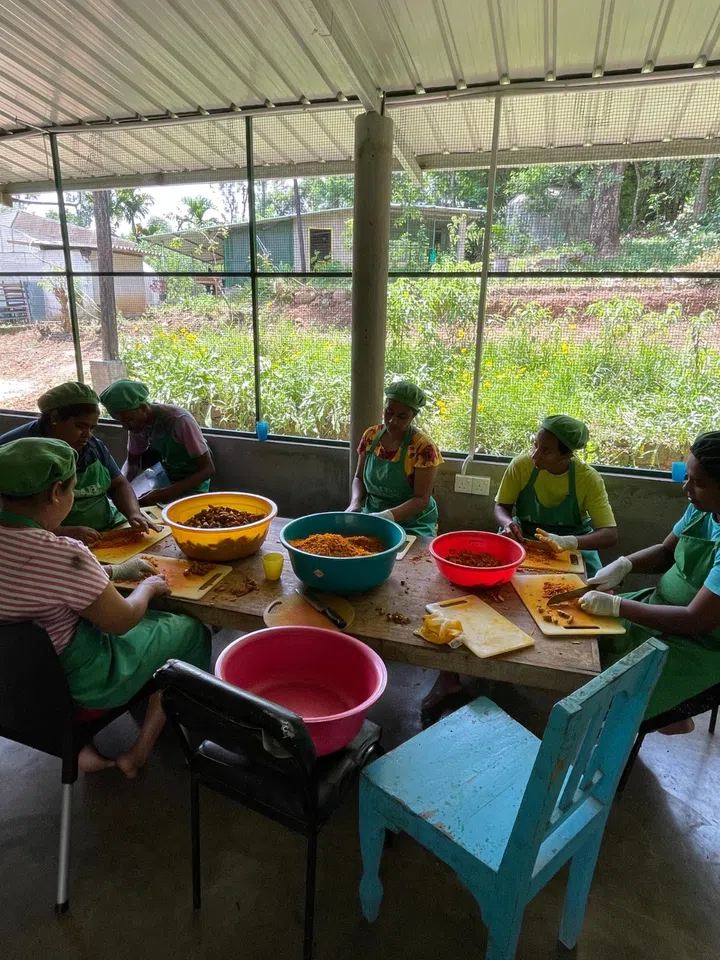
Amba Estate, located in the Uva Highlands, employs local workers at its organic farm, guest house, and retail arm, which sells artisanal products such as spices, coffee, and jams, in addition to tea.
Leading my farm tour and tea tasting session was a confident and assertive 34-year-old, Ashok, who shared how he started as a tea dryer before working his way up to assistant production manager. He said: “I didn’t know (anything) about tea; I learnt everything here. Otherwise, I’ll be a tuk-tuk driver or roadside fruit seller.”
On a canoe tour of Castlereagh Reservoir near Camellia Hills hotel, the boatman, Raja, shared that tours like these have supported his family, especially during seasons when fish yields were low, and have enabled his children to pursue careers as an English teacher and a graphic artist.
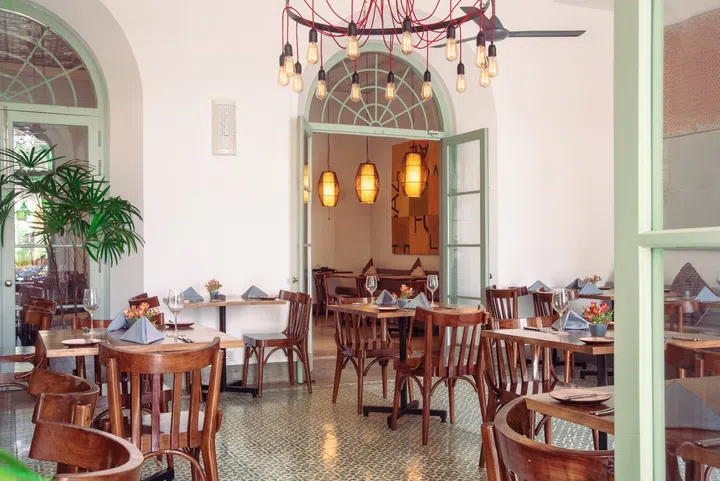
My last night of the trip was in the 18-room Fort Bazaar in Galle. After a week of nature’s soundtracks, adjusting to crowds felt surreal. The fortress ramparts overlooking the beach were crowded at sunset, and there was a steady stream of people in the hotel’s restaurant as I had a final curry rice platter.
At bedtime, I curled up in my spacious suite with a cup of tea in the sitting room. Plantation scenes came flooding back, and my sips became slower.