%22%3E%0A%3Cpath%20d%3D%22M412%20101.2H393.7C393.1%20101.2%20392.3%20100.9%20391.8%20100.5C377.3%2087.6004%20362.9%2074.6004%20348.4%2061.6004C344.8%2058.4004%20341.3%2055.2004%20337.7%2052.0004C337.1%2051.5004%20336.2%2051.1004%20335.5%2051.0004C334.2%2050.8004%20333%2051.0004%20331.5%2051.0004V101.1H316.7V0.100391H331.4V44.3004C331.9%2044.3004%20332.2%2044.4004%20332.5%2044.4004C334.9%2044.4004%20337.2%2044.5004%20339.6%2044.4004C340.4%2044.4004%20341.3%2044.0004%20341.8%2043.5004C351.6%2034.4004%20361.4%2025.2004%20371.1%2016.0004C376.5%2010.9004%20381.9%205.90039%20387.3%200.800391C387.9%200.200391%20388.5%200.000390626%20389.3%200.000390626H400.9C384.2%2015.8004%20367.8%2031.3004%20351.2%2047.0004C371.5%2065.0004%20391.8%2082.9004%20412.1%20100.9C412.1%20101%20412.1%20101.1%20412%20101.2ZM180.9%20101.2C184.1%2094.9004%20187.2%2088.9004%20190.3%2082.8004C198.3%2067.3004%20206.2%2051.8004%20214.2%2036.2004C220.3%2024.4004%20226.4%2012.5004%20232.4%200.700391C232.7%200.100391%20233%20-0.0996094%20233.7%20-0.0996094H248.1C248.8%20-0.0996094%20249.2%200.100391%20249.6%200.800391C256%2013.3004%20262.4%2025.7004%20268.8%2038.2004C279.3%2058.6004%20289.8%2079.0004%20300.3%2099.5004C300.5%20100%20300.8%20100.4%20301.1%20101.1C300.5%20101.1%20300.1%20101.2%20299.7%20101.2H286.5C285.6%20101.2%20285.1%20100.9%20284.7%20100.2C280.1%2091.3004%20275.4%2082.4004%20270.8%2073.4004C270.1%2072.1004%20269.3%2071.6004%20267.8%2071.6004H209.9C208.7%2071.6004%20208.1%2072.0004%20207.5%2073.1004C202.9%2082.1004%20198.2%2091.0004%20193.6%20100C193.1%20101%20192.6%20101.3%20191.5%20101.3C188.4%20101.2%20185.3%20101.3%20182.3%20101.3C182%20101.2%20181.6%20101.2%20180.9%20101.2ZM239.1%2011.4004C230%2029.2004%20221.1%2046.7004%20212.1%2064.3004H266.4C257.2%2046.7004%20248.2%2029.2004%20239.1%2011.4004ZM0%200.000390626H43.4C51.2%200.000390626%2058.7%201.20039%2065.7%204.80039C75.9%2010.0004%2078.9%2018.0004%2078.6%2027.4004C78.3%2034.3004%2076%2040.5004%2071.2%2045.5004C67.3%2049.6004%2062.4%2052.3004%2057.1%2054.3004C50.6%2056.7004%2043.9%2058.0004%2037.1%2058.6004C30.1%2059.2004%2023.1%2059.4004%2016.2%2059.7004C15.8%2059.7004%2015.3%2059.8004%2014.8%2059.8004V101.1H0.1C0%2067.4004%200%2033.8004%200%200.000390626ZM14.8%207.10039V52.2004C23.7%2052.4004%2032.6%2052.3004%2041.2%2050.1004C44.4%2049.3004%2047.6%2048.2004%2050.6%2046.7004C58.4%2043.0004%2062.3%2036.7004%2062.7%2028.0004C63%2019.9004%2059.5%2014.1004%2052.4%2010.5004C47.6%208.00039%2042.5%207.10039%2037.2%207.10039H14.8ZM95.9%20101.1V0.100391H167.3V7.20039H110.7V44.7004H158.1V51.9004H110.8V93.9004H171.1V101C146.1%20101.1%20121%20101.1%2095.9%20101.1Z%22%20fill%3D%22black%22%2F%3E%0A%3Cpath%20d%3D%22M35.0004%2025.7996H42.5004V20.6996H44.8004V33.1996H42.6004V27.5996H34.9004V33.2996H32.7004V20.7996H35.0004V25.7996ZM54.4004%2025.8996V27.2996H48.9004V31.6996H55.9004C55.9004%2032.1996%2056.0004%2032.5996%2056.0004%2033.0996H46.5004V20.5996H55.5004V21.8996H49.0004V25.7996C50.7004%2025.8996%2052.5004%2025.8996%2054.4004%2025.8996ZM25.9004%2033.0996H23.5004V21.9996H17.9004V20.6996H31.6004V22.0996H27.1004C26.2004%2022.0996%2025.9004%2022.2996%2025.9004%2023.1996C26.0004%2026.0996%2025.9004%2028.9996%2025.9004%2031.7996V33.0996Z%22%20fill%3D%22black%22%2F%3E%0A%3C%2Fg%3E%0A%3Cdefs%3E%0A%3CclipPath%20id%3D%22clip0_388_462%22%3E%0A%3Crect%20width%3D%22411%22%20height%3D%22101.2%22%20fill%3D%22white%22%2F%3E%0A%3C%2FclipPath%3E%0A%3C%2Fdefs%3E%0A%3C%2Fsvg%3E%0A)
Behind-the-scenes: Restoration of a 143-year-old mansion, House of Tan Yeok Nee
With the help of craftsmen from Chaozhou, the only surviving traditional Chinese mansion in Singapore has been restored to its former glory and is now open to the public.
By Aaron De Silva /
Share this article
To set foot into the House of Tan Yeok Nee is to journey back in time. It is transportive. The mansion, located at the intersection of Penang Road and Clemenceau Avenue, was built in 1882 — a time when fruit orchards and nutmeg plantations still dominated the area.
As your footfalls echo across the courtyard of this edifice, you half expect a flock of pigeons to take flight in some kind of cinematic flourish.
This could well be the setting of a Zhang Yimou film, though these days it’s more likely to serve as a backdrop for Instagram posts. It won’t be long before selfie-loving swarms arrive to pose in hanfu, eager to score aura points.
According to Shawn Teo, senior associate at DP Architects, the grand residence is the only surviving traditional Chinese courtyard mansion in Singapore, and a rare embodiment of Teochew architectural craftsmanship.
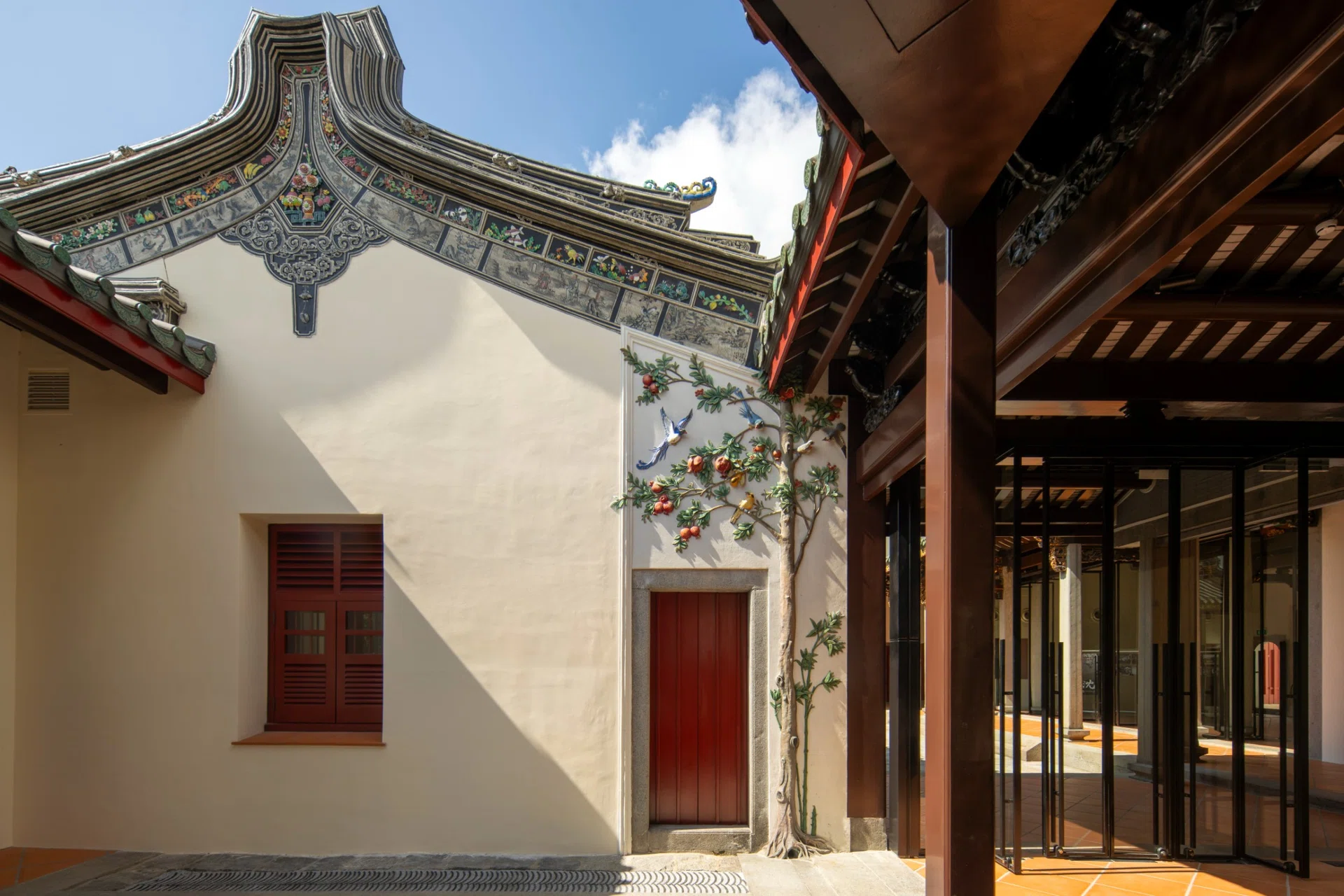
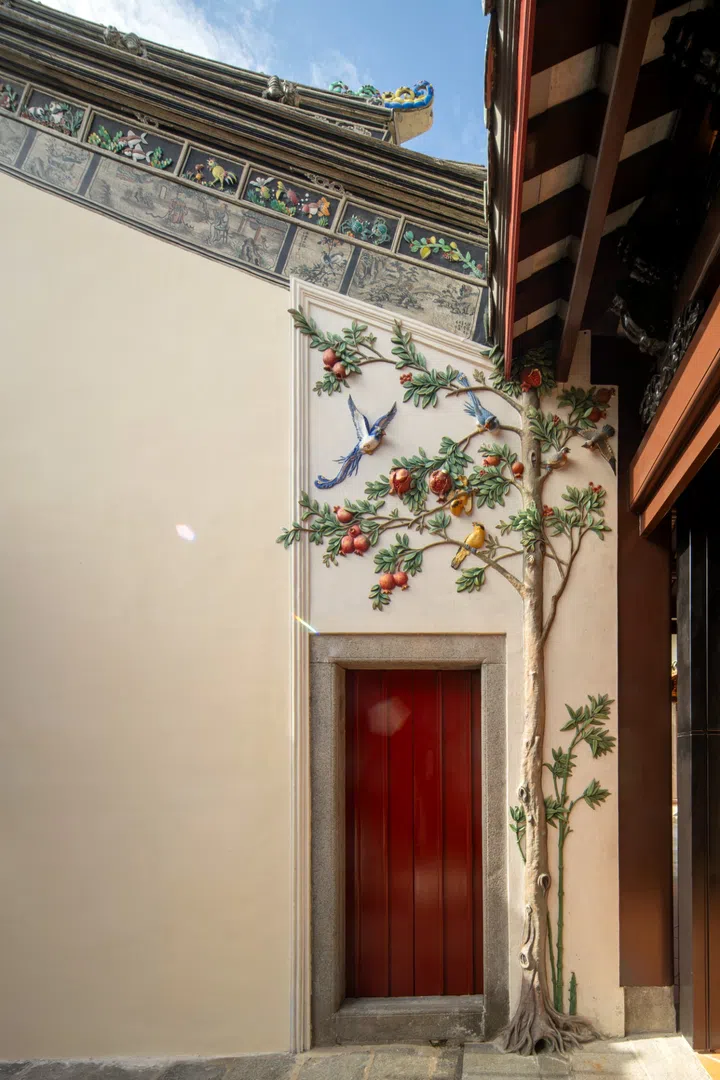
Composed of three buildings aligned along a central axis and flanked by side wings, the house’s symmetrical plan reflects cultural values of hierarchy and order. The ornamentation is exquisite, from the ceramic-shard appliqué figurines adorning the roof to the carved and gilded lintels and eave brackets.
If the walls could speak
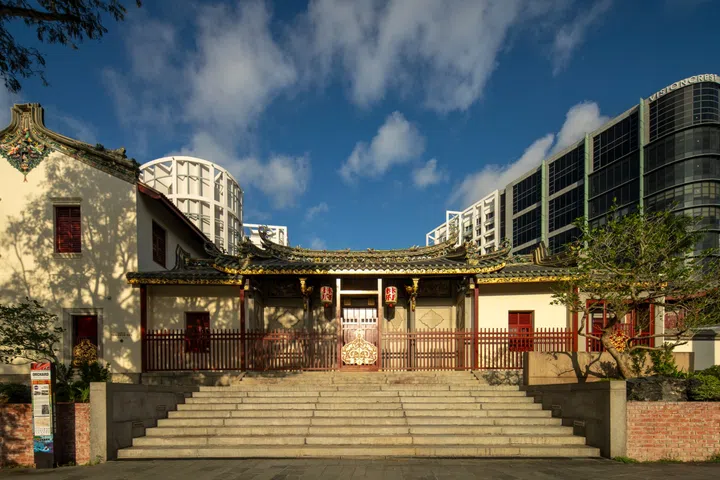
The House passed through many hands before its current incarnation as the Karim Family Foundation family office; among its past lives, it had been a girls’ orphanage, Salvation Army headquarters, and campus of Amity Global Institute. In many ways, the property is a metaphor for Singapore itself: rooted in tradition, yet constantly evolving.
After a year-long period of restoration led by DP Architects, architectural conservationist Associate Professor Yeo Kang Shua, and a team of 30 craftsmen from Chaozhou, China, the House reopened to the public on November 1, 2025. It now features a heritage gallery and Japanese-French restaurant, Loca Niru, alongside the family office. There are plans for a cafe as well.
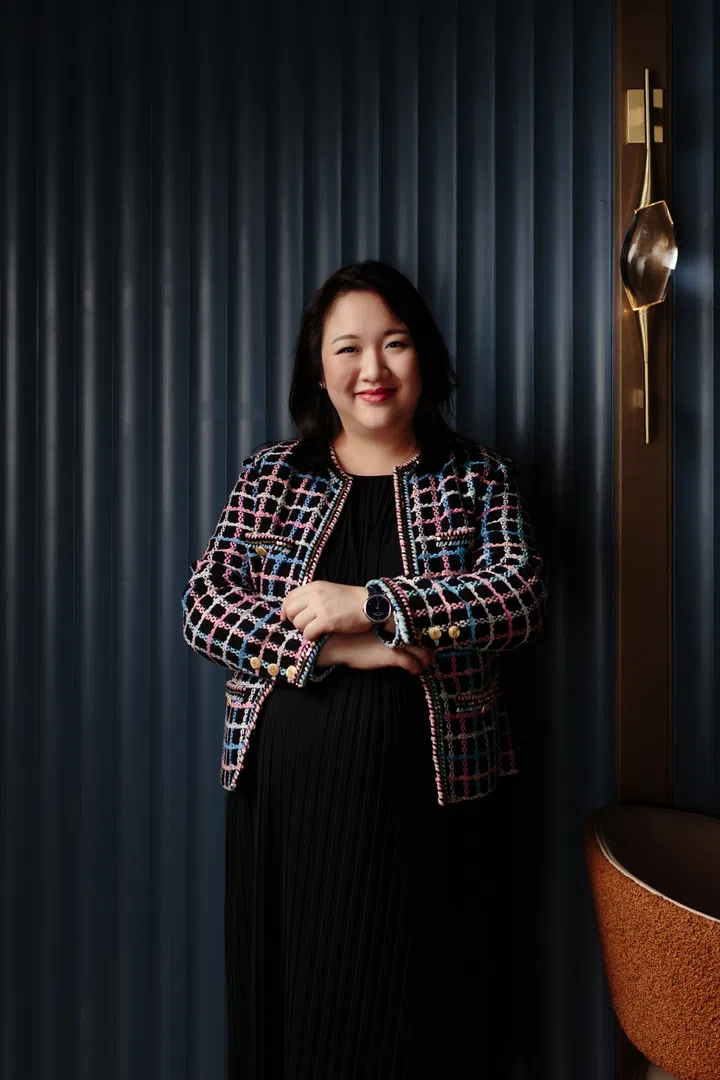
“Our family has always believed that progress and preservation can go hand-in-hand,” says Cindy Karim, lead principal of the Karim Family Foundation and Gaia Lifestyle Group. “The House of Tan Yeok Nee is a rare part of Singapore’s story — one that speaks to resilience, craftsmanship, and community.
“When the opportunity arose to revive it, we saw it as a chance to do something meaningful for the city and for future generations,” shares Karim. In 2022, the family purchased the House for an undisclosed sum, although The Business Times estimates it at between $85 million and $92 million.
“In the Main Hall, we placed a plaque bearing the name of my great-grandfather’s first soap factory (in Medan, Indonesia), Nam Cheong — a nod to our family’s history and to the idea that heritage continues to evolve with each generation,” she adds. The Foundation focuses on initiatives across arts and culture, education, sports and mental health.
Restoring a monument
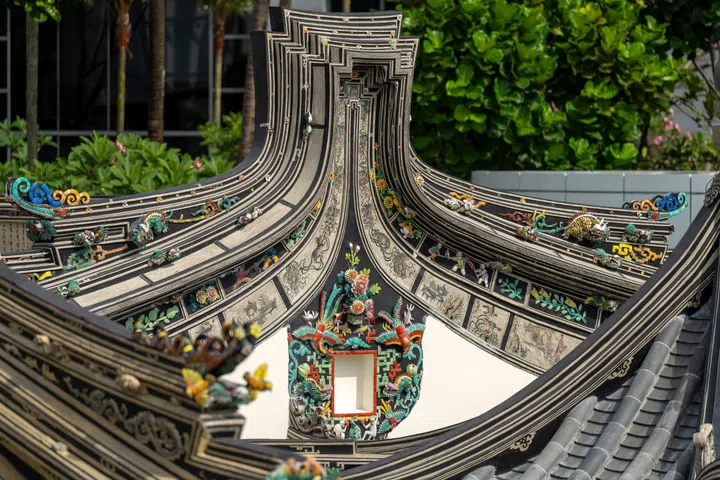
Seeing the house come back to life was “deeply rewarding” for Karim. It served as a tangible reminder that heritage can go beyond preserving memories; that, in fact, making history relevant and accessible in a modern context is key to keeping those memories alive.
“Originally, the client envisioned this property to house their family offices,” explains Teo. “However, as the project evolved, both teams recognised the potential to extend its purpose — to transform it from a private space into one that could once again serve the community… The House needed to be reintroduced as a living part of the city rather than a static monument.”
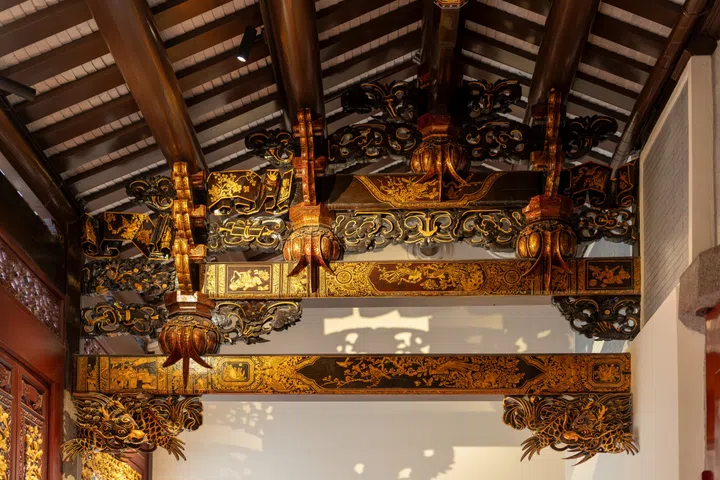
To that end, the Main Hall is being converted into a cafe — “A place where visitors can pause and experience the warmth of the house, much like sitting down for a drink in someone’s living room,” says Professor Yeo.
“Such reinterpretations allow the house to continue evolving, remaining true to its essence while showing that living history is about continuity through change rather than preservation alone,” he adds, echoing Karim’s sentiments.
To accommodate dining, cultural, and event spaces alongside the family offices, the architects had to design and manage circulation, security, and programming intent without altering the existing building fabric too much.
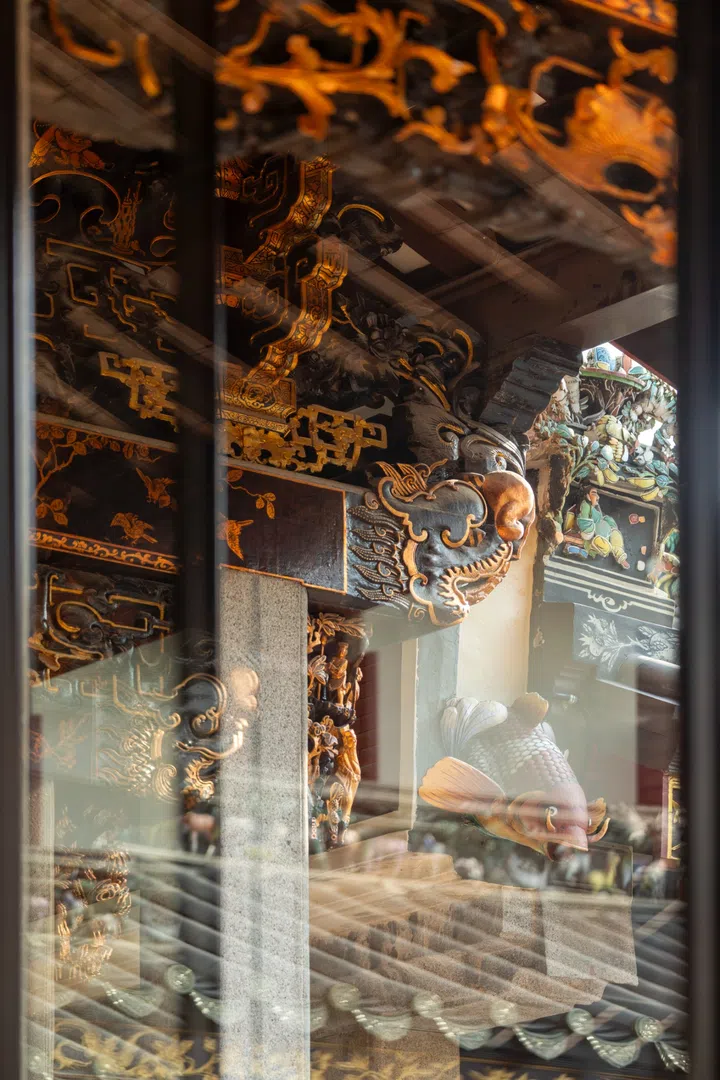
Extensive discussions were held with multiple stakeholders, including the Urban Redevelopment Authority (URA) and the Preservation of Sites and Monuments (PSM), to ensure that the perfect balance was struck.
Among the key structural changes, a new main gate was installed, along with an elaborately carved eight-panel screen that now redefines the entrance hall and arrival experience. Glass walls that previously enclosed the courtyard were removed to encourage cross ventilation.
Lessons from history
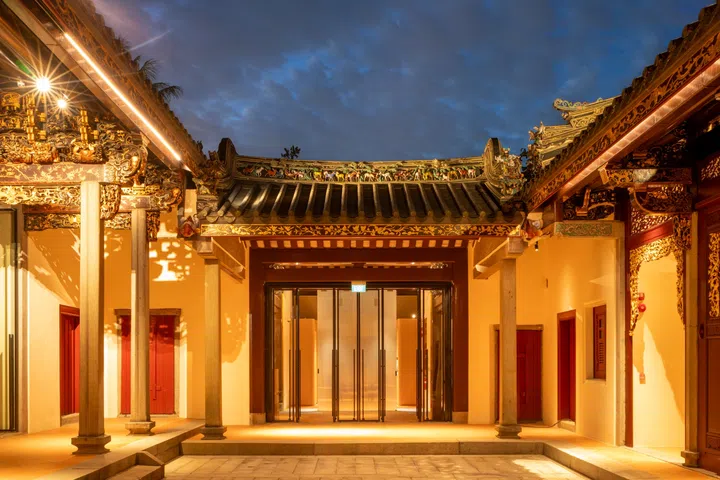
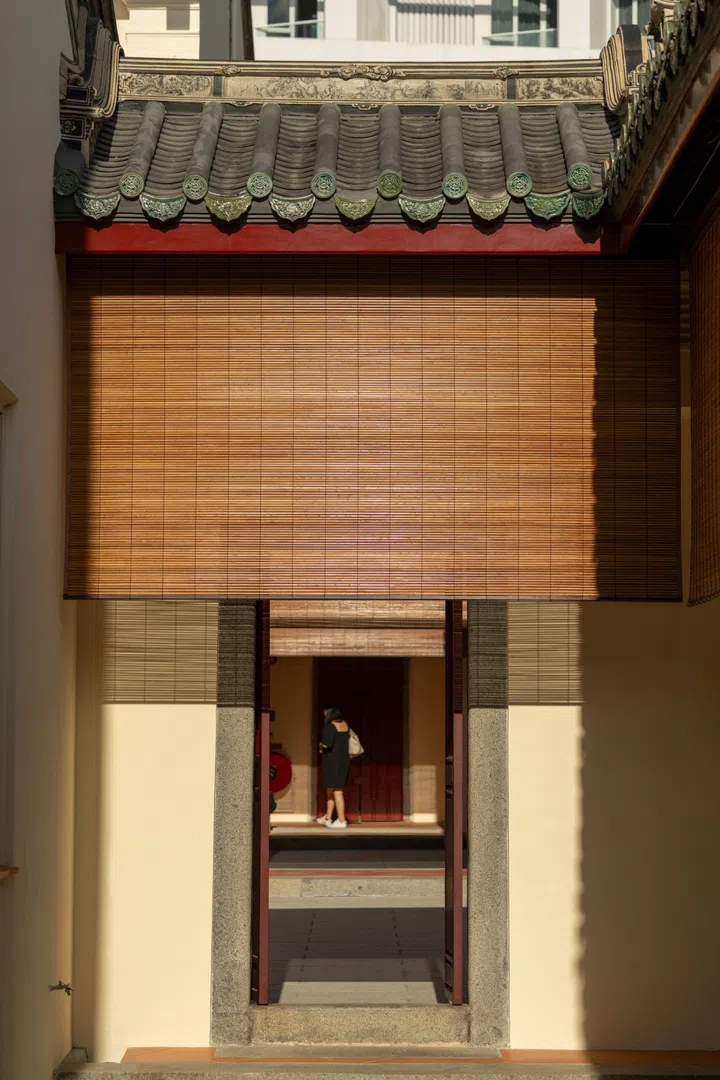
“Heritage buildings teach us how architecture once harmonised with (the) local climate… way before the advent of mechanical ventilation and modern building services,” offers Teo. Features such as deep courtyards, open alleyways, and verandahs create a comfortable microclimate by facilitating airflow and providing shade, reducing the need for artificial cooling.
Reinstating the natural flow of air, especially through the central courtyard, was a key component of the restoration’s sustainability efforts. Air-conditioning is still provided where necessary, but its use has been reduced compared with the previous restoration. “Sustainability is not about greenwashing or self-aggrandisement, but (is) grounded in honesty and responsibility,” says Teo.
“The House of Tan Yeok Nee tells a story very much aligned with Singapore’s own — a narrative of transformation, adaptation, and layered identities,” declares Professor Yeo. “Its journey from private residence to institutional use, and now to a gallery, cafe, and restaurant, reflects the city’s continuous negotiation between tradition and modernity, private and public, permanence and change.”
And what does the team hope that visitors will take away from the experience? “We hope visitors feel a genuine sense of connection — to the space, to the people who built it, and to the values it represents. Heritage comes alive when people enter, participate, and respond,” says Karim.