%22%3E%0A%3Cpath%20d%3D%22M412%20101.2H393.7C393.1%20101.2%20392.3%20100.9%20391.8%20100.5C377.3%2087.6004%20362.9%2074.6004%20348.4%2061.6004C344.8%2058.4004%20341.3%2055.2004%20337.7%2052.0004C337.1%2051.5004%20336.2%2051.1004%20335.5%2051.0004C334.2%2050.8004%20333%2051.0004%20331.5%2051.0004V101.1H316.7V0.100391H331.4V44.3004C331.9%2044.3004%20332.2%2044.4004%20332.5%2044.4004C334.9%2044.4004%20337.2%2044.5004%20339.6%2044.4004C340.4%2044.4004%20341.3%2044.0004%20341.8%2043.5004C351.6%2034.4004%20361.4%2025.2004%20371.1%2016.0004C376.5%2010.9004%20381.9%205.90039%20387.3%200.800391C387.9%200.200391%20388.5%200.000390626%20389.3%200.000390626H400.9C384.2%2015.8004%20367.8%2031.3004%20351.2%2047.0004C371.5%2065.0004%20391.8%2082.9004%20412.1%20100.9C412.1%20101%20412.1%20101.1%20412%20101.2ZM180.9%20101.2C184.1%2094.9004%20187.2%2088.9004%20190.3%2082.8004C198.3%2067.3004%20206.2%2051.8004%20214.2%2036.2004C220.3%2024.4004%20226.4%2012.5004%20232.4%200.700391C232.7%200.100391%20233%20-0.0996094%20233.7%20-0.0996094H248.1C248.8%20-0.0996094%20249.2%200.100391%20249.6%200.800391C256%2013.3004%20262.4%2025.7004%20268.8%2038.2004C279.3%2058.6004%20289.8%2079.0004%20300.3%2099.5004C300.5%20100%20300.8%20100.4%20301.1%20101.1C300.5%20101.1%20300.1%20101.2%20299.7%20101.2H286.5C285.6%20101.2%20285.1%20100.9%20284.7%20100.2C280.1%2091.3004%20275.4%2082.4004%20270.8%2073.4004C270.1%2072.1004%20269.3%2071.6004%20267.8%2071.6004H209.9C208.7%2071.6004%20208.1%2072.0004%20207.5%2073.1004C202.9%2082.1004%20198.2%2091.0004%20193.6%20100C193.1%20101%20192.6%20101.3%20191.5%20101.3C188.4%20101.2%20185.3%20101.3%20182.3%20101.3C182%20101.2%20181.6%20101.2%20180.9%20101.2ZM239.1%2011.4004C230%2029.2004%20221.1%2046.7004%20212.1%2064.3004H266.4C257.2%2046.7004%20248.2%2029.2004%20239.1%2011.4004ZM0%200.000390626H43.4C51.2%200.000390626%2058.7%201.20039%2065.7%204.80039C75.9%2010.0004%2078.9%2018.0004%2078.6%2027.4004C78.3%2034.3004%2076%2040.5004%2071.2%2045.5004C67.3%2049.6004%2062.4%2052.3004%2057.1%2054.3004C50.6%2056.7004%2043.9%2058.0004%2037.1%2058.6004C30.1%2059.2004%2023.1%2059.4004%2016.2%2059.7004C15.8%2059.7004%2015.3%2059.8004%2014.8%2059.8004V101.1H0.1C0%2067.4004%200%2033.8004%200%200.000390626ZM14.8%207.10039V52.2004C23.7%2052.4004%2032.6%2052.3004%2041.2%2050.1004C44.4%2049.3004%2047.6%2048.2004%2050.6%2046.7004C58.4%2043.0004%2062.3%2036.7004%2062.7%2028.0004C63%2019.9004%2059.5%2014.1004%2052.4%2010.5004C47.6%208.00039%2042.5%207.10039%2037.2%207.10039H14.8ZM95.9%20101.1V0.100391H167.3V7.20039H110.7V44.7004H158.1V51.9004H110.8V93.9004H171.1V101C146.1%20101.1%20121%20101.1%2095.9%20101.1Z%22%20fill%3D%22black%22%2F%3E%0A%3Cpath%20d%3D%22M35.0004%2025.7996H42.5004V20.6996H44.8004V33.1996H42.6004V27.5996H34.9004V33.2996H32.7004V20.7996H35.0004V25.7996ZM54.4004%2025.8996V27.2996H48.9004V31.6996H55.9004C55.9004%2032.1996%2056.0004%2032.5996%2056.0004%2033.0996H46.5004V20.5996H55.5004V21.8996H49.0004V25.7996C50.7004%2025.8996%2052.5004%2025.8996%2054.4004%2025.8996ZM25.9004%2033.0996H23.5004V21.9996H17.9004V20.6996H31.6004V22.0996H27.1004C26.2004%2022.0996%2025.9004%2022.2996%2025.9004%2023.1996C26.0004%2026.0996%2025.9004%2028.9996%2025.9004%2031.7996V33.0996Z%22%20fill%3D%22black%22%2F%3E%0A%3C%2Fg%3E%0A%3Cdefs%3E%0A%3CclipPath%20id%3D%22clip0_388_462%22%3E%0A%3Crect%20width%3D%22411%22%20height%3D%22101.2%22%20fill%3D%22white%22%2F%3E%0A%3C%2FclipPath%3E%0A%3C%2Fdefs%3E%0A%3C%2Fsvg%3E%0A)
In its 10th year, THE TOKYO TOILET project has altered the way we view restrooms forever
It’s not just a lavatory! Transcending its mundane purpose, the public loo has become an international discussion about how inclusive design can change how people interact with them.
By Luo Jingmei /
Share this article
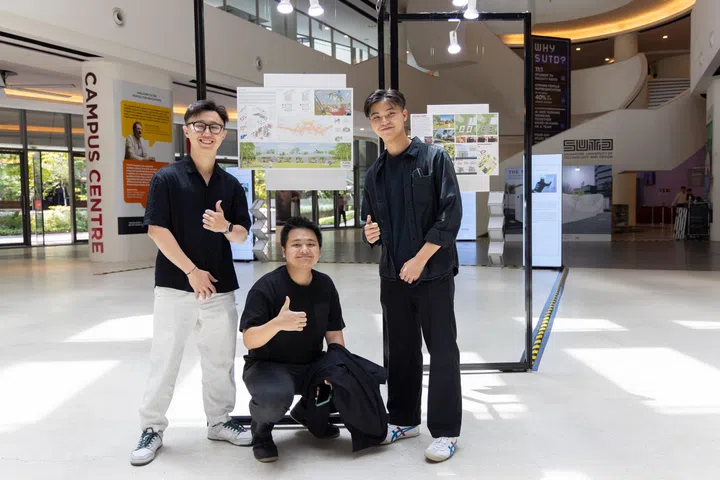
On October 24, 2025, students from the Singapore University of Technology and Design (SUTD) competed for the best public toilet design along the island’s Park Connector Network (PCN).
The event, Rethinking Public Toilet: Student Design Contest, was held in conjunction with the TOTO Asia Architect Talk, organised by TOTO Asia Oceania, a champion of bathroom innovation in the Asia Oceanic region.
The winning entry, Play Pak — a combination of the word “play” and “lepak” (meaning to relax in Malay) — by Akrapong Kiatkongchayin, Howard Budihartono, and William Tan Soon Kang, was set in Bedok Town Park.
Its unique features, like rope hammocks, climbing nets, and swings, encourage users to reconnect with nature and slow down.
It all began with THE TOKYO TOILET project, initiated by Koji Yanai, group senior executive officer and director of the Board at Fast Retailing Co., Ltd. (UNIQLO’s parent company), which saw him collaborate with The Nippon Foundation to transform 17 public restrooms in Shibuya into inclusive, well-designed spaces.
While public toilets might be an afterthought or nonexistent in some cities, the project dives deep into how design can turn something as mundane as a lavatory into a point of focus.
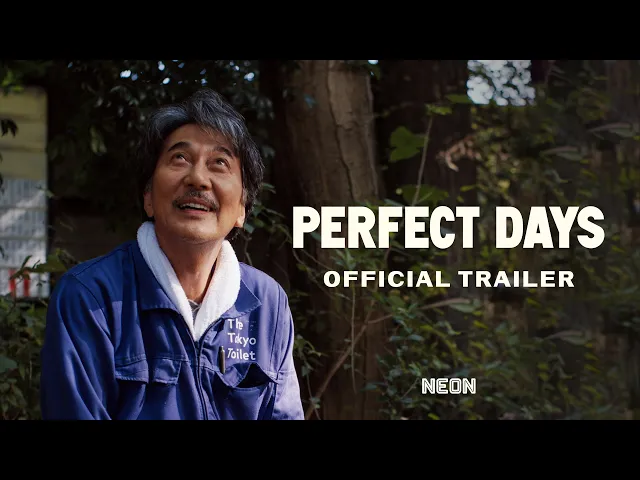
He later produced Perfect Days, a Cannes award-winning and Oscar-nominated film about a toilet cleaner in Shibuya. Since its first iteration 10 years ago,THE TOKYO TOILET project has challenged the way people look at the humble public washroom with the help of renowned architects such as Sou Fujimoto, Marc Newson, and Shigeru Ban.
More than function
“Public toilets occupy an interesting space between the public and the private. They are often small and hidden, yet they have a significant influence on their surroundings,” expounds Fujimoto, of 2014 Serpentine Pavilion in London and the Grand Ring at EXPO 2025 Osaka fame, via email.
His design reimagines “the entire experience and purpose of such spaces” and “what they might represent in the future”.
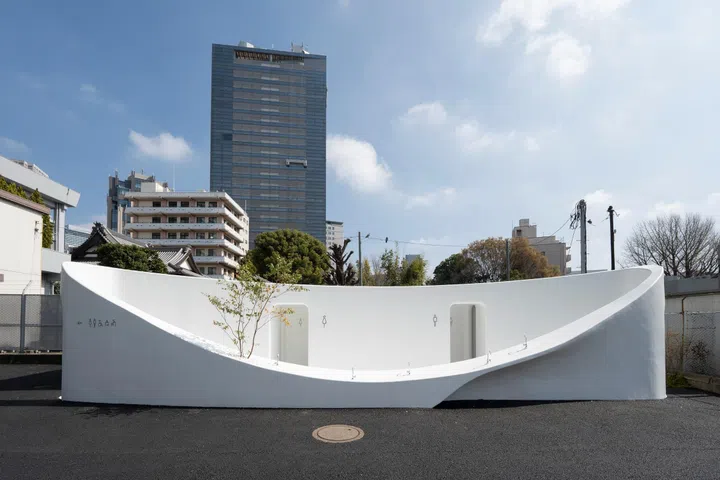
His contribution to Nishisando is a minimalist white sculptural structure that offers a universal solution for tall people, small children, and even people in wheelchairs, with a curved front incorporating washbasins of varying heights.
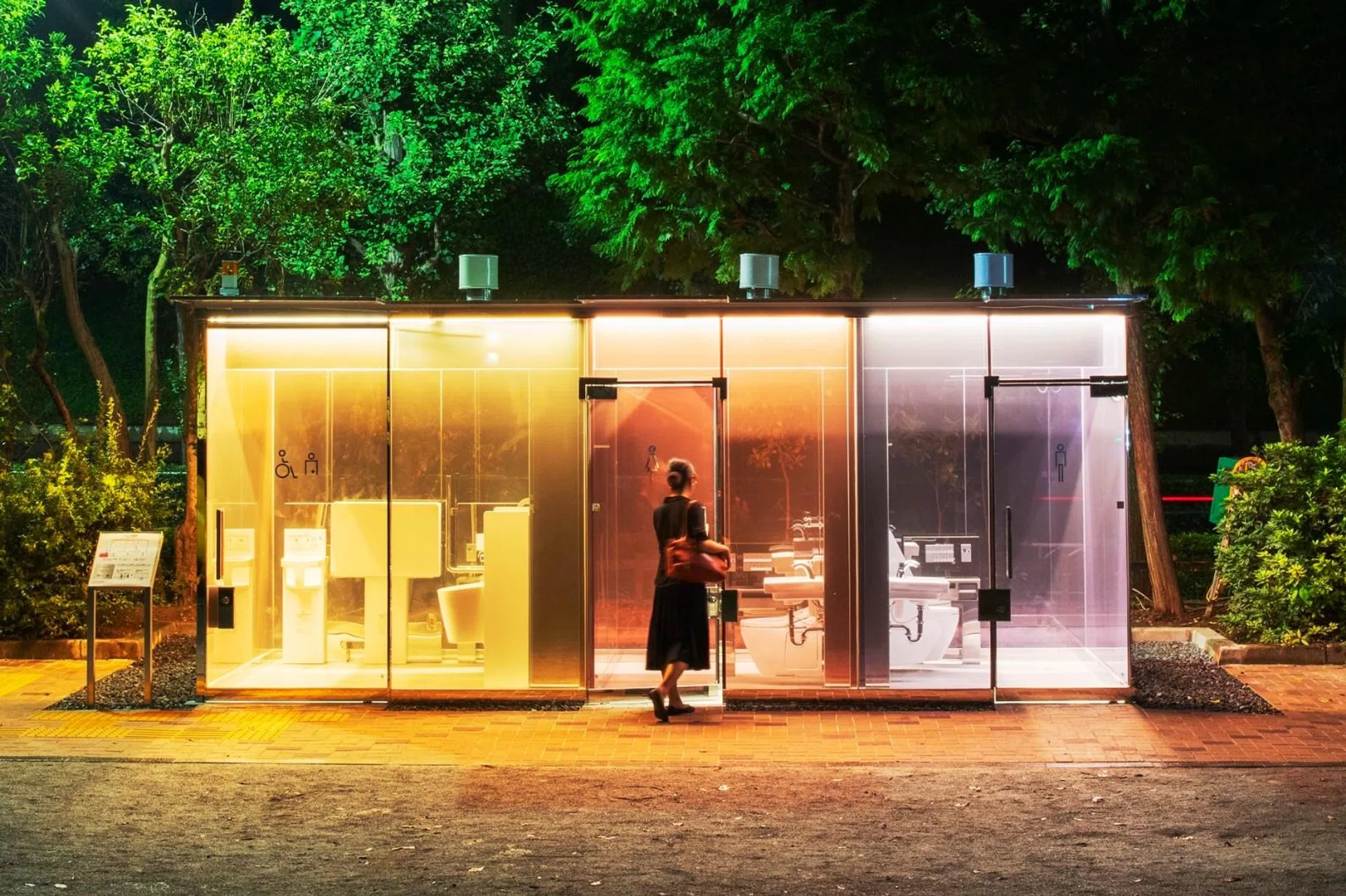
In another, Ban’s glass box designs turn opaque to provide privacy when users enter. His use of colourful glass turns them into iconic landmarks rather than discreet, hidden spaces.
Water, being the most fundamental element of toilets, fuelled his concept. “Water is essential for both sanitation and hand washing, but it also carries symbolic meaning. It reminds me of cities where small fountains can be found in every corner, and are places where people meet and interact,” explains Ban, who describes his design as a “fountain in the city”.
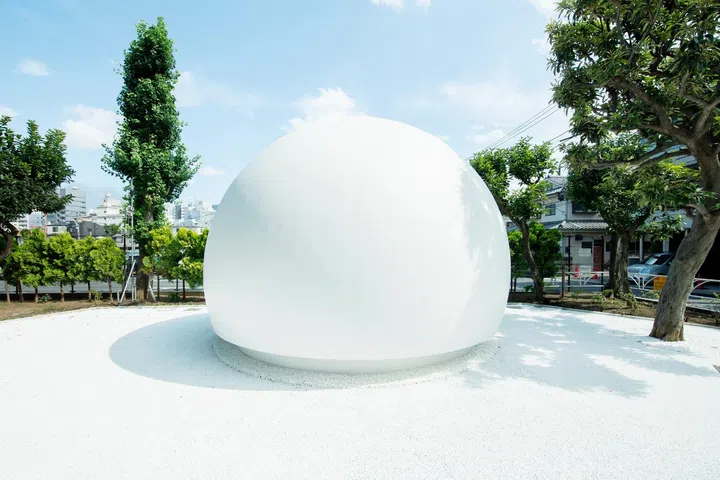
Yanai observes that some of the project’s toilets have taken on a life of their own, with people gathering nearby, skateboarding around, or using them as rest spots.
“That diversity of use shows how design can reshape how we interact with public spaces. What began as a functional project has turned into something that sparks curiosity and engagement,” says Yanai, who was subsequently inspired to launch a similar project to renovate existing toilets.
“We introduced specially designed cleaning uniforms and trained personnel to maintain these spaces, which helped to instil a sense of respect and pride, as they were seen as invisible functions before,” he explains.
Accessible, inclusive, and beautiful
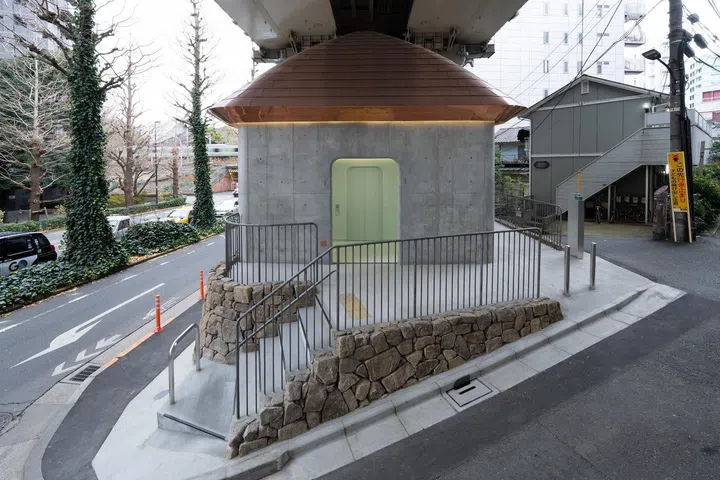
“We felt that inviting students to design something as humble yet universal as a toilet allows them to understand the social and ethical dimensions of design; it challenges them to think about accessibility, inclusivity, and beauty in the most ordinary setting,” says Professor Erwin Viray, senior advisor of the Sustainability Office at the Singapore University of Technology and Design (SUTD) and moderator at TOTO Asia Architect Talk.
He adds, “Many of the students designed toilets for their own neighbourhoods — places they are familiar with. Through that, you can sense their care for the people around them. (The competition) gives them a voice and platform to share their ideas and perspectives on how their environment could be improved.”
Having visited some of THE TOKYO TOILET projects himself, he affirms, “It’s a moving experience and impressive in a way that you might wonder: Is this really a toilet? It shows that even an ordinary public toilet can express extraordinary qualities when designed with humanity.”
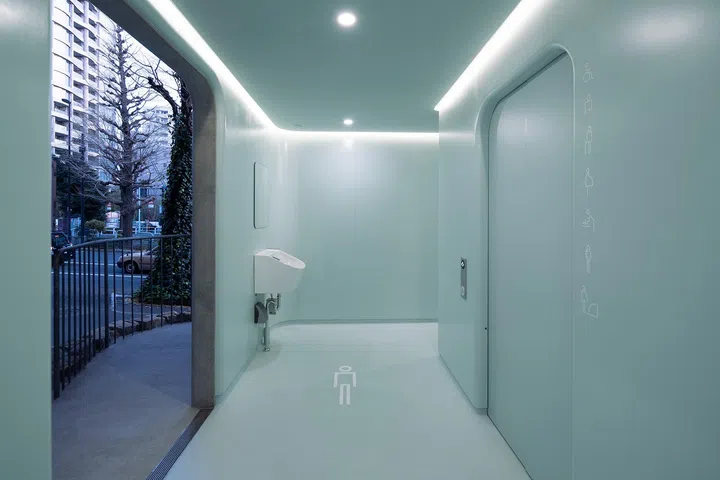
Architect Fujimoto reiterates, “Public toilets are great examples of truly inclusive design because they are open to everybody. (This is) more than just a design project; it’s a contribution to society, which makes it very important.”
“The project created not only better facilities, but also a greater sense of care and appreciation for public spaces,” adds Yanai on the impact of THE TOKYO TOILET since its conception.
“People began to notice that even something as ordinary as a toilet could be thoughtfully designed, beautifully maintained, and meaningful to the community.”