%22%3E%0A%3Cpath%20d%3D%22M412%20101.2H393.7C393.1%20101.2%20392.3%20100.9%20391.8%20100.5C377.3%2087.6004%20362.9%2074.6004%20348.4%2061.6004C344.8%2058.4004%20341.3%2055.2004%20337.7%2052.0004C337.1%2051.5004%20336.2%2051.1004%20335.5%2051.0004C334.2%2050.8004%20333%2051.0004%20331.5%2051.0004V101.1H316.7V0.100391H331.4V44.3004C331.9%2044.3004%20332.2%2044.4004%20332.5%2044.4004C334.9%2044.4004%20337.2%2044.5004%20339.6%2044.4004C340.4%2044.4004%20341.3%2044.0004%20341.8%2043.5004C351.6%2034.4004%20361.4%2025.2004%20371.1%2016.0004C376.5%2010.9004%20381.9%205.90039%20387.3%200.800391C387.9%200.200391%20388.5%200.000390626%20389.3%200.000390626H400.9C384.2%2015.8004%20367.8%2031.3004%20351.2%2047.0004C371.5%2065.0004%20391.8%2082.9004%20412.1%20100.9C412.1%20101%20412.1%20101.1%20412%20101.2ZM180.9%20101.2C184.1%2094.9004%20187.2%2088.9004%20190.3%2082.8004C198.3%2067.3004%20206.2%2051.8004%20214.2%2036.2004C220.3%2024.4004%20226.4%2012.5004%20232.4%200.700391C232.7%200.100391%20233%20-0.0996094%20233.7%20-0.0996094H248.1C248.8%20-0.0996094%20249.2%200.100391%20249.6%200.800391C256%2013.3004%20262.4%2025.7004%20268.8%2038.2004C279.3%2058.6004%20289.8%2079.0004%20300.3%2099.5004C300.5%20100%20300.8%20100.4%20301.1%20101.1C300.5%20101.1%20300.1%20101.2%20299.7%20101.2H286.5C285.6%20101.2%20285.1%20100.9%20284.7%20100.2C280.1%2091.3004%20275.4%2082.4004%20270.8%2073.4004C270.1%2072.1004%20269.3%2071.6004%20267.8%2071.6004H209.9C208.7%2071.6004%20208.1%2072.0004%20207.5%2073.1004C202.9%2082.1004%20198.2%2091.0004%20193.6%20100C193.1%20101%20192.6%20101.3%20191.5%20101.3C188.4%20101.2%20185.3%20101.3%20182.3%20101.3C182%20101.2%20181.6%20101.2%20180.9%20101.2ZM239.1%2011.4004C230%2029.2004%20221.1%2046.7004%20212.1%2064.3004H266.4C257.2%2046.7004%20248.2%2029.2004%20239.1%2011.4004ZM0%200.000390626H43.4C51.2%200.000390626%2058.7%201.20039%2065.7%204.80039C75.9%2010.0004%2078.9%2018.0004%2078.6%2027.4004C78.3%2034.3004%2076%2040.5004%2071.2%2045.5004C67.3%2049.6004%2062.4%2052.3004%2057.1%2054.3004C50.6%2056.7004%2043.9%2058.0004%2037.1%2058.6004C30.1%2059.2004%2023.1%2059.4004%2016.2%2059.7004C15.8%2059.7004%2015.3%2059.8004%2014.8%2059.8004V101.1H0.1C0%2067.4004%200%2033.8004%200%200.000390626ZM14.8%207.10039V52.2004C23.7%2052.4004%2032.6%2052.3004%2041.2%2050.1004C44.4%2049.3004%2047.6%2048.2004%2050.6%2046.7004C58.4%2043.0004%2062.3%2036.7004%2062.7%2028.0004C63%2019.9004%2059.5%2014.1004%2052.4%2010.5004C47.6%208.00039%2042.5%207.10039%2037.2%207.10039H14.8ZM95.9%20101.1V0.100391H167.3V7.20039H110.7V44.7004H158.1V51.9004H110.8V93.9004H171.1V101C146.1%20101.1%20121%20101.1%2095.9%20101.1Z%22%20fill%3D%22black%22%2F%3E%0A%3Cpath%20d%3D%22M35.0004%2025.7996H42.5004V20.6996H44.8004V33.1996H42.6004V27.5996H34.9004V33.2996H32.7004V20.7996H35.0004V25.7996ZM54.4004%2025.8996V27.2996H48.9004V31.6996H55.9004C55.9004%2032.1996%2056.0004%2032.5996%2056.0004%2033.0996H46.5004V20.5996H55.5004V21.8996H49.0004V25.7996C50.7004%2025.8996%2052.5004%2025.8996%2054.4004%2025.8996ZM25.9004%2033.0996H23.5004V21.9996H17.9004V20.6996H31.6004V22.0996H27.1004C26.2004%2022.0996%2025.9004%2022.2996%2025.9004%2023.1996C26.0004%2026.0996%2025.9004%2028.9996%2025.9004%2031.7996V33.0996Z%22%20fill%3D%22black%22%2F%3E%0A%3C%2Fg%3E%0A%3Cdefs%3E%0A%3CclipPath%20id%3D%22clip0_388_462%22%3E%0A%3Crect%20width%3D%22411%22%20height%3D%22101.2%22%20fill%3D%22white%22%2F%3E%0A%3C%2FclipPath%3E%0A%3C%2Fdefs%3E%0A%3C%2Fsvg%3E%0A)
Why this award-winning poet believes that inspiration is a lie
Established poet, translator, and critic Theophilus Kwek shares his disarmingly pragmatic views on writing.
By Lu Yawen /
Share this article
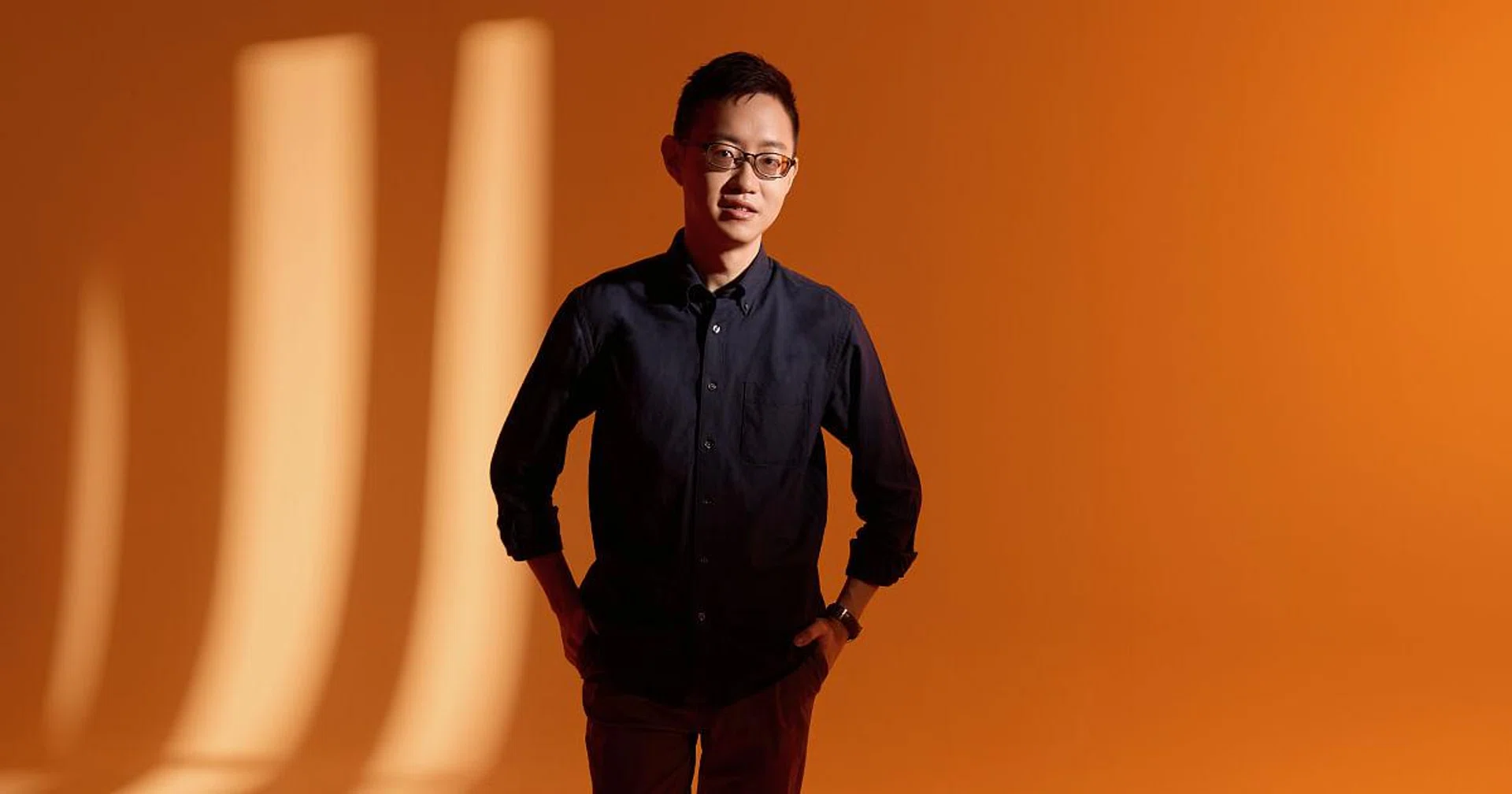
“I write to be read. That sounds incredibly narcissistic, but I think, for me, what that says is that writing is primarily a form of communication,” Theophilus Kwek shares, with a relatively deadpan expression.
Sharp-witted yet so achingly self-aware, the 30-year-old is one of Singapore’s decorated poets. Also a translator and editor, he has four volumes of published poetry. Making it into the news for being the first Singaporean and youngest writer to win the Swedish Cikada Prize 2023, he also made the Forbes 30 Under 30 Asia list this year.
It’s a rather pragmatic way of looking at writing. One that I don’t quite expect from someone who has authored multiple books on poetry. His view on writing is more people-centric, celebrating and documenting the mundane, overlooked, and forgotten — quite the opposite of the tortured poets trope.
He explains, “I write to engage with ideas out there in the world, to engage with stories that have been handed down to me or conversations that are taking place in society.”
In support of community
Driven by this desire for community, Kwek actively participates in the literary scene here and abroad. At Oxford University, where he graduated with a Master in Refugee and Forced Migration Studies, he was the president of the Oxford University Poetry Society, co-founded the online journal The Kindling, and is still a member of the editorial team behind peer-reviewed and open-access journal, PR&TA.
He performed his poem Terezin at the Oxford New Writing Festival and has another called North Bridge Road featured in a local anthology series used in the Singapore A Levels curriculum.
He has collaborated with fellow local creatives, such as painter Alvin Ong, for a pamphlet, “Ways of Walking”, to raise funds for Refugee Resource, an Oxford-based charity, and more recently, an opera for kids with composer Jonathan Shin, A Bright Eyed Otter, that New Opera Singapore performed at the International Youth Opera Festival 2024.
His involvement extends to evangelising his love for literature to other communities. A supporter of Migrant Writers of Singapore, a collective of migrant literature enthusiasts, he has also lent logistical support to other ground-up initiatives, including the Global Migrant Festival and the Migrant Cultural Show.
He also teaches creative writing to schools through the non-profit Sing Lit Station’s Book A Writer platform.
As an instructor, too, his pragmatism comes through. When asked where he finds inspiration, he chuckles, saying, “I often tell the kids that I don't believe in inspiration. Inspiration is a lie.” He maintains that only writing when inspired is a romanticised notion of the craft. His methodology is rooted in observation and discipline, and he regards writing as a craft that can be honed and refined.
Later in our conversation, he reveals, “Especially for young writers who come from less well-resourced backgrounds, if you’re not going to school and learning about Shakespeare, then you tend to feel like, maybe I don’t deserve to be doing work like that. But you can.”
Prized interactions
Kwek has a knack for connecting and empathising, a genuine curiosity coupled with a keen sense of observation. It’s why he excels in writing about “place”, and his works on migration, forced or willingly, strike a chord with readers.
His current projects, long on his to-do list, similarly explore movement, albeit in a more intimate proximity. Reconnecting with his family’s past — his mother moving homes due to the disastrous Bukit Ho Swee fire of 1968 and his grandmother’s past as a seamstress to make ends meet — he’s relaying their personal experiences into poems he hopes to complete next year.
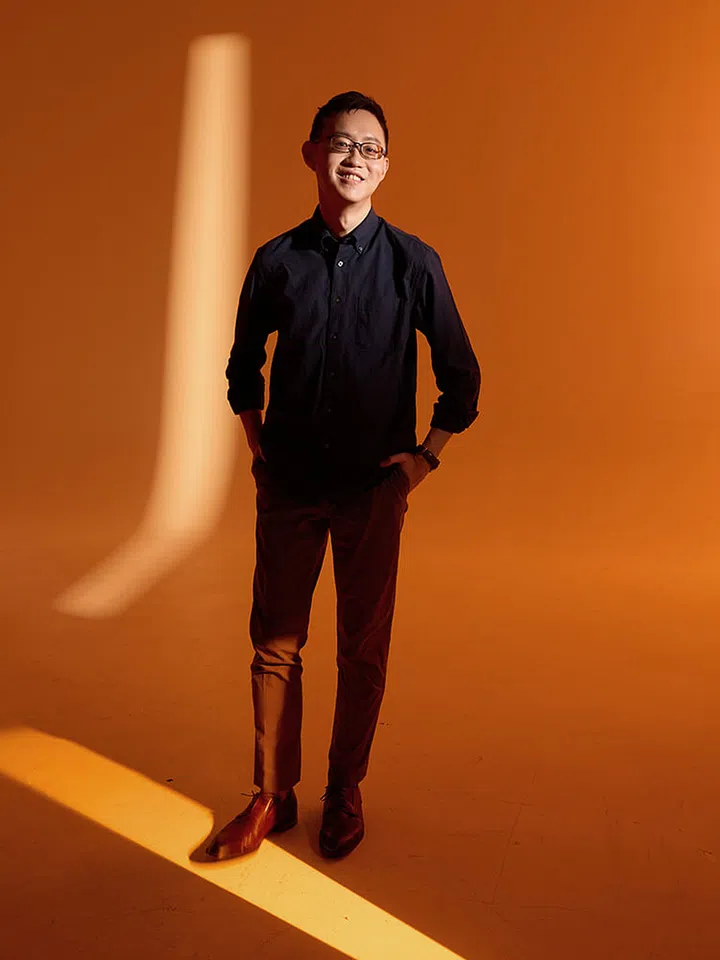
Photo: Clement Goh
Yet in the same breath, he admits wryly that as he writes the anthology series with his family in mind, he’s aware that his family doesn’t read poems and “my grandma is getting on in age and barely has the attention span for a TV episode”. The poems will have to be shared verbally in conversation instead.
Even so, these personal stories resonate with the nostalgia and struggles of leaving a place behind and creating a home elsewhere, a milestone that a wider audience can relate to. He recalls similarities with the oral histories he was helping to document from senior residents living in Tanglin Halt while volunteering for the non-profit My Community, which aims to preserve stories and heritage.
And for Kwek, having his words move a stranger so deeply to make them come up to him in a cafe is recognition that his poem has “done its work”, a gesture that holds the same weight as the awards conferred to him. Sharing what he tells his students, “There will be seasons in your writing life that go away… It doesn’t make you any more or less of a writer.”