%22%3E%0A%3Cpath%20d%3D%22M412%20101.2H393.7C393.1%20101.2%20392.3%20100.9%20391.8%20100.5C377.3%2087.6004%20362.9%2074.6004%20348.4%2061.6004C344.8%2058.4004%20341.3%2055.2004%20337.7%2052.0004C337.1%2051.5004%20336.2%2051.1004%20335.5%2051.0004C334.2%2050.8004%20333%2051.0004%20331.5%2051.0004V101.1H316.7V0.100391H331.4V44.3004C331.9%2044.3004%20332.2%2044.4004%20332.5%2044.4004C334.9%2044.4004%20337.2%2044.5004%20339.6%2044.4004C340.4%2044.4004%20341.3%2044.0004%20341.8%2043.5004C351.6%2034.4004%20361.4%2025.2004%20371.1%2016.0004C376.5%2010.9004%20381.9%205.90039%20387.3%200.800391C387.9%200.200391%20388.5%200.000390626%20389.3%200.000390626H400.9C384.2%2015.8004%20367.8%2031.3004%20351.2%2047.0004C371.5%2065.0004%20391.8%2082.9004%20412.1%20100.9C412.1%20101%20412.1%20101.1%20412%20101.2ZM180.9%20101.2C184.1%2094.9004%20187.2%2088.9004%20190.3%2082.8004C198.3%2067.3004%20206.2%2051.8004%20214.2%2036.2004C220.3%2024.4004%20226.4%2012.5004%20232.4%200.700391C232.7%200.100391%20233%20-0.0996094%20233.7%20-0.0996094H248.1C248.8%20-0.0996094%20249.2%200.100391%20249.6%200.800391C256%2013.3004%20262.4%2025.7004%20268.8%2038.2004C279.3%2058.6004%20289.8%2079.0004%20300.3%2099.5004C300.5%20100%20300.8%20100.4%20301.1%20101.1C300.5%20101.1%20300.1%20101.2%20299.7%20101.2H286.5C285.6%20101.2%20285.1%20100.9%20284.7%20100.2C280.1%2091.3004%20275.4%2082.4004%20270.8%2073.4004C270.1%2072.1004%20269.3%2071.6004%20267.8%2071.6004H209.9C208.7%2071.6004%20208.1%2072.0004%20207.5%2073.1004C202.9%2082.1004%20198.2%2091.0004%20193.6%20100C193.1%20101%20192.6%20101.3%20191.5%20101.3C188.4%20101.2%20185.3%20101.3%20182.3%20101.3C182%20101.2%20181.6%20101.2%20180.9%20101.2ZM239.1%2011.4004C230%2029.2004%20221.1%2046.7004%20212.1%2064.3004H266.4C257.2%2046.7004%20248.2%2029.2004%20239.1%2011.4004ZM0%200.000390626H43.4C51.2%200.000390626%2058.7%201.20039%2065.7%204.80039C75.9%2010.0004%2078.9%2018.0004%2078.6%2027.4004C78.3%2034.3004%2076%2040.5004%2071.2%2045.5004C67.3%2049.6004%2062.4%2052.3004%2057.1%2054.3004C50.6%2056.7004%2043.9%2058.0004%2037.1%2058.6004C30.1%2059.2004%2023.1%2059.4004%2016.2%2059.7004C15.8%2059.7004%2015.3%2059.8004%2014.8%2059.8004V101.1H0.1C0%2067.4004%200%2033.8004%200%200.000390626ZM14.8%207.10039V52.2004C23.7%2052.4004%2032.6%2052.3004%2041.2%2050.1004C44.4%2049.3004%2047.6%2048.2004%2050.6%2046.7004C58.4%2043.0004%2062.3%2036.7004%2062.7%2028.0004C63%2019.9004%2059.5%2014.1004%2052.4%2010.5004C47.6%208.00039%2042.5%207.10039%2037.2%207.10039H14.8ZM95.9%20101.1V0.100391H167.3V7.20039H110.7V44.7004H158.1V51.9004H110.8V93.9004H171.1V101C146.1%20101.1%20121%20101.1%2095.9%20101.1Z%22%20fill%3D%22black%22%2F%3E%0A%3Cpath%20d%3D%22M35.0004%2025.7996H42.5004V20.6996H44.8004V33.1996H42.6004V27.5996H34.9004V33.2996H32.7004V20.7996H35.0004V25.7996ZM54.4004%2025.8996V27.2996H48.9004V31.6996H55.9004C55.9004%2032.1996%2056.0004%2032.5996%2056.0004%2033.0996H46.5004V20.5996H55.5004V21.8996H49.0004V25.7996C50.7004%2025.8996%2052.5004%2025.8996%2054.4004%2025.8996ZM25.9004%2033.0996H23.5004V21.9996H17.9004V20.6996H31.6004V22.0996H27.1004C26.2004%2022.0996%2025.9004%2022.2996%2025.9004%2023.1996C26.0004%2026.0996%2025.9004%2028.9996%2025.9004%2031.7996V33.0996Z%22%20fill%3D%22black%22%2F%3E%0A%3C%2Fg%3E%0A%3Cdefs%3E%0A%3CclipPath%20id%3D%22clip0_388_462%22%3E%0A%3Crect%20width%3D%22411%22%20height%3D%22101.2%22%20fill%3D%22white%22%2F%3E%0A%3C%2FclipPath%3E%0A%3C%2Fdefs%3E%0A%3C%2Fsvg%3E%0A)
Share this article
Donald Kng and Nico Li did not arrive in pet care through the usual route of vets, breeders, retailers or FMCG executives. The co-founders of VETRESKA trained in fashion, and it shows in a company that treats a litter box, pet bed or grooming appointment less like an invisible household necessity and more as a signal of taste.
Founded in 2017 by Kng and Li, VETRESKA has grown into a global premium pet lifestyle business spanning design-led pet supplies, toys, accessories, food and grooming. Its wider group now includes pet-food brand Gimmo, jewellery label Theyknow, FUR grooming spaces, and an investment arm.
The company recorded gross revenue of US$200 million in 2025, about 19 times its first full year of sales, while its related businesses have reportedly attracted close to US$76 million in funding.
The ambition, increasingly, is to build what Kng has called the “LVMH of the pet world”. And it began with a fairly simple irritation: why did pet products have to look so apologetic?
“Our fashion education helped shape VETRESKA from the beginning because it taught us to think beyond product utility,” the founders explain. “In fashion, you are not only designing something that works, you are designing something that carries emotion, identity, and aspiration. We wanted to bring that same conviction into pet care.”
Designing for emotion, not just utility
When VETRESKA launched, the industry still largely revolved around durability, safety, and function. Then came the acceleration of pet humanisation, especially in mainland China. Pets were sleeping in owners’ beds, appearing at birthday parties, joining playdates, and occupying ever larger emotional territory inside modern households.
Here, Kng and Li saw a category lagging behind the lives it claimed to serve.
“If pets were becoming family members, then the products around them needed to feel as considered as anything else in a modern home,” they add. That instinct, they say, became VETRESKA’s DNA: “to reimagine pet companionship and create cherished moments and warmth through our design-led, imaginative pet supplies, toys, and accessories.”
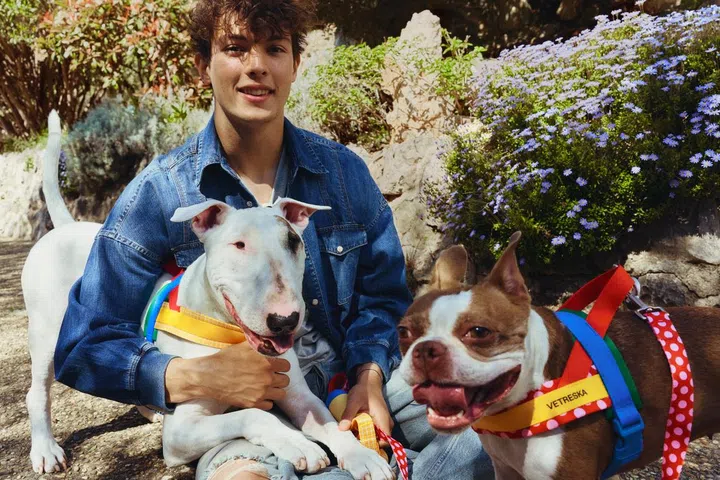
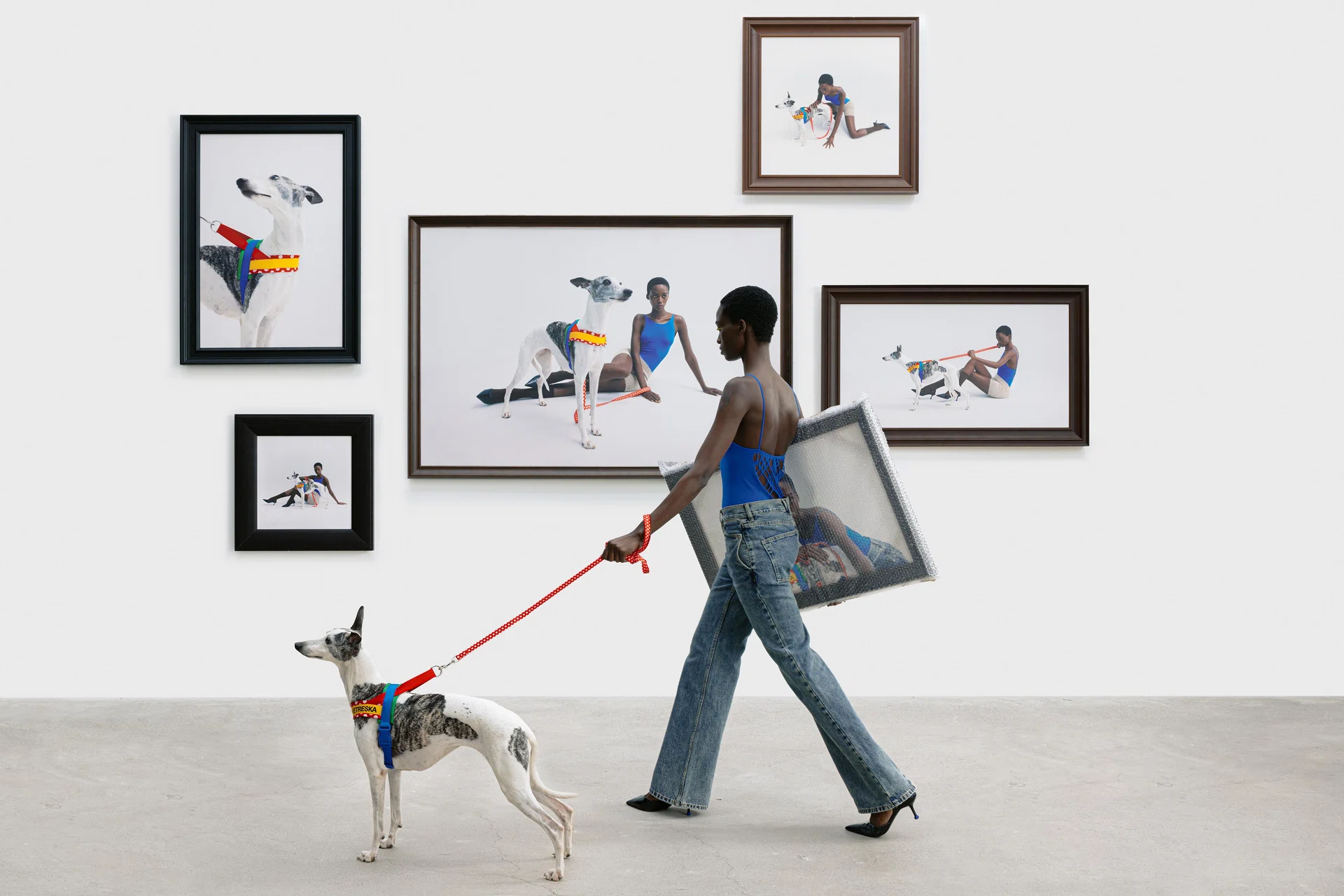
At first glance, the phrasing can sound whimsical, which is part of the point. After all, VETRESKA’s visual language has always been highly legible: bright, playful, theatrical, unapologetically cute. For Li, that aesthetic came from “a refusal to accept that something has to be a certain way because it always has been.” She wanted VETRESKA to carry imagination into a category crowded with similar products.
Still, personal taste only gets a founder so far. As the company grew across markets, Li had to separate aesthetic instinct from operational discipline. “What I love personally may not always suit market and consumer needs, or even from a production point of view,” she concedes. “The challenge is to keep the creative spirit of the brand while making sure it can stay relevant across different cultures.”
For Kng, the more existential lesson came in 2022, when mainland China still contributed about 95 per cent of VETRESKA’s revenue. The safer move would have been to keep concentrating on the market that made the company. Instead, he redirected resources towards international expansion.
“It was not an easy decision,” he recalls. “When a single market contributes that much of your revenue, the rational choice — the safe choice — is to keep compounding what is already working.”
The portfolio test
The decision followed a costly learning curve. In 2021, Kng invested approximately RMB100 million (around S$19.1 million) into accelerating growth in China, even as signs of a slowdown had begun to appear. The first results looked encouraging, but did not endure. “That experience was formative,” he reflects. “It showed me that even a successful market can become a trap if you mistake familiarity for resilience.”
International expansion forced the company to interrogate its own assumptions. “What works in one market does not translate elsewhere,” Kng notes. “Expanding internationally also forced us to question every assumption — about retail environments, about what ‘design-led’ meant in different cultural contexts, about the pace at which trust is built with consumers who had never heard of us.”
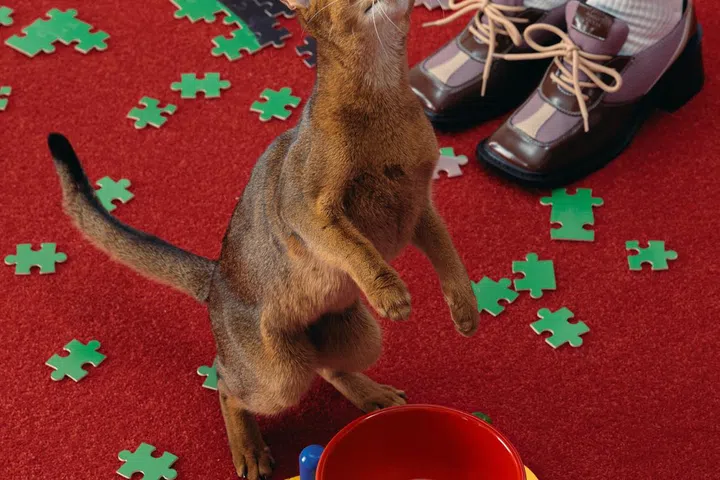
That discipline now informs how VETRESKA expands beyond accessories, still its largest revenue driver. Food, grooming and retail could easily become sprawl. Which is why Kng and Li insist on a sharper test — every new category must deepen the consumer relationship and give people a stronger reason to return.
FUR, its luxury grooming concept in Singapore, sits neatly inside that logic. “It is not a separate business we bolted on — it is an expression of the same emotional philosophy, now applied to a service rather than a product.” So does the brand’s partnership with Formula 1 driver Ollie Bearman, an unlikely pairing until one considers VETRESKA’s desire to move beyond pet retail and into culture.
“The Ollie Bearman partnership was, at its core, a bet on boldness,” Kng offers. “Formula 1 and pet care do not share an obvious Venn diagram. But that is precisely what interests us.” For him, the collaboration signals the company’s next theatre of competition. “The future of pet care will not be won only in pet stores but in the moments and spaces where people’s full lives take shape.”
Beneath the theatrical branding lies a deliberate strategy. While VETRESKA, Gimmo, and FUR all center on the emotional bond between humans and their pets, each approaches it through a unique lens — whether through nutrition, grooming, or lifestyle products. “We are not building a conglomerate. We are building an ecosystem,” the founders maintain.
When whimsy has to scale
The next challenge, then, is endurance. VETRESKA has already proved that a pet brand can look like fashion, speak like lifestyle, and sell into multiple markets without losing its cartoonish irreverence.
The harder task is to make that energy survive scale.
“Design helped us stand out, but longevity comes from building brands, systems and consumer trust that can last across markets and generations,” Kng says. “What will ultimately determine whether we become an enduring house — rather than a successful accessories brand — is whether we can hold two things in tension: the creativity and irreverence that made VETRESKA distinctive in the first place, and the discipline of a global group that manages quality, identity and portfolio coherence across many markets and many brands.”
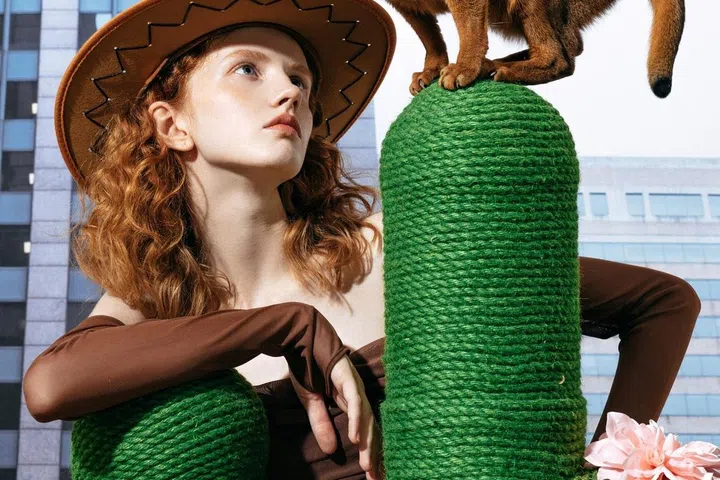
The cactus cat tree may have made VETRESKA instantly recognisable, but recognition is the easier prize. What Kng and Li are trying to build now requires a harder kind of seduction: one where whimsy survives supply chains, where cuteness does not curdle into gimmick, and where the emotional depth of pet ownership becomes the foundation for a serious global business.
For VETRESKA, the fantasy was never an escape from commerce. It was the commercial strategy all along.