%22%3E%0A%3Cpath%20d%3D%22M412%20101.2H393.7C393.1%20101.2%20392.3%20100.9%20391.8%20100.5C377.3%2087.6004%20362.9%2074.6004%20348.4%2061.6004C344.8%2058.4004%20341.3%2055.2004%20337.7%2052.0004C337.1%2051.5004%20336.2%2051.1004%20335.5%2051.0004C334.2%2050.8004%20333%2051.0004%20331.5%2051.0004V101.1H316.7V0.100391H331.4V44.3004C331.9%2044.3004%20332.2%2044.4004%20332.5%2044.4004C334.9%2044.4004%20337.2%2044.5004%20339.6%2044.4004C340.4%2044.4004%20341.3%2044.0004%20341.8%2043.5004C351.6%2034.4004%20361.4%2025.2004%20371.1%2016.0004C376.5%2010.9004%20381.9%205.90039%20387.3%200.800391C387.9%200.200391%20388.5%200.000390626%20389.3%200.000390626H400.9C384.2%2015.8004%20367.8%2031.3004%20351.2%2047.0004C371.5%2065.0004%20391.8%2082.9004%20412.1%20100.9C412.1%20101%20412.1%20101.1%20412%20101.2ZM180.9%20101.2C184.1%2094.9004%20187.2%2088.9004%20190.3%2082.8004C198.3%2067.3004%20206.2%2051.8004%20214.2%2036.2004C220.3%2024.4004%20226.4%2012.5004%20232.4%200.700391C232.7%200.100391%20233%20-0.0996094%20233.7%20-0.0996094H248.1C248.8%20-0.0996094%20249.2%200.100391%20249.6%200.800391C256%2013.3004%20262.4%2025.7004%20268.8%2038.2004C279.3%2058.6004%20289.8%2079.0004%20300.3%2099.5004C300.5%20100%20300.8%20100.4%20301.1%20101.1C300.5%20101.1%20300.1%20101.2%20299.7%20101.2H286.5C285.6%20101.2%20285.1%20100.9%20284.7%20100.2C280.1%2091.3004%20275.4%2082.4004%20270.8%2073.4004C270.1%2072.1004%20269.3%2071.6004%20267.8%2071.6004H209.9C208.7%2071.6004%20208.1%2072.0004%20207.5%2073.1004C202.9%2082.1004%20198.2%2091.0004%20193.6%20100C193.1%20101%20192.6%20101.3%20191.5%20101.3C188.4%20101.2%20185.3%20101.3%20182.3%20101.3C182%20101.2%20181.6%20101.2%20180.9%20101.2ZM239.1%2011.4004C230%2029.2004%20221.1%2046.7004%20212.1%2064.3004H266.4C257.2%2046.7004%20248.2%2029.2004%20239.1%2011.4004ZM0%200.000390626H43.4C51.2%200.000390626%2058.7%201.20039%2065.7%204.80039C75.9%2010.0004%2078.9%2018.0004%2078.6%2027.4004C78.3%2034.3004%2076%2040.5004%2071.2%2045.5004C67.3%2049.6004%2062.4%2052.3004%2057.1%2054.3004C50.6%2056.7004%2043.9%2058.0004%2037.1%2058.6004C30.1%2059.2004%2023.1%2059.4004%2016.2%2059.7004C15.8%2059.7004%2015.3%2059.8004%2014.8%2059.8004V101.1H0.1C0%2067.4004%200%2033.8004%200%200.000390626ZM14.8%207.10039V52.2004C23.7%2052.4004%2032.6%2052.3004%2041.2%2050.1004C44.4%2049.3004%2047.6%2048.2004%2050.6%2046.7004C58.4%2043.0004%2062.3%2036.7004%2062.7%2028.0004C63%2019.9004%2059.5%2014.1004%2052.4%2010.5004C47.6%208.00039%2042.5%207.10039%2037.2%207.10039H14.8ZM95.9%20101.1V0.100391H167.3V7.20039H110.7V44.7004H158.1V51.9004H110.8V93.9004H171.1V101C146.1%20101.1%20121%20101.1%2095.9%20101.1Z%22%20fill%3D%22black%22%2F%3E%0A%3Cpath%20d%3D%22M35.0004%2025.7996H42.5004V20.6996H44.8004V33.1996H42.6004V27.5996H34.9004V33.2996H32.7004V20.7996H35.0004V25.7996ZM54.4004%2025.8996V27.2996H48.9004V31.6996H55.9004C55.9004%2032.1996%2056.0004%2032.5996%2056.0004%2033.0996H46.5004V20.5996H55.5004V21.8996H49.0004V25.7996C50.7004%2025.8996%2052.5004%2025.8996%2054.4004%2025.8996ZM25.9004%2033.0996H23.5004V21.9996H17.9004V20.6996H31.6004V22.0996H27.1004C26.2004%2022.0996%2025.9004%2022.2996%2025.9004%2023.1996C26.0004%2026.0996%2025.9004%2028.9996%2025.9004%2031.7996V33.0996Z%22%20fill%3D%22black%22%2F%3E%0A%3C%2Fg%3E%0A%3Cdefs%3E%0A%3CclipPath%20id%3D%22clip0_388_462%22%3E%0A%3Crect%20width%3D%22411%22%20height%3D%22101.2%22%20fill%3D%22white%22%2F%3E%0A%3C%2FclipPath%3E%0A%3C%2Fdefs%3E%0A%3C%2Fsvg%3E%0A)
Singaporean bookbinder, Yang Shihui, is the last of her kind
One of the few bookbinders left, she is on a mission to educate and spread the therapeutic joys of hand-sewn bookmaking one workshop at a time.
By Lu Yawen /

Share this article
“What is the definition of a book?” asks Yang Shihui, founder of Based Book Arts and one of the few bookbinders in Singapore. A dying art, bookbinding is a craft that’s mostly taken for granted.
Brick-and-mortar bookstores struggle to stay relevant in an age where Kindles and audiobooks are the preferred choice for many — eight independent bookstores in Singapore recently teamed up to open e-commerce platform Bookstore.sg in a bid to draw local readers away from Amazon.
While readers increasingly lean towards digital copies, bookbinders have found their niche in custom rebinding and conservation work. I stumbled upon The Binary Bookbinder on Instagram, run by Emma, who lives in the United States, whose account is filled with elaborate rebindings of fictional novels from J. R. R. Tolkien’s The Lord of the Rings to Suzanne Collins’ The Hunger Games.
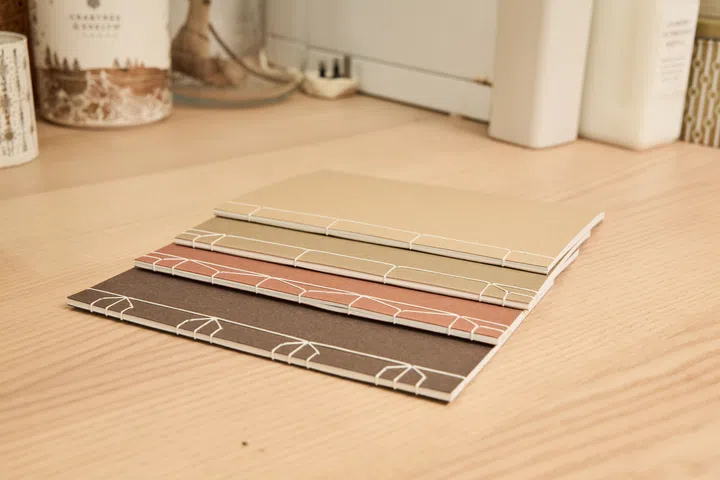
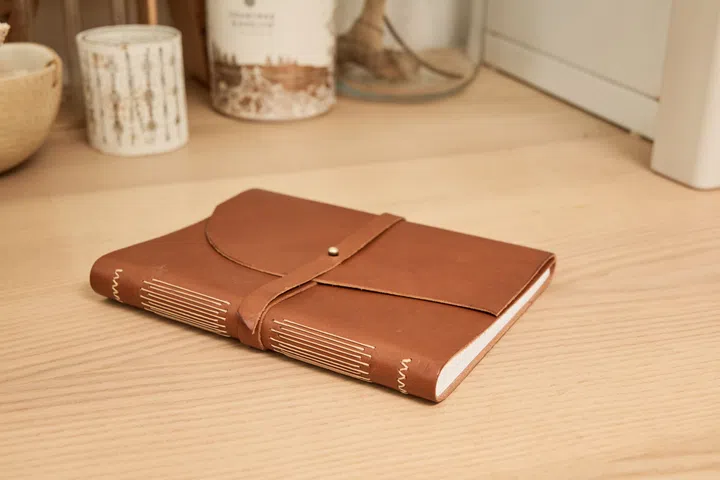
Closer to home, Yang organises workshops at The Bee’s Knees Press, an indie printmaking studio in the old Tiong Bahru estate. She holds two to three workshops per week, each lasting up to three and a half hours, where guests are taught how to make a notebook from scratch using various methods, such as the French Link Stitch or Japanese Stab Binding.
Hands-on approach
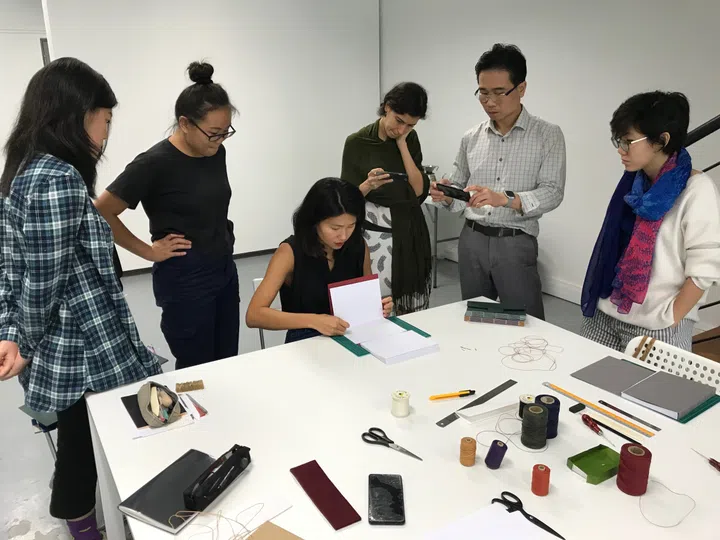
Based Book Arts was born out of a necessity when the then undergraduate in Visual Communications and Photography realised, “You learn how to design and layout, but they don’t teach you how to make it.” For students who wanted novel book designs for their projects, options back then were pretty limited, with basic options of magazine-style or comb binding.
Unfazed, she went directly to the printers in Singapore, hoping to learn from them, but was turned away. “They told me I was too educated to work there,” she adds. Two years later, in 2012, she enrolled at the London College of Communication for a three-year course in Book Arts and Design.
It was an eye-opening experience, as she examined the evolution of the book, from its origins as cave drawings to scrolls and the codex, and had full access to the printmaking and bookbinding facilities available at the college. Unfortunately, her cohort was the last batch of students, as the school discontinued the course due to low intake.
In addition to learning the hard skills required for bookmaking, she learnt to pay attention to “form”; to account for how the book would be consumed or used. “(I) consider how the audience experiences the book,” she explains.
For example, a guidebook intended for tourists would need to be pocket-sized and lightweight enough to carry around for extended periods. Or a book about tea culture in Japan could be bound with the Japanese Stab binding method.
After completing her degree in 2015, she volunteered at the London Centre for Book Arts, an artists-run open-access studio, briefly worked at the now-defunct local publisher Dominie Press and an advertising agency before starting her own studio in 2019.
Later, she took her studio with her when she moved to Canberra, Australia, and continued to offer workshops there. When we speak in May, it has been a month since she moved back.
Thinking out of the box
Six years on, Yang is still deeply involved in her love affair with bookmaking. Crafty with her hands, she muses, “I think the making part is actually what I really like the most, and also sometimes the problem-solving part.” One of her favourite books is the No. 5 Culture Chanel book, designed by Dutch graphic designer Irma Boom, published in 2013.
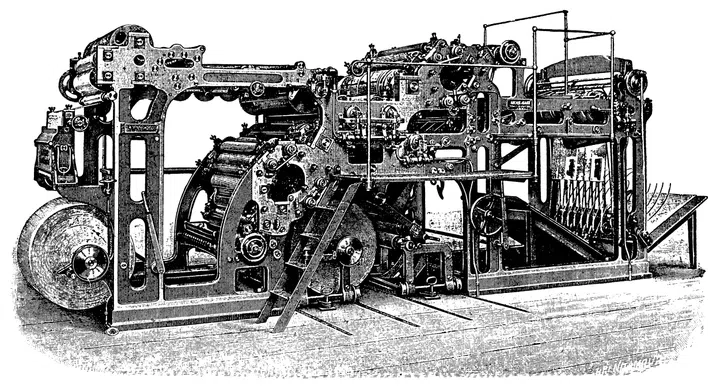
The 5cm-thick codex comprises 300 embossed white pages made with an old letterpress machine, with ink removed, telling the story of the luxury fashion house’s iconic perfume.
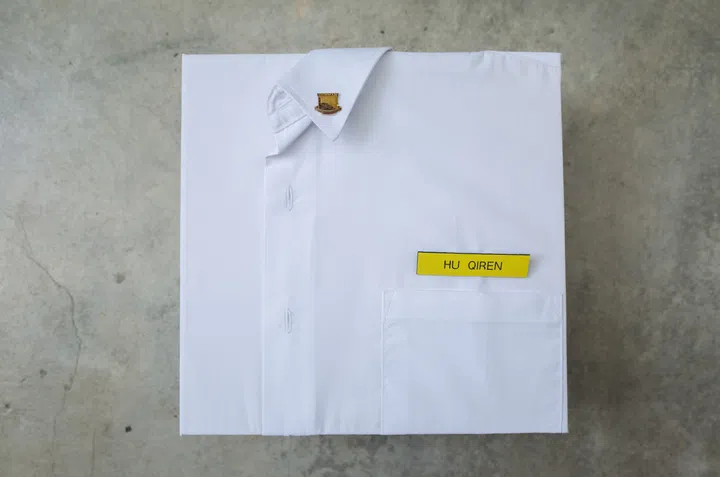
Also taking on commissioned work, she helps artists, designers, and students bring their contemporary and imaginative visions of “books” to life. For example, a hand-bound folder resembling a school uniform shirt with a plastic name tag, titled “Dunman Higher” for artist Hu Qiren, as part of his three-month residency programme at DECK gallery. She made two prototypes before it got approved.
Specialising in a trade in its twilight years means part of the challenge is finding the right tools. Far from the trove of printing equipment available at the college, her search for a cast iron book press in Canberra led her to custom-make one from wood, as shipping costs would’ve been exorbitant.
She’ll have to get innovative to have one made here in Singapore, saying, “Now that I know it can be made a certain way, I can source someone to try that.”
Currently, she’s focused on finding a space for her studio and collaborative work, including creating stationery such as notebooks with illustrators. In May, 10 per cent of profits from her workshops went to the charity organisation Mercy Relief for the Thailand-Myanmar Emergency Relief Fund, aiding communities affected by the March earthquake.
Most importantly, she’ll continue to provide her bookbinding expertise to those who need it, doing her part for the creative industry. She adds, “It would help the Singapore art or design scene to be able to support artists and designers to create works that previously couldn’t be made.”