%22%3E%0A%3Cpath%20d%3D%22M412%20101.2H393.7C393.1%20101.2%20392.3%20100.9%20391.8%20100.5C377.3%2087.6004%20362.9%2074.6004%20348.4%2061.6004C344.8%2058.4004%20341.3%2055.2004%20337.7%2052.0004C337.1%2051.5004%20336.2%2051.1004%20335.5%2051.0004C334.2%2050.8004%20333%2051.0004%20331.5%2051.0004V101.1H316.7V0.100391H331.4V44.3004C331.9%2044.3004%20332.2%2044.4004%20332.5%2044.4004C334.9%2044.4004%20337.2%2044.5004%20339.6%2044.4004C340.4%2044.4004%20341.3%2044.0004%20341.8%2043.5004C351.6%2034.4004%20361.4%2025.2004%20371.1%2016.0004C376.5%2010.9004%20381.9%205.90039%20387.3%200.800391C387.9%200.200391%20388.5%200.000390626%20389.3%200.000390626H400.9C384.2%2015.8004%20367.8%2031.3004%20351.2%2047.0004C371.5%2065.0004%20391.8%2082.9004%20412.1%20100.9C412.1%20101%20412.1%20101.1%20412%20101.2ZM180.9%20101.2C184.1%2094.9004%20187.2%2088.9004%20190.3%2082.8004C198.3%2067.3004%20206.2%2051.8004%20214.2%2036.2004C220.3%2024.4004%20226.4%2012.5004%20232.4%200.700391C232.7%200.100391%20233%20-0.0996094%20233.7%20-0.0996094H248.1C248.8%20-0.0996094%20249.2%200.100391%20249.6%200.800391C256%2013.3004%20262.4%2025.7004%20268.8%2038.2004C279.3%2058.6004%20289.8%2079.0004%20300.3%2099.5004C300.5%20100%20300.8%20100.4%20301.1%20101.1C300.5%20101.1%20300.1%20101.2%20299.7%20101.2H286.5C285.6%20101.2%20285.1%20100.9%20284.7%20100.2C280.1%2091.3004%20275.4%2082.4004%20270.8%2073.4004C270.1%2072.1004%20269.3%2071.6004%20267.8%2071.6004H209.9C208.7%2071.6004%20208.1%2072.0004%20207.5%2073.1004C202.9%2082.1004%20198.2%2091.0004%20193.6%20100C193.1%20101%20192.6%20101.3%20191.5%20101.3C188.4%20101.2%20185.3%20101.3%20182.3%20101.3C182%20101.2%20181.6%20101.2%20180.9%20101.2ZM239.1%2011.4004C230%2029.2004%20221.1%2046.7004%20212.1%2064.3004H266.4C257.2%2046.7004%20248.2%2029.2004%20239.1%2011.4004ZM0%200.000390626H43.4C51.2%200.000390626%2058.7%201.20039%2065.7%204.80039C75.9%2010.0004%2078.9%2018.0004%2078.6%2027.4004C78.3%2034.3004%2076%2040.5004%2071.2%2045.5004C67.3%2049.6004%2062.4%2052.3004%2057.1%2054.3004C50.6%2056.7004%2043.9%2058.0004%2037.1%2058.6004C30.1%2059.2004%2023.1%2059.4004%2016.2%2059.7004C15.8%2059.7004%2015.3%2059.8004%2014.8%2059.8004V101.1H0.1C0%2067.4004%200%2033.8004%200%200.000390626ZM14.8%207.10039V52.2004C23.7%2052.4004%2032.6%2052.3004%2041.2%2050.1004C44.4%2049.3004%2047.6%2048.2004%2050.6%2046.7004C58.4%2043.0004%2062.3%2036.7004%2062.7%2028.0004C63%2019.9004%2059.5%2014.1004%2052.4%2010.5004C47.6%208.00039%2042.5%207.10039%2037.2%207.10039H14.8ZM95.9%20101.1V0.100391H167.3V7.20039H110.7V44.7004H158.1V51.9004H110.8V93.9004H171.1V101C146.1%20101.1%20121%20101.1%2095.9%20101.1Z%22%20fill%3D%22black%22%2F%3E%0A%3Cpath%20d%3D%22M35.0004%2025.7996H42.5004V20.6996H44.8004V33.1996H42.6004V27.5996H34.9004V33.2996H32.7004V20.7996H35.0004V25.7996ZM54.4004%2025.8996V27.2996H48.9004V31.6996H55.9004C55.9004%2032.1996%2056.0004%2032.5996%2056.0004%2033.0996H46.5004V20.5996H55.5004V21.8996H49.0004V25.7996C50.7004%2025.8996%2052.5004%2025.8996%2054.4004%2025.8996ZM25.9004%2033.0996H23.5004V21.9996H17.9004V20.6996H31.6004V22.0996H27.1004C26.2004%2022.0996%2025.9004%2022.2996%2025.9004%2023.1996C26.0004%2026.0996%2025.9004%2028.9996%2025.9004%2031.7996V33.0996Z%22%20fill%3D%22black%22%2F%3E%0A%3C%2Fg%3E%0A%3Cdefs%3E%0A%3CclipPath%20id%3D%22clip0_388_462%22%3E%0A%3Crect%20width%3D%22411%22%20height%3D%22101.2%22%20fill%3D%22white%22%2F%3E%0A%3C%2FclipPath%3E%0A%3C%2Fdefs%3E%0A%3C%2Fsvg%3E%0A)
Share this article
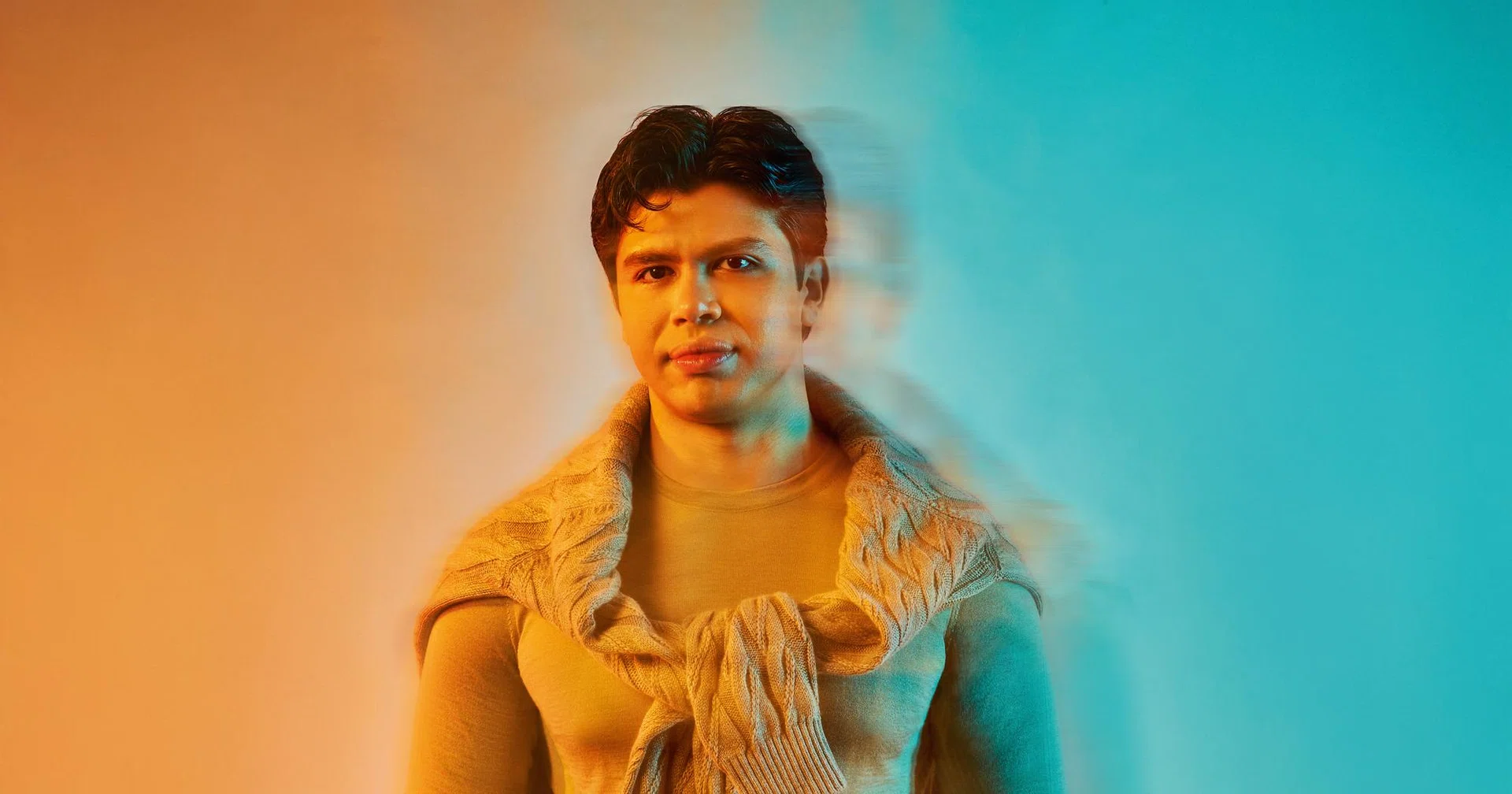
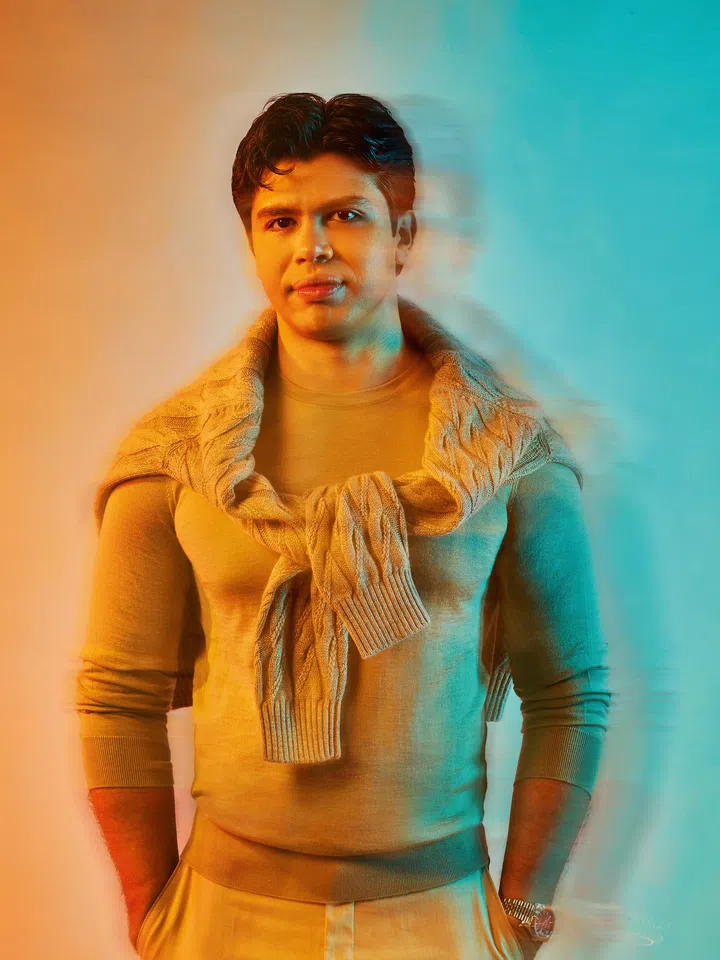
“For most of my career, I was building digital health products while watching a quiet contradiction play out every day,” Agastya Samat, CEO of Zeya Health, posits. The lawyer-turned-healthcare entrepreneur isn’t citing a software bug or a lack of funding.
He’s talking about a design flaw right in the soul of modern medicine.
On one side, he saw clinicians performing heroic work under crushing constraints; on the other, he saw technology systems that promised a digital revolution but felt like a foreign language to the people actually providing care. The tools meant to help were, in reality, disempowering the very people closest to the patients.
In much of the Asia-Pacific, this disconnect is exacerbated by a legacy problem. The region’s healthcare infrastructure was built for an era of acute illness — the sudden fever or the broken limb. But today’s crisis is one of duration: chronic diseases that require continuity, personalisation, and relationships that last for years.
“Without that shift,” Agastya warns, “entire families and generations are left managing conditions the system was never built to handle.”
Agastya built Zeya Health to be the “intelligent infrastructure” that bridges this gap. It isn’t a flashy robot or a replacement for a doctor; it is a system that lives in the “invisible work” of healthcare — the coordination, follow-ups, scheduling logic, and administrative workflows that usually drain a clinic’s soul. By automating these repetitive tasks, Zeya enables a clinic to expand capacity without staff burnout.
Compounding trust
Building this required Agastya to confront a hard truth about human nature: there is no such thing as an “optimal” patient. “Technology is very good at optimising for averages,” he explains. “Healthcare fails precisely because averages don’t exist at the individual level. We had to design AI systems that could adapt not just to each hospital or care team, but to each patient’s behaviour, context, and response over time.”
This meant Zeya Health couldn’t rely on static models. It had to be a system that learns how different “nudges” or timings affect real outcomes for real people. In Agastya’s view, true optimisation in healthcare isn’t just about speed — it’s about respecting human variability.
This philosophy of respect has led to a counterintuitive business strategy: silence. While other AI startups compete for the loudest headlines and the flashiest demos, Zeya Health operates with a deliberate, quiet restraint. The AI doesn’t sit between the doctor and the patient; it sits behind the clinician, serving them.
“We chose not to automate judgment, empathy, or clinical decision-making in a way that displaces the provider,” Agastya says. He admits this restraint has a cost in terms of market hype and “flashy” recognition, but he views it as a necessary investment. “In healthcare, trust compounds over time. Quiet systems that work reliably tend to matter more than loud ones that promise everything.”
This “quietness” is also a direct answer to the most common misunderstanding of his work: the fear that AI is coming for healthcare jobs. Agastya argues that this fear reveals more about our current societal anxiety than the reality of the technology.
“Our goal isn’t to replace care teams; it’s to remove the repetitive, manual work that makes healthcare more expensive, less accessible, and harder to scale,” he says. He likens AI to the spreadsheet — a tool that didn’t replace accountants but enabled them to do more. In the Asia-Pacific region, where the patient-to-doctor ratio is often staggering, “AI, when used properly, doesn’t shrink opportunity, it expands it.”
Assistance without abdication
Still, the integration of such a deep system hasn’t been without its friction. Agastya recalls moments when clinic partners questioned why the system prioritised one booking over another, only to find the AI was following the exact rules the partners had set themselves.
“The system was doing exactly what it was instructed to do, but the outcome didn’t always align with the provider’s intuition in the moment,” he notes. This discomfort, however, is where the real work happens. It forces care teams to look in the mirror and decide what they actually want to optimise for, turning implicit habits into explicit, improved strategies.
As a founder, Agastya draws a hard line between intelligence that assists and intelligence that substitutes. For him, the boundary is responsibility. “Intelligence should assist humans in seeing more clearly and acting more consistently, not absolve them of accountability,” he says.
As he has built Zeya Health, that line has only become sharper. He has learned that the most effective systems don’t make decisions without context; they amplify the intent of the humans holding the stethoscope.
If Zeya Health succeeds, the change won’t be a dramatic technological spectacle. Instead, the patient experience will simply feel more “human” again.
In five years, Agastya envisions a landscape where care across the Asia-Pacific is continuous rather than reactive, and where prevention and trust are not afterthoughts or “nice-to-haves” but are baked into the default workflow of every clinic.