%22%3E%0A%3Cpath%20d%3D%22M412%20101.2H393.7C393.1%20101.2%20392.3%20100.9%20391.8%20100.5C377.3%2087.6004%20362.9%2074.6004%20348.4%2061.6004C344.8%2058.4004%20341.3%2055.2004%20337.7%2052.0004C337.1%2051.5004%20336.2%2051.1004%20335.5%2051.0004C334.2%2050.8004%20333%2051.0004%20331.5%2051.0004V101.1H316.7V0.100391H331.4V44.3004C331.9%2044.3004%20332.2%2044.4004%20332.5%2044.4004C334.9%2044.4004%20337.2%2044.5004%20339.6%2044.4004C340.4%2044.4004%20341.3%2044.0004%20341.8%2043.5004C351.6%2034.4004%20361.4%2025.2004%20371.1%2016.0004C376.5%2010.9004%20381.9%205.90039%20387.3%200.800391C387.9%200.200391%20388.5%200.000390626%20389.3%200.000390626H400.9C384.2%2015.8004%20367.8%2031.3004%20351.2%2047.0004C371.5%2065.0004%20391.8%2082.9004%20412.1%20100.9C412.1%20101%20412.1%20101.1%20412%20101.2ZM180.9%20101.2C184.1%2094.9004%20187.2%2088.9004%20190.3%2082.8004C198.3%2067.3004%20206.2%2051.8004%20214.2%2036.2004C220.3%2024.4004%20226.4%2012.5004%20232.4%200.700391C232.7%200.100391%20233%20-0.0996094%20233.7%20-0.0996094H248.1C248.8%20-0.0996094%20249.2%200.100391%20249.6%200.800391C256%2013.3004%20262.4%2025.7004%20268.8%2038.2004C279.3%2058.6004%20289.8%2079.0004%20300.3%2099.5004C300.5%20100%20300.8%20100.4%20301.1%20101.1C300.5%20101.1%20300.1%20101.2%20299.7%20101.2H286.5C285.6%20101.2%20285.1%20100.9%20284.7%20100.2C280.1%2091.3004%20275.4%2082.4004%20270.8%2073.4004C270.1%2072.1004%20269.3%2071.6004%20267.8%2071.6004H209.9C208.7%2071.6004%20208.1%2072.0004%20207.5%2073.1004C202.9%2082.1004%20198.2%2091.0004%20193.6%20100C193.1%20101%20192.6%20101.3%20191.5%20101.3C188.4%20101.2%20185.3%20101.3%20182.3%20101.3C182%20101.2%20181.6%20101.2%20180.9%20101.2ZM239.1%2011.4004C230%2029.2004%20221.1%2046.7004%20212.1%2064.3004H266.4C257.2%2046.7004%20248.2%2029.2004%20239.1%2011.4004ZM0%200.000390626H43.4C51.2%200.000390626%2058.7%201.20039%2065.7%204.80039C75.9%2010.0004%2078.9%2018.0004%2078.6%2027.4004C78.3%2034.3004%2076%2040.5004%2071.2%2045.5004C67.3%2049.6004%2062.4%2052.3004%2057.1%2054.3004C50.6%2056.7004%2043.9%2058.0004%2037.1%2058.6004C30.1%2059.2004%2023.1%2059.4004%2016.2%2059.7004C15.8%2059.7004%2015.3%2059.8004%2014.8%2059.8004V101.1H0.1C0%2067.4004%200%2033.8004%200%200.000390626ZM14.8%207.10039V52.2004C23.7%2052.4004%2032.6%2052.3004%2041.2%2050.1004C44.4%2049.3004%2047.6%2048.2004%2050.6%2046.7004C58.4%2043.0004%2062.3%2036.7004%2062.7%2028.0004C63%2019.9004%2059.5%2014.1004%2052.4%2010.5004C47.6%208.00039%2042.5%207.10039%2037.2%207.10039H14.8ZM95.9%20101.1V0.100391H167.3V7.20039H110.7V44.7004H158.1V51.9004H110.8V93.9004H171.1V101C146.1%20101.1%20121%20101.1%2095.9%20101.1Z%22%20fill%3D%22black%22%2F%3E%0A%3Cpath%20d%3D%22M35.0004%2025.7996H42.5004V20.6996H44.8004V33.1996H42.6004V27.5996H34.9004V33.2996H32.7004V20.7996H35.0004V25.7996ZM54.4004%2025.8996V27.2996H48.9004V31.6996H55.9004C55.9004%2032.1996%2056.0004%2032.5996%2056.0004%2033.0996H46.5004V20.5996H55.5004V21.8996H49.0004V25.7996C50.7004%2025.8996%2052.5004%2025.8996%2054.4004%2025.8996ZM25.9004%2033.0996H23.5004V21.9996H17.9004V20.6996H31.6004V22.0996H27.1004C26.2004%2022.0996%2025.9004%2022.2996%2025.9004%2023.1996C26.0004%2026.0996%2025.9004%2028.9996%2025.9004%2031.7996V33.0996Z%22%20fill%3D%22black%22%2F%3E%0A%3C%2Fg%3E%0A%3Cdefs%3E%0A%3CclipPath%20id%3D%22clip0_388_462%22%3E%0A%3Crect%20width%3D%22411%22%20height%3D%22101.2%22%20fill%3D%22white%22%2F%3E%0A%3C%2FclipPath%3E%0A%3C%2Fdefs%3E%0A%3C%2Fsvg%3E%0A)
According to this Cushman & Wakefield chief executive, the real estate firm’s true influence on their clients spans three critical areas
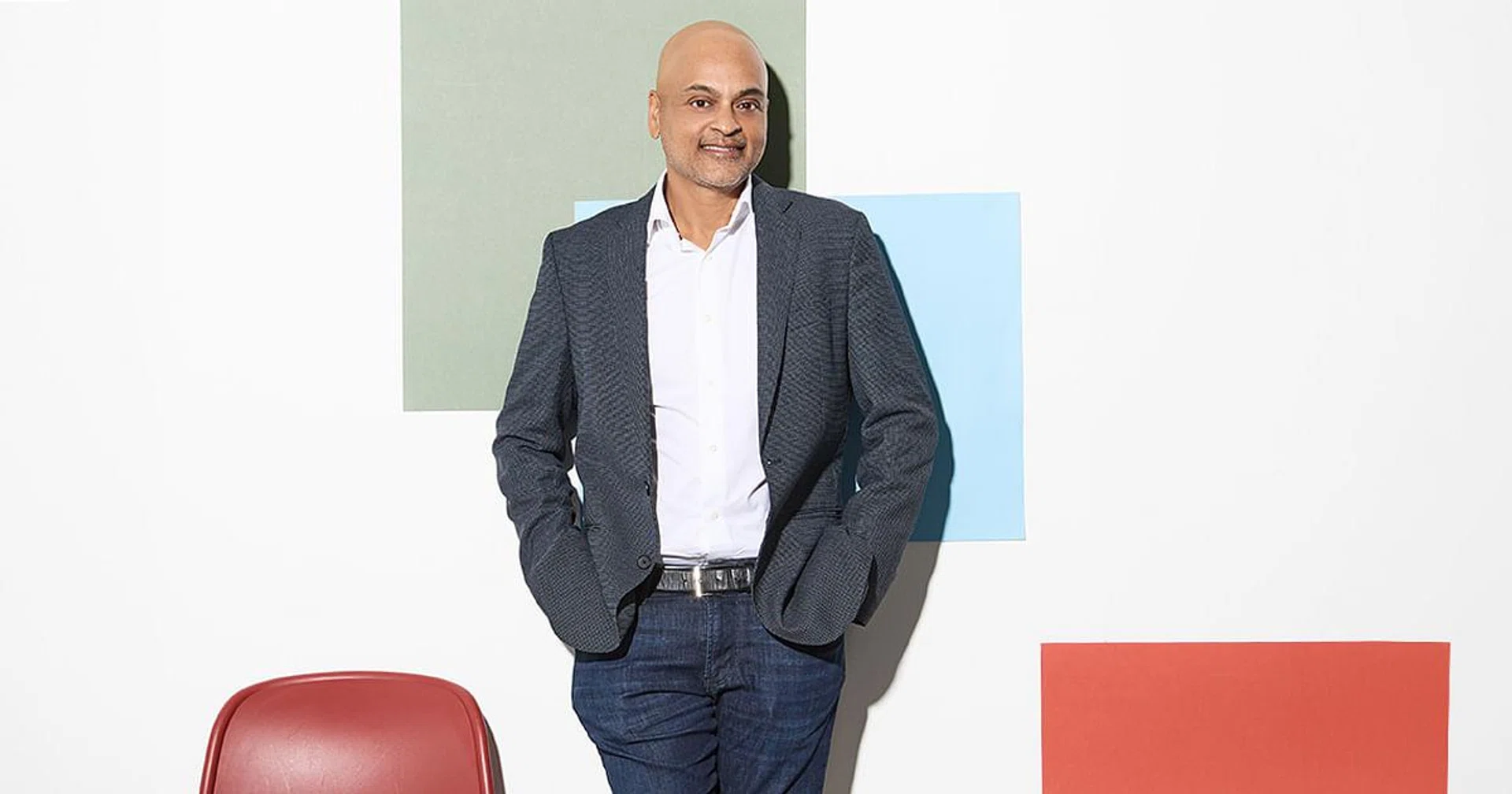
Anshul Jain knows that people often perceive his firm as a facilities management firm without realising its role extends across the entire built environment sector.
By Zat Astha /
Share this article
How would you describe what you do to someone you’re meeting for the first time?
I help craft and execute future-proof real estate strategies for our partners that align with their business and strategic objectives. It is also my job to identify and capitalise on investment opportunities in the commercial real estate market for our clients and partners.
Why is your work essential to the world today?
I am driven by the belief that the built environment is one of the best indicators of economic vibrancy and changing societal dynamics. Working in the space gives me a unique opportunity to impact my environment at a macro and micro level.
We can play a part in fashioning our buildings and cities to be more inclusive and sustainable, and we can do the same for our offices and homes. Real estate is a growing and booming sector with many wealth-creation opportunities that we can help unlock.
What do people most misunderstand about what the work you do aims to achieve?
Many people often perceive our work at Cushman & Wakefield as purely transactional, viewing us as a brokerage or facilities management firm. However, our role extends across the entire built environment sector, where we align closely with firms' strategic objectives at multiple levels. Our influence spans three critical areas: Cost, Carbon, and Culture.
Real estate represents a significant expense for many firms, second only to talent, and is pivotal in managing their carbon footprint. Moreover, the workspaces we design play a vital role in shaping the culture a firm aims to foster.
How have changing market conditions and evolving customer expectations influenced your approach to the work you do?
Today, an office is more than just a place to work; it should foster connectivity, collaboration, and innovation, while also offering spaces that support focused work and promote well-being. This shift emphasises the need to design environments that meet diverse needs, enhancing both the work experience and the overall value of office spaces.
In response to changing market dynamics and consumer needs, Cushman & Wakefield has developed capabilities in emerging real estate asset classes such as industrial and logistics, education, hotels and hospitality, multi-family, data centres, and sports and entertainment. Our approach takes into account all three aspects of life, work, and play.
What would sustainability look like in the industry that you occupy?
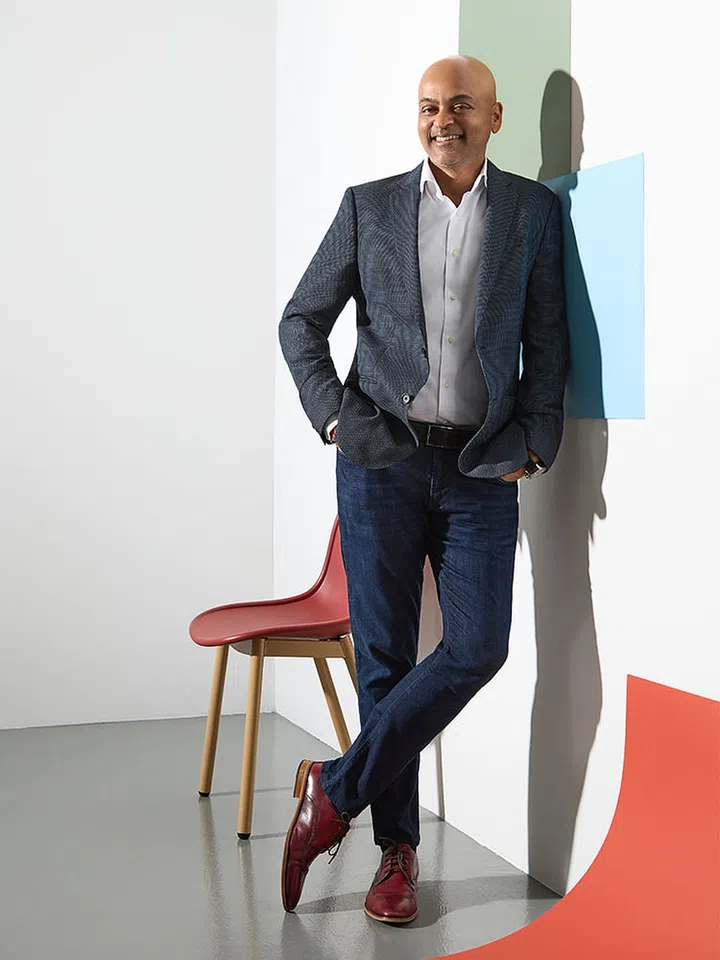
Photo: Clement Goh, Lawrence Teo
In the real estate industry, sustainability means transforming how we design, build, and manage spaces to significantly reduce environmental impact. With the buildings and construction sector accounting for 37 per cent of global greenhouse gas emissions, our industry has a vital role to play.
For Cushman & Wakefield, a sustainable real estate industry prioritises Environmental, Social, and Governance (ESG) goals at every step. This involves optimising traditional metrics like air, light, thermal, and water systems and enhancing broader factors that contribute to a healthier environment, such as space performance, healthy food availability, and well-being amenities.
A key aspect of this vision is improving building sustainability accreditation. We actively help companies identify and occupy buildings that align with their environmental goals. By facilitating data access, implementing submetering, and promoting recycling and composting, we enable our clients to effectively meet their sustainability targets. We also advocate for Green Leases, aligning incentives between landlords and tenants to make sustainability a shared priority.
What three things would make your bigger work goals easier to achieve today?
Firstly, a more favorable macroeconomic environment, including stable interest rates, would provide a solid foundation for achieving our goals. Secondly, the availability of a robust talent pool is crucial. There is stiff competition today to attract and retain top talent in the complex world of real estate.
Finally, strengthening formal education in real estate, such as through universities producing more industry-ready graduates. This would ensure a steady pipeline of skilled professionals prepared to navigate the evolving challenges in our industry.