
Singapore CEOs share their top reads on leadership and growth
See the inspirational books that topped the reading lists of Lee Hao Ming, CEO of Louken, and Karina Cady, CEO of Nandina REM.
By Meryl Koh /
Share this article
Great leaders are often great readers. Behind every bold decision, resilient team, and well-timed pivot is usually a body of ideas that shaped the thinking behind it.
In this roundup, we spoke to two Singapore-based CEOs and got them to share the books that have most influenced how they lead, learn, and grow.
Lee Haoming, CEO of Louken Group

For Lee Haoming, CEO of management consultancy firm Louken Group, reading has shaped his development as a leader.
While there have been a few books that have stayed with him at different stages of his career, Lee narrows it down to these three for his top picks: “They reflect three things I’ve come to value quite deeply in leadership: having the courage to navigate difficult situations, being willing to rethink what you believe, and finding meaning in what you do.”
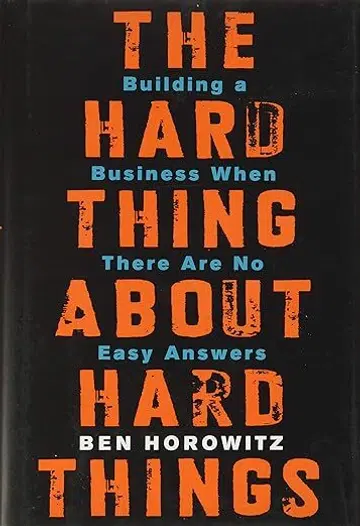
The Hard Thing About Hard Things, by Ben Horowitz
“I like this book because it doesn’t romanticise entrepreneurship or leadership. A lot of books tell you what good leadership looks like when things are going well. This one talks about the moments when there is no obvious right answer, every option has consequences, and you still have to make the call,” says Lee.
What did this book teach you about leadership?
Leadership isn’t about always knowing the answer. Sometimes it’s about making difficult decisions with incomplete information. And when things get hard, the responsibility ultimately stops with you.
How has it inspired you in life and at work?
Over the years, some of my biggest lessons haven’t come from the successes, but from the difficult periods such as businesses that didn’t go according to plan, people decisions I’ve struggled with, or moments where we’ve had to reinvent ourselves.
It taught me that judgment isn’t something you can fully learn from a textbook. A lot of it is built through experience, mistakes and occasionally a few scars along the way. Those difficult periods have probably shaped the way I lead today more than the easy ones.
Favourite quote:
“There are no shortcuts to knowledge, especially knowledge gained from personal experience.”
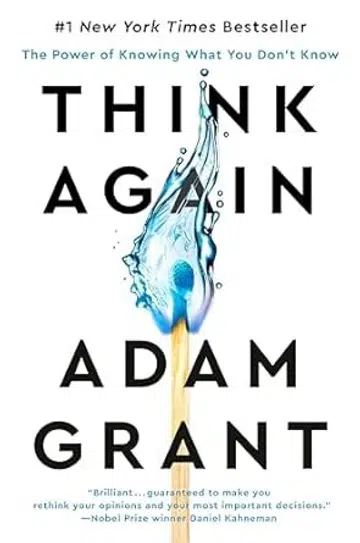
Think Again, by Adam Grant
“One of the biggest risks that comes with experience is that we can become too attached to what has worked for us before,” shares Lee. “I like Think Again because it challenges us to hold our convictions strongly enough to act on them, but loosely enough to change our minds when the evidence changes.”
What did this book teach you about leadership?
Good leaders need conviction, but they also need intellectual humility. Being willing to change your mind isn’t a sign of weakness; sometimes it’s a sign that you’ve learnt something.
The ability to unlearn can be just as important as the ability to learn.
How has it inspired you in life and at work?
This is something I’ve become much more conscious of as I’ve gotten older. Experience can be incredibly valuable, but it can also become baggage if we start mistaking familiarity for truth.
Whether I’m looking at a new venture, working with a business undergoing transformation, investing, or mentoring someone younger, I ask myself: What am I assuming is true here? And what would make me change my mind?
I don’t always get it right, of course. But I’ve learnt that leadership isn’t about defending every decision you’ve made. Sometimes the better decision is to acknowledge that the circumstances have changed and rethink.
Favourite quote:
“The purpose of learning isn’t to affirm our beliefs; it’s to evolve our beliefs.”
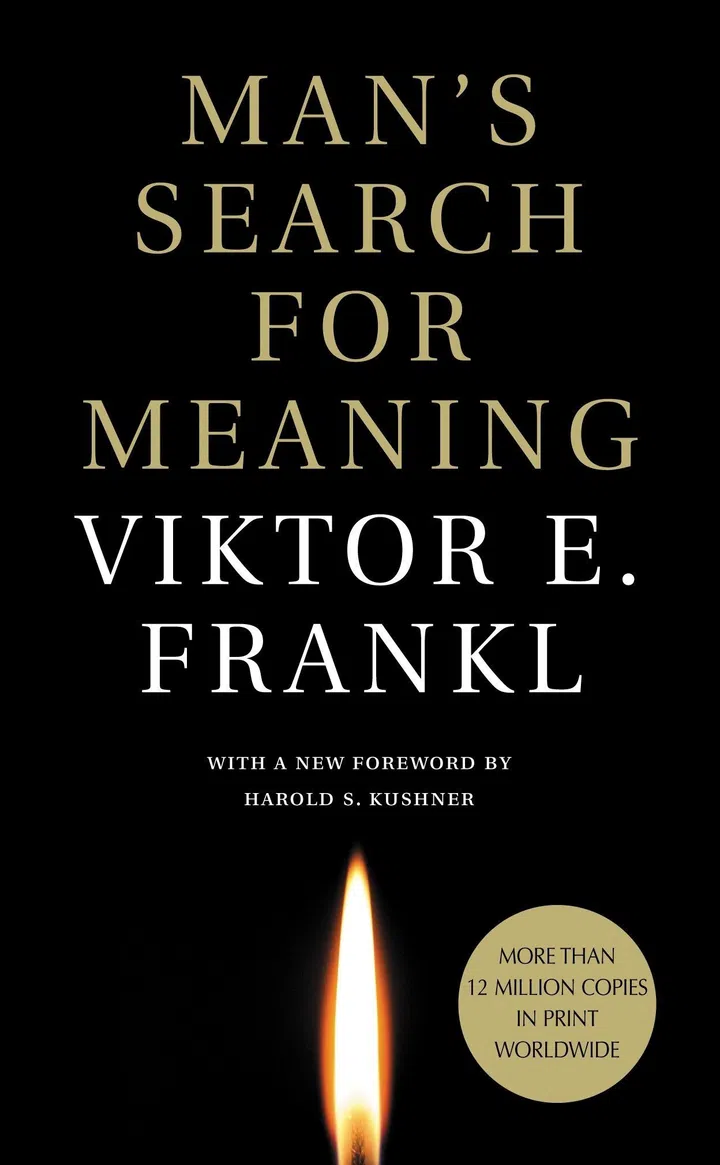
Man’s Search for Meaning, by Viktor E. Frankl
“This isn’t a traditional business or leadership book, which is probably why I think it’s such an important one. At its heart, it’s about meaning, perspective, and our ability to choose how we respond even when circumstances themselves aren’t within our control,” says Lee.
What did this book teach you about leadership?
We cannot control every circumstance, but we can choose how we respond. Resilience isn’t pretending that things aren’t difficult; it’s deciding what you do next.
And having a sense of purpose gives us something to anchor ourselves to during uncertainty.
How has it inspired you in life and at work?
As I’ve gotten older, I’ve become more conscious that success can’t be measured only by what you build, earn or achieve. I think much more now about whether what I’m doing has meaning, whether I’m growing as a person, and whether what I build creates value for people beyond myself.
It has influenced the way I think about mentorship, too. Sometimes our role as leaders or mentors isn’t to give someone the answer. It’s to help them see that even when the road ahead isn’t obvious, they still have agency, choices, and possibilities.
That perspective has become increasingly important to me both in business and in life.
Favourite quote:
“When we are no longer able to change a situation, we are challenged to change ourselves.”
Karina Cady, CEO of Nandina REM

For Karina Cady, CEO of advanced-materials and remanufacturing company Nandina REM, her top three books are titles she draws inspiration from when facing business challenges and shaping her beliefs about humility.
Long Walk to Freedom, by Nelson Mandela
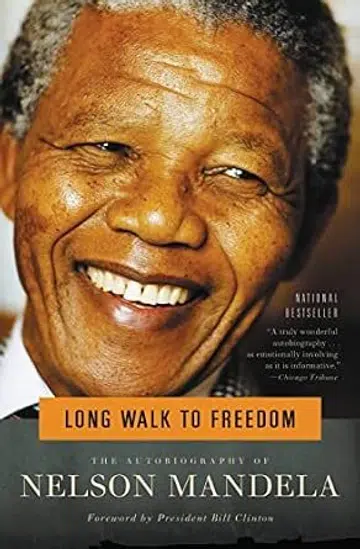
What did this book teach you about leadership?
Once you read this book, it is impossible to feel that whatever challenge you are dealing with in your life or business is insurmountable. The book teaches that true courage is not the absence of fear, but the conscious decision to overcome it. Empathy is not about sentimentality; this is a pragmatic basis for systemic change.
How has it inspired you in life and at work?
The most powerful inspiration is the reminder that Nelson Mandela was a human, like you or I. Confinement or hardship cannot constrain our individual internal agency, principle or sense of purpose, even within a system designed to break the soul of a human being.
As leaders, our inner agency comes with external platforms for power and change — when we stay silent in the face of harm and problems around us, we fail in our duty.
Favourite quote:
“The brave man is not he who does not feel afraid, but he who conquers that fear.”
Letter to My Daughter, by Maya Angelou
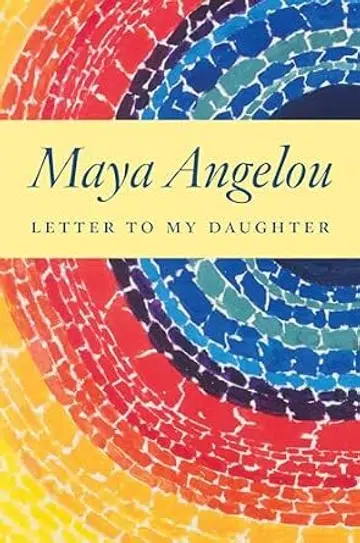
What did this book teach you about leadership?
This is a deeply personal collection of essays addressed to her “thousands of daughters” she gained across humanity through her life and work. It is full of powerful reminders that behind every metric, title, and employee is a complex human experience that requires dignity, active listening, and respect.
The book reminds me that true authority does not come from hierarchy or title, but from self-awareness and radical honesty. Leadership is an act of service grounded in humility and accountability — taking ownership of both victories and failures, dropping excuses and complaints.
How has it inspired you in life and at work?
It has inspired me to create psychological safety in my own company’s culture and, previously, within my team in corporate. Nobody is perfect, and everyone’s definition of being perfect or a great leader is different. We cannot transform mindsets without accepting our own imperfections, and that requires self-awareness.
Favourite quote:
I have multiple quotes from this printed out that I travel with. One that applies as strongly to how I show up as a leader and how I grow my business as it does in my personal life: “You may not control all the events that happen to you, but you can decide not to be reduced by them”.
Another great one is “Make every effort to change things you do not like. If you cannot make a change, change the way you think. You might find a new solution.”
Le Petit Prince, by Antoine de Saint-Exupéry
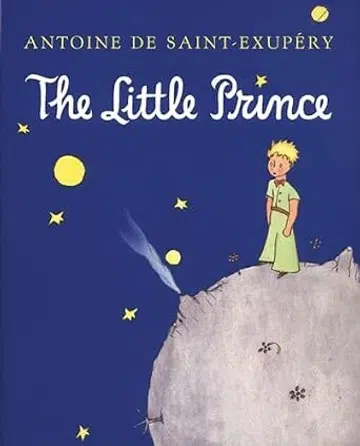
What did this book teach you about leadership?
I know this is a children’s book, but it is also a sharp critique of bureaucratic absurdity.
This book exposes the trap of vanity and empty metrics, warning against ego-driven management and the pursuit of control without delivering real value. It feels more relevant than ever. Its core philosophy is that core truth isn’t visible on a balance sheet, but trust, purpose, and culture drive long-term output.
How has it inspired you in life and at work?
It reminds us as adults to be curious. We must allow ourselves to indulge in our imagination and focus on genuine human connection amidst the routine (and the dehumanisation of the AI era).
The author paid the ultimate sacrifice in defending these freedoms and privileges. I used to think of the book’s message as a warning about prestige at the expense of meaning, but now it reminds me we remain forever responsible for the culture and people we cultivate.
Favourite quote:
“You become responsible, forever, for what you have tamed.”