
Does Singapore need a superhero? This young comic artist is betting his business on it
Despite the commercial challenges of Singapore’s comics market, Chiral Comics founder Kang Jing is unequivocal about investing in original superhero IP.
By Zat Astha /
Share this article
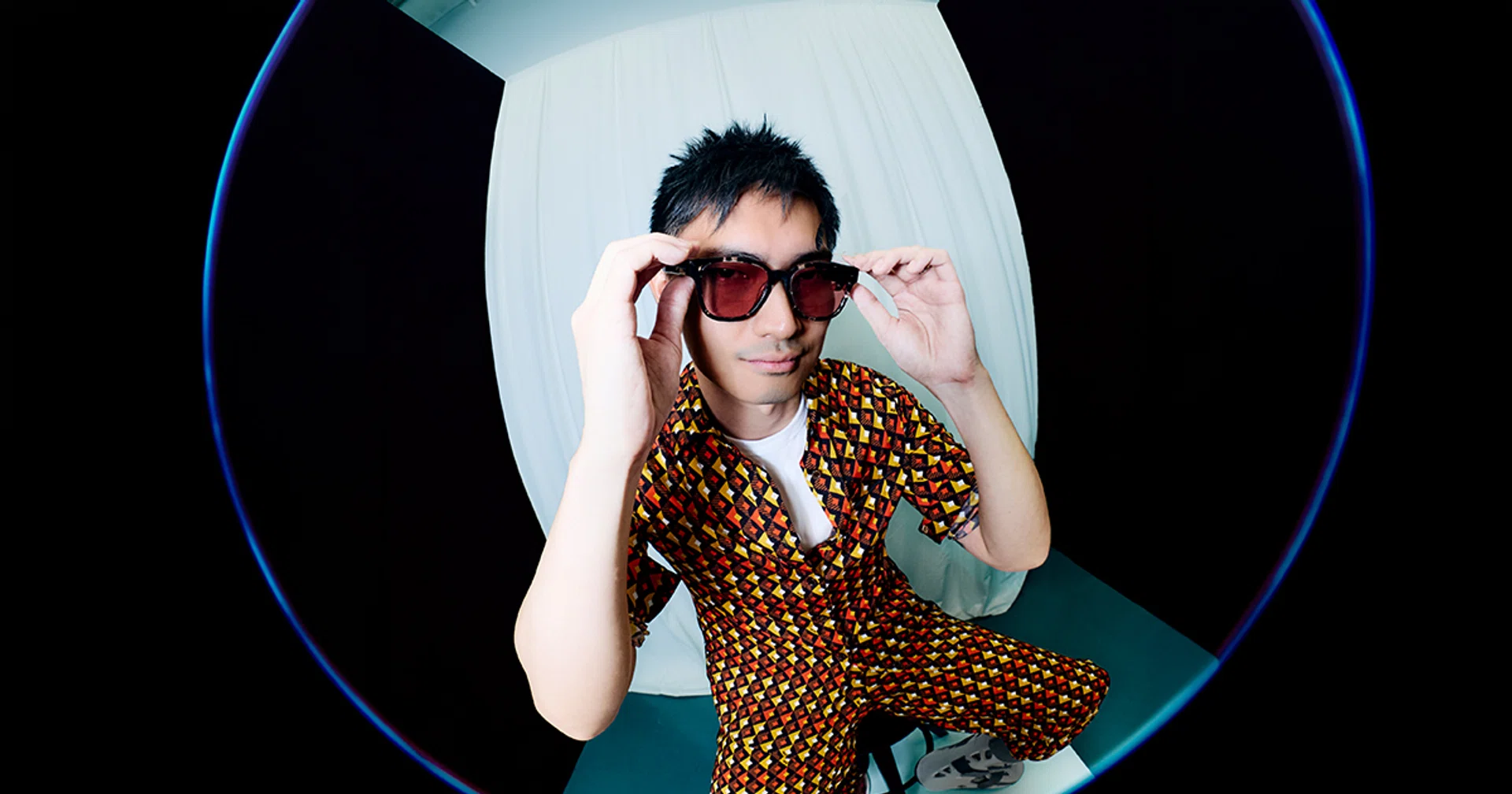
Kang Jing, the Singapore comic artist behind Chiral Comics, is developing and self-publishing Lionborne, an original superhero comic series set in Singapore. His ambition is to build a homegrown intellectual property franchise that can reach international audiences, although the undertaking has already attracted a rather peculiar objection: why would one of the world’s safest countries need a superhero?
“While superhero is the overarching genre, the underlying themes of courage, friendship, and identity are what’s going to connect people,” he explains, defending a project that requires significant financial investment without any assurance of commercial success.
Kang Jing has already experienced the consequences of such uncertainty. Two earlier attempts at developing original comic intellectual properties failed. He has nevertheless chosen to finance Lionborne independently, diverting business funds towards a project whose returns remain hypothetical.
There are easier ways to make a living drawing comics. He knows because he already has one.
A world beyond Singapore
Growing up, Kang Jing encountered some of his earliest impressions of foreign cultures through Shin Chan, Doraemon, Marvel, and DC comics. The characters fascinated him, but so did the places they inhabited.
Watching Spider-Man swing across New York, or encountering Japanese festivities through manga, introduced him to cities and cultural traditions he had yet to experience himself.
“That, to me, is a huge beauty of comics and the impact it can have,” he recalls. “So it bumps me a little because there isn’t much Singapore representation in comics, and in fact, there is barely a comic industry within Singapore.”
He wants to reverse that experience. If a Singaporean child can develop an affection for New York through Spider-Man, why couldn’t somebody in another country discover Singapore through a locally conceived superhero?
The difficulty, Kang Jing argues, is not an absence of artistic ability. Singapore lacks the opportunities, publishing infrastructure, and commercial ecosystem necessary to sustain a substantial domestic comics industry.
The prevailing explanation is depressingly familiar: the market is too small, readership is limited, and the economics of original comics rarely appear encouraging.
Kang Jing acknowledges the argument but questions its circular logic. “If I don’t put my comic out first, then how would potential customers get to know about it and support it?”
He has consequently refused to regard Singapore’s population as the natural boundary of his audience. Through social media, online communities, and international conventions, Chiral Comics has cultivated readers beyond the country. The United States, he says, is now its largest international market outside Singapore.
The privilege of originality
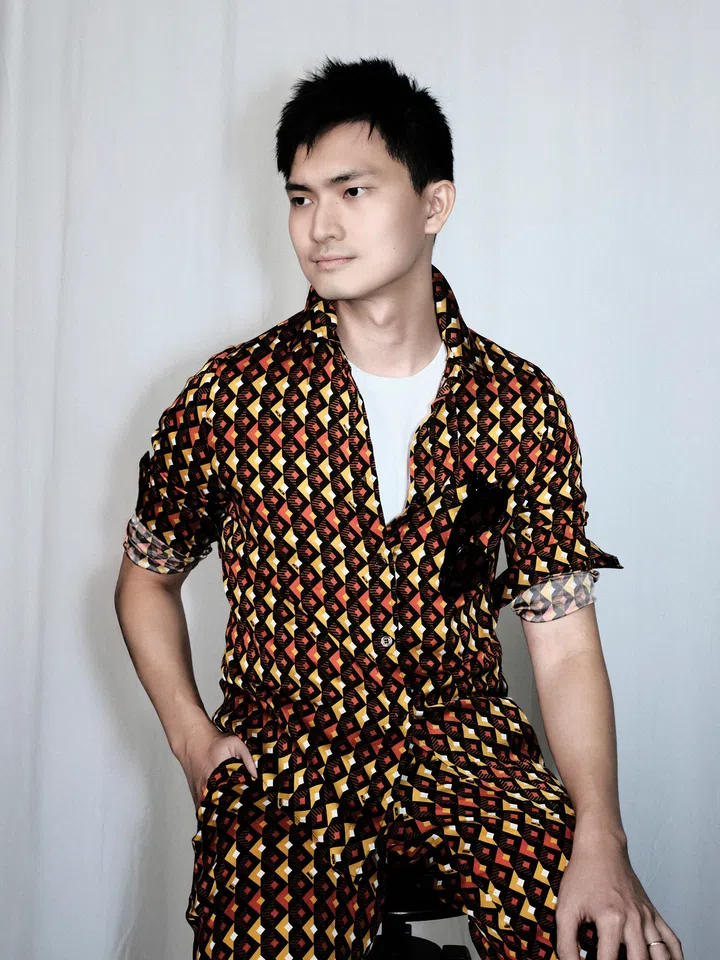
The commercial challenge of building an independent comic studio is especially pronounced when creating original intellectual property. While Chiral Comics generates a significant portion of its revenue by working on established franchises, these projects consume the very time and resources Kang Jing needs for his own creations.
“Financially, it makes sense to prioritise commercial work over an original IP that may or may not see any future returns,” he acknowledges. Yet, he views original stories as essential to the studio’s long-term identity. Without them, Chiral risks remaining permanently dependent on other people’s universes.
This conviction drove his decision to self-publish Lionborne. Rather than seeking backing from a larger publisher — which could compromise his creative control or stall the project — Kang Jing is funding the production and marketing himself, fully accepting that the investment may never pay off.
It is a calculated gamble, informed by a harsh but practical education in the costs of originality. “I started out seven years ago, working through two original comic IPs that failed,” he recalls. But rather than discouraging him, those setbacks have equipped him to approach his latest launch with clear-eyed realism.
For young comic creators, credibility is built entirely on published work, a portfolio that demands massive investments of time, money, and persistence long before an audience ever materialises. Ultimately, navigating that void is the heaviest burden of all.
Drawing the line
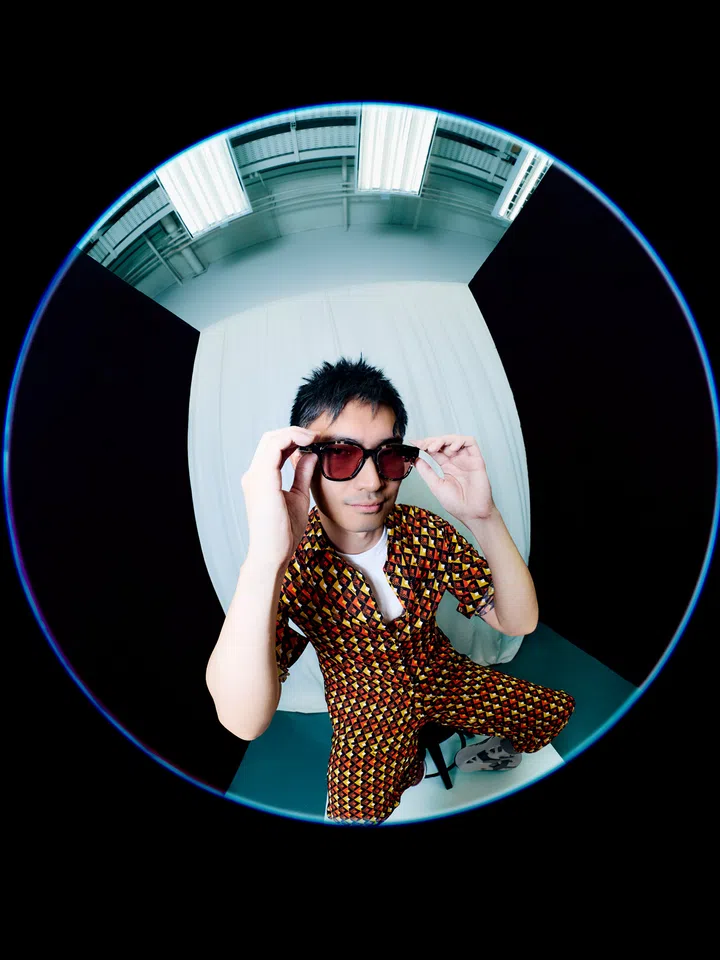
Kang Jing is equally uncompromising about how his comics come into existence.
Despite the increasing sophistication of generative artificial intelligence, he still illustrates every page through traditional hand-drawn processes. His collaborators contribute specialised skills in scriptwriting, colouring, and lettering.
“With the rise of AI, and how easy it is to now ‘create art’ with prompts within minutes or seconds, we have seen its impact on many creative industries,” he observes.
His position, however, is unequivocal.
“It is something that I will not adopt in comics creation,” he says, because “art is ultimately an expression and manifestation of human creativity and imagination, and if we take the human out of the equation, it will lose all its meaning.”
This imposes an obvious constraint on growth. Original comics take time to produce, and speeding up that process with additional artists requires money a young business might prefer to spend elsewhere.
Kang Jing accepts those limitations. Maintaining the human-made character of the work, he insists, is “non-negotiable”.
A universe of his own
Kang Jing’s ambitions for Lionborne extend far beyond a single successful comic series. He envisions an entire fictional universe — one capable of sustaining expanding narratives and providing steady work for other artists who want to draw without the burden of inventing their own stories.
Ultimately, he hopes this intellectual property can help anchor a stronger local ecosystem for publishing and distribution, allowing future Singaporean creators to thrive without building their infrastructure from scratch.
This grand vision, however, hinges on a proposition many still question: whether a homegrown superhero can attract an audience large enough to justify the investment.
Kang Jing finds his encouragement in the international independent comic scene, which has continually proven that legacy franchises no longer monopolise readers’ imaginations. He believes Singaporean stories can compete in that wider marketplace entirely on their own terms.
Growing up, international comic heroes introduced him to distant cities long before he ever travelled to them. He hopes a character conceived in Singapore might one day perform that exact same magic for a reader somewhere else.
While Lionborne has yet to prove its long-term commercial viability, Kang Jing is already all in. For an artist who grew up watching other people’s superheroes command the world’s attention, perhaps the most audacious creative risk of all is simply believing that Singapore deserves a universe of its own.
Art direction: Fazlie Hashim
Photographer: Athirah Annissa
Stylist: Dolphin Yeo
Grooming: Angel Gwee, using Chanel beauty and Goldwell
For more stories on Strictly Zillennial, visit here.