%22%3E%0A%3Cpath%20d%3D%22M412%20101.2H393.7C393.1%20101.2%20392.3%20100.9%20391.8%20100.5C377.3%2087.6004%20362.9%2074.6004%20348.4%2061.6004C344.8%2058.4004%20341.3%2055.2004%20337.7%2052.0004C337.1%2051.5004%20336.2%2051.1004%20335.5%2051.0004C334.2%2050.8004%20333%2051.0004%20331.5%2051.0004V101.1H316.7V0.100391H331.4V44.3004C331.9%2044.3004%20332.2%2044.4004%20332.5%2044.4004C334.9%2044.4004%20337.2%2044.5004%20339.6%2044.4004C340.4%2044.4004%20341.3%2044.0004%20341.8%2043.5004C351.6%2034.4004%20361.4%2025.2004%20371.1%2016.0004C376.5%2010.9004%20381.9%205.90039%20387.3%200.800391C387.9%200.200391%20388.5%200.000390626%20389.3%200.000390626H400.9C384.2%2015.8004%20367.8%2031.3004%20351.2%2047.0004C371.5%2065.0004%20391.8%2082.9004%20412.1%20100.9C412.1%20101%20412.1%20101.1%20412%20101.2ZM180.9%20101.2C184.1%2094.9004%20187.2%2088.9004%20190.3%2082.8004C198.3%2067.3004%20206.2%2051.8004%20214.2%2036.2004C220.3%2024.4004%20226.4%2012.5004%20232.4%200.700391C232.7%200.100391%20233%20-0.0996094%20233.7%20-0.0996094H248.1C248.8%20-0.0996094%20249.2%200.100391%20249.6%200.800391C256%2013.3004%20262.4%2025.7004%20268.8%2038.2004C279.3%2058.6004%20289.8%2079.0004%20300.3%2099.5004C300.5%20100%20300.8%20100.4%20301.1%20101.1C300.5%20101.1%20300.1%20101.2%20299.7%20101.2H286.5C285.6%20101.2%20285.1%20100.9%20284.7%20100.2C280.1%2091.3004%20275.4%2082.4004%20270.8%2073.4004C270.1%2072.1004%20269.3%2071.6004%20267.8%2071.6004H209.9C208.7%2071.6004%20208.1%2072.0004%20207.5%2073.1004C202.9%2082.1004%20198.2%2091.0004%20193.6%20100C193.1%20101%20192.6%20101.3%20191.5%20101.3C188.4%20101.2%20185.3%20101.3%20182.3%20101.3C182%20101.2%20181.6%20101.2%20180.9%20101.2ZM239.1%2011.4004C230%2029.2004%20221.1%2046.7004%20212.1%2064.3004H266.4C257.2%2046.7004%20248.2%2029.2004%20239.1%2011.4004ZM0%200.000390626H43.4C51.2%200.000390626%2058.7%201.20039%2065.7%204.80039C75.9%2010.0004%2078.9%2018.0004%2078.6%2027.4004C78.3%2034.3004%2076%2040.5004%2071.2%2045.5004C67.3%2049.6004%2062.4%2052.3004%2057.1%2054.3004C50.6%2056.7004%2043.9%2058.0004%2037.1%2058.6004C30.1%2059.2004%2023.1%2059.4004%2016.2%2059.7004C15.8%2059.7004%2015.3%2059.8004%2014.8%2059.8004V101.1H0.1C0%2067.4004%200%2033.8004%200%200.000390626ZM14.8%207.10039V52.2004C23.7%2052.4004%2032.6%2052.3004%2041.2%2050.1004C44.4%2049.3004%2047.6%2048.2004%2050.6%2046.7004C58.4%2043.0004%2062.3%2036.7004%2062.7%2028.0004C63%2019.9004%2059.5%2014.1004%2052.4%2010.5004C47.6%208.00039%2042.5%207.10039%2037.2%207.10039H14.8ZM95.9%20101.1V0.100391H167.3V7.20039H110.7V44.7004H158.1V51.9004H110.8V93.9004H171.1V101C146.1%20101.1%20121%20101.1%2095.9%20101.1Z%22%20fill%3D%22black%22%2F%3E%0A%3Cpath%20d%3D%22M35.0004%2025.7996H42.5004V20.6996H44.8004V33.1996H42.6004V27.5996H34.9004V33.2996H32.7004V20.7996H35.0004V25.7996ZM54.4004%2025.8996V27.2996H48.9004V31.6996H55.9004C55.9004%2032.1996%2056.0004%2032.5996%2056.0004%2033.0996H46.5004V20.5996H55.5004V21.8996H49.0004V25.7996C50.7004%2025.8996%2052.5004%2025.8996%2054.4004%2025.8996ZM25.9004%2033.0996H23.5004V21.9996H17.9004V20.6996H31.6004V22.0996H27.1004C26.2004%2022.0996%2025.9004%2022.2996%2025.9004%2023.1996C26.0004%2026.0996%2025.9004%2028.9996%2025.9004%2031.7996V33.0996Z%22%20fill%3D%22black%22%2F%3E%0A%3C%2Fg%3E%0A%3Cdefs%3E%0A%3CclipPath%20id%3D%22clip0_388_462%22%3E%0A%3Crect%20width%3D%22411%22%20height%3D%22101.2%22%20fill%3D%22white%22%2F%3E%0A%3C%2FclipPath%3E%0A%3C%2Fdefs%3E%0A%3C%2Fsvg%3E%0A)
Entrepreneurship experts share the secrets to a successful start-up
Start-up founders are made of stiff stuff. To create a high-performing start-up that inspires with something new, you need more than just a crazy dream, grit, and psychological capital.
By Rachel Genevieve Chia & Jodie Wong /
“I find it hard to talk about what I do. Some people would find it crazy,” says one entrepreneur. Another adds, “I psych myself up when I run. That’s how I deal with things.”
Theirs and 150 other anonymous responses were captured in a survey on Singapore startup founders last year, which found that two in three founders have poor mental health, three out of four are easily irritated, and seven out of 10 have difficulty maintaining close relationships as a result of running a start-up.
Even so, the siren song of the start-up life has charmed thousands, with the republic’s start-up count quadrupling from some 1,000 players in 2014 to over 4,000 in 2020, according to PwC.
What kind of person would give up the secure embrace of a corporate role to strike it out scrappily in today’s prestige-driven nation?
According to Vikram Bharati, founder of Draper Startup House, “They see millions of people using their products. They may be at step one, with 100 customers, but they can inspire you with the thought that one day, there’s gonna be 100 million users, and the steps they’re going to take to get there.”
When starting a business, superstar founders also have a much broader perspective than the average Joe, he adds. “They can sell you the big vision, an idea that convinces and inspires, a big dream of something new. The difference between a normal person and a start-up founder is that the founder can take a new concept and sell that idea to people — whether employees, partners, investors, or customers — even if that idea is not well understood.”
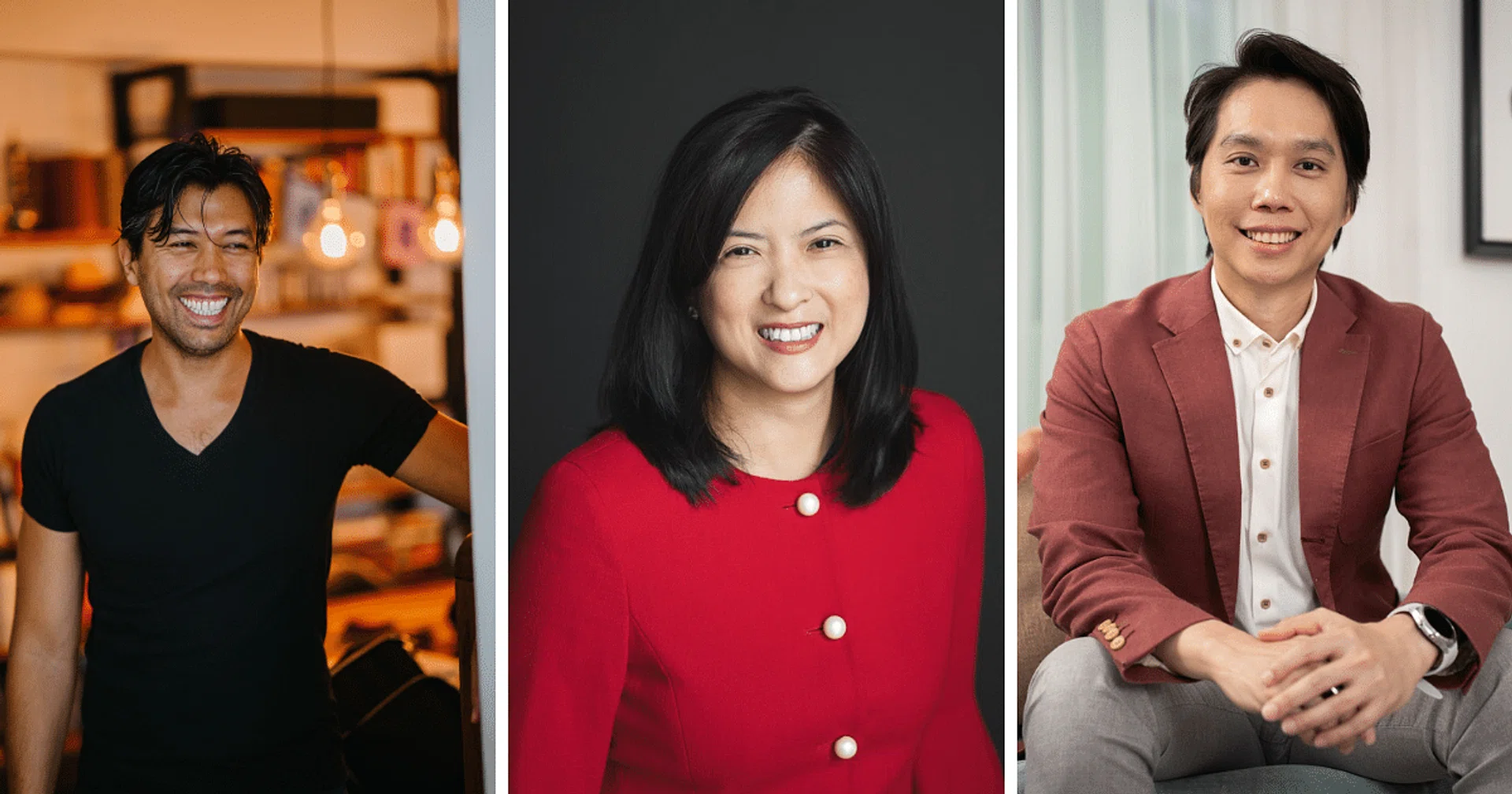
Franci Yeoh
According to Francis Yeoh, a Professorial Fellow for entrepreneurship at the National University of Singapore’s School of Computing, founders possess traits such as discernment, drive, confidence, and resourcefulness.
Start-ups fail more often than succeed, so founders often find themselves in unfamiliar situations — often existential threats — from which they must find a way out, he says.
“They pivot frequently from their original plans. Once they gain traction, they need to scale quickly. It is the entrepreneur’s natural curiosity that helps him sniff out opportunities that may not be obvious to others.”
Do traits like these come from birth or are they made? “It’s a bit of both,” Yeoh says. “Entrepreneurial traits can be honed through continuing involvement in ventures. This is why serial entrepreneurs have a far better chance of securing funding from venture capitalists than first-timers.”
Superstar founders can sell you the big vision, an idea that convinces and inspires, a big dream of something new.
Stephen Lew
As start-ups become the business du jour of the new economic era, founder worship has soared — and Stephen Lew has the perfect phrase for it: the halo effect.
“There’s a lot of cognitive bias,” says the psychotherapist, who is also the founder of The School of Positive Psychology. “People think a particular founder may be almost god-like because they’re so mesmerised by their charisma.”
Since founders need to sway the masses, being worshipped is helpful. According to Lew, extraordinary individuals in the start-up world who display high levels of grit — a trait similar to perseverance that’s big in entrepreneurship — have developed psychological capital, which he defines as a combination of hope, self-efficacy, resilience and optimism.
As a result, founders can persevere in ambiguous situations and bounce back faster from negativity, such as self-doubt.
But as spectacular crashes of once-golden high-fliers have shown, such mindsets can go awry when vaunted personalities lose sight of their financial risk frameworks. WeWork’s Adam Neumann, Theranos’ Elizabeth Holmes, FTX’s Sam Bankman-Fried, and Terraform Labs’ Do Kwon are all examples. Ankiti Bose of Zilingo and Joel Sng of Honestbee also made headlines for their poor leadership.
Nick Martin, CEO of MISSION+, which builds tech platforms for start-ups, says overconfidence and ego inhibit feedback. “That person may stop listening to the team because they’ve always been right.”
What kind of founder might face this fate? Bharati, for instance, divides entrepreneurs into two categories: missionaries and mercenaries. The former want to build for a greater cause, while the latter want to make money real fast.
Singapore has more mercenaries than missionaries, he says — though this may be due to the republic’s young start-up scene, which he estimates to be about 15 years old compared to 30 in the US.
“People are still figuring out that you can be a missionary and solve big problems as well as be a start-up founder,” he says. “Sometimes founders get put on a pedestal for doing things larger than themselves, and there’s so much talk about who’s raised the millions and the billions, that really muddies the water.”
People think a particular founder may be almost god-like because they’re so mesmerised by their charisma.
Nevertheless, the season for bold and brash founders may end sooner than expected due to the looming recession.
As VC and private equity firms become more cautious, their capital is less available, which could signal the end of the unbridled growth that catapulted start-up valuations, particularly in the tech sector.
“To survive, adaptability must now be a major trait. You cannot rely on free money,” says Oi-Yee Choo, who interfaced with founders seeking funding in her previous role as managing director at UBS.
Choo, now CEO of fintech firm ADDX, says evaporating cash flows could force founders to scale more sustainably, requiring them to shrink growth ambitions to be profitable, or minimise cash burn to prepare for market rebounds.
“Founders must be eternal optimists,” she says. “When does a path need to be adjusted? That is probably the biggest challenge for many of them.”
Caleb Tse
For Caleb Tse, an assistant professor of strategy, international business and entrepreneurship at Nanyang Business School, NTU, the first question he asks his students is simple: “Have you really thought it through?” Not because their ambition is misplaced, he explains, “but because the urgency usually is.”
While entrepreneurial culture celebrates the big leap, from handing in your resignation to diving headfirst into a new venture, Tse believes successful founders first spend time understanding themselves. Before they can convince investors, co-founders or customers to believe in their idea, they need to be clear about why they are the right person to build it.
That’s why he asks students to answer three questions: “Why me, why this, why now?” If they cannot answer those convincingly, he says, “they are usually not yet ready. Mostly, they may be simply restless.”
Research backs this up. A meta-analysis of 94 studies across 82 countries found that entrepreneurs tend to thrive not because they work for themselves, but because they can build careers around their strengths, values, and sense of purpose.
That also shapes how Tse thinks about timing. The familiar “I want to quit tomorrow” mindset often comes from wanting to escape an unsatisfying job rather than a genuine conviction to build something. Instead of rushing into a new venture, he recommends a “hybrid” approach, where aspiring founders test their ideas while staying employed.
More than enthusiasm, Tse looks for consistency. Has someone been working on the same idea over time, or has it only just emerged? “Enduring conviction is a stronger signal than a recent surge of motivation.”
Sho Dewan
Content creator and founder of career coaching and training company Workhap, Sho Dewan, agrees that entrepreneurial readiness is reflected less in a business idea than in a person’s mindset.
“The people who take 100 per cent ownership of their career and life, I think they have it in their bones to be an entrepreneur. The ones who don’t blame their bad boss, or lazy team, or whatever else, they’re gonna win!” he says.
Having “a good relationship with risk” also helps, Dewan says. “They don’t need to be a complete daredevil, but them knowing that there will be some stuff they won’t be able to predict is a great indicator of a future entrepreneur.”
He also believes “real hard confidence” and “knowing you can and will figure it out” are equally important.
Thus, a new generation of upstarts could emerge as a result of changing conditions that reward new mindsets, like responsible growth.
“I see a new set of entrepreneurs coming through who are going to find ways to build products and services that may have not been built in the last decade,” says Martin. “It’s a massive reset, now we’re sort of returning to reality. And maybe because we’ve had such an episodic event, it will prompt the next wave of founders to evolve.”
Yet, what won’t change is the standard founder requirement: taking risks. “Even if you have a great idea, you wouldn’t leave a cushy job if you’re not willing to take the risk,” Choo explains.
“It’s a roller coaster ride that’s full of instability around money,” quips one study interviewee. But the payoff, when it comes, is what founders live for. With great risk comes great reward, as Thomas Jefferson famously said.