%22%3E%0A%3Cpath%20d%3D%22M412%20101.2H393.7C393.1%20101.2%20392.3%20100.9%20391.8%20100.5C377.3%2087.6004%20362.9%2074.6004%20348.4%2061.6004C344.8%2058.4004%20341.3%2055.2004%20337.7%2052.0004C337.1%2051.5004%20336.2%2051.1004%20335.5%2051.0004C334.2%2050.8004%20333%2051.0004%20331.5%2051.0004V101.1H316.7V0.100391H331.4V44.3004C331.9%2044.3004%20332.2%2044.4004%20332.5%2044.4004C334.9%2044.4004%20337.2%2044.5004%20339.6%2044.4004C340.4%2044.4004%20341.3%2044.0004%20341.8%2043.5004C351.6%2034.4004%20361.4%2025.2004%20371.1%2016.0004C376.5%2010.9004%20381.9%205.90039%20387.3%200.800391C387.9%200.200391%20388.5%200.000390626%20389.3%200.000390626H400.9C384.2%2015.8004%20367.8%2031.3004%20351.2%2047.0004C371.5%2065.0004%20391.8%2082.9004%20412.1%20100.9C412.1%20101%20412.1%20101.1%20412%20101.2ZM180.9%20101.2C184.1%2094.9004%20187.2%2088.9004%20190.3%2082.8004C198.3%2067.3004%20206.2%2051.8004%20214.2%2036.2004C220.3%2024.4004%20226.4%2012.5004%20232.4%200.700391C232.7%200.100391%20233%20-0.0996094%20233.7%20-0.0996094H248.1C248.8%20-0.0996094%20249.2%200.100391%20249.6%200.800391C256%2013.3004%20262.4%2025.7004%20268.8%2038.2004C279.3%2058.6004%20289.8%2079.0004%20300.3%2099.5004C300.5%20100%20300.8%20100.4%20301.1%20101.1C300.5%20101.1%20300.1%20101.2%20299.7%20101.2H286.5C285.6%20101.2%20285.1%20100.9%20284.7%20100.2C280.1%2091.3004%20275.4%2082.4004%20270.8%2073.4004C270.1%2072.1004%20269.3%2071.6004%20267.8%2071.6004H209.9C208.7%2071.6004%20208.1%2072.0004%20207.5%2073.1004C202.9%2082.1004%20198.2%2091.0004%20193.6%20100C193.1%20101%20192.6%20101.3%20191.5%20101.3C188.4%20101.2%20185.3%20101.3%20182.3%20101.3C182%20101.2%20181.6%20101.2%20180.9%20101.2ZM239.1%2011.4004C230%2029.2004%20221.1%2046.7004%20212.1%2064.3004H266.4C257.2%2046.7004%20248.2%2029.2004%20239.1%2011.4004ZM0%200.000390626H43.4C51.2%200.000390626%2058.7%201.20039%2065.7%204.80039C75.9%2010.0004%2078.9%2018.0004%2078.6%2027.4004C78.3%2034.3004%2076%2040.5004%2071.2%2045.5004C67.3%2049.6004%2062.4%2052.3004%2057.1%2054.3004C50.6%2056.7004%2043.9%2058.0004%2037.1%2058.6004C30.1%2059.2004%2023.1%2059.4004%2016.2%2059.7004C15.8%2059.7004%2015.3%2059.8004%2014.8%2059.8004V101.1H0.1C0%2067.4004%200%2033.8004%200%200.000390626ZM14.8%207.10039V52.2004C23.7%2052.4004%2032.6%2052.3004%2041.2%2050.1004C44.4%2049.3004%2047.6%2048.2004%2050.6%2046.7004C58.4%2043.0004%2062.3%2036.7004%2062.7%2028.0004C63%2019.9004%2059.5%2014.1004%2052.4%2010.5004C47.6%208.00039%2042.5%207.10039%2037.2%207.10039H14.8ZM95.9%20101.1V0.100391H167.3V7.20039H110.7V44.7004H158.1V51.9004H110.8V93.9004H171.1V101C146.1%20101.1%20121%20101.1%2095.9%20101.1Z%22%20fill%3D%22black%22%2F%3E%0A%3Cpath%20d%3D%22M35.0004%2025.7996H42.5004V20.6996H44.8004V33.1996H42.6004V27.5996H34.9004V33.2996H32.7004V20.7996H35.0004V25.7996ZM54.4004%2025.8996V27.2996H48.9004V31.6996H55.9004C55.9004%2032.1996%2056.0004%2032.5996%2056.0004%2033.0996H46.5004V20.5996H55.5004V21.8996H49.0004V25.7996C50.7004%2025.8996%2052.5004%2025.8996%2054.4004%2025.8996ZM25.9004%2033.0996H23.5004V21.9996H17.9004V20.6996H31.6004V22.0996H27.1004C26.2004%2022.0996%2025.9004%2022.2996%2025.9004%2023.1996C26.0004%2026.0996%2025.9004%2028.9996%2025.9004%2031.7996V33.0996Z%22%20fill%3D%22black%22%2F%3E%0A%3C%2Fg%3E%0A%3Cdefs%3E%0A%3CclipPath%20id%3D%22clip0_388_462%22%3E%0A%3Crect%20width%3D%22411%22%20height%3D%22101.2%22%20fill%3D%22white%22%2F%3E%0A%3C%2FclipPath%3E%0A%3C%2Fdefs%3E%0A%3C%2Fsvg%3E%0A)
From influencer marketing to AI avatars: Why this unicorn co-founder is building his next chapter in Singapore
Influenced by the start-up culture around him, former Silicon Valley lawyer Jerry Zhu is now building AI marketing and operations tech agency SpoonX to help home-grown SMEs grow and thrive
By The Peak Singapore /
Share this article
This entrepreneur remembers when he stepped away from certainty.
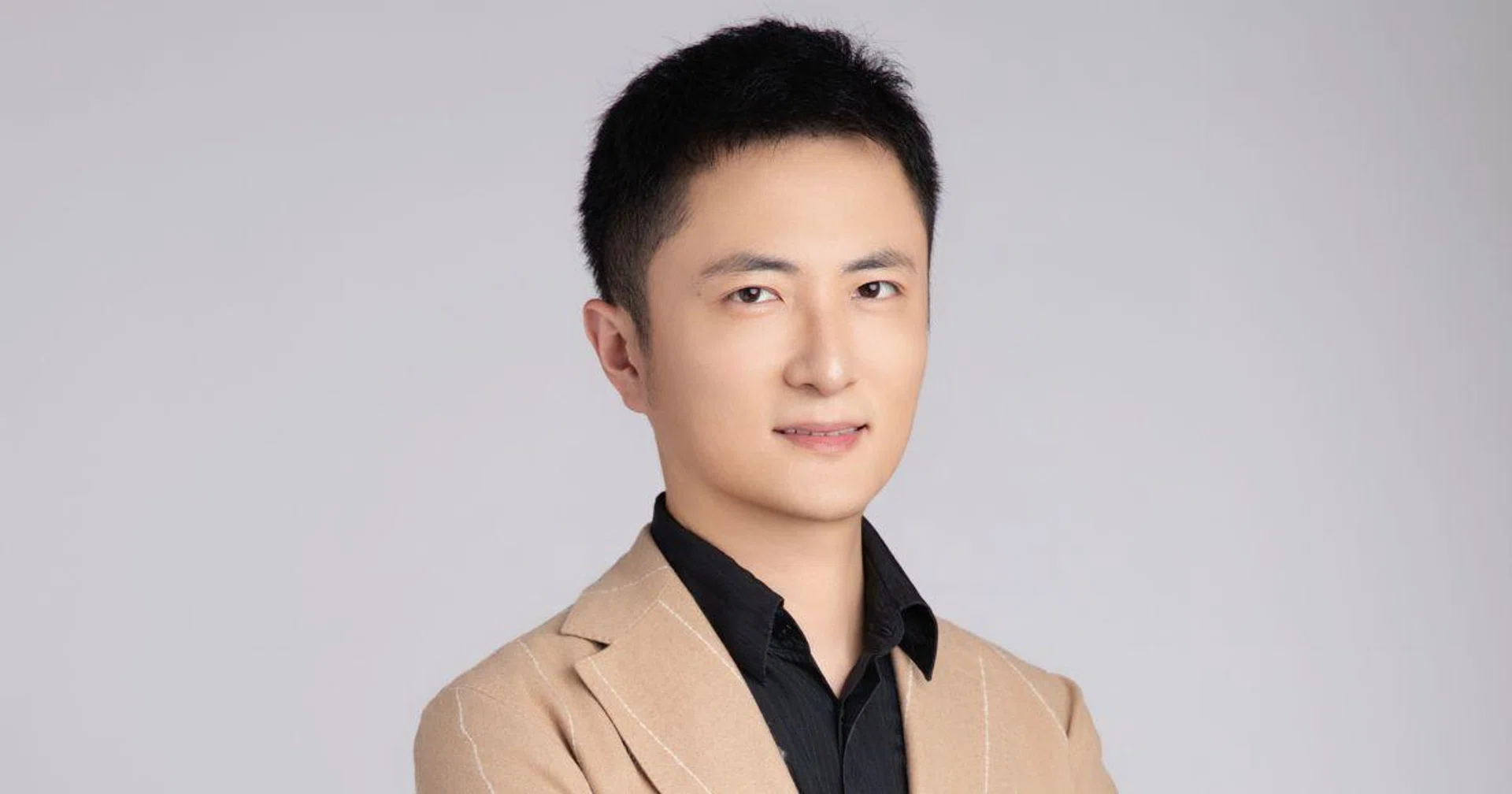
In 2011, at age 24, Jerry Chenhao Zhu (朱辰昊) was working at a prestigious law firm in Silicon Valley, advising on venture capital and M&A cases – a life he had once imagined for himself growing up in a small town in Henan, China.
Two years later, a speech by DropBox founder Drew Houston made the Stanford Law School graduate stop and think. Houston spoke about the idea of a “closed circle” – that you become the average of the five people you spend the most time with.
“Lawyers by training are very risk averse,” says Zhu. “But at the time, I was surrounded by venture capitalists and start-up founders, many of whom were entrepreneurs in their early 20s.”
Houston’s words resonated so deeply with Zhu that in 2015, he quit his “fancy, high-paying lawyer job”, moved to Shanghai and co-founded marketing tech (martech) company Zaihui. The name comes from “再次惠顾” (zai ci hui gu), meaning “to visit again” – a nod to building customer loyalty and repeat engagement.
“After years surrounded by start-up founders, I realised I wanted to set up my own start-up while I was still young,” laughs Zhu, now 38.
Under his strategic leadership and his co-founders’ technical expertise, Zaihui would go on to become one of China’s largest martech companies for brick-and-mortar businesses.
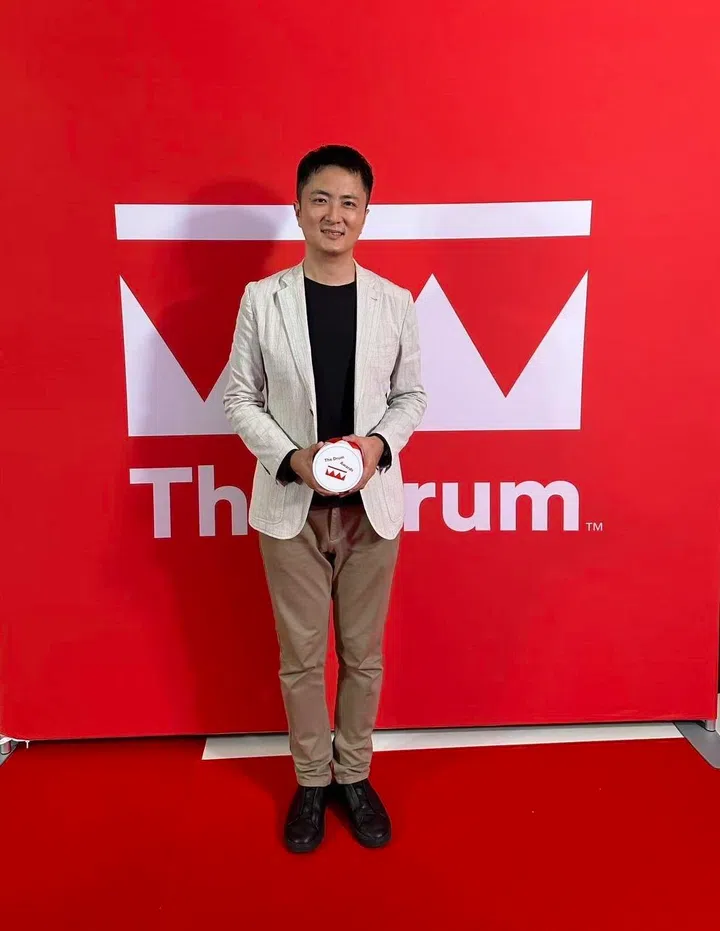
Purpose before scale
In 2015, when China food delivery app Meituan merged with restaurant review platform Dianping to form a super app with around 200 million users, Zhu saw an opportunity.
“One of Zaihui’s co-founders was very resourceful in the restaurant community, and together we saw how we could use technology to help improve the operations of small and medium-sized enterprises (SMEs) and entrepreneurs who don’t have access to state-of-the-art technology,” says Zhu.
Zaihui was the first large-scale test of this philosophy. Starting with the food and beverage (F&B) industry, the company used technology — and subsequently artificial intelligence (AI) — to help offline SMEs simplify operations to attract and manage online traffic.
It has since expanded beyond F&B to serve more than 20,000 clients across China, ranging from e-commerce platforms to FMCG (fast-moving consumer goods) brand owners and gaming and fintech companies. It is supported by over 2,000 staff across 30 offices, and has raised more than US$200 million in funding.
For Zhu, who remained drawn to working internationally, expanding the business beyond China was always part of Zaihui’s future.
In 2022, an opportunity to take his philosophy global presented itself in the form of EDB’s Tech@SG programme, which supports fast-growing companies scaling into Singapore and South-east Asia.
Transplanting scale into Singapore
“What makes Singapore international is that it sits at the intersection of culture, technology and markets,” says Zhu. “From here, we can draw our AI advantage from China, South-east Asia’s cultural fluency and global creative standards.”
SpoonX, the Singapore offshoot, takes its name from Zaihui’s F&B roots, Singapore’s foodie culture, and a nod to SpaceX, the company founded by Elon Musk who Zhu says he looks up to as an innovator.
Its early days were not without friction. Zhu arrived with three colleagues, all from China, and little local insight.
“None of us at the time understood Singapore’s local culture and we couldn’t effectively convey our pitches to local companies,” he explains.
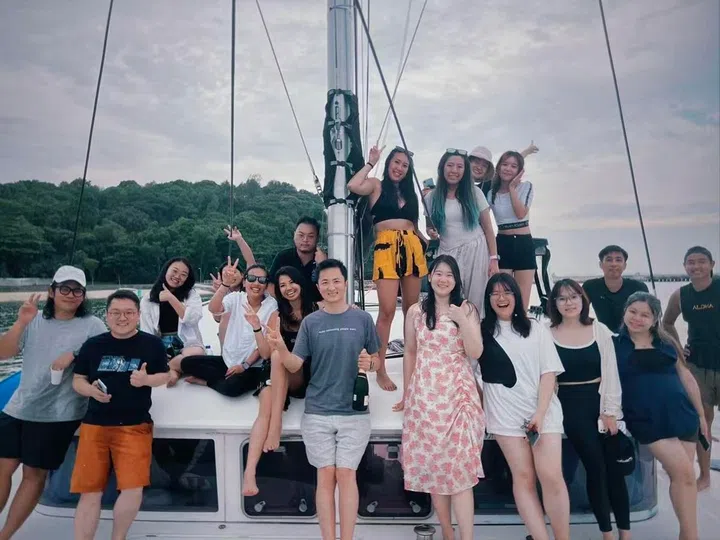
Today, around 90 per cent of SpoonX’s team are home-grown creatives from film, arts and design backgrounds.
Zhu describes the approach as “glocalisation” — building globally while embedding deeply in each market.
That philosophy shaped SpoonX’s first project. HelloHawkers, a pro bono campaign, helped Singapore hawkers with no marketing budgets tell their stories through short-form, multilingual videos.
The campaign helped hawkers such as Mr Baguette and Simon Road Hokkien Mee reach new audiences, including Chinese visitors who discovered neighbourhood stalls via TikTok. Zhu’s own favourite, he adds, is fishball noodles — “soup, not dry, and with good chilli”.
At its core, SpoonX is reimagining how brands tell stories in the age of AI. Working closely with TikTok through its Symphony Creative Studio, the company uses licensed AI avatars to help brands produce short-form video content quickly and responsibly. All AI-generated content is clearly disclosed and, as Zhu emphasises, governed by strict ethical guidelines.
Singapore, he adds, is the perfect place to advance ethical AI for the world because of its prominent position at the intersection of global markets, as well as access to both Chinese and Western models of AI.
Last year, SpoonX created 30,000 AI-generated videos in 15 to 20 languages for a major South-east Asian e-commerce platform. A project of that scale would normally take up to a month — SpoonX delivered it in a single week.
“People always say AI replaces humans and creativity,” says Zhu. “But what it does is remove the heavy mechanical work so we humans can focus on strategy, trends, insights and emotions.”
That same thinking extends beyond marketing. He is working towards bringing cooking robots here, drawing on his experience running 12 quick-service restaurants in Shanghai using Zaihui’s own proprietary cooking robots and processes. The system, which he jokingly calls “Chef GPT”, uses robotics to improve productivity and consistency in kitchens.
In a market like Singapore, where labour shortages in F&B are persistent, Zhu believes such technology could have a meaningful impact.
“It’s the same philosophy,” he says. “Use technology to help businesses grow.”
Building the groundwork for the future
SpoonX is now in discussions with Enterprise Singapore to support heartland SMEs with digitalisation and marketing — an extension of Zhu’s same mission seeded a decade ago in Silicon Valley and that was successfully implemented in China.
Ever future-forward, his ambition is to build SpoonX into Asia’s leading AI-native agency for businesses, while scaling robotics as a future-of-work solution for industries facing structural labour challenges.
Offering a glimpse of what SpoonX is capable of, he gives an example of the company’s latest product line.
“We’ve devised an AI agent system for Instagram and TikTok influencers,” says Zhu. This system helps to sort and monitor the influencers’ recent performance to identify the best fit for the client’s campaign — automating much of the sorting, briefing and communication that would otherwise take weeks of manual work.
“With this system, we’ve helped a shopping mall in Malaysia and Singapore increase their traffic by 20 to 30 per cent,” he adds.
Despite his success, Zhu remains grounded as he shuttles between Singapore and Shanghai. Evenings are split between jogging, learning golf and time with his wife and one-year-old daughter — routines that help him reset amid a fast-moving life.
He often credits the people and environments that influenced him, but his path has always been deliberate. Zhu chooses his circle carefully, absorbs what each environment teaches best, and connects the dots with purpose.
In his case, lawyer and entrepreneur were never opposites, just two sides of the same mind.