%22%3E%0A%3Cpath%20d%3D%22M412%20101.2H393.7C393.1%20101.2%20392.3%20100.9%20391.8%20100.5C377.3%2087.6004%20362.9%2074.6004%20348.4%2061.6004C344.8%2058.4004%20341.3%2055.2004%20337.7%2052.0004C337.1%2051.5004%20336.2%2051.1004%20335.5%2051.0004C334.2%2050.8004%20333%2051.0004%20331.5%2051.0004V101.1H316.7V0.100391H331.4V44.3004C331.9%2044.3004%20332.2%2044.4004%20332.5%2044.4004C334.9%2044.4004%20337.2%2044.5004%20339.6%2044.4004C340.4%2044.4004%20341.3%2044.0004%20341.8%2043.5004C351.6%2034.4004%20361.4%2025.2004%20371.1%2016.0004C376.5%2010.9004%20381.9%205.90039%20387.3%200.800391C387.9%200.200391%20388.5%200.000390626%20389.3%200.000390626H400.9C384.2%2015.8004%20367.8%2031.3004%20351.2%2047.0004C371.5%2065.0004%20391.8%2082.9004%20412.1%20100.9C412.1%20101%20412.1%20101.1%20412%20101.2ZM180.9%20101.2C184.1%2094.9004%20187.2%2088.9004%20190.3%2082.8004C198.3%2067.3004%20206.2%2051.8004%20214.2%2036.2004C220.3%2024.4004%20226.4%2012.5004%20232.4%200.700391C232.7%200.100391%20233%20-0.0996094%20233.7%20-0.0996094H248.1C248.8%20-0.0996094%20249.2%200.100391%20249.6%200.800391C256%2013.3004%20262.4%2025.7004%20268.8%2038.2004C279.3%2058.6004%20289.8%2079.0004%20300.3%2099.5004C300.5%20100%20300.8%20100.4%20301.1%20101.1C300.5%20101.1%20300.1%20101.2%20299.7%20101.2H286.5C285.6%20101.2%20285.1%20100.9%20284.7%20100.2C280.1%2091.3004%20275.4%2082.4004%20270.8%2073.4004C270.1%2072.1004%20269.3%2071.6004%20267.8%2071.6004H209.9C208.7%2071.6004%20208.1%2072.0004%20207.5%2073.1004C202.9%2082.1004%20198.2%2091.0004%20193.6%20100C193.1%20101%20192.6%20101.3%20191.5%20101.3C188.4%20101.2%20185.3%20101.3%20182.3%20101.3C182%20101.2%20181.6%20101.2%20180.9%20101.2ZM239.1%2011.4004C230%2029.2004%20221.1%2046.7004%20212.1%2064.3004H266.4C257.2%2046.7004%20248.2%2029.2004%20239.1%2011.4004ZM0%200.000390626H43.4C51.2%200.000390626%2058.7%201.20039%2065.7%204.80039C75.9%2010.0004%2078.9%2018.0004%2078.6%2027.4004C78.3%2034.3004%2076%2040.5004%2071.2%2045.5004C67.3%2049.6004%2062.4%2052.3004%2057.1%2054.3004C50.6%2056.7004%2043.9%2058.0004%2037.1%2058.6004C30.1%2059.2004%2023.1%2059.4004%2016.2%2059.7004C15.8%2059.7004%2015.3%2059.8004%2014.8%2059.8004V101.1H0.1C0%2067.4004%200%2033.8004%200%200.000390626ZM14.8%207.10039V52.2004C23.7%2052.4004%2032.6%2052.3004%2041.2%2050.1004C44.4%2049.3004%2047.6%2048.2004%2050.6%2046.7004C58.4%2043.0004%2062.3%2036.7004%2062.7%2028.0004C63%2019.9004%2059.5%2014.1004%2052.4%2010.5004C47.6%208.00039%2042.5%207.10039%2037.2%207.10039H14.8ZM95.9%20101.1V0.100391H167.3V7.20039H110.7V44.7004H158.1V51.9004H110.8V93.9004H171.1V101C146.1%20101.1%20121%20101.1%2095.9%20101.1Z%22%20fill%3D%22black%22%2F%3E%0A%3Cpath%20d%3D%22M35.0004%2025.7996H42.5004V20.6996H44.8004V33.1996H42.6004V27.5996H34.9004V33.2996H32.7004V20.7996H35.0004V25.7996ZM54.4004%2025.8996V27.2996H48.9004V31.6996H55.9004C55.9004%2032.1996%2056.0004%2032.5996%2056.0004%2033.0996H46.5004V20.5996H55.5004V21.8996H49.0004V25.7996C50.7004%2025.8996%2052.5004%2025.8996%2054.4004%2025.8996ZM25.9004%2033.0996H23.5004V21.9996H17.9004V20.6996H31.6004V22.0996H27.1004C26.2004%2022.0996%2025.9004%2022.2996%2025.9004%2023.1996C26.0004%2026.0996%2025.9004%2028.9996%2025.9004%2031.7996V33.0996Z%22%20fill%3D%22black%22%2F%3E%0A%3C%2Fg%3E%0A%3Cdefs%3E%0A%3CclipPath%20id%3D%22clip0_388_462%22%3E%0A%3Crect%20width%3D%22411%22%20height%3D%22101.2%22%20fill%3D%22white%22%2F%3E%0A%3C%2FclipPath%3E%0A%3C%2Fdefs%3E%0A%3C%2Fsvg%3E%0A)
Share this article
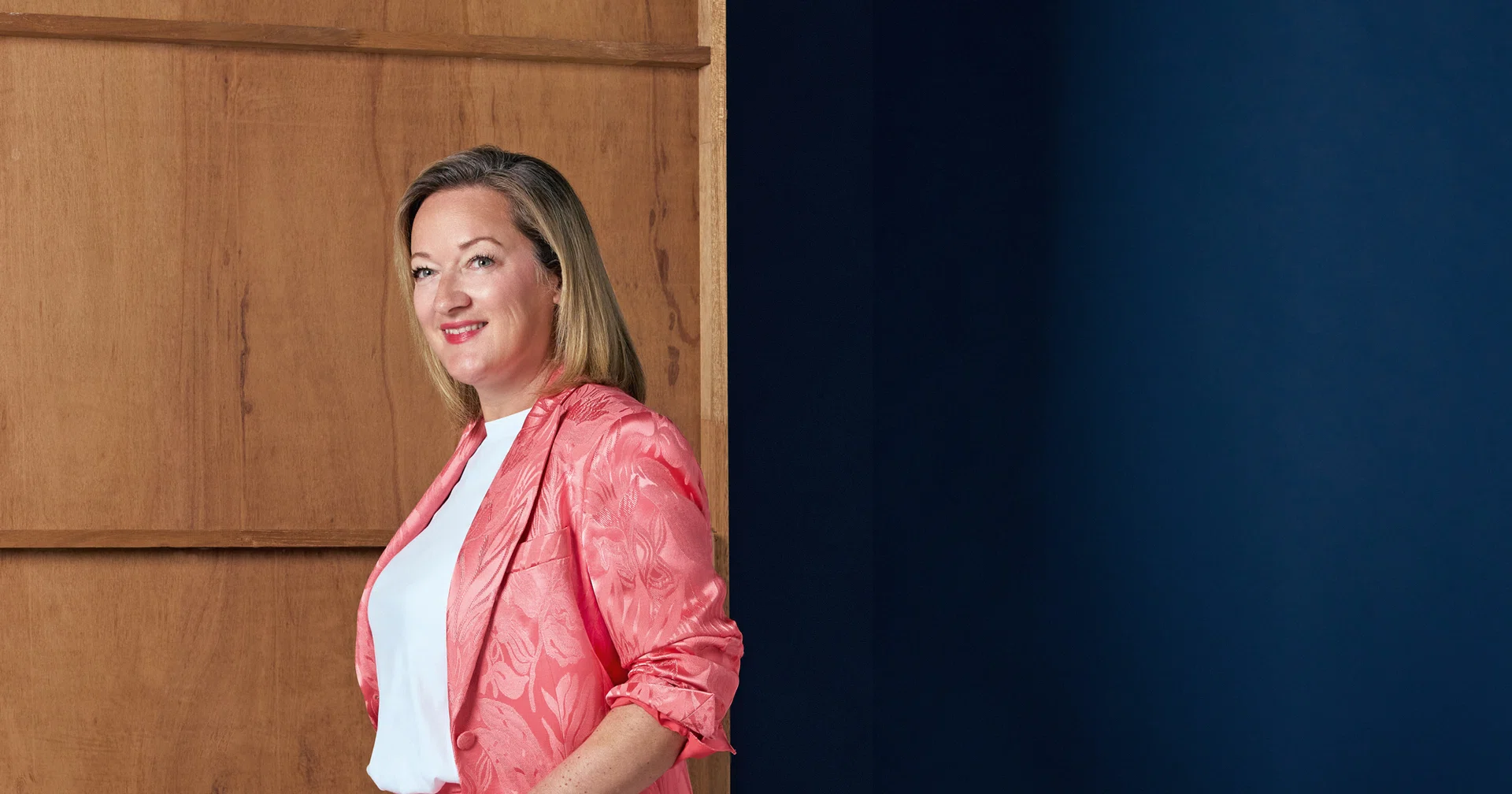
Titles often conceal more than they reveal. To be chief people officer is, on paper, to manage culture, policies, and processes. But for Helen Snowball at PropertyGuru Group, it is to wrestle with the contradictions of growth and care, to hold together the fragile fabric of belonging in a company that spans borders and expectations.
“At PropertyGuru, we don’t focus on the people experience because it’s a nice thing to do,” she says. “We do it because we fundamentally believe if we look after our Gurus, they will look after our customers, consumers and business, which in turn, delivers long-term sustainable success.”
Snowball anchors this philosophy in what PropertyGuru calls its Employee Value Proposition: “Be More, Be a Guru”. She explains that the goal is to create a culture where people can thrive and become the best version of themselves, with the company shaping experiences across the employee lifecycle.
These are framed around what she calls “Moments That Matter” — pivotal touchpoints from joining, to career development, to recognition.
Yet for Snowball, the work of people and culture has to move past platitudes. “I think in today’s world of work, if the conversation relating to ‘people and culture’ is still defaulting back to generic terms like inclusivity and collaboration, your business is in trouble.”
While inclusivity and collaboration are, as she notes, organisational table stakes, the real challenge lies in preparing people for a workplace defined by volatility, technological change, and human-machine collaboration.
Her current priority, she says, is “helping the organisation understand the importance of building a culture centred around continuous learning where we upskill employees to keep pace with tech; where our people know that AI deployed responsibly will enhance rather than replace human potential.”
Hers is an articulation of culture as a survival strategy, insisting that resilience, flexibility, and future skills belong as much on the boardroom agenda as revenue and risk.
When values are tested

That conviction has been tested in moments of difficulty. She recalls how PropertyGuru, like many companies, had to make the “right but difficult decision to close operationally non-scalable and non-profitable businesses, impacting the employment of some Gurus”.
The measure of leadership, she insists, lies in the manner, not the mechanics, of such decisions. “People will not remember the ‘what’ you do; they will remember the ‘how’ you do it. It’s easy to be a values-based leader during the good times, but the best leaders are those who stick to their values during the challenging times, too.”
Snowball’s approach, she explains, was to build the entire change plan around two of PropertyGuru’s core values: “Care and Respect” and “Own It and Deliver It”. She recalls that even Gurus who were impacted “thanked us for how we executed this difficult decision”. The gratitude may not erase the loss, but it affirms her belief that culture is enacted in the smallest gestures as much as in formal policies.
Looking forward, she names the most significant cultural shift without hesitation: the growing integration of AI into work. Through initiatives like Guru Academy, PropertyGuru is equipping employees to adapt, embrace digital tools, and collaborate in ways that are no longer purely human.
For Snowball, the ultimate aim is “to create a workplace where people and AI work together to drive performance, unlock potential, and ensure our Gurus are thriving in an ever-evolving industry”.
The futures of culture
It is telling that what gives her hope about the future of people and culture is not technology itself, but the changing recognition of people as a strategic asset. “The functions we lead are no longer referred to as transactional support teams, but rather strategic enablers of growth, which is an encouraging sign for the future of people and culture in business.”
She welcomes the rise of human-centred leadership, the focus on psychological safety, and the erosion of rigid work structures in favour of autonomy.
Snowball sees in these shifts a possibility for organisations to become more porous, more accommodating of the diverse rhythms of human life. Whether those possibilities endure will depend on the consistency of leaders and their willingness to hold values steady through volatility.
“Our challenge as HR professionals is to continue to invest in our own development, to stay ahead of emerging external trends impacting organisations, so we can provide the appropriate thought leadership and change guidance.”
There is no neat resolution in this vision — only the constant negotiation between business imperatives and human needs. Yet, Snowball insists this is the work: to recognise that culture is fragile, unfinished, and always contested, but also that it can be the decisive force that determines whether organisations merely survive or truly allow their people to thrive.