%22%3E%0A%3Cpath%20d%3D%22M412%20101.2H393.7C393.1%20101.2%20392.3%20100.9%20391.8%20100.5C377.3%2087.6004%20362.9%2074.6004%20348.4%2061.6004C344.8%2058.4004%20341.3%2055.2004%20337.7%2052.0004C337.1%2051.5004%20336.2%2051.1004%20335.5%2051.0004C334.2%2050.8004%20333%2051.0004%20331.5%2051.0004V101.1H316.7V0.100391H331.4V44.3004C331.9%2044.3004%20332.2%2044.4004%20332.5%2044.4004C334.9%2044.4004%20337.2%2044.5004%20339.6%2044.4004C340.4%2044.4004%20341.3%2044.0004%20341.8%2043.5004C351.6%2034.4004%20361.4%2025.2004%20371.1%2016.0004C376.5%2010.9004%20381.9%205.90039%20387.3%200.800391C387.9%200.200391%20388.5%200.000390626%20389.3%200.000390626H400.9C384.2%2015.8004%20367.8%2031.3004%20351.2%2047.0004C371.5%2065.0004%20391.8%2082.9004%20412.1%20100.9C412.1%20101%20412.1%20101.1%20412%20101.2ZM180.9%20101.2C184.1%2094.9004%20187.2%2088.9004%20190.3%2082.8004C198.3%2067.3004%20206.2%2051.8004%20214.2%2036.2004C220.3%2024.4004%20226.4%2012.5004%20232.4%200.700391C232.7%200.100391%20233%20-0.0996094%20233.7%20-0.0996094H248.1C248.8%20-0.0996094%20249.2%200.100391%20249.6%200.800391C256%2013.3004%20262.4%2025.7004%20268.8%2038.2004C279.3%2058.6004%20289.8%2079.0004%20300.3%2099.5004C300.5%20100%20300.8%20100.4%20301.1%20101.1C300.5%20101.1%20300.1%20101.2%20299.7%20101.2H286.5C285.6%20101.2%20285.1%20100.9%20284.7%20100.2C280.1%2091.3004%20275.4%2082.4004%20270.8%2073.4004C270.1%2072.1004%20269.3%2071.6004%20267.8%2071.6004H209.9C208.7%2071.6004%20208.1%2072.0004%20207.5%2073.1004C202.9%2082.1004%20198.2%2091.0004%20193.6%20100C193.1%20101%20192.6%20101.3%20191.5%20101.3C188.4%20101.2%20185.3%20101.3%20182.3%20101.3C182%20101.2%20181.6%20101.2%20180.9%20101.2ZM239.1%2011.4004C230%2029.2004%20221.1%2046.7004%20212.1%2064.3004H266.4C257.2%2046.7004%20248.2%2029.2004%20239.1%2011.4004ZM0%200.000390626H43.4C51.2%200.000390626%2058.7%201.20039%2065.7%204.80039C75.9%2010.0004%2078.9%2018.0004%2078.6%2027.4004C78.3%2034.3004%2076%2040.5004%2071.2%2045.5004C67.3%2049.6004%2062.4%2052.3004%2057.1%2054.3004C50.6%2056.7004%2043.9%2058.0004%2037.1%2058.6004C30.1%2059.2004%2023.1%2059.4004%2016.2%2059.7004C15.8%2059.7004%2015.3%2059.8004%2014.8%2059.8004V101.1H0.1C0%2067.4004%200%2033.8004%200%200.000390626ZM14.8%207.10039V52.2004C23.7%2052.4004%2032.6%2052.3004%2041.2%2050.1004C44.4%2049.3004%2047.6%2048.2004%2050.6%2046.7004C58.4%2043.0004%2062.3%2036.7004%2062.7%2028.0004C63%2019.9004%2059.5%2014.1004%2052.4%2010.5004C47.6%208.00039%2042.5%207.10039%2037.2%207.10039H14.8ZM95.9%20101.1V0.100391H167.3V7.20039H110.7V44.7004H158.1V51.9004H110.8V93.9004H171.1V101C146.1%20101.1%20121%20101.1%2095.9%20101.1Z%22%20fill%3D%22black%22%2F%3E%0A%3Cpath%20d%3D%22M35.0004%2025.7996H42.5004V20.6996H44.8004V33.1996H42.6004V27.5996H34.9004V33.2996H32.7004V20.7996H35.0004V25.7996ZM54.4004%2025.8996V27.2996H48.9004V31.6996H55.9004C55.9004%2032.1996%2056.0004%2032.5996%2056.0004%2033.0996H46.5004V20.5996H55.5004V21.8996H49.0004V25.7996C50.7004%2025.8996%2052.5004%2025.8996%2054.4004%2025.8996ZM25.9004%2033.0996H23.5004V21.9996H17.9004V20.6996H31.6004V22.0996H27.1004C26.2004%2022.0996%2025.9004%2022.2996%2025.9004%2023.1996C26.0004%2026.0996%2025.9004%2028.9996%2025.9004%2031.7996V33.0996Z%22%20fill%3D%22black%22%2F%3E%0A%3C%2Fg%3E%0A%3Cdefs%3E%0A%3CclipPath%20id%3D%22clip0_388_462%22%3E%0A%3Crect%20width%3D%22411%22%20height%3D%22101.2%22%20fill%3D%22white%22%2F%3E%0A%3C%2FclipPath%3E%0A%3C%2Fdefs%3E%0A%3C%2Fsvg%3E%0A)
How Gushcloud plans to build a CPF for creators
Althea Lim envisions financial protection for creators alongside systems that can turn influence into enduring businesses.
By Zat Astha /

Share this article
When Gushcloud was founded, it arrived as a bridge across a fundamental communication gap, acting as an intermediary between corporate marketing budgets and a strange new breed of self-made cultural arbiters. The company was originally conceived to solve a specific corporate headache: the lack of transparency and efficiency in media buying.
“When we first started Gushcloud in 2012, we saw an opportunity that allowed brands to better connect to their audiences and customers via a new ‘channel’ called influencers who were on all the social media platforms and the views and engagements became transparent to the brands,” its group CEO, Althea Lim, reflects, tracing the lineage of an industry she helped birth.
“Hence, when we first started, the idea was to solve the transparency and efficiency of media buying for the brands.”
But the internet has a habit of outgrowing its containers. The initial premise — that influencers were merely an alternative, highly efficient media buy — has worn thin. Today, the landscape is crowded with over 200 million individuals globally who claim the mantle of “creator”. For the generations coming of age, digital creation is no longer a hobby; it is a primary career ambition.
This shift represents a structural transformation that forms the core of why Lim has been named to this year’s Power List under the theme A New Form. The category recognises leaders who preserve the centre of their work while entirely rewriting the architecture around it when old models reach their limits. Gushcloud has successfully evolved from a local talent agency into a global infrastructure engine.
“Today, we realised that the problem and opportunity have now shifted to the influencers or creators,” Lim observes, reframing the company’s modern mandate.
“Many creators are already generating significant revenue and operating like small businesses. The challenge is that most creators don’t have the infrastructure, systems and tools that traditional businesses rely on. They’re often managing content, partnerships, operations, finance, and growth on their own, with their families or their loved ones. Today, we’re focused on building the infrastructure that allows high-potential creators to scale into sustainable businesses.”
The geography of survival
The pivot from a brand-facing media agency to a creator-first infrastructure provider was not born entirely out of serene intellectual foresight. It was forged in a corporate near-death experience. In 2015, Gushcloud found itself at the centre of a highly publicised, deeply toxic industry dispute in Singapore.
In the insular ecosystem of the local market, the fallout was immediate and catastrophic, wiping out more than 80 per cent of the company’s revenue almost overnight.
At the time, Singapore accounted for more than half of Gushcloud’s entire financial footprint. The crisis exposed the structural vulnerability of relying on localised brand campaigns, forcing Lim and her co-founder, Vincent Ngan, to decouple their survival from their home market.
“Besides our Singaporean office, we only had a Malaysian and a very tiny Indonesian office then. Because Singapore accounted for more than 50 per cent of our total revenue, this really affected us. Hence, my co-founder and I decided to think deeply about what ‘diversification of revenues and risks’ looks like. And we decided to expand quickly into markets that needed our service.”
The resulting expansion built an enterprise that now operates across 11 offices globally, spanning Southeast Asia, North Asia, and the United States. Yet, global expansion in the creator economy is rarely a simple copy-and-paste exercise. Cultural nuances dictate attention, and attention dictates capital.
“We have been able to build a global business while still staying deeply local in how we think and operate in each country,” Lim notes. “However, building across regions comes with its fair share of challenges. Every market is different, and there’s always a lot to learn in understanding what works locally. But I think that experience has also given us a much broader perspective on creators, brands, and audiences.”
The myth of the metric
To the casual observer, Gushcloud remains categorised as an influencer marketing agency — a label Lim resists with increasing intensity. Scepticism is naturally warranted; the market is saturated with talent brokers who deal in superficial transactions. But Lim insists that viewing Gushcloud through this lens misunderstands the modern macroeconomic shift.
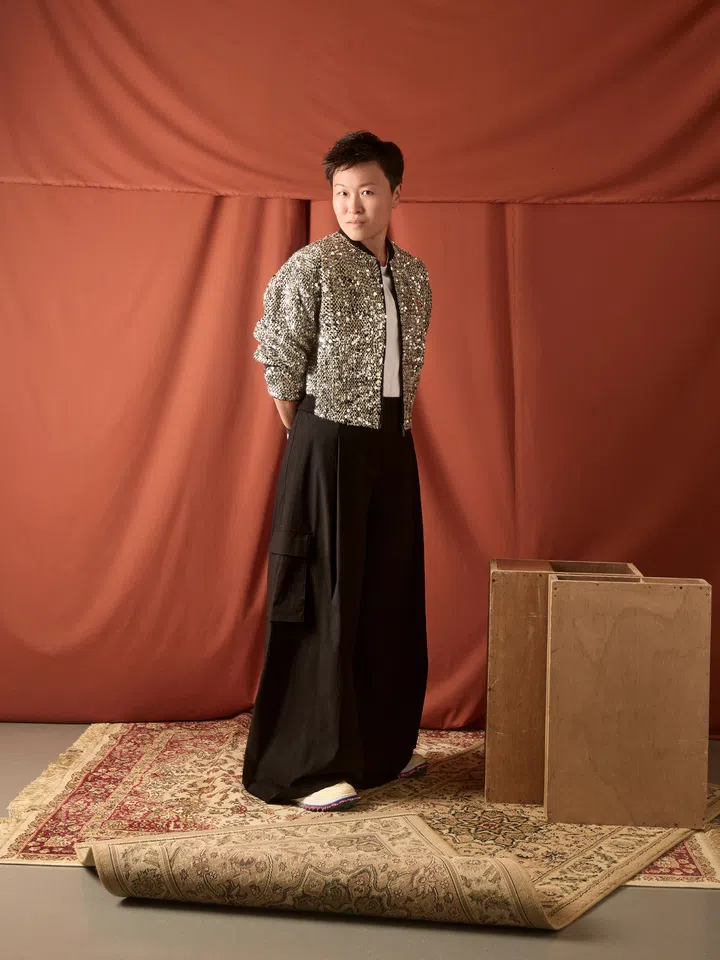
“Most people associate us with influencer marketing or that we are just an influencer marketing agency,” Lim counters, addressing the industry’s lingering misconceptions.
“That’s understandable, but it’s also one of the biggest misconceptions. It’s part of what we do, but really just a small fraction. What we’re really focused on is helping creators scale into real businesses. We’re seeing them evolve from content producers into entrepreneurs, brand owners, and IP holders. At the same time, brands are demanding more sophisticated approaches — better discovery, sharper measurement, clearer accountability.”
This touches upon a persistent criticism: the historic flimsiness of internet metrics. Critics have long argued that the ecosystem is built on shifting sand, vulnerable to algorithm changes, and fickle audience whims. Lim does not defend the old ways; instead, she challenges the industry to grow up.
“The creator economy has often been treated as something different — harder to quantify, harder to attribute, harder to hold accountable,” she posits. “I don’t think that’s true anymore. And I don’t think brands will accept it much longer. As the industry matures, the companies that can offer real attribution, meaningful analytics, and clear connections between creator investment and business outcomes will define the next era. The future of this space won’t just be driven by creativity. It will be driven by data, technology, and accountability.”
This transition to rigid accountability demanded a parallel transformation within Lim herself, shifting from the fluid experimentation of early-stage entrepreneurship to strict executive discipline.
“I started as a co-founder and entrepreneur at Gushcloud,” Lim admits. “And what that sometimes meant was that I had the freedom to continuously create and have new ideas at Gushcloud. But when the company grew to a certain size, I needed to move from just being an entrepreneur to being an executive of the business... Which meant that I had to give up much freedom that came in side projects or experiments and to become razor focused on delivering results and performance.”
A sovereign safety net
If creators are the new small- to medium-sized enterprises, the missing piece of the puzzle is institutional stability. The gig economy is notoriously precarious, leaving workers vulnerable to burnout and volatile revenue streams. Here, Lim makes her most audacious proposition, envisioning a private-sector analogue to Singapore’s Central Provident Fund (CPF) tailored specifically for digital nomads.
“Personally, I have two goals at Gushcloud,” Lim reveals. “To build a pension fund for the creator economy — that’s not present today. It’s not even present in the gig economy. The pension fund I hope to build will resemble CPF in terms of protecting a creator with savings, medical insurance and housing needs.”
Sceptics might view this as an idealistic retention strategy disguised as corporate philanthropy. Can a private corporation successfully institutionalise a state-like safety net for a global, fractured workforce?
It remains an open question, but it underscores the very essence of A New Form when old societal and corporate structures fail to accommodate a new class of economic actors, the business model itself must bend to provide the foundation. Concurrently, Lim remains tethered to aggressive commercial realities at the top.
“My second goal is to build and scale more billionaire creators, and billion-dollar IP and businesses led by creators,” Lim concludes. “Mr Beast is the first today. But the idea is to scale more creators, their incomes, and their value through infrastructure, systems, tools, and global opportunities. When more billionaire creators exist, more jobs are naturally built.”
By building the steel frames behind the digital curtain, Lim ensures that when the history of this new commerce is written, Gushcloud will not just have recorded the shifting trends — they will have laid the tracks.
Photography: Lawrence Teo
Art direction: Ashruddin Sani
Stylist: Dolphin Yeo
Grooming: Angel Gwee, using Chanel and Davines

For more stories on The Peak Power List, visit here.