%22%3E%0A%3Cpath%20d%3D%22M412%20101.2H393.7C393.1%20101.2%20392.3%20100.9%20391.8%20100.5C377.3%2087.6004%20362.9%2074.6004%20348.4%2061.6004C344.8%2058.4004%20341.3%2055.2004%20337.7%2052.0004C337.1%2051.5004%20336.2%2051.1004%20335.5%2051.0004C334.2%2050.8004%20333%2051.0004%20331.5%2051.0004V101.1H316.7V0.100391H331.4V44.3004C331.9%2044.3004%20332.2%2044.4004%20332.5%2044.4004C334.9%2044.4004%20337.2%2044.5004%20339.6%2044.4004C340.4%2044.4004%20341.3%2044.0004%20341.8%2043.5004C351.6%2034.4004%20361.4%2025.2004%20371.1%2016.0004C376.5%2010.9004%20381.9%205.90039%20387.3%200.800391C387.9%200.200391%20388.5%200.000390626%20389.3%200.000390626H400.9C384.2%2015.8004%20367.8%2031.3004%20351.2%2047.0004C371.5%2065.0004%20391.8%2082.9004%20412.1%20100.9C412.1%20101%20412.1%20101.1%20412%20101.2ZM180.9%20101.2C184.1%2094.9004%20187.2%2088.9004%20190.3%2082.8004C198.3%2067.3004%20206.2%2051.8004%20214.2%2036.2004C220.3%2024.4004%20226.4%2012.5004%20232.4%200.700391C232.7%200.100391%20233%20-0.0996094%20233.7%20-0.0996094H248.1C248.8%20-0.0996094%20249.2%200.100391%20249.6%200.800391C256%2013.3004%20262.4%2025.7004%20268.8%2038.2004C279.3%2058.6004%20289.8%2079.0004%20300.3%2099.5004C300.5%20100%20300.8%20100.4%20301.1%20101.1C300.5%20101.1%20300.1%20101.2%20299.7%20101.2H286.5C285.6%20101.2%20285.1%20100.9%20284.7%20100.2C280.1%2091.3004%20275.4%2082.4004%20270.8%2073.4004C270.1%2072.1004%20269.3%2071.6004%20267.8%2071.6004H209.9C208.7%2071.6004%20208.1%2072.0004%20207.5%2073.1004C202.9%2082.1004%20198.2%2091.0004%20193.6%20100C193.1%20101%20192.6%20101.3%20191.5%20101.3C188.4%20101.2%20185.3%20101.3%20182.3%20101.3C182%20101.2%20181.6%20101.2%20180.9%20101.2ZM239.1%2011.4004C230%2029.2004%20221.1%2046.7004%20212.1%2064.3004H266.4C257.2%2046.7004%20248.2%2029.2004%20239.1%2011.4004ZM0%200.000390626H43.4C51.2%200.000390626%2058.7%201.20039%2065.7%204.80039C75.9%2010.0004%2078.9%2018.0004%2078.6%2027.4004C78.3%2034.3004%2076%2040.5004%2071.2%2045.5004C67.3%2049.6004%2062.4%2052.3004%2057.1%2054.3004C50.6%2056.7004%2043.9%2058.0004%2037.1%2058.6004C30.1%2059.2004%2023.1%2059.4004%2016.2%2059.7004C15.8%2059.7004%2015.3%2059.8004%2014.8%2059.8004V101.1H0.1C0%2067.4004%200%2033.8004%200%200.000390626ZM14.8%207.10039V52.2004C23.7%2052.4004%2032.6%2052.3004%2041.2%2050.1004C44.4%2049.3004%2047.6%2048.2004%2050.6%2046.7004C58.4%2043.0004%2062.3%2036.7004%2062.7%2028.0004C63%2019.9004%2059.5%2014.1004%2052.4%2010.5004C47.6%208.00039%2042.5%207.10039%2037.2%207.10039H14.8ZM95.9%20101.1V0.100391H167.3V7.20039H110.7V44.7004H158.1V51.9004H110.8V93.9004H171.1V101C146.1%20101.1%20121%20101.1%2095.9%20101.1Z%22%20fill%3D%22black%22%2F%3E%0A%3Cpath%20d%3D%22M35.0004%2025.7996H42.5004V20.6996H44.8004V33.1996H42.6004V27.5996H34.9004V33.2996H32.7004V20.7996H35.0004V25.7996ZM54.4004%2025.8996V27.2996H48.9004V31.6996H55.9004C55.9004%2032.1996%2056.0004%2032.5996%2056.0004%2033.0996H46.5004V20.5996H55.5004V21.8996H49.0004V25.7996C50.7004%2025.8996%2052.5004%2025.8996%2054.4004%2025.8996ZM25.9004%2033.0996H23.5004V21.9996H17.9004V20.6996H31.6004V22.0996H27.1004C26.2004%2022.0996%2025.9004%2022.2996%2025.9004%2023.1996C26.0004%2026.0996%2025.9004%2028.9996%2025.9004%2031.7996V33.0996Z%22%20fill%3D%22black%22%2F%3E%0A%3C%2Fg%3E%0A%3Cdefs%3E%0A%3CclipPath%20id%3D%22clip0_388_462%22%3E%0A%3Crect%20width%3D%22411%22%20height%3D%22101.2%22%20fill%3D%22white%22%2F%3E%0A%3C%2FclipPath%3E%0A%3C%2Fdefs%3E%0A%3C%2Fsvg%3E%0A)
From I Ching to AI: How this trend forecaster draws on ancient Asian wisdom as a roadmap to think about the future
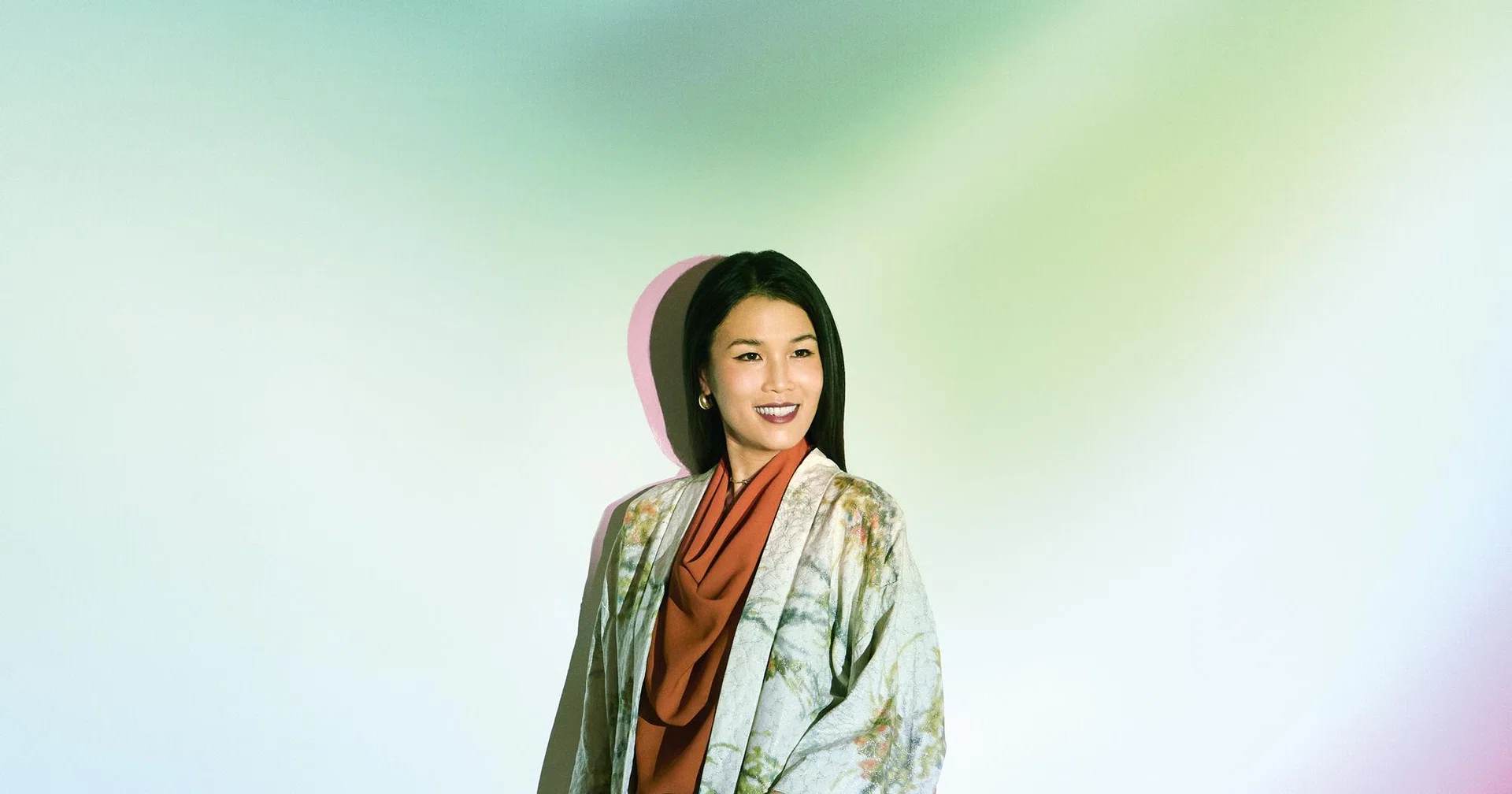
Besides being inspired by Asian wisdom, Jess Tang, Head of Asia Insights at WGSN is a firm champion of embedding futures thinking with an Asian perspective.
By Kenneth SZ Goh /
Share this article
For someone whose job involves looking ahead to the future, Jess Tang, head of Asia Insights at business intelligence and insights firm WGSN, found an unlikely affinity with I Ching, a book of Chinese wisdom that centres around a yin-yang duality that drives the universe.
The 36-year-old Hong Kong native reconnected with the time-honoured concept, which has been used as a manual for rulers and an oracle of one’s future, during an introspective self-reflection exercise last year and enjoys drawing synergies between ancient wisdom and contemporary thinking frameworks, such as STEPIC and SWOT analysis.
The I Ching concept forms part of her approach to futures thinking at WGSN Mindset, the consultancy arm of the London-headquartered trend intelligence company that forecasts product and consumer behaviour across the fashion, beauty, technology, and food and drink sectors. WGSN Mindset works with brands’ R&D and market intelligence teams on product innovation and strategic planning.
She says: “In today’s polycrisis world, I see opportunities to look at the balancing forces to counter and resolve crises, such as climate change and natural disasters. Forecasting is essentially the art of identifying counter-culture before it becomes mainstream. My role is looking for counter-movements, making sense of key forces impacting human sentiment and behaviour, and helping people understand not just what is happening, but why people are reacting the way they are.”
Besides drawing inspiration from Asian wisdom, Tang is also a firm champion of embedding futures thinking with an Asian perspective in a field dominated by a Western lens — something she noticed when she joined WGSN nine years ago.
She believes that forecasts have to be grounded in a nuanced local context, incorporating history and cultural behaviour, especially in a diverse region like Asia. “Forecasting isn’t about defining one absolute future, but mapping a landscape that is plural and constantly evolving alongside human behaviour,” she adds.
Some consumer trends in 2026 that excite her most are growing fatigue with AI algorithms that are driving serendipitous, human-centred experiences, and the rise of a mono-channel retail strategy. “Brands are rethinking their roles in society and are reviewing what one meaningful thing they can do for humans,” she shares.
From aesthetics to anticipation

Tang’s path into forecasting isn’t linear either. She began her career running a branding design agency, immersed in visual language and creative expression. But over time, something was amiss. “While I loved the visual side of things, I found myself wanting to move beyond surface aesthetics to the core of product innovation,” she explains. “I didn’t just want to make things look beautiful — I wanted to own the innovation process that created it.”
To the uninitiated, trend forecasting might sound abstract. Tang is quick to clarify its roots in human psychology. She says. “It’s the practice of decoding the signals in our current culture — technological, social, cultural — to understand not just what the future holds, but how we can actively shape it.”
Testing the limits of AI
Given today’s omnipresence of AI, Tang notes that a challenge in forecasting is navigating the “noise” generated by algorithms in online secondary research. “There is a danger of losing your unique perspective in a digital echo chamber,” she cautions. “It’s very hard to make a critical judgment on an issue or scenario these days.”

Last July, she embarked on a personal project, Umami, which chronicles her experimentation with AI to test how people can “retain authenticity and a skeptical mindset to reflect on the current state of things, which is the essence of forecasting”.
Her experiments include vibe-coding, a tool that determines how AI asks questions to encourage critical thinking, and the development of an AI ikigai coach to discover one’s passion that gives life meaning and joy.
“I want to create tools that help to maintain a human soul in today’s AI-driven world,” she says. “The intention is to understand AI critically — does it replace human intuition, or does it sharpen it?”
At WGSN, AI is used as an augmentative tool to craft forecasts that blend data science and consumer research. She says, “We view AI as the engine, but our analysts are the architects. Our experts contextualise the machine’s output, overlaying cultural nuance that an algorithm simply cannot ‘feel’.”
Driving futures thinking
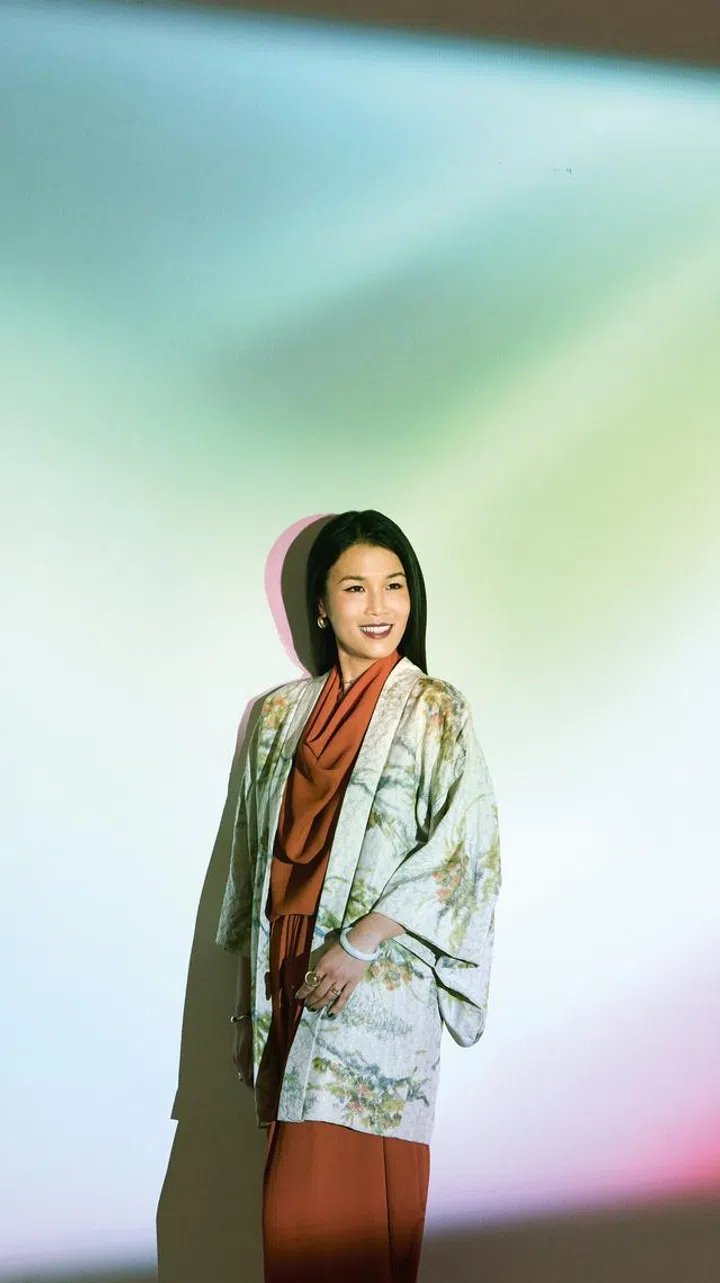
Despite the complexity and evolving nature of forecasting, Tang remains energised. “The satisfaction comes from the perpetual newness of it all,” she says. “There is always a new emerging force, or a counter-force rising to meet it.”
“There is a distinct thrill in the ‘detective work’ of the job, identifying the hidden links and narratives that others might have missed, and understanding how they will shape our tomorrow,” she adds.
Tang is excited by the growing adoption of futures thinking across the business, government and academia spheres, but believes the next step lies in broadening who gets to shape future narratives. Instead of being driven mainly by futurists, she hopes that futures thinking can span generations, cultures, and people from different socio-economic backgrounds.
“Futures thinking is a powerful tool that can be a driving force for a more hopeful perspective of the future,” she says. “If you’ve the ability to think about the future, it means that you have the power to reshape it.”