%22%3E%0A%3Cpath%20d%3D%22M412%20101.2H393.7C393.1%20101.2%20392.3%20100.9%20391.8%20100.5C377.3%2087.6004%20362.9%2074.6004%20348.4%2061.6004C344.8%2058.4004%20341.3%2055.2004%20337.7%2052.0004C337.1%2051.5004%20336.2%2051.1004%20335.5%2051.0004C334.2%2050.8004%20333%2051.0004%20331.5%2051.0004V101.1H316.7V0.100391H331.4V44.3004C331.9%2044.3004%20332.2%2044.4004%20332.5%2044.4004C334.9%2044.4004%20337.2%2044.5004%20339.6%2044.4004C340.4%2044.4004%20341.3%2044.0004%20341.8%2043.5004C351.6%2034.4004%20361.4%2025.2004%20371.1%2016.0004C376.5%2010.9004%20381.9%205.90039%20387.3%200.800391C387.9%200.200391%20388.5%200.000390626%20389.3%200.000390626H400.9C384.2%2015.8004%20367.8%2031.3004%20351.2%2047.0004C371.5%2065.0004%20391.8%2082.9004%20412.1%20100.9C412.1%20101%20412.1%20101.1%20412%20101.2ZM180.9%20101.2C184.1%2094.9004%20187.2%2088.9004%20190.3%2082.8004C198.3%2067.3004%20206.2%2051.8004%20214.2%2036.2004C220.3%2024.4004%20226.4%2012.5004%20232.4%200.700391C232.7%200.100391%20233%20-0.0996094%20233.7%20-0.0996094H248.1C248.8%20-0.0996094%20249.2%200.100391%20249.6%200.800391C256%2013.3004%20262.4%2025.7004%20268.8%2038.2004C279.3%2058.6004%20289.8%2079.0004%20300.3%2099.5004C300.5%20100%20300.8%20100.4%20301.1%20101.1C300.5%20101.1%20300.1%20101.2%20299.7%20101.2H286.5C285.6%20101.2%20285.1%20100.9%20284.7%20100.2C280.1%2091.3004%20275.4%2082.4004%20270.8%2073.4004C270.1%2072.1004%20269.3%2071.6004%20267.8%2071.6004H209.9C208.7%2071.6004%20208.1%2072.0004%20207.5%2073.1004C202.9%2082.1004%20198.2%2091.0004%20193.6%20100C193.1%20101%20192.6%20101.3%20191.5%20101.3C188.4%20101.2%20185.3%20101.3%20182.3%20101.3C182%20101.2%20181.6%20101.2%20180.9%20101.2ZM239.1%2011.4004C230%2029.2004%20221.1%2046.7004%20212.1%2064.3004H266.4C257.2%2046.7004%20248.2%2029.2004%20239.1%2011.4004ZM0%200.000390626H43.4C51.2%200.000390626%2058.7%201.20039%2065.7%204.80039C75.9%2010.0004%2078.9%2018.0004%2078.6%2027.4004C78.3%2034.3004%2076%2040.5004%2071.2%2045.5004C67.3%2049.6004%2062.4%2052.3004%2057.1%2054.3004C50.6%2056.7004%2043.9%2058.0004%2037.1%2058.6004C30.1%2059.2004%2023.1%2059.4004%2016.2%2059.7004C15.8%2059.7004%2015.3%2059.8004%2014.8%2059.8004V101.1H0.1C0%2067.4004%200%2033.8004%200%200.000390626ZM14.8%207.10039V52.2004C23.7%2052.4004%2032.6%2052.3004%2041.2%2050.1004C44.4%2049.3004%2047.6%2048.2004%2050.6%2046.7004C58.4%2043.0004%2062.3%2036.7004%2062.7%2028.0004C63%2019.9004%2059.5%2014.1004%2052.4%2010.5004C47.6%208.00039%2042.5%207.10039%2037.2%207.10039H14.8ZM95.9%20101.1V0.100391H167.3V7.20039H110.7V44.7004H158.1V51.9004H110.8V93.9004H171.1V101C146.1%20101.1%20121%20101.1%2095.9%20101.1Z%22%20fill%3D%22black%22%2F%3E%0A%3Cpath%20d%3D%22M35.0004%2025.7996H42.5004V20.6996H44.8004V33.1996H42.6004V27.5996H34.9004V33.2996H32.7004V20.7996H35.0004V25.7996ZM54.4004%2025.8996V27.2996H48.9004V31.6996H55.9004C55.9004%2032.1996%2056.0004%2032.5996%2056.0004%2033.0996H46.5004V20.5996H55.5004V21.8996H49.0004V25.7996C50.7004%2025.8996%2052.5004%2025.8996%2054.4004%2025.8996ZM25.9004%2033.0996H23.5004V21.9996H17.9004V20.6996H31.6004V22.0996H27.1004C26.2004%2022.0996%2025.9004%2022.2996%2025.9004%2023.1996C26.0004%2026.0996%2025.9004%2028.9996%2025.9004%2031.7996V33.0996Z%22%20fill%3D%22black%22%2F%3E%0A%3C%2Fg%3E%0A%3Cdefs%3E%0A%3CclipPath%20id%3D%22clip0_388_462%22%3E%0A%3Crect%20width%3D%22411%22%20height%3D%22101.2%22%20fill%3D%22white%22%2F%3E%0A%3C%2FclipPath%3E%0A%3C%2Fdefs%3E%0A%3C%2Fsvg%3E%0A)
The Courage Chapter fights ageism by turning “overqualified” into indispensable, proving seniors drive impact, not irrelevance.
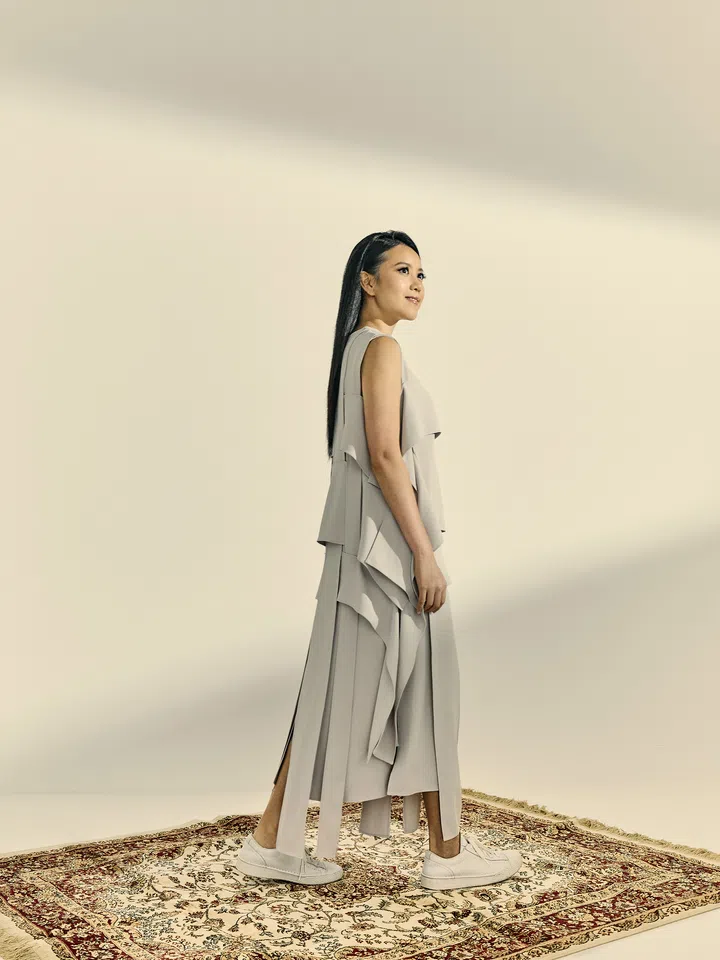
Instead of forcing them into predefined roles, CEO and co-founder Kai Ning Lim asks: “What if jobs were shaped around individual strengths?”
By Zat Astha /

Share this article
Why is your work important to the world today?
The way we work has changed. Life used to follow a predictable sequence — study, work for decades, and then retire. Today, people take sabbaticals, shift to part-time roles to care for family, or work longer but more flexibly.
Fixed career pathways no longer exist. We help businesses address short-term talent needs while giving experienced professionals opportunities to contribute meaningfully.
Work itself is also changing. As industries evolve, jobs today may look entirely different tomorrow. The most adaptable individuals will navigate multiple roles across fields, like polyglots mastering other languages. The Courage Chapter supports senior professionals in building diverse portfolios and income streams through fractional work.
At the same time, ageing is being redefined. Seniors with longer life expectancy and higher education levels represent a wealth of wisdom and skills. Yet outdated perceptions persist, limiting their potential contributions. By shifting how society views ageing, we empower seniors to remain engaged while businesses benefit from mentorship, specialised expertise, and strategic insight.
How would you define innovation in the work that you do?
Innovation at The Courage Chapter is about challenging the idea of retirement and proving that age is an asset, not a limitation. A mentor once told me, “We don’t retire; we re-tyre for the new road ahead.” That philosophy drives our work.
We create flexible work models like senior reternships and fractional roles, allowing seasoned professionals to continue contributing while learning new skills. By bridging generations and confronting ageist assumptions, we’re shaping a future where seniors are valued, empowered, and socially connected.
While technology helps us scale, the real innovation lies in transforming mindsets and building inclusive workplaces.

What do people most misunderstand about what the work you do aims to achieve?
Many assume The Courage Chapter is just a recruitment agency for senior professionals, but our mission goes beyond job placements. We want to change the perception of ageing, showing that seniors can be active contributors who complement younger professionals. Experience should translate into opportunity, aligning societal needs with seniors’ skills and personal fulfilment.
Hiring managers often worry that our seniors are “overqualified”. That’s precisely the point. Many have already reached career peaks and want to focus on impact. Instead of seeing overqualification as a drawback, we help companies recognise the immense value these individuals bring.
What would success at The Courage Chapter look like?
When I started, success meant being able to match one of my senior relatives with a meaningful, well-suited project immediately — one where they could contribute effectively and receive positive feedback from the company.
Achieving this at scale would mean we’ve built a steady pipeline of quality projects, deeply understood how to leverage senior talent, and enabled seamless workforce reintegration.

What small but impactful changes have you introduced that challenge the status quo in your industry?
Traditional recruitment focuses on fitting a person to a job. However, senior professionals offer more than functional expertise — they bring leadership, strategic thinking, and stakeholder management. Instead of forcing them into predefined roles, in The Courage Chapter, we ask: what if jobs were shaped around individual strengths? This concept has been discussed in HR circles but rarely implemented.
With Unilever, we introduced the Reternship Programme, reversing the usual recruitment process. Instead of matching seniors to existing roles, we attracted experienced professionals aligned with Unilever’s culture and then had business leaders review profiles to find ways to leverage their skills.
It’s a different way of thinking — one that celebrates dynamic career profiles and turns experience into an asset.
What has been the most challenging part of your job that you have never shared with anyone?
The most complex challenges are always personal. Self-doubt creeps in, especially on tough days. I see peers advancing in their careers and earning well, and sometimes I feel the FOMO.
I wonder if choosing a less conventional, financially uncertain path is fair to my family. But deep down, I believe in what we’re building at The Courage Chapter, and that conviction keeps me going.
When you look at the state of the world today, what is the one thing that gives you hope?
I came across historical images recently — an ancient complaint carved in stone, a meme from the 1920s, a love letter from 16th-century Korea. It reminded me that human nature doesn’t change. While there are always those who cause harm, many more bring kindness and care, working to improve the world.
It’s hard to stay hopeful when the news is bleak, but history shows that societies struggle, adapt, and improve over time.
What gives me the most hope is seeing peers with strong ethical and social ideals — not just talking about change but taking action. Society is becoming more inclusive and open, so there’s plenty to be hopeful about.