%22%3E%0A%3Cpath%20d%3D%22M412%20101.2H393.7C393.1%20101.2%20392.3%20100.9%20391.8%20100.5C377.3%2087.6004%20362.9%2074.6004%20348.4%2061.6004C344.8%2058.4004%20341.3%2055.2004%20337.7%2052.0004C337.1%2051.5004%20336.2%2051.1004%20335.5%2051.0004C334.2%2050.8004%20333%2051.0004%20331.5%2051.0004V101.1H316.7V0.100391H331.4V44.3004C331.9%2044.3004%20332.2%2044.4004%20332.5%2044.4004C334.9%2044.4004%20337.2%2044.5004%20339.6%2044.4004C340.4%2044.4004%20341.3%2044.0004%20341.8%2043.5004C351.6%2034.4004%20361.4%2025.2004%20371.1%2016.0004C376.5%2010.9004%20381.9%205.90039%20387.3%200.800391C387.9%200.200391%20388.5%200.000390626%20389.3%200.000390626H400.9C384.2%2015.8004%20367.8%2031.3004%20351.2%2047.0004C371.5%2065.0004%20391.8%2082.9004%20412.1%20100.9C412.1%20101%20412.1%20101.1%20412%20101.2ZM180.9%20101.2C184.1%2094.9004%20187.2%2088.9004%20190.3%2082.8004C198.3%2067.3004%20206.2%2051.8004%20214.2%2036.2004C220.3%2024.4004%20226.4%2012.5004%20232.4%200.700391C232.7%200.100391%20233%20-0.0996094%20233.7%20-0.0996094H248.1C248.8%20-0.0996094%20249.2%200.100391%20249.6%200.800391C256%2013.3004%20262.4%2025.7004%20268.8%2038.2004C279.3%2058.6004%20289.8%2079.0004%20300.3%2099.5004C300.5%20100%20300.8%20100.4%20301.1%20101.1C300.5%20101.1%20300.1%20101.2%20299.7%20101.2H286.5C285.6%20101.2%20285.1%20100.9%20284.7%20100.2C280.1%2091.3004%20275.4%2082.4004%20270.8%2073.4004C270.1%2072.1004%20269.3%2071.6004%20267.8%2071.6004H209.9C208.7%2071.6004%20208.1%2072.0004%20207.5%2073.1004C202.9%2082.1004%20198.2%2091.0004%20193.6%20100C193.1%20101%20192.6%20101.3%20191.5%20101.3C188.4%20101.2%20185.3%20101.3%20182.3%20101.3C182%20101.2%20181.6%20101.2%20180.9%20101.2ZM239.1%2011.4004C230%2029.2004%20221.1%2046.7004%20212.1%2064.3004H266.4C257.2%2046.7004%20248.2%2029.2004%20239.1%2011.4004ZM0%200.000390626H43.4C51.2%200.000390626%2058.7%201.20039%2065.7%204.80039C75.9%2010.0004%2078.9%2018.0004%2078.6%2027.4004C78.3%2034.3004%2076%2040.5004%2071.2%2045.5004C67.3%2049.6004%2062.4%2052.3004%2057.1%2054.3004C50.6%2056.7004%2043.9%2058.0004%2037.1%2058.6004C30.1%2059.2004%2023.1%2059.4004%2016.2%2059.7004C15.8%2059.7004%2015.3%2059.8004%2014.8%2059.8004V101.1H0.1C0%2067.4004%200%2033.8004%200%200.000390626ZM14.8%207.10039V52.2004C23.7%2052.4004%2032.6%2052.3004%2041.2%2050.1004C44.4%2049.3004%2047.6%2048.2004%2050.6%2046.7004C58.4%2043.0004%2062.3%2036.7004%2062.7%2028.0004C63%2019.9004%2059.5%2014.1004%2052.4%2010.5004C47.6%208.00039%2042.5%207.10039%2037.2%207.10039H14.8ZM95.9%20101.1V0.100391H167.3V7.20039H110.7V44.7004H158.1V51.9004H110.8V93.9004H171.1V101C146.1%20101.1%20121%20101.1%2095.9%20101.1Z%22%20fill%3D%22black%22%2F%3E%0A%3Cpath%20d%3D%22M35.0004%2025.7996H42.5004V20.6996H44.8004V33.1996H42.6004V27.5996H34.9004V33.2996H32.7004V20.7996H35.0004V25.7996ZM54.4004%2025.8996V27.2996H48.9004V31.6996H55.9004C55.9004%2032.1996%2056.0004%2032.5996%2056.0004%2033.0996H46.5004V20.5996H55.5004V21.8996H49.0004V25.7996C50.7004%2025.8996%2052.5004%2025.8996%2054.4004%2025.8996ZM25.9004%2033.0996H23.5004V21.9996H17.9004V20.6996H31.6004V22.0996H27.1004C26.2004%2022.0996%2025.9004%2022.2996%2025.9004%2023.1996C26.0004%2026.0996%2025.9004%2028.9996%2025.9004%2031.7996V33.0996Z%22%20fill%3D%22black%22%2F%3E%0A%3C%2Fg%3E%0A%3Cdefs%3E%0A%3CclipPath%20id%3D%22clip0_388_462%22%3E%0A%3Crect%20width%3D%22411%22%20height%3D%22101.2%22%20fill%3D%22white%22%2F%3E%0A%3C%2FclipPath%3E%0A%3C%2Fdefs%3E%0A%3C%2Fsvg%3E%0A)
From Karung Guni to design destination, this is how Hock Siong & Co remain relevant
Managing partner and eldest sister Brillyn Toh discusses transforming her family’s salvage business from a means of survival into a source of cultural capital.
By Azimin Saini /
Share this article
Brillyn Toh was just six-years-old when she first followed her father to work. She used to sit next to him in a small truck as he drove through Singapore, stopping beside bulky disposal bins. Singapore in the 1990s felt different at night — street lamps cast pools of amber light across near-empty roads, HDB void decks with long corridors glowed under harsh fluorescent tubes, and industrial estates fell silent after dark.
Inside the bins were the things people threw out: broken furniture, old appliances, torn bags of rubbish, and half-eaten packets of economy rice already beginning to rot amongst the mess. Her father would wade in anyway, sorting through the refuse piece by piece, searching for anything that could be salvaged to be sold.
That scene was seared into her memory. Standing there amidst the stench and watching her father brush away rotting scraps of food, her little six-year-old heart broke.
“Even though I was very young, I felt sad for him,” she recalls quietly. “I knew it was hard work. I knew it was dirty.”
Her father was part of Singapore’s karung guni trade — the loose network of rag-and-bone collectors who scoured housing estates gathering newspapers, clothing, appliances, and anything else that could be resold. It was the kind of work many parents hoped their children would never have to continue, long before concepts like sustainability or circular economies entered public vocabulary.
Her father’s tireless labour would eventually become Hock Siong & Co, a design destination now run by Toh and her two sisters. Few could have imagined then that the same instincts underpinning the karung guni trade, of recognising value where others saw rubbish, would one day become a form of cultural currency.
In Singapore, where entire buildings disappear every few decades, Hock Siong built a business around rescuing the posessions people outgrew. Today, the warehouse has developed a cult following amongst interior designers, collectors, and young homeowners scouting for unique furnishings that nobody else has.

The new value of old things
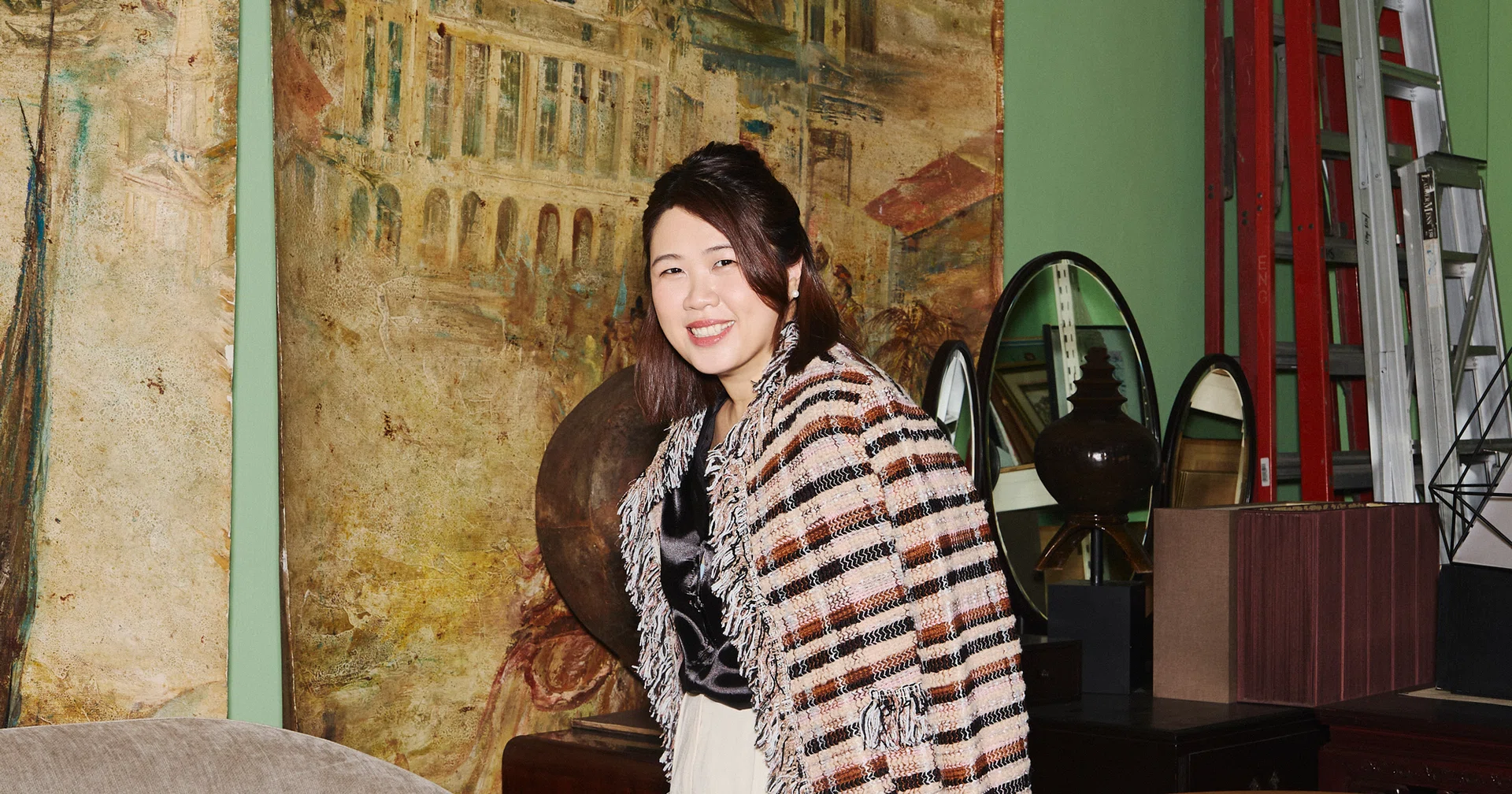
Going from karung guni man to its sprawling space in Kampong Ampat today took decades in the making. There are designer tables from shuttered luxury hotels, antique lamps, mid-century consoles, and creaking teakwood wardrobes older than some of the customers ambling through the store. On weekends, young couples wander between the aisles with iced coffees in hand, photographing objects they cannot find elsewhere.
“People come for the hunt,” reflects Toh. “They want to discover something unknown, something with history, something they cannot simply order online.”
Beneath the growing interest in vintage furniture and resale culture lies an operation that remains stubbornly physical, labour-intensive, and deeply difficult to scale. A wardrobe arriving at Hock Siong, for instance, does not simply roll onto the showroom floor. Someone has to inspect it, repair or replace broken parts, find space to display it, and then wait — sometimes for months — for the right buyer to appear.
“You can’t really scale this kind of business,” says Toh, now 38. “Once the object is sold, it’s gone.”
The hard economics of second-hand
During his teenage years, Toh’s father spent his afternoons helping sort the newspapers, clothing, toys, and electrical appliances collected by rag-and-bone traders across the island before loading them onto a pick-up truck.
Later, after a brief stint working as a lorry driver, he decided he no longer wanted merely to collect discarded goods. He wanted to become the middleman consolidating and exporting them to neighbouring countries.
By the early 1990s, he had rented a small industrial unit — part of the same premises Hock Siong still occupies today. Karung guni collectors would arrive throughout the day to offload goods that would later be sorted according to resale value before being exported. Everything from old clothes, electrical appliances, televisions, toys, newspapers, and household items passed continuously through the warehouse.
There was little romance attached to any of it; it was grueling but honest work. And while margins were thin, it fed the family through the decades, paid the bills, and helped put all his daughters through school.
Reinventing the family trade
Then came the 1997 Asian Financial Crisis.
By that time, much of the business depended on exporting used goods into developing markets such as Indonesia. When currencies across the region collapsed, customers stopped paying almost overnight. Shipments already sent overseas turned into unsold inventory. Money stopped flowing back into Singapore even as rent, salaries, and operating costs continued piling up at home.
“The situation became very dire,” recalls Toh. “A lot of our sales were done on credit, and suddenly customers overseas stopped paying.”
For a business already operating on thin margins, the effects were devastating. The trade that had fed the family suddenly looked frighteningly fragile.
Then an unexpected opportunity appeared. The former Marco Polo Hotel was closing, and for the first time, hundreds of hotel room furnishings entered Hock Siong’s orbit.
Hotels soon became one of the company’s primary supply sources, though the economics were rarely straightforward. Buying hotel furniture meant taking everything — beds, tables, chairs, cabinets — sometimes across hundreds of rooms at once. “You had to buy them lock, stock, barrel,” Toh explains.
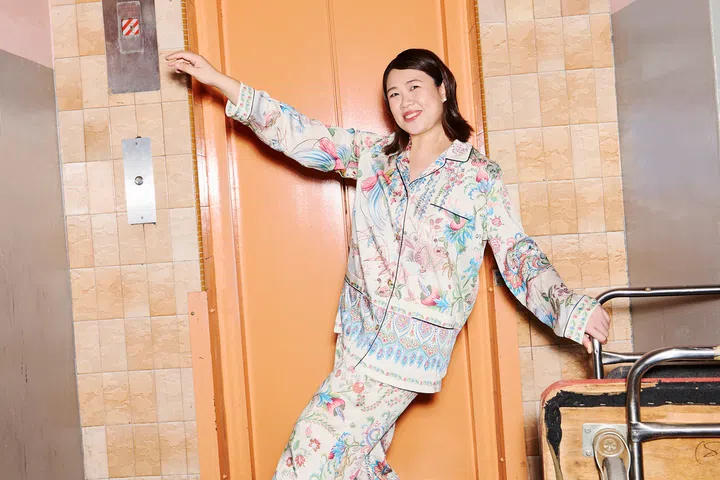
Silk blend blouse with matching pants from Etro.
Toh and her sisters found themselves helping out during school holidays. “My father was Chinese educated and didn’t really know how to write quotations properly,” she says with a smile. “At that time everything was handwritten, so because we knew English from school, we would help him prepare the paperwork.”
When she officially joined the business full-time after graduating from the National University of Singapore in 2011, she entered what many told her was a sunset industry.
The reason? China’s manufacturing prowess was growing with every passing month. Soon, cheap furniture from China muscled into the market.
Singaporeans replaced their furnishings instead of repairing them. Older luxury hotels that once furnished rooms with solid timber furniture gravitated towards plywood, laminates, and custom-built interiors designed for shorter lifespans. It increasingly felt as though businesses built around repairing and selling old things were on their last legs.
And then SARS hit and the situation deteriorated further. At one point, the company accumulated significant debt, including money owed to its landlord simply to keep operations going. Toh still remembers the relief she felt when the landlord extended credit instead of forcing the family out.
“We slowly, slowly paid them back,” she says.
Survival came from small decisions repeated over years. The warehouse’s open industrial frontage meant passing motorists could peer directly inside. As curious customers wandered in, word spread gradually.
The arrival of social media
The game changer arrived in the form of Facebook. When Toh joined the company, social media was still largely unexplored territory for traditional businesses. Creating a Facebook page cost nothing, and so she began posting photographs of their furniture online simply to see what might happen. What began almost experimentally soon altered the trajectory of the business.
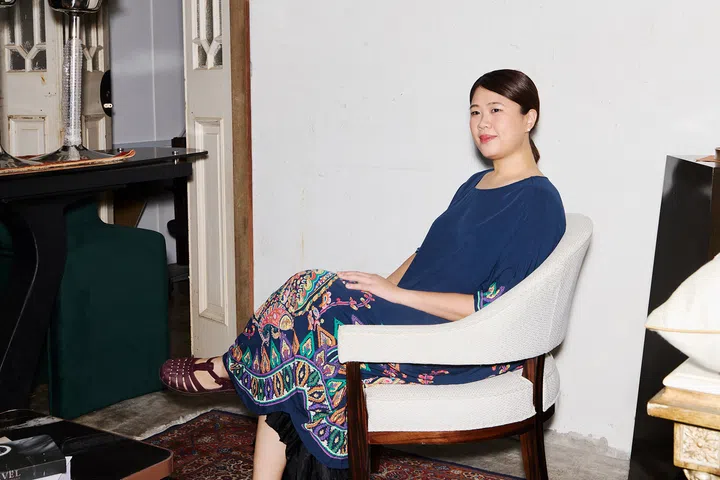
Silk blend kaftan from Etro. Inner skirt, model’s own.
“We didn’t know it at the time, but social media completely changed the kind of people who started coming to Hock Siong,” she explains.
Instagram followed later, bringing with it a different audience altogether — architects, interior designers, young homeowners, collectors, and the endlessly online generation raised on Pinterest mood boards and algorithm-fed interiors.
Toh believes that younger Singaporeans are increasingly well-travelled, exposed to worldviews that consider sustainability, vintage stores, and interiors layered with older objects. Many no longer want homes that look identical to everyone else’s.
“Some people want something functional,” she says. “Some people want the history behind the object.”
Soon it became apparent that the internet had helped rescue a world Singapore once seemed determined to outgrow. A business once associated with hardship slowly evolved into something closer to a curated design destination.
Today, Hock Siong’s Instagram account has amassed more than 50,000 followers, and some pieces Toh posted would be snapped up before they had even properly reached the showroom floor.
Building something of their own
Key to this change is how social media itself has transformed the way Toh sources furniture. These days, almost every object entering Hock Siong passes through her first, whether through grainy WhatsApp photographs sent late at night or in-person visits to hotels, shuttered businesses, and sprawling homes preparing to clear decades of accumulated belongings. The warehouse no longer waits passively for things to arrive. People now actively seek Hock Siong out.
Some pieces are dismissed immediately. Others reveal possibilities hidden beneath scratches, water stains, warped veneers, or years of neglect. In the warehouse behind the showroom floor, Hock Siong’s small in-house team of five carpenters dismantle wardrobes, rebuild cabinets, sand down old timber, and slowly coax damaged furniture back into circulation.
Yet behind the romance of vintage furniture lies a business still governed by instinct, manpower, logistics, and the unforgiving economics of space. Every object occupies rent. Every restoration consumes labour and time. A beautiful piece left unsold for too long can quietly become a liability.
“You might sell something for $500,” she says, “but if you store it for one year, maybe the rent already outweighs the amount.”

Later this year, Hock Siong will unveil its most significant transformation yet: a rebrand supported by a grant from the National Heritage Board, including a new logo, website, visual identity, and brand direction developed alongside external consultants.
For Toh, however, the rebrand is not about distancing the company from its past, but finally articulating what the business has gradually become after decades of operating largely on instinct and survival.
“Hock Siong has always existed very intuitively,” she says referring to how the business got by on day to day operations. “Now we are trying to build something more intentional.”
Her ambitions extend beyond Singapore. She hopes eventually to sell more curated and antique pieces internationally through e-commerce, expanding the business beyond local foot traffic.
Sometimes Toh thinks back to those nights following him around bulky disposal bins as a child, watching him climb through disposal bins while others questioned why someone with a university degree would choose to continue working in second-hand trade.
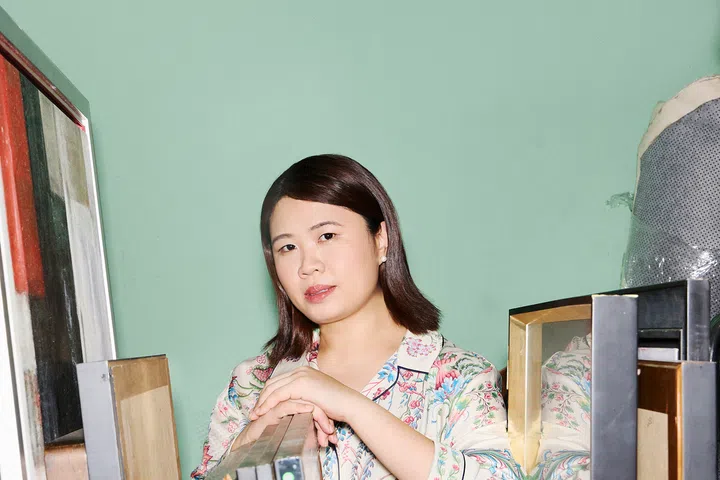
Silk blend blouse with pants from Etro.
The irony still surprises her sometimes. The work that once confronted her as a child — salvaging, repairing, seeing value where others saw discards — are now precisely what people come to Hock Siong looking for.
“Even when I was young and I followed my father around when I was still schooling… people would ask, ‘Are you sure you want to do this?’” she reflects.
“This business fed the family, paid for our schooling, and eventually sent me to university. I grew up well because of it. So I’m proud to continue on.”
Somewhere along the way, the six-year-old girl whose little heart once broke watching her father grew up to help transform the business into a place where young Singaporeans turn to in search of unique objects — proof that sometimes, the past too can become the present.
Photography: Isabelle Seah @thisabelle
Fashion Styling: Angela Chu @angela_wk
Makeup: Dorcas Yhj using Ysl @dorcasyhj
Hair: Aoi using Schwarzkopf Osis+ @aoismakeup