%22%3E%0A%3Cpath%20d%3D%22M412%20101.2H393.7C393.1%20101.2%20392.3%20100.9%20391.8%20100.5C377.3%2087.6004%20362.9%2074.6004%20348.4%2061.6004C344.8%2058.4004%20341.3%2055.2004%20337.7%2052.0004C337.1%2051.5004%20336.2%2051.1004%20335.5%2051.0004C334.2%2050.8004%20333%2051.0004%20331.5%2051.0004V101.1H316.7V0.100391H331.4V44.3004C331.9%2044.3004%20332.2%2044.4004%20332.5%2044.4004C334.9%2044.4004%20337.2%2044.5004%20339.6%2044.4004C340.4%2044.4004%20341.3%2044.0004%20341.8%2043.5004C351.6%2034.4004%20361.4%2025.2004%20371.1%2016.0004C376.5%2010.9004%20381.9%205.90039%20387.3%200.800391C387.9%200.200391%20388.5%200.000390626%20389.3%200.000390626H400.9C384.2%2015.8004%20367.8%2031.3004%20351.2%2047.0004C371.5%2065.0004%20391.8%2082.9004%20412.1%20100.9C412.1%20101%20412.1%20101.1%20412%20101.2ZM180.9%20101.2C184.1%2094.9004%20187.2%2088.9004%20190.3%2082.8004C198.3%2067.3004%20206.2%2051.8004%20214.2%2036.2004C220.3%2024.4004%20226.4%2012.5004%20232.4%200.700391C232.7%200.100391%20233%20-0.0996094%20233.7%20-0.0996094H248.1C248.8%20-0.0996094%20249.2%200.100391%20249.6%200.800391C256%2013.3004%20262.4%2025.7004%20268.8%2038.2004C279.3%2058.6004%20289.8%2079.0004%20300.3%2099.5004C300.5%20100%20300.8%20100.4%20301.1%20101.1C300.5%20101.1%20300.1%20101.2%20299.7%20101.2H286.5C285.6%20101.2%20285.1%20100.9%20284.7%20100.2C280.1%2091.3004%20275.4%2082.4004%20270.8%2073.4004C270.1%2072.1004%20269.3%2071.6004%20267.8%2071.6004H209.9C208.7%2071.6004%20208.1%2072.0004%20207.5%2073.1004C202.9%2082.1004%20198.2%2091.0004%20193.6%20100C193.1%20101%20192.6%20101.3%20191.5%20101.3C188.4%20101.2%20185.3%20101.3%20182.3%20101.3C182%20101.2%20181.6%20101.2%20180.9%20101.2ZM239.1%2011.4004C230%2029.2004%20221.1%2046.7004%20212.1%2064.3004H266.4C257.2%2046.7004%20248.2%2029.2004%20239.1%2011.4004ZM0%200.000390626H43.4C51.2%200.000390626%2058.7%201.20039%2065.7%204.80039C75.9%2010.0004%2078.9%2018.0004%2078.6%2027.4004C78.3%2034.3004%2076%2040.5004%2071.2%2045.5004C67.3%2049.6004%2062.4%2052.3004%2057.1%2054.3004C50.6%2056.7004%2043.9%2058.0004%2037.1%2058.6004C30.1%2059.2004%2023.1%2059.4004%2016.2%2059.7004C15.8%2059.7004%2015.3%2059.8004%2014.8%2059.8004V101.1H0.1C0%2067.4004%200%2033.8004%200%200.000390626ZM14.8%207.10039V52.2004C23.7%2052.4004%2032.6%2052.3004%2041.2%2050.1004C44.4%2049.3004%2047.6%2048.2004%2050.6%2046.7004C58.4%2043.0004%2062.3%2036.7004%2062.7%2028.0004C63%2019.9004%2059.5%2014.1004%2052.4%2010.5004C47.6%208.00039%2042.5%207.10039%2037.2%207.10039H14.8ZM95.9%20101.1V0.100391H167.3V7.20039H110.7V44.7004H158.1V51.9004H110.8V93.9004H171.1V101C146.1%20101.1%20121%20101.1%2095.9%20101.1Z%22%20fill%3D%22black%22%2F%3E%0A%3Cpath%20d%3D%22M35.0004%2025.7996H42.5004V20.6996H44.8004V33.1996H42.6004V27.5996H34.9004V33.2996H32.7004V20.7996H35.0004V25.7996ZM54.4004%2025.8996V27.2996H48.9004V31.6996H55.9004C55.9004%2032.1996%2056.0004%2032.5996%2056.0004%2033.0996H46.5004V20.5996H55.5004V21.8996H49.0004V25.7996C50.7004%2025.8996%2052.5004%2025.8996%2054.4004%2025.8996ZM25.9004%2033.0996H23.5004V21.9996H17.9004V20.6996H31.6004V22.0996H27.1004C26.2004%2022.0996%2025.9004%2022.2996%2025.9004%2023.1996C26.0004%2026.0996%2025.9004%2028.9996%2025.9004%2031.7996V33.0996Z%22%20fill%3D%22black%22%2F%3E%0A%3C%2Fg%3E%0A%3Cdefs%3E%0A%3CclipPath%20id%3D%22clip0_388_462%22%3E%0A%3Crect%20width%3D%22411%22%20height%3D%22101.2%22%20fill%3D%22white%22%2F%3E%0A%3C%2FclipPath%3E%0A%3C%2Fdefs%3E%0A%3C%2Fsvg%3E%0A)
Living longer has never been easier, but living well, says NOVI Health’s co-founder, still demands discipline, prevention, and patience
Forget ice baths if you’re chasing longevity. Kyle Tan argues that the real determinants of ageing well remain metabolic health, muscle, sleep, and discipline.
By Zat Astha /
Share this article
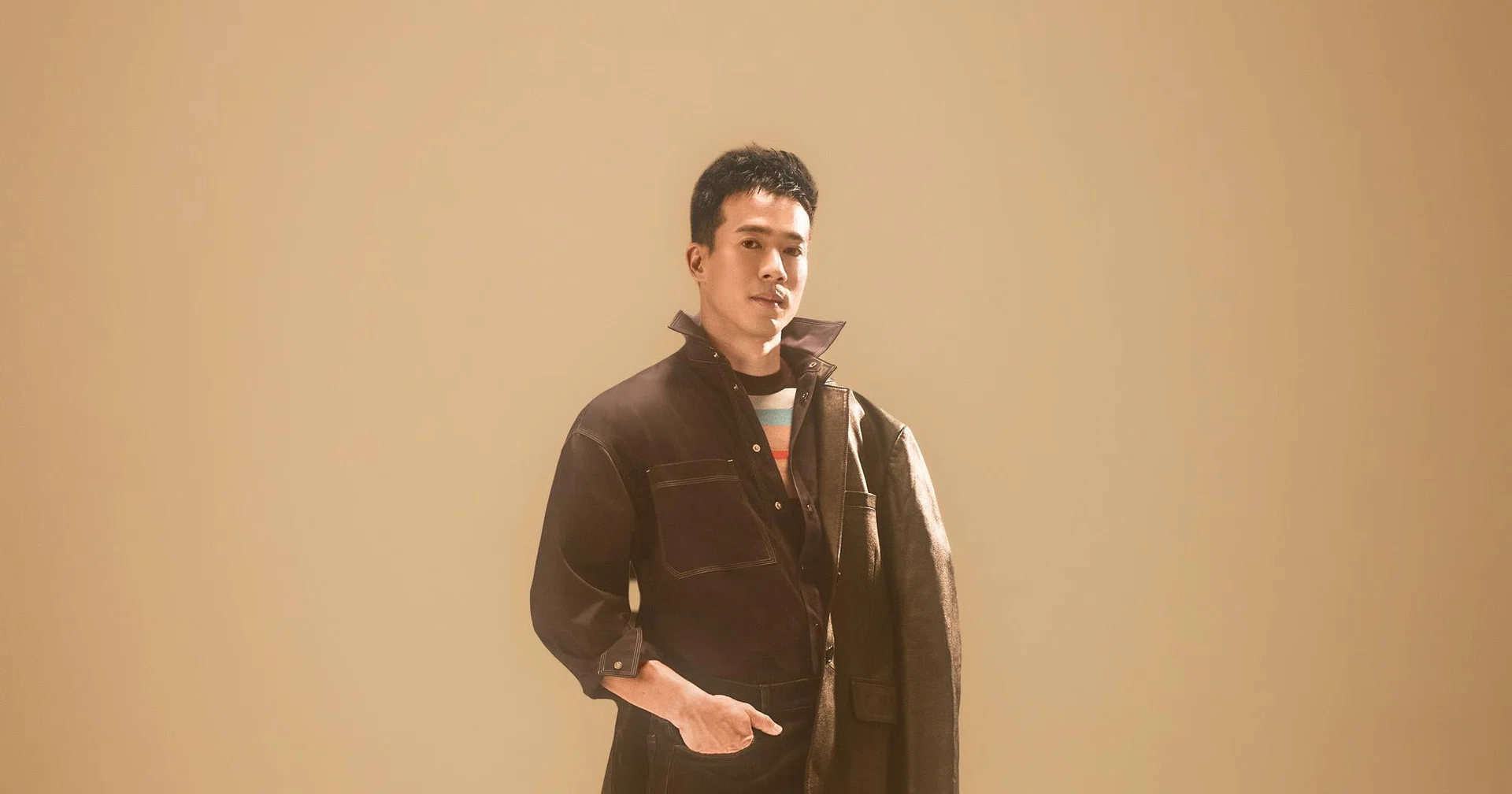
The pursuit of staying alive has always been the primary mandate of medicine, but Kyle Tan is interested in something far more nuanced than mere survival. As the co-founder of NOVI Health — a specialist clinic that integrates clinical treatments with lifestyle interventions to manage chronic conditions like diabetes and obesity — Tan is at the forefront of a shifting paradigm. He isn’t just looking to add years to a life; he is looking to add life to those years.
“Lifespan is pretty straightforward,” Tan explains, leaning into a distinction that is increasingly defining the future of geriatric science. “It’s literally how long you live. Basically, you can think of it as life expectancy. In Singapore right now, it’s between 80 and 84 for both males and females.”
But for Tan, the number on a birth certificate is a hollow victory if it isn’t accompanied by vitality. “Healthspan, on the other hand, is actually the number of years that you live in good health, where you’re still able to function meaningfully and do what you want without the burden of chronic conditions or functional decline.”
His is a distinction between existing and thriving — between being tethered to a hospital bed and being able to travel or play with grandchildren. “It’s maybe just being alive versus being able to do what you want and enjoy what we live to do — spend time with your grandkids, your kids, being able to travel, stay independent, do the hobbies and activities that you like,” he says.
The new architecture of ageing
At NOVI Health, this philosophy dictates a departure from the traditional “break-fix” model of healthcare. “We’re trying to really move away from just keeping people alive,” Tan notes, his voice carrying a mix of clinical precision and quiet conviction. “So, what we talked about earlier — treating that heart attack, treating that stroke — and instead really helping people preserve their health and their function for as long as possible.”
This shift is partly a response to a generational trauma. The younger generation is watching their parents and grandparents reach great ages, but often in states of profound frailty. “They also realise that maybe they don’t want to live that long if those years aren’t good,” Tan observes. “They want good-quality years as they age, to be able to do what they want, to be independent, to function well.”

Consequently, the metrics of success are changing. While a traditional doctor might look only at blood pressure, Tan is looking at “the softer things” that determine quality of life in one’s eighth decade.
“If we talk about simple things like your physical capacity, right, like your lean muscle mass, which we know is one of the very important things to preserve metabolic health and function as you grow older,” he says.
He also points to VO2 max, the measure of cardiorespiratory reserve. “Those are things that, in the past, we wouldn’t have focused on, but they are things that we proactively look at right now, because we know they will have an impact on your healthspan in the long run.”
The noise of “sexy” science
Today, as the concept of longevity has gained mainstream traction, it has inevitably become “sexy” — and with sexiness comes the “dirty connotation” of the unregulated. Tan acknowledges that the field is currently crowded with influencers, gym owners, and “longevity doctors” operating in a space where formal specialisations don’t yet exist in Singapore.

“There are so many treatments, protocols, whatever you want to call them, out there, supplements too, and most of it is really, I think, unregulated,” he says. He finds it concerning when patients prioritise the avant-garde over the essential.
“Sometimes people are missing the important things. For example, they could be sleeping very poorly, or maybe they have high cholesterol, and they’re just not dealing with it. Yet, they’re focusing on hyperbaric oxygen treatment. The ice bath.”
To Tan, these “sexy” biohacks are often distractions from the “six pillars” of longevity: nutrition, activity, sleep, recovery, social connectedness, and health management. “Those are the unsexy things,” he admits. “Because the basics are the hardest things to do. It’s very hard to move every day compared to plunging yourself into an ice bath.”
He attributes this to human nature and the delay of gratification. “If you do all these things for your health, the payoff might come 20 or 30 years later,” he notes. “So it’s always easier to do something where you get immediate gratification rather than keep grinding away at something where the result only becomes visible decades down the line.”
Democratising the fountain of youth
This human desire for a shortcut has inadvertently fueled an industry that can feel increasingly exclusionary. If the “unsexy” work of habit-building is the hardest to sustain, the high-tech alternatives have become the ultimate luxury.

Consequently, the current state of longevity science often feels like a “rich person problem” — a premium tier of care reserved for those who can afford to buy their way into the frontier of health. Tan doesn’t shy away from this reality but views it through the lens of technological evolution.
“If we take a step back and look at the bigger picture, with any new technology or shift in healthcare, it usually starts with early adopters,” he says. “Those early adopters essentially absorb the cost of proving that something works, and they provide the capital that allows the technology and delivery systems to evolve and eventually become cheaper.”
He cites genomic sequencing as a prime example — once costing billions, it now costs a few hundred dollars. “It might take five years, it might take 10 years, but costs will come down.”
In the meantime, NOVI Health is bridging the gap between high-level research and clinical application through partnerships. One such collaboration is with the National University of Singapore (NUS Medicine) to integrate “LinAge”, a biological ageing clock. Unlike a standard screening, LinAge uses routine clinical data to calculate how fast a person is ageing internally.
“This allows clinicians to identify individuals who are ageing faster than expected, pinpoint specific drivers of accelerated ageing such as metabolic dysfunction or chronic inflammation, and track whether lifestyle interventions... are having a measurable effect over time.”
Ultimately, Tan’s vision is one where the complexity of the science serves the simplicity of the goal. He believes that “the complexion of ageing is going to be very different in our generation versus the past”.
By combining rigorous evidence with the “unsexy” discipline of daily habits, he is helping patients write a different ending to their stories — one in which the final chapters are defined by independence rather than decline.
Art direction: Fazlie Hashim
Photographer: Lawrence Teo
Stylist: Dolphin Yeo
Grooming: Grego Oh, using REVLONPROFESSIONALSG and Shiseido