%22%3E%0A%3Cpath%20d%3D%22M412%20101.2H393.7C393.1%20101.2%20392.3%20100.9%20391.8%20100.5C377.3%2087.6004%20362.9%2074.6004%20348.4%2061.6004C344.8%2058.4004%20341.3%2055.2004%20337.7%2052.0004C337.1%2051.5004%20336.2%2051.1004%20335.5%2051.0004C334.2%2050.8004%20333%2051.0004%20331.5%2051.0004V101.1H316.7V0.100391H331.4V44.3004C331.9%2044.3004%20332.2%2044.4004%20332.5%2044.4004C334.9%2044.4004%20337.2%2044.5004%20339.6%2044.4004C340.4%2044.4004%20341.3%2044.0004%20341.8%2043.5004C351.6%2034.4004%20361.4%2025.2004%20371.1%2016.0004C376.5%2010.9004%20381.9%205.90039%20387.3%200.800391C387.9%200.200391%20388.5%200.000390626%20389.3%200.000390626H400.9C384.2%2015.8004%20367.8%2031.3004%20351.2%2047.0004C371.5%2065.0004%20391.8%2082.9004%20412.1%20100.9C412.1%20101%20412.1%20101.1%20412%20101.2ZM180.9%20101.2C184.1%2094.9004%20187.2%2088.9004%20190.3%2082.8004C198.3%2067.3004%20206.2%2051.8004%20214.2%2036.2004C220.3%2024.4004%20226.4%2012.5004%20232.4%200.700391C232.7%200.100391%20233%20-0.0996094%20233.7%20-0.0996094H248.1C248.8%20-0.0996094%20249.2%200.100391%20249.6%200.800391C256%2013.3004%20262.4%2025.7004%20268.8%2038.2004C279.3%2058.6004%20289.8%2079.0004%20300.3%2099.5004C300.5%20100%20300.8%20100.4%20301.1%20101.1C300.5%20101.1%20300.1%20101.2%20299.7%20101.2H286.5C285.6%20101.2%20285.1%20100.9%20284.7%20100.2C280.1%2091.3004%20275.4%2082.4004%20270.8%2073.4004C270.1%2072.1004%20269.3%2071.6004%20267.8%2071.6004H209.9C208.7%2071.6004%20208.1%2072.0004%20207.5%2073.1004C202.9%2082.1004%20198.2%2091.0004%20193.6%20100C193.1%20101%20192.6%20101.3%20191.5%20101.3C188.4%20101.2%20185.3%20101.3%20182.3%20101.3C182%20101.2%20181.6%20101.2%20180.9%20101.2ZM239.1%2011.4004C230%2029.2004%20221.1%2046.7004%20212.1%2064.3004H266.4C257.2%2046.7004%20248.2%2029.2004%20239.1%2011.4004ZM0%200.000390626H43.4C51.2%200.000390626%2058.7%201.20039%2065.7%204.80039C75.9%2010.0004%2078.9%2018.0004%2078.6%2027.4004C78.3%2034.3004%2076%2040.5004%2071.2%2045.5004C67.3%2049.6004%2062.4%2052.3004%2057.1%2054.3004C50.6%2056.7004%2043.9%2058.0004%2037.1%2058.6004C30.1%2059.2004%2023.1%2059.4004%2016.2%2059.7004C15.8%2059.7004%2015.3%2059.8004%2014.8%2059.8004V101.1H0.1C0%2067.4004%200%2033.8004%200%200.000390626ZM14.8%207.10039V52.2004C23.7%2052.4004%2032.6%2052.3004%2041.2%2050.1004C44.4%2049.3004%2047.6%2048.2004%2050.6%2046.7004C58.4%2043.0004%2062.3%2036.7004%2062.7%2028.0004C63%2019.9004%2059.5%2014.1004%2052.4%2010.5004C47.6%208.00039%2042.5%207.10039%2037.2%207.10039H14.8ZM95.9%20101.1V0.100391H167.3V7.20039H110.7V44.7004H158.1V51.9004H110.8V93.9004H171.1V101C146.1%20101.1%20121%20101.1%2095.9%20101.1Z%22%20fill%3D%22black%22%2F%3E%0A%3Cpath%20d%3D%22M35.0004%2025.7996H42.5004V20.6996H44.8004V33.1996H42.6004V27.5996H34.9004V33.2996H32.7004V20.7996H35.0004V25.7996ZM54.4004%2025.8996V27.2996H48.9004V31.6996H55.9004C55.9004%2032.1996%2056.0004%2032.5996%2056.0004%2033.0996H46.5004V20.5996H55.5004V21.8996H49.0004V25.7996C50.7004%2025.8996%2052.5004%2025.8996%2054.4004%2025.8996ZM25.9004%2033.0996H23.5004V21.9996H17.9004V20.6996H31.6004V22.0996H27.1004C26.2004%2022.0996%2025.9004%2022.2996%2025.9004%2023.1996C26.0004%2026.0996%2025.9004%2028.9996%2025.9004%2031.7996V33.0996Z%22%20fill%3D%22black%22%2F%3E%0A%3C%2Fg%3E%0A%3Cdefs%3E%0A%3CclipPath%20id%3D%22clip0_388_462%22%3E%0A%3Crect%20width%3D%22411%22%20height%3D%22101.2%22%20fill%3D%22white%22%2F%3E%0A%3C%2FclipPath%3E%0A%3C%2Fdefs%3E%0A%3C%2Fsvg%3E%0A)
Hospitality’s evolution sees hospitality veteran Leong Teng Wui designing spaces that reflect life
The Ascott Limited’s chief design and technical officer has a three-step formula that he knows can foster lasting connections.
By Lyn Chan /

Share this article
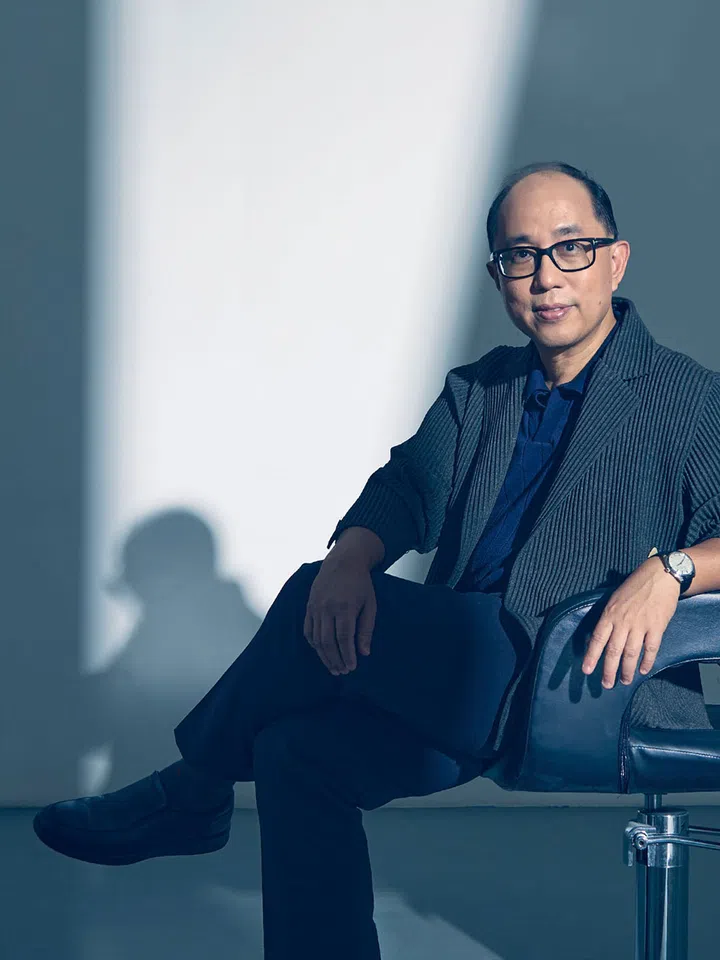
Hospitality, as Leong Teng Wui sees it, is about more than creating a place to stay — it is about shaping spaces that align with people’s ways of living, working, and connecting. As The Ascott Limited’s chief design and technical officer, he brings an urban planner’s mindset to the table, viewing each property as part of a dynamic system.
“Urban planning and urban design operate based on the scale of the city, districts and neighbourhoods,” he explains. “In many ways, hospitality developments where many people live, work, eat and play are akin to how cities or neighbourhoods work, where the different parts must come together to create a bigger whole.”
Hospitality for a new generation of travellers
According to Leong, the traditional concept of a hotel or serviced residence has been rejigged by the demand for unique, meaningful experiences. “Guests today are looking for one-of-a-kind experiential stays. It is no longer just about offering guests a room, apartment, or somewhere to rest their heads for the night.”
This philosophy comes to life in properties such as The Robertson House by The Crest Collection, launched in late 2023. Designed to immerse guests in Singapore’s rich riverside heritage of the 1800s, it offers a blend of nostalgia and modernity. Meanwhile, lyf, a brand aimed at next-generation travellers, fosters community through vibrant communal areas and social programmes, appealing to those who value connection and collaboration.
Leong also highlights the growing trend of blended travel, where the boundaries between work and leisure are increasingly blurred, highlighting: “The design of our properties and rooms needs to take this into consideration.”
Prioritising wellness and sustainability
Wellness is now a core consideration in hospitality design, thanks to the pandemic. Leong acknowledges this shift, noting, “Spaces to accommodate the needs and preferences of health-conscious guests will become increasingly key.”
The focus is reflected in properties like Citadines, which include fitness amenities and active lifestyle programmes, and Somerset, which offers eco-friendly play areas for families and “eco-gyms” where guests generate electricity while working out.
Sustainability is not just an add-on for Ascott; it is embedded in the company’s approach to design and operations. Leong describes the role of technology in this transformation: “We see sustainability technology in our design and operations as a major enabler in helping us create a greener hospitality environment for both guests and associates.”
Features such as solar energy systems, occupancy sensors, and green-building certifications showcase Ascott’s commitment across its properties. Somerset Greenways Chennai, for instance, uses 100 per cent renewable energy, while many Somerset properties worldwide have achieved EDGE certification for reductions in energy and water consumption.
Mixing local identity with innovation
While modernising properties with new features and cutting-edge technology, Leong never lets branding take a backseat. For him, each Ascott property must tell a story, one that honours its location while upholding the company’s renowned standards. “Across our brands, we incorporate local elements of the city or cultural influences in the design,” he explains.
It is particularly evident in properties like La Clef Tour Eiffel Paris. With its blend of classic Parisian architecture and bold, modernist touches by Catalan architect Ricardo Bofill, the property is a tribute to the city’s elegance while offering an inviting contemporary edge.
This careful balance between heritage and innovation defines Ascott’s approach to hospitality design, creating spaces that feel both authentic and globally recognisable.
A balance of innovation, philosophy and sustainability
To ensure its designs remain innovative and guest-centric, the 40-year-old hospitality company uses Ascott Innovation Hub to test ideas, from furniture systems to entire room layouts, before rolling them out globally. Collaborations with partners like Singapore Management University (SMU) and Samsung expand their capabilities with projects exploring co-living concepts and advanced hospitality technologies.
For Leong, however, design is as much about philosophy as technology. He measures the success of space through principles laid down centuries ago by Roman architect Vitruvius: built quality, utility, and beauty. To this timeless triad, Leong adds a fourth essential: sustainability. “All four aspects are equally important in contributing to a well-designed space,” he explains.
His sources of inspiration include reading widely, travelling and engaging with diverse cultures. These experiences inform his work, ensuring Ascott’s properties remain adaptable to evolving guest expectations while preserving a sense of place and purpose. Because all Leong wants to do is “(leave) the world a better place than when I found it”.