%22%3E%0A%3Cpath%20d%3D%22M412%20101.2H393.7C393.1%20101.2%20392.3%20100.9%20391.8%20100.5C377.3%2087.6004%20362.9%2074.6004%20348.4%2061.6004C344.8%2058.4004%20341.3%2055.2004%20337.7%2052.0004C337.1%2051.5004%20336.2%2051.1004%20335.5%2051.0004C334.2%2050.8004%20333%2051.0004%20331.5%2051.0004V101.1H316.7V0.100391H331.4V44.3004C331.9%2044.3004%20332.2%2044.4004%20332.5%2044.4004C334.9%2044.4004%20337.2%2044.5004%20339.6%2044.4004C340.4%2044.4004%20341.3%2044.0004%20341.8%2043.5004C351.6%2034.4004%20361.4%2025.2004%20371.1%2016.0004C376.5%2010.9004%20381.9%205.90039%20387.3%200.800391C387.9%200.200391%20388.5%200.000390626%20389.3%200.000390626H400.9C384.2%2015.8004%20367.8%2031.3004%20351.2%2047.0004C371.5%2065.0004%20391.8%2082.9004%20412.1%20100.9C412.1%20101%20412.1%20101.1%20412%20101.2ZM180.9%20101.2C184.1%2094.9004%20187.2%2088.9004%20190.3%2082.8004C198.3%2067.3004%20206.2%2051.8004%20214.2%2036.2004C220.3%2024.4004%20226.4%2012.5004%20232.4%200.700391C232.7%200.100391%20233%20-0.0996094%20233.7%20-0.0996094H248.1C248.8%20-0.0996094%20249.2%200.100391%20249.6%200.800391C256%2013.3004%20262.4%2025.7004%20268.8%2038.2004C279.3%2058.6004%20289.8%2079.0004%20300.3%2099.5004C300.5%20100%20300.8%20100.4%20301.1%20101.1C300.5%20101.1%20300.1%20101.2%20299.7%20101.2H286.5C285.6%20101.2%20285.1%20100.9%20284.7%20100.2C280.1%2091.3004%20275.4%2082.4004%20270.8%2073.4004C270.1%2072.1004%20269.3%2071.6004%20267.8%2071.6004H209.9C208.7%2071.6004%20208.1%2072.0004%20207.5%2073.1004C202.9%2082.1004%20198.2%2091.0004%20193.6%20100C193.1%20101%20192.6%20101.3%20191.5%20101.3C188.4%20101.2%20185.3%20101.3%20182.3%20101.3C182%20101.2%20181.6%20101.2%20180.9%20101.2ZM239.1%2011.4004C230%2029.2004%20221.1%2046.7004%20212.1%2064.3004H266.4C257.2%2046.7004%20248.2%2029.2004%20239.1%2011.4004ZM0%200.000390626H43.4C51.2%200.000390626%2058.7%201.20039%2065.7%204.80039C75.9%2010.0004%2078.9%2018.0004%2078.6%2027.4004C78.3%2034.3004%2076%2040.5004%2071.2%2045.5004C67.3%2049.6004%2062.4%2052.3004%2057.1%2054.3004C50.6%2056.7004%2043.9%2058.0004%2037.1%2058.6004C30.1%2059.2004%2023.1%2059.4004%2016.2%2059.7004C15.8%2059.7004%2015.3%2059.8004%2014.8%2059.8004V101.1H0.1C0%2067.4004%200%2033.8004%200%200.000390626ZM14.8%207.10039V52.2004C23.7%2052.4004%2032.6%2052.3004%2041.2%2050.1004C44.4%2049.3004%2047.6%2048.2004%2050.6%2046.7004C58.4%2043.0004%2062.3%2036.7004%2062.7%2028.0004C63%2019.9004%2059.5%2014.1004%2052.4%2010.5004C47.6%208.00039%2042.5%207.10039%2037.2%207.10039H14.8ZM95.9%20101.1V0.100391H167.3V7.20039H110.7V44.7004H158.1V51.9004H110.8V93.9004H171.1V101C146.1%20101.1%20121%20101.1%2095.9%20101.1Z%22%20fill%3D%22black%22%2F%3E%0A%3Cpath%20d%3D%22M35.0004%2025.7996H42.5004V20.6996H44.8004V33.1996H42.6004V27.5996H34.9004V33.2996H32.7004V20.7996H35.0004V25.7996ZM54.4004%2025.8996V27.2996H48.9004V31.6996H55.9004C55.9004%2032.1996%2056.0004%2032.5996%2056.0004%2033.0996H46.5004V20.5996H55.5004V21.8996H49.0004V25.7996C50.7004%2025.8996%2052.5004%2025.8996%2054.4004%2025.8996ZM25.9004%2033.0996H23.5004V21.9996H17.9004V20.6996H31.6004V22.0996H27.1004C26.2004%2022.0996%2025.9004%2022.2996%2025.9004%2023.1996C26.0004%2026.0996%2025.9004%2028.9996%2025.9004%2031.7996V33.0996Z%22%20fill%3D%22black%22%2F%3E%0A%3C%2Fg%3E%0A%3Cdefs%3E%0A%3CclipPath%20id%3D%22clip0_388_462%22%3E%0A%3Crect%20width%3D%22411%22%20height%3D%22101.2%22%20fill%3D%22white%22%2F%3E%0A%3C%2FclipPath%3E%0A%3C%2Fdefs%3E%0A%3C%2Fsvg%3E%0A)
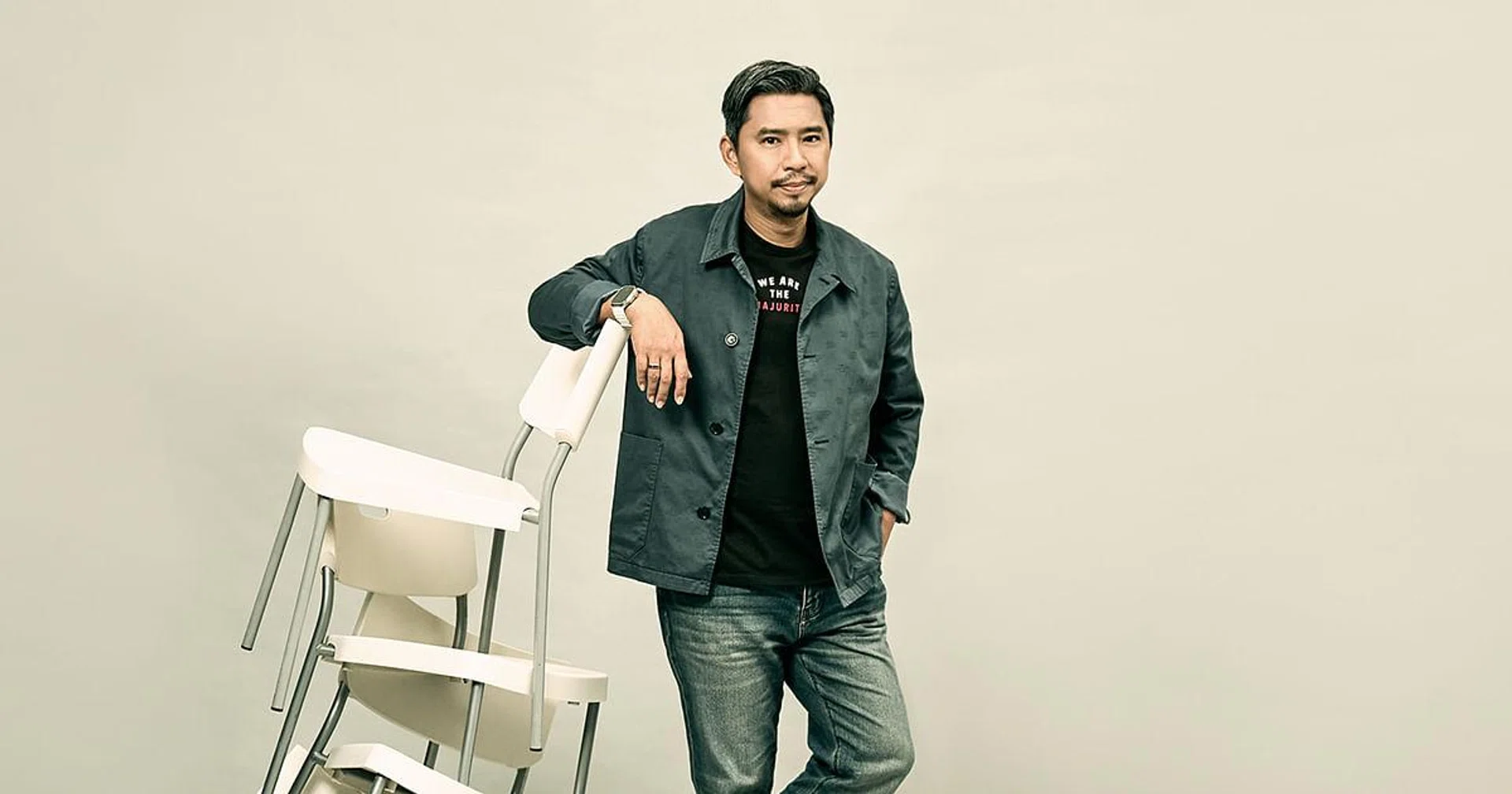
The idea of common good brings people together, says Martin Tan of The Majurity Trust
By focusing on building a supportive ecosystem and empowering grantee partners, The Majurity Trust is leading a transformative shift in how we give and collaborate for greater impact.
By Lyn Chan /
Share this article
Philanthropy has been making headlines. In January 2024, the World Economic Forum highlighted Dalio Philanthropies’ efforts to promote a deeper understanding and care for marine environments globally. A few months later, at the Philanthropy Asia Summit 2024, panellists stressed the need for solutions backed by the right policies and impact investments to achieve sustainable scale.
And then, just before my conversation with Martin Tan, The Straits Times published an op-ed highlighting the transformation in Singapore’s philanthropic landscape, driven by new players, incentives, and innovative financing mechanisms.
The article resonated deeply with Tan, the chief executive officer of The Majurity Trust (TMT), a Singapore philanthropic organisation that seeks to work with donors and social impact partners to build a thriving and sustainable local community. It echoed his thoughts on the evolution of giving and the critical role of building a supportive ecosystem for lasting impact.
“It highlighted the shift from traditional grant-making to fostering a philanthropic ecosystem. This is something we at TMT have been advocating for. It’s not just about the funds but about creating a collaborative environment where charities and donors work together towards common goals.”
How do we create a more caring and inclusive Singapore?
Building a community that cares is the first step, says CEO of The Majurity Trust. Here, he also explains what the Ministry of Social and Family Development’s initiative titled “Better Starts with Us” means to him.
“To me, it is really about agency. All of us have the agency to make change, whether in small or big ways. In many of my talks, I end with a simple observation and a simple question. In life, we really only have two options: it’s either we care or we don’t care. That’s it, really.
If we care, we will do something about it. If we don’t, we’ll simply let things go by and things will continue the way they were before and nothing gets better. So “Better Starts with Us” for me is I hope we have a community of people who care. Because that is the starting point of any thriving community.”
Watch this video to learn how help can start with the small things.
“Grow the giving pie”

Tan’s vision for TMT is clear and ambitious. “Our mission is to grow the giving pie in Singapore,” he states. “As our societal challenges become more complex, we need all hands on deck. We must expand our efforts to meet these needs rather than just reallocating existing resources.”
However, Tan is acutely aware of the bumps that lie ahead. One significant concern is the rate of fund deployment to charities and social impact agencies.
“We need to ensure that the giving pie has truly grown and that the funds pledged are quickly deployed to the ground where they are needed most,” he emphasises. “At TMT, our promise to our donors is a 100 per cent commitment rate within 12 months of funds raised, apart from multi-year funds. This ensures that the impact is felt swiftly and effectively.”
Acknowledging the economic uncertainty due to the Iran war and global impact, Tan explains: “We’ve seen some donors redirect their giving from longer term solutions to immediate needs like livelihood support, which we fully encourage. On our end, we’ve also made the decision to delay our ask of a few of our donors, knowing their businesses have exposure to the Middle East. In the midst of recalibrating their business needs, we didn’t feel we wanted to add another decision for them to make and will wait until the situation is a bit more stable and there is greater clarity before revisiting their giving again.”
Uniting for impact
TMT's approach to philanthropy is built on a powerful ideal: that everyone, regardless of their status or stage in life, can thrive.
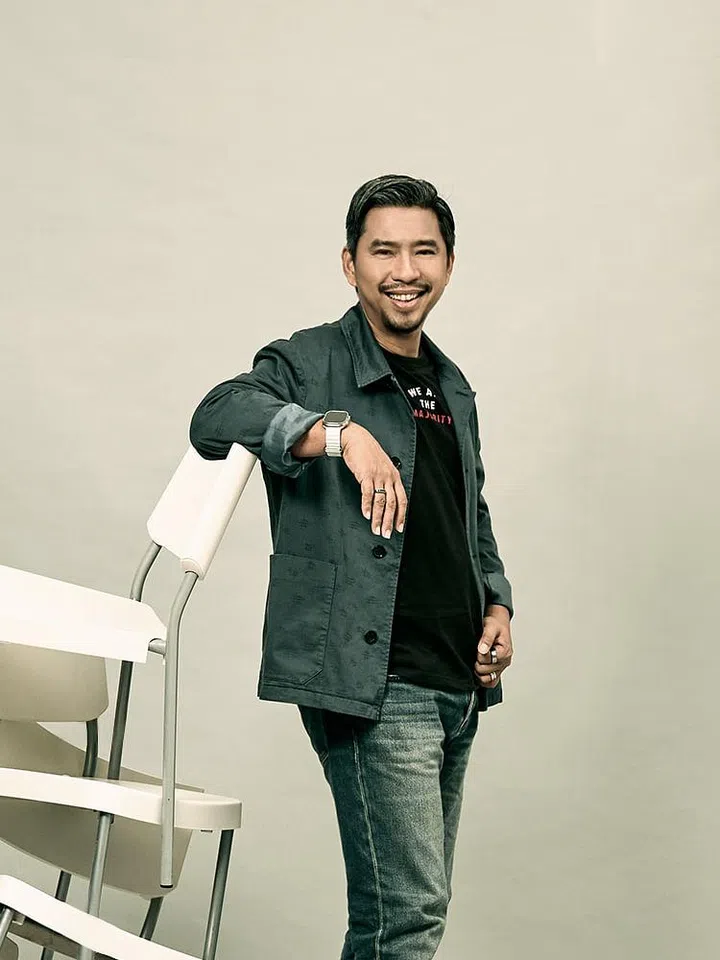
“We tap into the power of the collective,” Tan says passionately. “We bring together donors, grantee partners, stakeholders, government, and corporations to create an impact ecosystem. It's about supporting one another and achieving greater outcomes together.”
He feels that what sets the outfit apart from other philanthropic organisations is its desire to empower grantee partners. He adds that “we all play to our strengths in the sector”.
“We don’t define impact on our terms,” Tan points out. “We value the insights and expertise of the leaders on the ground. The power of philanthropy can be to remove impediments to social impact, whether that’s providing resources, connecting charities with networks, or investing in the capacity and capability of the leaders themselves so that they can do their work better.”
Collaboration, though challenging, is key to TMT’s success. “Everyone has their goals and approaches, but the idea of common good brings people together.”
Tan shares that there is now a more responsive and participatory giving landscape in Singapore, with donors stepping forward when needs are clearly communicated.
“One example is our grantee partner, Ray of Hope, Singapore’s only crowdfunding charity, which successfully closed campaigns for two babies with spinal muscular atrophy. Each child required gene therapy costing $2.37 million.,” shares Tan.
“Across both campaigns, more than 76,000 donors contributed, with many giving between $30 and $50. This showed the strength of broad-based giving, where modest individual contributions can collectively meet highly urgent and complex needs. Even amid economic uncertainty, the community continues to respond when there is trust, clarity, and a direct line of sight to impact.”
He is particularly concerned about vulnerable groups in Singapore that often fall through the cracks.
“The unseen needs worry me the most,” he admits. “Elderly men in isolation and socially reclusive youths with mental health challenges are groups that struggle silently. Their needs are real and urgent.”
He adds that other social issues which remain unseen include dementia, which is often seen as a senior issue. However, an emerging unmet need is the growing early-onset dementia group that starts now at age 40.
Education and social mobility are some other social issues with gaps that have not been addressed. “A critical gap that we’ve been seeing and believe requires more attention and resources is the persistent and widening achievement gap amongst children from disadvantaged backgrounds,” says Tan. “Unless we bring more interventions into this space, we will continue to see limited social mobility among these groups of families.”
Beyond the social issues in themselves, Tan also says what often goes undiscussed is the well-being of social impact professionals. “More data still needs to be collected to better understand the trends and gaps for us to intervene, but we are asking ourselves how we can better support the founders, staff teams and practitioners who have chosen this helping profession as a career. We believe that only if they are thriving, can the communities they serve thrive.”
Taking TMT to the next level
Reflecting on TMT’s evolution, Tan, who has always believed in the transformative power of philanthropy, expresses pride in their efforts to go beyond window dressing. “It’s gratifying to hear our grantee partners trust us enough to share their problems,” he says. “We believe in building a thriving ecosystem based on trust and mutual respect.”
One of TMT’s projects has been The Foundry, a social impact hub opened in November 2024. “Partnering with Singapore Land Authority and Singapore Government Partnerships Office to repurpose the former elections department building at 11 Prinsep Link is a milestone,” he reveals.
The Foundry is one of his proudest achievements “because we have the opportunity…to achieve something that is truly from the community, by the community, for the community”.
What has surprised him the most is how well The Foundry has settled into the social impact ecosystem in a short span of time.
“We’ve grown from 14 residents when we first launched, to 32 now, with over 10 organisations on the waitlist,” he says.
“We’ve always envisioned The Foundry as a social impact hub where anyone within the social impact ecosystem can call home. A place where, because people come for meetings, coffee, drinks or events and, in the process, bump into each other, catch up and potentially spark new ideas or collaborations.”
While excited about its establishment, he remains focused on the future of TMT and the broader philanthropic landscape. “My faith guides me. It compels me to translate words into action and serve.”
If there is a lesson that has stuck with him in his eight years at TMT, it is the potency of collective effort.
“Next year, Majurity marks our 10th year as a philanthropic organisation,” says Tan. “This is an endeavour we could not have undertaken without the trust and support of our donors, social impact partners, grantee partners and team. I’m grateful to everyone who has made this journey possible.”
He adds: “As we look ahead, the next chapter for Majurity is not simply about doing more. It is about doing philanthropy differently: more intentionally, more collaboratively and with a deeper commitment to lasting impact.
“One of the things I’m excited about building at Majurity is expanding our capital spectrum. Grants have long been the mainstay of our work, and still forms the bulk of our giving. But we are now experimenting with how to use more innovative financing tools to improve impact outcomes and sustainability.
“In 2021, we piloted Singapore’s first recyclable grant to help smaller emerging charities tide through cashflow challenges and build financial discipline. Today, we’re expanding that into a larger social finance fund to enable more enterprising mindsets within the social sector. Ultimately, our goal is to see more organisations -- whether charities or enterprises -- focus on creating impact. This way, we can not only move more capital towards impact, but have a better chance at addressing previously indelible problems,” he says.
“Creating real impact demands that we set aside self-interest for the common good to create incredible change. Together, we can achieve so much more.”
This story was first published on 16 Sep 2024 and updated on 25 Jun 2026. It is in support of the Better Starts with Us campaign, which aims to encourage Singaporeans to build a more caring and connected society together. Learn more at go.gov.sg/BetterStartsWithUs.
In partnership with the Ministry of Social and Family Development