%22%3E%0A%3Cpath%20d%3D%22M412%20101.2H393.7C393.1%20101.2%20392.3%20100.9%20391.8%20100.5C377.3%2087.6004%20362.9%2074.6004%20348.4%2061.6004C344.8%2058.4004%20341.3%2055.2004%20337.7%2052.0004C337.1%2051.5004%20336.2%2051.1004%20335.5%2051.0004C334.2%2050.8004%20333%2051.0004%20331.5%2051.0004V101.1H316.7V0.100391H331.4V44.3004C331.9%2044.3004%20332.2%2044.4004%20332.5%2044.4004C334.9%2044.4004%20337.2%2044.5004%20339.6%2044.4004C340.4%2044.4004%20341.3%2044.0004%20341.8%2043.5004C351.6%2034.4004%20361.4%2025.2004%20371.1%2016.0004C376.5%2010.9004%20381.9%205.90039%20387.3%200.800391C387.9%200.200391%20388.5%200.000390626%20389.3%200.000390626H400.9C384.2%2015.8004%20367.8%2031.3004%20351.2%2047.0004C371.5%2065.0004%20391.8%2082.9004%20412.1%20100.9C412.1%20101%20412.1%20101.1%20412%20101.2ZM180.9%20101.2C184.1%2094.9004%20187.2%2088.9004%20190.3%2082.8004C198.3%2067.3004%20206.2%2051.8004%20214.2%2036.2004C220.3%2024.4004%20226.4%2012.5004%20232.4%200.700391C232.7%200.100391%20233%20-0.0996094%20233.7%20-0.0996094H248.1C248.8%20-0.0996094%20249.2%200.100391%20249.6%200.800391C256%2013.3004%20262.4%2025.7004%20268.8%2038.2004C279.3%2058.6004%20289.8%2079.0004%20300.3%2099.5004C300.5%20100%20300.8%20100.4%20301.1%20101.1C300.5%20101.1%20300.1%20101.2%20299.7%20101.2H286.5C285.6%20101.2%20285.1%20100.9%20284.7%20100.2C280.1%2091.3004%20275.4%2082.4004%20270.8%2073.4004C270.1%2072.1004%20269.3%2071.6004%20267.8%2071.6004H209.9C208.7%2071.6004%20208.1%2072.0004%20207.5%2073.1004C202.9%2082.1004%20198.2%2091.0004%20193.6%20100C193.1%20101%20192.6%20101.3%20191.5%20101.3C188.4%20101.2%20185.3%20101.3%20182.3%20101.3C182%20101.2%20181.6%20101.2%20180.9%20101.2ZM239.1%2011.4004C230%2029.2004%20221.1%2046.7004%20212.1%2064.3004H266.4C257.2%2046.7004%20248.2%2029.2004%20239.1%2011.4004ZM0%200.000390626H43.4C51.2%200.000390626%2058.7%201.20039%2065.7%204.80039C75.9%2010.0004%2078.9%2018.0004%2078.6%2027.4004C78.3%2034.3004%2076%2040.5004%2071.2%2045.5004C67.3%2049.6004%2062.4%2052.3004%2057.1%2054.3004C50.6%2056.7004%2043.9%2058.0004%2037.1%2058.6004C30.1%2059.2004%2023.1%2059.4004%2016.2%2059.7004C15.8%2059.7004%2015.3%2059.8004%2014.8%2059.8004V101.1H0.1C0%2067.4004%200%2033.8004%200%200.000390626ZM14.8%207.10039V52.2004C23.7%2052.4004%2032.6%2052.3004%2041.2%2050.1004C44.4%2049.3004%2047.6%2048.2004%2050.6%2046.7004C58.4%2043.0004%2062.3%2036.7004%2062.7%2028.0004C63%2019.9004%2059.5%2014.1004%2052.4%2010.5004C47.6%208.00039%2042.5%207.10039%2037.2%207.10039H14.8ZM95.9%20101.1V0.100391H167.3V7.20039H110.7V44.7004H158.1V51.9004H110.8V93.9004H171.1V101C146.1%20101.1%20121%20101.1%2095.9%20101.1Z%22%20fill%3D%22black%22%2F%3E%0A%3Cpath%20d%3D%22M35.0004%2025.7996H42.5004V20.6996H44.8004V33.1996H42.6004V27.5996H34.9004V33.2996H32.7004V20.7996H35.0004V25.7996ZM54.4004%2025.8996V27.2996H48.9004V31.6996H55.9004C55.9004%2032.1996%2056.0004%2032.5996%2056.0004%2033.0996H46.5004V20.5996H55.5004V21.8996H49.0004V25.7996C50.7004%2025.8996%2052.5004%2025.8996%2054.4004%2025.8996ZM25.9004%2033.0996H23.5004V21.9996H17.9004V20.6996H31.6004V22.0996H27.1004C26.2004%2022.0996%2025.9004%2022.2996%2025.9004%2023.1996C26.0004%2026.0996%2025.9004%2028.9996%2025.9004%2031.7996V33.0996Z%22%20fill%3D%22black%22%2F%3E%0A%3C%2Fg%3E%0A%3Cdefs%3E%0A%3CclipPath%20id%3D%22clip0_388_462%22%3E%0A%3Crect%20width%3D%22411%22%20height%3D%22101.2%22%20fill%3D%22white%22%2F%3E%0A%3C%2FclipPath%3E%0A%3C%2Fdefs%3E%0A%3C%2Fsvg%3E%0A)
The link between Forvis Mazars’ dedicated relationship with DEI and its numerous HR Asia Best Company awards
Last year, Mazars won its seventh HR Asia Best Company Award. According to them, the award is a recognition of their DEI efforts.
By Jamie Wong /
Share this article
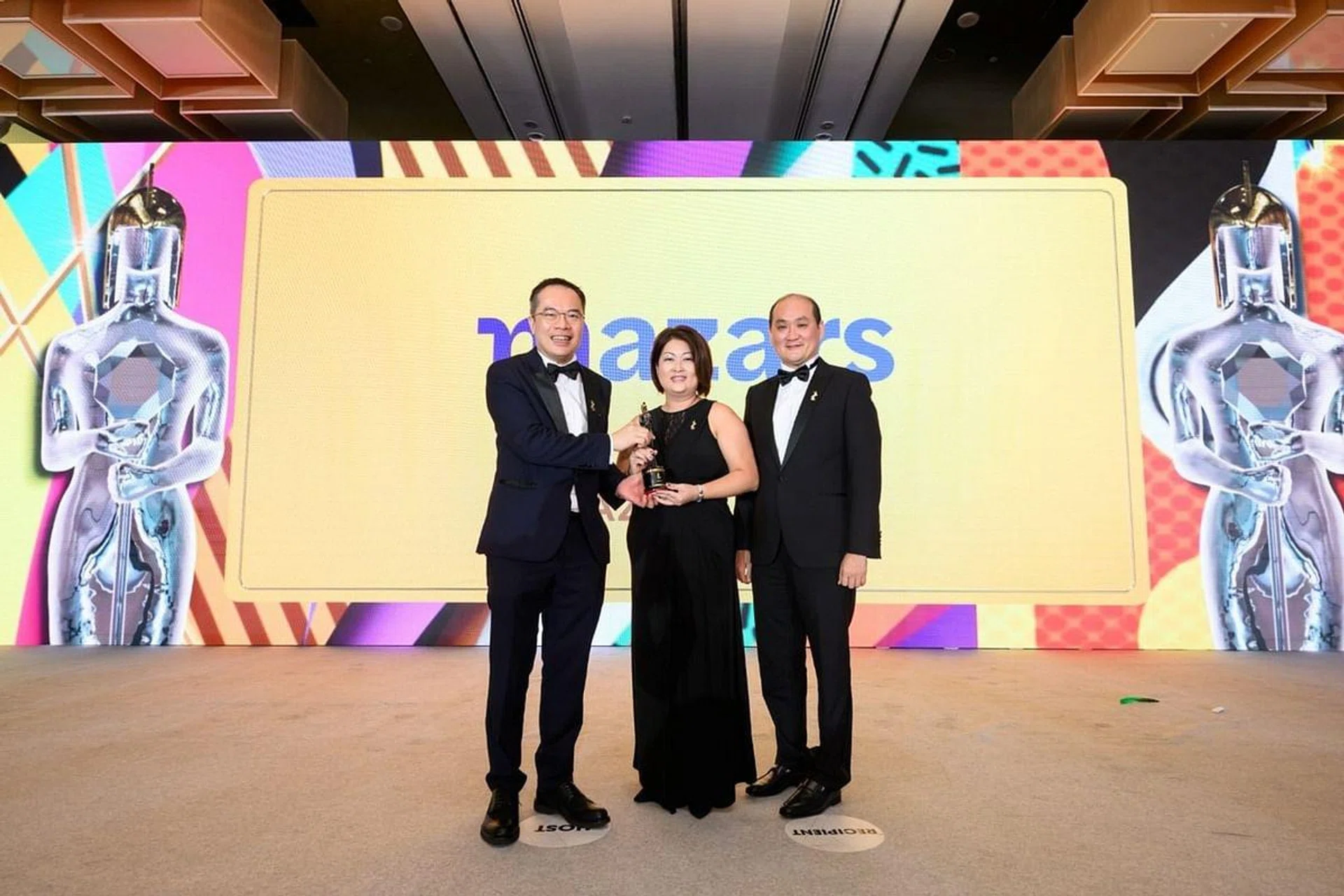
Late last year, Mazars in Singapore was named HR Asia Best Company to Work. This marks the seventh consecutive year that the company has received this award.
Held by HR Asia, the award recognises organisations that have been nominated by their employees. To select the winners from the nominees, the HR practices, employee engagement, and workplace cultures of the various organisations are considered.
According to Forvis Mazars, their dedication towards diversity and inclusion is one of the primary reasons their employees continue to nominate them for the award.
Tailored to the modern day
Like many Singapore-based companies, the audit, accounting, and consulting group encourages a hybrid work model. Under this model, companies usually designate a number of work-from-home (WFH) and office days.
On top of the usual WFH practices, Forvis Mazars also allows full time WFH arrangements overa fixed period of time for staff with medical or family commitments. Some reasons for employees who are recovering from an illness, or for parents who are anxious over their children’s major exams, and want to be more present at home.
Besides WFH, people are also given the option to choose flexible working arrangements (FWAs). These allow staff to opt for a late start in the morning, or an early release and working later in the day.
FWAs are likely most popular with family oriented staff. This way, employees can still fulfil their working hours but also meet family commitments, such as picking up their children from school, or attending regular doctors appointments with a parent.
Differently abled
FWAs also appeal to people with different needs, as they may need to structure their working hours to avoid peak hours.
For example, an employee who requires a wheelchair may opt for a late start so that they can avoid peak hours, as the crowded transport would make it difficult for this individual to board and align at their respective stops.
To better include their staff from minority groups as well, Forvis Mazars has also collaborated with TOMOwork, a charity that supports those with disabilities, and Women@work, a resource centre for women that assists them in navigating the workplace.
Having an inclusive workplace is important, but companies must also have an inclusive workforce, otherwise their initiatives will just appear skin deep. Therefore, inclusivity must also be considered during the hiring process. Forvis Mazars appears to be aware of this as well — they shared with us how they have previously welcomed staff with minor physical disabilities, and they also shared that women represent 61% of the Singapore workforce. On a more global scale, their Group Management Team has 50% female C-Level executives.
The younger generation
Another interesting statistic that the company shared was that 49% of their workforce in Singapore is below 30 years old — a fairly high statistic, especially when considering how companies in Singapore report a talent shortage.
It seems that Forvis Mazars has managed to attract a considerable population of young professionals.
The organisation did launch the Gen You campaign earlier this year. This campaign hoped to recruit new employees, and targets 18-25 year old young professionals. Forvis Mazars also regularly conducts outreach sessions in local institutions, and offers students from universities and polytechnics internship experience to encourage future application and retention.
While this initiative helped, a lot of companies are also doing similar activities to attract the younger generation.
The large proportion of younger staff in Forvis Mazars may be related to their attention to DEI. For younger generations, DEI is no longer a nice touch on top of a company — it is more akin to a prerequisite.
Developmental considerations
Besides programmes specifically target inclusivity, Forvis Mazars’ popularity among its employees may be on account of their talent development initiatives.
One such initiative is the Forvis Mazars Opportunities for Valuable Exchange (MOVE) programme. Employees who hope to develop their careers through international experience can opt for this. With the MOVE programme, they can move overseas from 2 to 6 months while working on a specific project. Notably, this opportunity is only available for employees with at least two years of experience.
The company can also source for and provide secondment opportunities for employees in Singapore to work overseas. Secondment opportunities are akin to exchange programmes, where employees will receive a new role in their organisation or a different organisation, and correspondingly gain new experiences.
For leaders there’s the specific LEAD programme. Senior leaders in Forvis Mazars gather and undergo leadership development training. Within this, the coaching skills of leaders are also developed, and this way leaders are aware and aligned with the company’s intentions towards sustainability and the workforce.
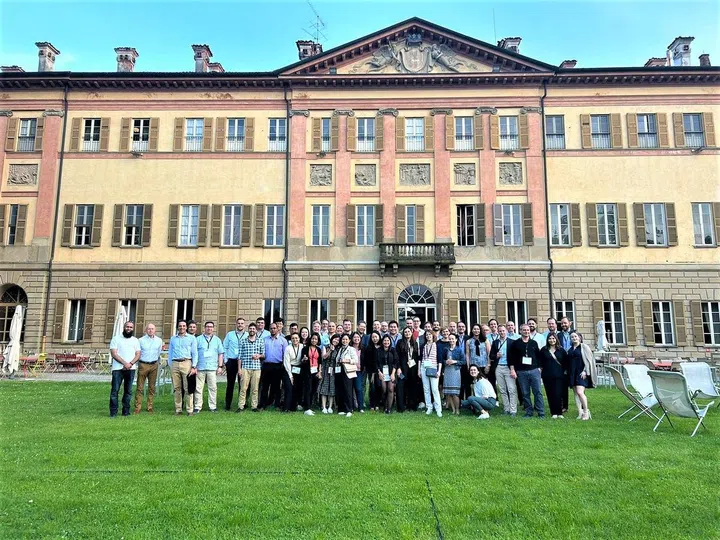
Forvis Mazars LEAD programme. (Image: Forvis Mazars)
Alphabet soup
Forvis Mazars dedication to DEI has clearly contributed to its numerous Asia HR Best Company nominations (and eventual awards), but in the present, discussions around corporate responsibility has shifted from conversations about DEI to ESG.
Given that, it may be easy to think that DEI efforts no longer have a place in the modern day, as ESG has become a more popular buzzword.
But the acronyms are not at odds. ESG is much broader than DEI, as it is a framework that encourages companies to examine the impact that they have on the societies that they function in. These frameworks look at the E and S of ESG — the Environmental and Social — impact that a company has, as well as the quality of their leadership through the G — Governance.
DEI can be seen as a subsection of the S (and sometimes even G) in ESG, since it specifically looks at uplifting minority groups who have traditionally faced large barriers to entry, and representing these voices at the leadership level.
Although DEI may have lost its popularity as a corporate buzzword, the case of Forvis Mazars shows how it still has a role in the present day. When looking at the outcomes that a dedication to DEI has, there’s the obvious social benefits — it is the right thing to do, and gives a company returns in social brownie points — but it also helps organisations attract and retain talent in the present day.