
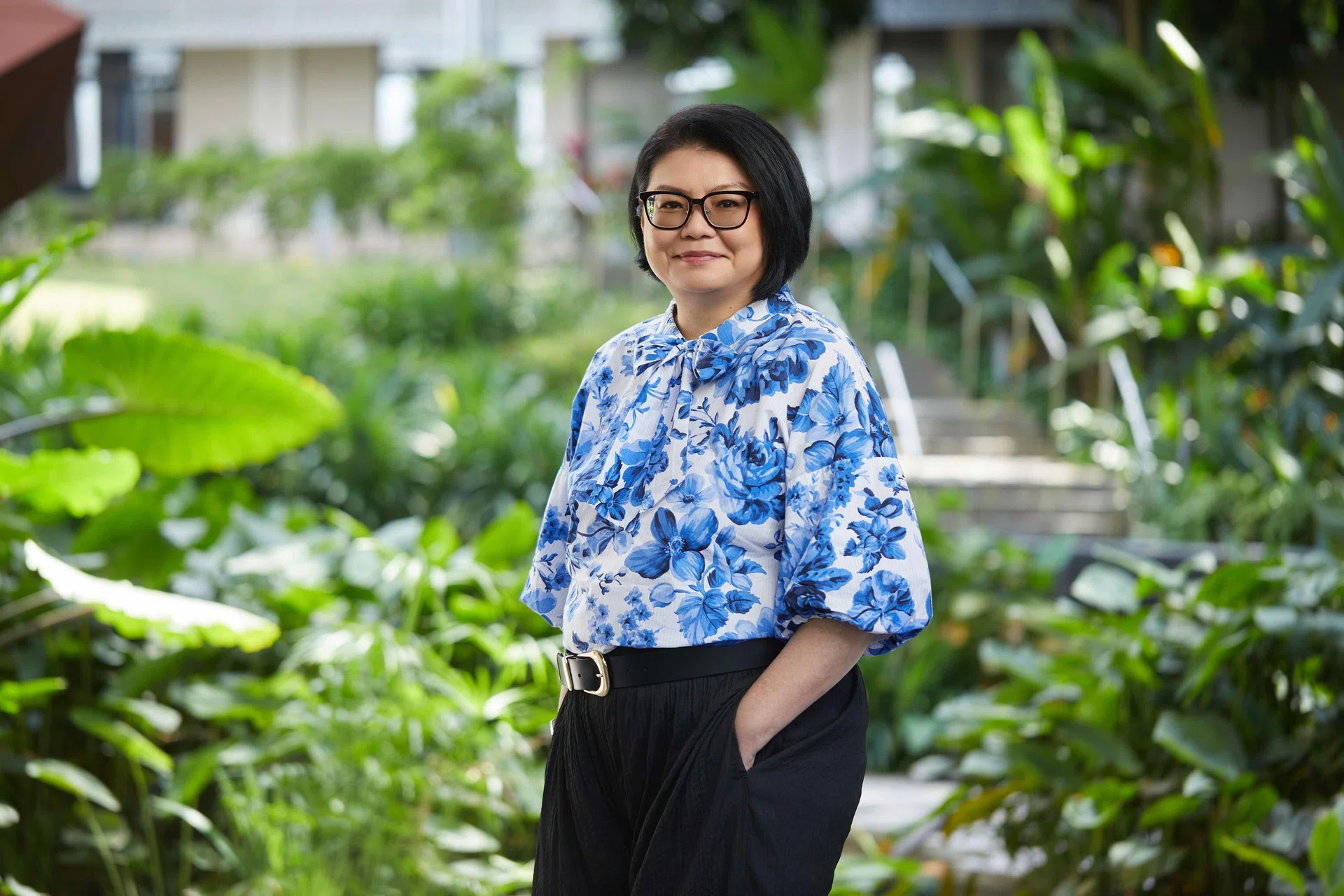
Singaporean lawyer and diplomat Rena Lee has made history after winning a seat on the International Court of Justice (ICJ), becoming the first Singaporean and the first woman from Southeast Asia elected to serve on the United Nations’ principal judicial body.
The 57-year-old Ambassador for International Law secured 151 out of 191 votes in the UN General Assembly and 13 out of 15 votes in the Security Council on 3 November 2026. She will begin her nine-year term on 6 February 2027, joining a 15-member bench in The Hague, Netherlands.
But long before her election, Lee had already established an international reputation for navigating some of the most complicated negotiations in global diplomacy.
A career spanning more than three decades
A graduate of the National University of Singapore’s Faculty of Law, Lee began her public service career at the Ministry of Defence in 1992. She subsequently joined the Attorney-General’s Chambers, where her work covered international agreements, maritime boundaries, environmental law, and relations between states.
Her appointments have taken her to The Hague, where she served as Singapore’s first Minister-Counsellor, and to the Intellectual Property Office of Singapore, which she led as chief executive from 2020 to 2025.
She became Singapore’s Ambassador for International Law in 2023, following an earlier appointment as Ambassador for Oceans and Law of the Sea Issues.
Throughout her career, Lee has worked at the intersection of law and diplomacy, negotiating agreements between countries whose political and economic interests do not always align.
The woman behind the historic high seas treaty
Lee’s most internationally recognised achievement came in March 2023, when she presided over the conclusion of negotiations for the United Nations’ landmark High Seas Treaty.
The agreement, formally known as the Biodiversity Beyond National Jurisdiction (BBNJ) Agreement, establishes a framework for protecting marine biodiversity in international waters, which lie beyond the jurisdiction of individual countries.
Negotiations had stretched over five years, with countries divided over issues ranging from the sharing of benefits derived from marine genetic resources to the establishment of protected areas in international waters.
After a marathon final negotiating session, Lee announced, “The ship has reached the shore,” prompting applause from delegates gathered at the UN headquarters in New York.
The treaty was formally adopted in June 2023 and entered into force in January 2026.
Her role in securing the agreement earned her a place on TIME magazine’s list of the 100 most influential people in 2024. She also received the Elisabeth Haub Award for Environmental Law and Diplomacy that year.
Why her appointment matters
Established in 1945, the ICJ settles legal disputes between countries and provides advisory opinions on questions of international law. Its cases can involve territorial sovereignty, maritime boundaries, treaty obligations, and allegations of violations of international law.
Lee’s election marks a significant milestone for Singapore, a small state that has consistently emphasised the importance of a rules-based international order.
She is the first Southeast Asian to join the court since César Bengzon of the Philippines, who served as an ICJ judge from 1967 to 1976.
While Lee has spent much of her career representing Singapore’s interests in international negotiations, her new position will require her to act independently of any national government. As an ICJ judge, she will participate in deliberations and rulings that can shape how international law is interpreted and applied.