%22%3E%0A%3Cpath%20d%3D%22M412%20101.2H393.7C393.1%20101.2%20392.3%20100.9%20391.8%20100.5C377.3%2087.6004%20362.9%2074.6004%20348.4%2061.6004C344.8%2058.4004%20341.3%2055.2004%20337.7%2052.0004C337.1%2051.5004%20336.2%2051.1004%20335.5%2051.0004C334.2%2050.8004%20333%2051.0004%20331.5%2051.0004V101.1H316.7V0.100391H331.4V44.3004C331.9%2044.3004%20332.2%2044.4004%20332.5%2044.4004C334.9%2044.4004%20337.2%2044.5004%20339.6%2044.4004C340.4%2044.4004%20341.3%2044.0004%20341.8%2043.5004C351.6%2034.4004%20361.4%2025.2004%20371.1%2016.0004C376.5%2010.9004%20381.9%205.90039%20387.3%200.800391C387.9%200.200391%20388.5%200.000390626%20389.3%200.000390626H400.9C384.2%2015.8004%20367.8%2031.3004%20351.2%2047.0004C371.5%2065.0004%20391.8%2082.9004%20412.1%20100.9C412.1%20101%20412.1%20101.1%20412%20101.2ZM180.9%20101.2C184.1%2094.9004%20187.2%2088.9004%20190.3%2082.8004C198.3%2067.3004%20206.2%2051.8004%20214.2%2036.2004C220.3%2024.4004%20226.4%2012.5004%20232.4%200.700391C232.7%200.100391%20233%20-0.0996094%20233.7%20-0.0996094H248.1C248.8%20-0.0996094%20249.2%200.100391%20249.6%200.800391C256%2013.3004%20262.4%2025.7004%20268.8%2038.2004C279.3%2058.6004%20289.8%2079.0004%20300.3%2099.5004C300.5%20100%20300.8%20100.4%20301.1%20101.1C300.5%20101.1%20300.1%20101.2%20299.7%20101.2H286.5C285.6%20101.2%20285.1%20100.9%20284.7%20100.2C280.1%2091.3004%20275.4%2082.4004%20270.8%2073.4004C270.1%2072.1004%20269.3%2071.6004%20267.8%2071.6004H209.9C208.7%2071.6004%20208.1%2072.0004%20207.5%2073.1004C202.9%2082.1004%20198.2%2091.0004%20193.6%20100C193.1%20101%20192.6%20101.3%20191.5%20101.3C188.4%20101.2%20185.3%20101.3%20182.3%20101.3C182%20101.2%20181.6%20101.2%20180.9%20101.2ZM239.1%2011.4004C230%2029.2004%20221.1%2046.7004%20212.1%2064.3004H266.4C257.2%2046.7004%20248.2%2029.2004%20239.1%2011.4004ZM0%200.000390626H43.4C51.2%200.000390626%2058.7%201.20039%2065.7%204.80039C75.9%2010.0004%2078.9%2018.0004%2078.6%2027.4004C78.3%2034.3004%2076%2040.5004%2071.2%2045.5004C67.3%2049.6004%2062.4%2052.3004%2057.1%2054.3004C50.6%2056.7004%2043.9%2058.0004%2037.1%2058.6004C30.1%2059.2004%2023.1%2059.4004%2016.2%2059.7004C15.8%2059.7004%2015.3%2059.8004%2014.8%2059.8004V101.1H0.1C0%2067.4004%200%2033.8004%200%200.000390626ZM14.8%207.10039V52.2004C23.7%2052.4004%2032.6%2052.3004%2041.2%2050.1004C44.4%2049.3004%2047.6%2048.2004%2050.6%2046.7004C58.4%2043.0004%2062.3%2036.7004%2062.7%2028.0004C63%2019.9004%2059.5%2014.1004%2052.4%2010.5004C47.6%208.00039%2042.5%207.10039%2037.2%207.10039H14.8ZM95.9%20101.1V0.100391H167.3V7.20039H110.7V44.7004H158.1V51.9004H110.8V93.9004H171.1V101C146.1%20101.1%20121%20101.1%2095.9%20101.1Z%22%20fill%3D%22black%22%2F%3E%0A%3Cpath%20d%3D%22M35.0004%2025.7996H42.5004V20.6996H44.8004V33.1996H42.6004V27.5996H34.9004V33.2996H32.7004V20.7996H35.0004V25.7996ZM54.4004%2025.8996V27.2996H48.9004V31.6996H55.9004C55.9004%2032.1996%2056.0004%2032.5996%2056.0004%2033.0996H46.5004V20.5996H55.5004V21.8996H49.0004V25.7996C50.7004%2025.8996%2052.5004%2025.8996%2054.4004%2025.8996ZM25.9004%2033.0996H23.5004V21.9996H17.9004V20.6996H31.6004V22.0996H27.1004C26.2004%2022.0996%2025.9004%2022.2996%2025.9004%2023.1996C26.0004%2026.0996%2025.9004%2028.9996%2025.9004%2031.7996V33.0996Z%22%20fill%3D%22black%22%2F%3E%0A%3C%2Fg%3E%0A%3Cdefs%3E%0A%3CclipPath%20id%3D%22clip0_388_462%22%3E%0A%3Crect%20width%3D%22411%22%20height%3D%22101.2%22%20fill%3D%22white%22%2F%3E%0A%3C%2FclipPath%3E%0A%3C%2Fdefs%3E%0A%3C%2Fsvg%3E%0A)
Share this article
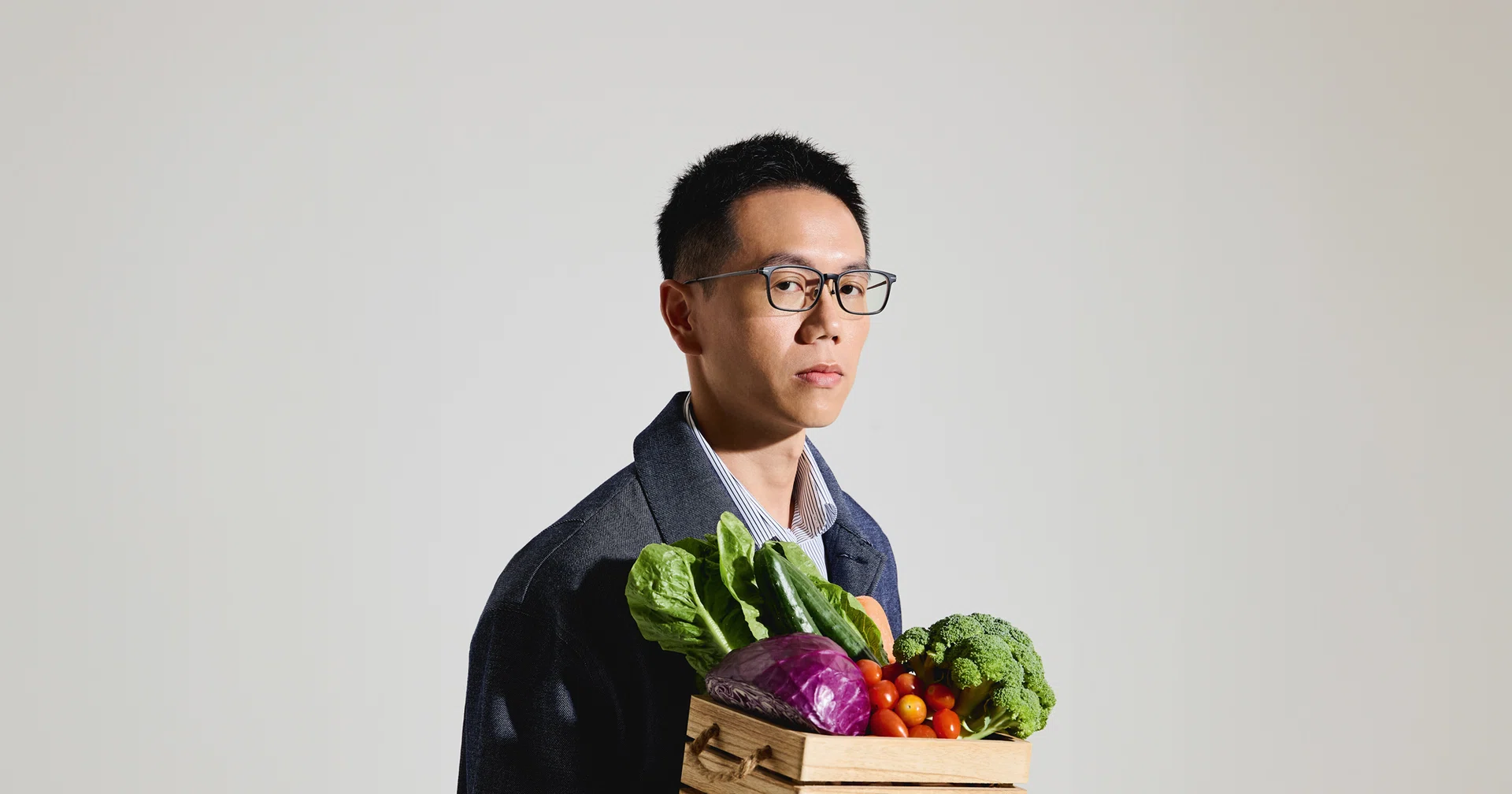
“I was being sold the dream of success,” says Shao Rong, recalling his first foray into franchising. “When things didn’t happen as planned, it was mentally straining. The pressure was real, and I became very emotional.”
It’s an arresting admission that strips away the glossy mythology around entrepreneurship. Before he founded Supergreen, a salad-and-grain bowl brand with 13 outlets across Singapore, Shao was a franchisee who lost everything within a year.
That failure, he says, taught him the one lesson he carries into every business decision now: franchising doesn’t make things easier. It just makes them faster — for better or worse.
Supergreen operates on a hybrid model: six corporate-owned outlets and seven franchised ones, with more opening soon. The brand’s proposition is simple — healthy food that feels accessible, is priced fairly, and is served fast. But its philosophy is built on something more challenging to replicate: partnership. “We aim to help franchisees be profitable and not squeeze them for our own profitability,” Lee says. “We are building the brand together as partners.”
His tone is calm but decisive, a man who’s made peace with the grind. “We do not just sell the success story but also emphasise the importance of hard work,” he adds. “Franchisees need to understand that franchising an F&B brand is not a passive side hustle.” That clarity — born from loss, refined through experience — has shaped Supergreen’s ethos.
Transparency is not a virtue here; it’s policy. Every potential franchisee hears the same warning: this will be hard.
The second act
That insistence on honesty, he believes, is what keeps the brand’s soul intact as it grows. “The relationship between the franchisor and franchisee is key,” he says. “Franchisees who understand the work needed will also be the ones who stay aligned.” Each new outlet undergoes constant audits and check-ins, but the goal isn’t control — it’s coherence. “With great support from us, franchisees are more likely to follow our guidelines and SOPs. They treat the brand like their own.”
The conviction comes from having lived the opposite. His first franchise — a local coffee chain — collapsed under weak guidance and unrealistic expectations. “At that time, I felt that the support from the franchisor was not enough,” he says.
“We were not profitable, and we were trying all sorts of ways to help with the business. It lasted one year before I cut my losses.” He shrugs lightly, but the memory lingers. “It was through that episode I understood that franchising is a double-edged sword.”
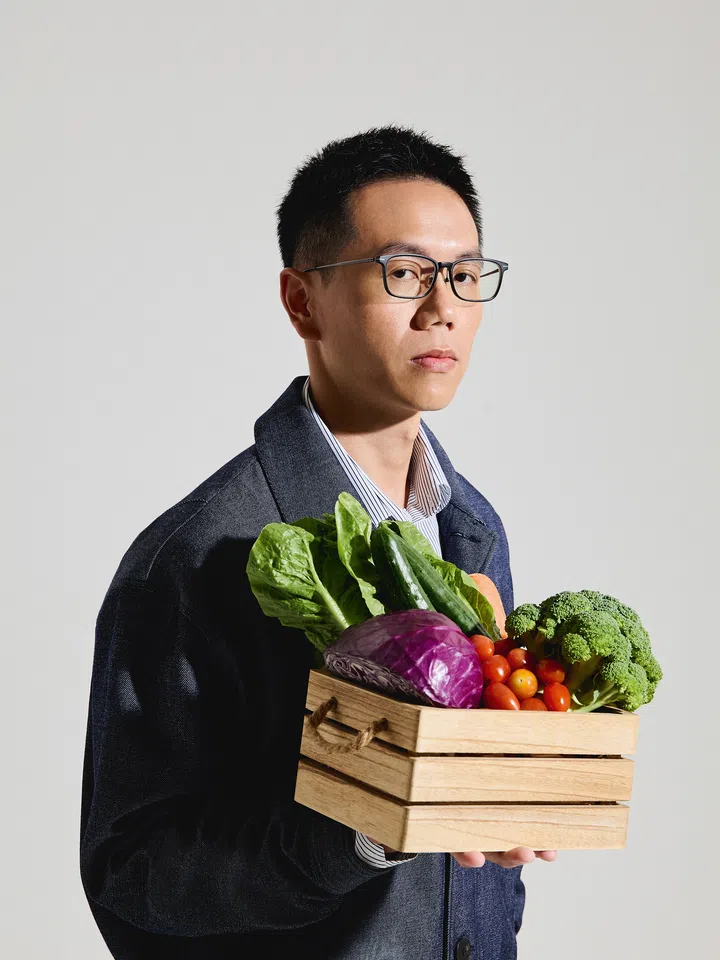
Running Supergreen, then, became a way to do it right. “I believe the franchise model is a way to grow the business sustainably — faster, with less,” he says. “What we want to achieve is to leverage the capital, time, and effort of the franchisee. With that, we provide the know-how, the training, the R&D, the marketing, and the brand equity.”
In return, franchisees run the outlets day to day, feeding their learnings back into the system. The payoff is shared efficiency — lower costs, stronger supplier negotiations, and brand recognition that compounds with every new store.
Adaptation as strategy
Still, Lee doesn’t romanticise the model. “We often go into a franchise business because we see a crowded outlet,” he says. “We think success will automatically translate to a new location. It doesn’t.” That realism also extends to how he views consumers.
“The pandemic brought about the rise of food delivery, home-based businesses, and social media marketing,” he says. “Consumers are more discerning, preferring convenience and food that is value for money.” It forced Supergreen to evolve — sharper pricing, better digital presence, constant recalibration.
But in Lee’s view, customers are only half the story. “Our other customer, as a franchisor, is our franchisee,” he says. “If we take care of our franchisees as an extension of the brand, they will take care of the brand as well.”
Asked what success looks like, his answer is precise, almost symmetrical. “A successful franchise is when the franchisor supports the franchise outlet like their own, and the franchisee runs the outlet like their own brand,” he says. “No one has to lose for someone else to win.”