%22%3E%0A%3Cpath%20d%3D%22M412%20101.2H393.7C393.1%20101.2%20392.3%20100.9%20391.8%20100.5C377.3%2087.6004%20362.9%2074.6004%20348.4%2061.6004C344.8%2058.4004%20341.3%2055.2004%20337.7%2052.0004C337.1%2051.5004%20336.2%2051.1004%20335.5%2051.0004C334.2%2050.8004%20333%2051.0004%20331.5%2051.0004V101.1H316.7V0.100391H331.4V44.3004C331.9%2044.3004%20332.2%2044.4004%20332.5%2044.4004C334.9%2044.4004%20337.2%2044.5004%20339.6%2044.4004C340.4%2044.4004%20341.3%2044.0004%20341.8%2043.5004C351.6%2034.4004%20361.4%2025.2004%20371.1%2016.0004C376.5%2010.9004%20381.9%205.90039%20387.3%200.800391C387.9%200.200391%20388.5%200.000390626%20389.3%200.000390626H400.9C384.2%2015.8004%20367.8%2031.3004%20351.2%2047.0004C371.5%2065.0004%20391.8%2082.9004%20412.1%20100.9C412.1%20101%20412.1%20101.1%20412%20101.2ZM180.9%20101.2C184.1%2094.9004%20187.2%2088.9004%20190.3%2082.8004C198.3%2067.3004%20206.2%2051.8004%20214.2%2036.2004C220.3%2024.4004%20226.4%2012.5004%20232.4%200.700391C232.7%200.100391%20233%20-0.0996094%20233.7%20-0.0996094H248.1C248.8%20-0.0996094%20249.2%200.100391%20249.6%200.800391C256%2013.3004%20262.4%2025.7004%20268.8%2038.2004C279.3%2058.6004%20289.8%2079.0004%20300.3%2099.5004C300.5%20100%20300.8%20100.4%20301.1%20101.1C300.5%20101.1%20300.1%20101.2%20299.7%20101.2H286.5C285.6%20101.2%20285.1%20100.9%20284.7%20100.2C280.1%2091.3004%20275.4%2082.4004%20270.8%2073.4004C270.1%2072.1004%20269.3%2071.6004%20267.8%2071.6004H209.9C208.7%2071.6004%20208.1%2072.0004%20207.5%2073.1004C202.9%2082.1004%20198.2%2091.0004%20193.6%20100C193.1%20101%20192.6%20101.3%20191.5%20101.3C188.4%20101.2%20185.3%20101.3%20182.3%20101.3C182%20101.2%20181.6%20101.2%20180.9%20101.2ZM239.1%2011.4004C230%2029.2004%20221.1%2046.7004%20212.1%2064.3004H266.4C257.2%2046.7004%20248.2%2029.2004%20239.1%2011.4004ZM0%200.000390626H43.4C51.2%200.000390626%2058.7%201.20039%2065.7%204.80039C75.9%2010.0004%2078.9%2018.0004%2078.6%2027.4004C78.3%2034.3004%2076%2040.5004%2071.2%2045.5004C67.3%2049.6004%2062.4%2052.3004%2057.1%2054.3004C50.6%2056.7004%2043.9%2058.0004%2037.1%2058.6004C30.1%2059.2004%2023.1%2059.4004%2016.2%2059.7004C15.8%2059.7004%2015.3%2059.8004%2014.8%2059.8004V101.1H0.1C0%2067.4004%200%2033.8004%200%200.000390626ZM14.8%207.10039V52.2004C23.7%2052.4004%2032.6%2052.3004%2041.2%2050.1004C44.4%2049.3004%2047.6%2048.2004%2050.6%2046.7004C58.4%2043.0004%2062.3%2036.7004%2062.7%2028.0004C63%2019.9004%2059.5%2014.1004%2052.4%2010.5004C47.6%208.00039%2042.5%207.10039%2037.2%207.10039H14.8ZM95.9%20101.1V0.100391H167.3V7.20039H110.7V44.7004H158.1V51.9004H110.8V93.9004H171.1V101C146.1%20101.1%20121%20101.1%2095.9%20101.1Z%22%20fill%3D%22black%22%2F%3E%0A%3Cpath%20d%3D%22M35.0004%2025.7996H42.5004V20.6996H44.8004V33.1996H42.6004V27.5996H34.9004V33.2996H32.7004V20.7996H35.0004V25.7996ZM54.4004%2025.8996V27.2996H48.9004V31.6996H55.9004C55.9004%2032.1996%2056.0004%2032.5996%2056.0004%2033.0996H46.5004V20.5996H55.5004V21.8996H49.0004V25.7996C50.7004%2025.8996%2052.5004%2025.8996%2054.4004%2025.8996ZM25.9004%2033.0996H23.5004V21.9996H17.9004V20.6996H31.6004V22.0996H27.1004C26.2004%2022.0996%2025.9004%2022.2996%2025.9004%2023.1996C26.0004%2026.0996%2025.9004%2028.9996%2025.9004%2031.7996V33.0996Z%22%20fill%3D%22black%22%2F%3E%0A%3C%2Fg%3E%0A%3Cdefs%3E%0A%3CclipPath%20id%3D%22clip0_388_462%22%3E%0A%3Crect%20width%3D%22411%22%20height%3D%22101.2%22%20fill%3D%22white%22%2F%3E%0A%3C%2FclipPath%3E%0A%3C%2Fdefs%3E%0A%3C%2Fsvg%3E%0A)
Share this article
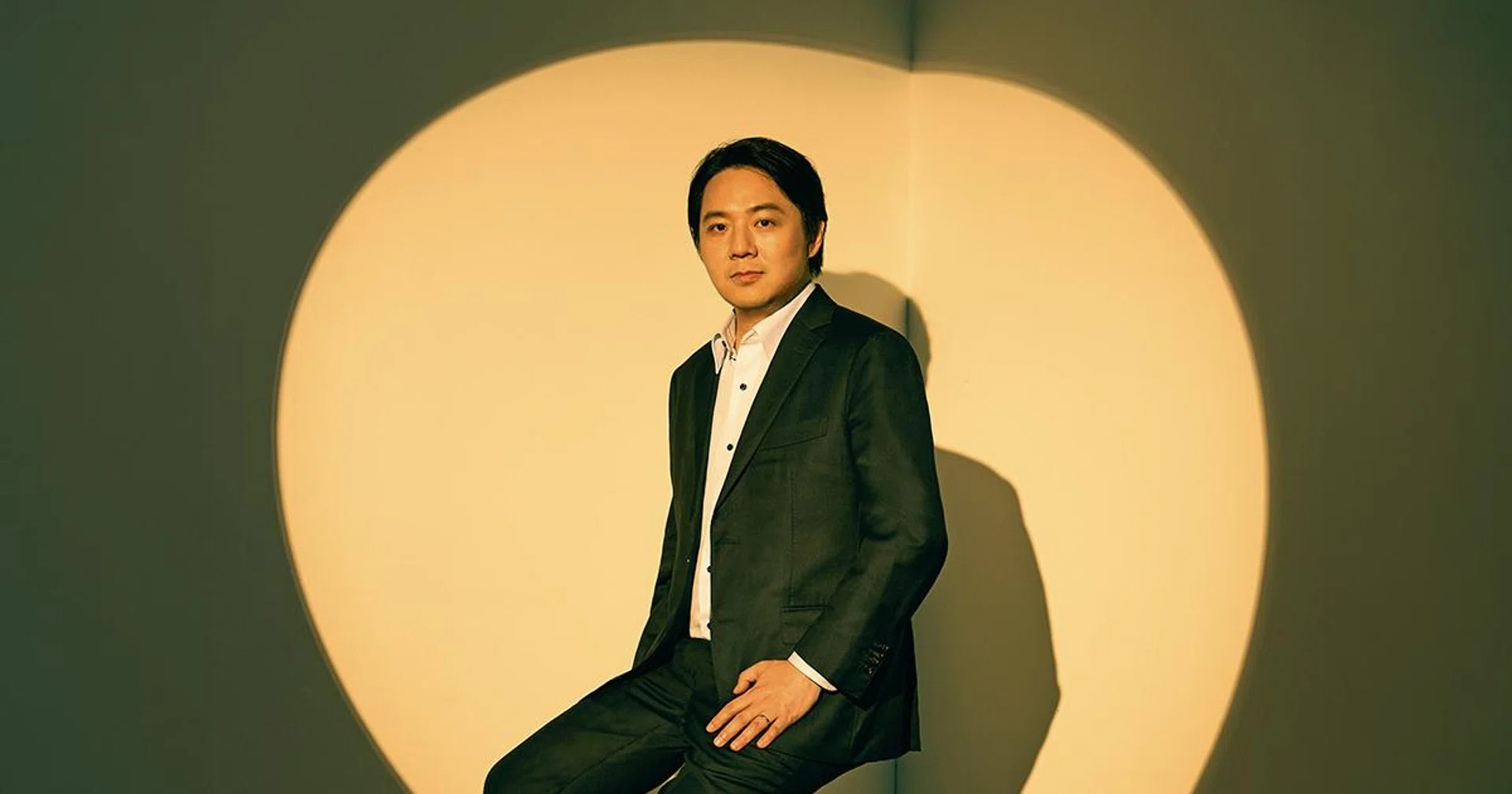
In Shaokai Fan’s telling, gold no longer sits quietly in the background of a portfolio. It has edged forward — not dramatically, not all at once, certainly — but enough to change how investors think about risk, and what they reach for when that risk starts to feel less theoretical.
“We are certainly seeing renewed attention to gold, and it’s no surprise as to why,” says Fan. “Total global gold demand surpassing 5,000 tonnes for the first time in 2025… with prices notching 53 new all-time highs over the year.”
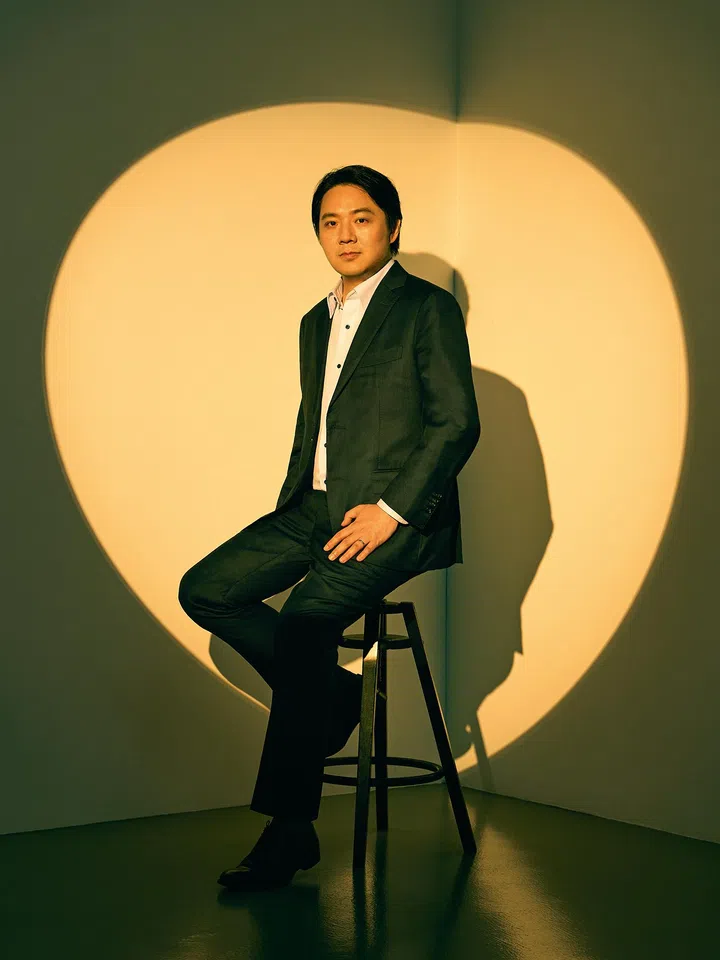
As head of Asia‑Pacific & global head of Central Banks at the World Gold Council, Fan sits at the intersection of policy, capital, and commodity markets, working with central banks, investors, and institutions to shape how gold is understood, accessed, and integrated into financial systems. The vantage point shows less of the noise and more of the pattern.
The data reads like confirmation, but Fan is careful not to collapse it into a single narrative. “Where the framing can be too narrow is in treating this purely as a crisis response,” he says. Gold still reacts to instability — that much remains unchanged — but it no longer depends on it as people assume.
“Macro and technical headwinds… can and do create near-term price pressure,” he continues, pointing to higher yields, a stronger dollar, and shifting rate expectations. “But those pressures appear temporary rather than structural.” The point sits there, understated — the kind of distinction that only becomes obvious over time, not in the middle of a rally.
The logic of capital
What has changed more visibly is who is moving into the market, and how. “The most notable shift has been the significant growth in institutional flows,” Fan says. “2025 marked the strongest year of inflows on record, with US$89 billion ($113.27 billion) drawn in and gold ETFs contributing 16 per cent of annual gold demand.”
Here, he draws a quiet parallel — similar stretches of sustained inflows have only appeared during the 2008 financial crisis and the Covid-19 pandemic. This time, the momentum has carried forward, less reactive than before, more embedded.
Central banks, too, are behaving with a degree of variation that wasn’t always visible. “Individual central banks are now making more differentiated decisions about their holdings,” he says. Still, the underlying logic holds: “to preserve the independence of central banks.”
Still, for all its reputation, gold does not move cleanly through moments of stress. “Gold has historically demonstrated resilience… but it is not immune to short-term volatility,” Fan says. In March 2026, it recorded its worst week in six years despite an increasingly dangerous geopolitical backdrop — a moment that felt misaligned with how the asset is usually described.
“The Federal Reserve’s decision to maintain its ‘higher for longer’ policy stance strengthened both the dollar and Treasury yields, creating headwinds for gold,” he explains. In periods like this, capital moves with its own internal logic — one that does not always prioritise safety in the way the term is casually used.
From asset to system
And yet, demand has not thinned. It has broadened. “Gold demand has been driven by sustained central bank buying, institutional investors, and retail investors,” Fan says. “Gold has become increasingly indispensable as investors navigate a fracturing world.” The word lands without insistence, but it lingers.
That shift in perception begins to show up in how gold is being reworked at the edges. “The digital gold market today remains fragmented,” he says, pointing to issues of standardisation and trust. What follows is less a product and more a system — “Gold as a Service,” designed to connect physical custody with digital issuance and product lifecycle management.
“Greater fungibility of gold would allow retail investors to access gold in smaller denominations… and extend its role beyond a store of value into everyday uses such as payments, savings, lending, and borrowing.” The ambition stretches the definition of what gold is allowed to be, without discarding what it has always been.
The map is shifting, too. “Southeast Asia has enormous potential as a future pillar of the gold market,” Fan says, pointing to a region shaped by growth, demographics, and long-standing cultural affinity. Indonesia and Vietnam have already widened gold’s role within their financial systems. Singapore, meanwhile, is positioning itself as a global hub for gold trading.
None of this arrives as a single turning point. It accumulates — through allocation decisions, through infrastructure, through the quiet recalibration of what investors are willing to trust when familiar assumptions start to fray.
Gold, in that sense, hasn’t returned. It has simply moved closer.
Photography: Angela Guo
Art direction: Ashruddin Sani
Grooming: Dax Lye
Clothes: Profile’s own